Unlock Peak Recovery: Vibroacoustic Therapy for Post-Workout Renewal

Key Insights
Discover how vibroacoustic therapy at Soul Art Dubai enhances post-workout recovery, reduces soreness, and calms the nervous system for optimal well-being with Larissa Steinbach.
Post-Workout Recovery with Vibroacoustic Therapy: A New Dimension of Wellness
Imagine pushing your body to its limits, feeling that exhilarating burn, only to wake up the next day with muscles screaming in protest. What if there was a sophisticated, scientifically-backed way to significantly reduce that discomfort, accelerate your body's natural healing processes, and restore a profound sense of calm? For athletes, fitness enthusiasts, and anyone leading an active life, efficient recovery is not just a luxury; it's a cornerstone of sustained performance and overall well-being.
At Soul Art Dubai, founded by the visionary Larissa Steinbach, we explore innovative pathways to holistic wellness. One such powerful, yet often overlooked, method is vibroacoustic therapy. This unique approach harnesses the power of precisely tuned sound frequencies to create gentle vibrations that penetrate deep into your body, offering a novel strategy for post-workout restoration.
This article delves into the fascinating science behind how vibroacoustic therapy can transform your recovery experience. We will explore its physiological benefits, from soothing your nervous system to aiding muscle repair, and explain why this advanced wellness practice is rapidly gaining recognition as an essential tool for optimal physical and mental rejuvenation. Prepare to discover a new dimension of self-care that extends far beyond traditional recovery methods.
The Science Explained: Tuning into Deeper Recovery
After an intense workout, your body enters a state of physiological stress. This is characterized by elevated heart rate, increased muscle tension, and a dominance of the sympathetic nervous system – often known as the "fight or flight" response. Effective recovery aims to shift the body back into a parasympathetic state, the "rest and digest" mode, which is crucial for repair and regeneration. Vibroacoustic therapy offers a sophisticated, non-invasive method to facilitate this critical shift.
The Autonomic Nervous System and Heart Rate Variability
Research suggests that vibroacoustic stimulation may play a significant role in modulating the autonomic nervous system (ANS). A study published in the European Journal of Applied Physiology investigated the potential of vibroacoustic stimulation to aid recovery from athletic stress. The findings indicated that vibrations subjectively rated as calming by participants were associated with an increase in high-frequency heart-rate variability (HRV).
This increase in high-frequency HRV is a key indicator of enhanced parasympathetic nervous system activity. In simpler terms, it signals that your body is moving away from a stress response and towards a state conducive to deep rest and recovery. This physiological shift was particularly noticeable in individuals whose physiology was most affected by the initial exertion, highlighting the therapy's potential for those most in need of efficient recovery. The study authors concluded that vibration likely influences physiological recovery through direct effects on the body, rather than purely "top-down" effects on the brain.
Accelerating Muscle Repair and Reducing Damage
Prolonged and intense exercise often leads to micro-damage in muscle fibers, resulting in common symptoms like delayed onset muscle soreness (DOMS), swelling, and reduced strength. Traditional recovery methods aim to mitigate these effects. Emerging evidence suggests that local vibration therapy may significantly contribute to this process.
One study, for instance, demonstrated that low-frequency vibration applied for 10 minutes after exercise can reduce indicators of post-exercise muscle damage. This included lower concentrations and activities of markers like creatine kinase (CK) and lactate dehydrogenase (LDH), which are typically elevated after muscle injury. The researchers observed that this effect was more pronounced at 15 Hz than at 5 Hz, pointing to the importance of specific parameters in vibrotherapy. This reduction in muscle damage markers may translate into a noticeable decrease in DOMS symptoms, allowing for a faster return to peak performance.
Furthermore, whole-body vibration (WBV) has been associated with improved recovery by potentially reducing levels of stress hormones and the activities of CK and LDH, further aiding the body's repair mechanisms. The gentle, rhythmic stimulation may help to flush out metabolic byproducts and facilitate cellular repair, similar to some of the benefits experienced from a light massage. The robust evidence for reducing the effects of DOMS in terms of pain perception, pain threshold, and tenderness, as well as reduced serum Creatine Kinase, highlights its potential in muscle recovery.
Enhancing Circulation and Tissue Oxygenation
Optimal recovery relies heavily on efficient blood flow to deliver essential nutrients and oxygen to fatigued muscles, while simultaneously removing metabolic waste products like lactic acid. Some research has explored the impact of whole-body vibration on these circulatory aspects, suggesting positive outcomes.
A study investigating the effect of WBV therapy on performance recovery found that the WBV recovery protocol substantially increased the tissue oxygenation index. This indicates that more oxygen was being delivered to the muscle tissues during the recovery period compared to active or passive recovery conditions. Enhanced tissue oxygenation is vital for cellular repair, reducing inflammation, and replenishing energy stores within the muscles, which can collectively improve subsequent performance.
Improved peripheral vascular tone, which is the tension in the walls of blood vessels, also plays a role. Low-frequency vibration may reduce this tone, allowing blood to flow more freely and accelerate the recovery of heart rhythm after exertion. This enhanced circulation ensures that your muscles receive the resources they need to rebuild and recover more effectively, potentially improving athletic resilience.
Alleviating Pain and Soreness
The mechanisms behind vibroacoustic therapy's potential to alleviate post-workout discomfort are multi-faceted. Beyond reducing muscle damage, it may also contribute to pain reduction through several pathways:
- Increased Proprioceptive Function: Vibrations can stimulate proprioceptors, the sensory receptors in muscles and joints that provide information about body position and movement. This increased proprioceptive function in the neuromuscular system may help to reduce perceived pain and enhance body awareness.
- Hormonal and Anti-inflammatory Responses: As mentioned, vibration has been associated with reducing stress hormones and promoting anti-inflammatory responses, both of which are critical in managing post-exercise pain and swelling.
- Lymphatic Drainage: Vibrations can stimulate lymphatic drainage, helping to clear toxins and reduce swelling in fatigued muscles, thereby alleviating DOMS. This mechanism offers an effect that is somewhat similar to that of a traditional massage.
- Kinesthetic Illusions: Specific vibration characteristics can provoke 'kinesthetic illusions' – sensations of movement. While more explored in rehabilitation settings, this sensory input may also contribute to a sense of relief and reduced focus on discomfort after physical exertion.
Preliminary studies, including those exploring vibroacoustic therapy for adults experiencing chronic pain, have generally reported improvements in pain sensation. While direct application to post-workout soreness continues to be an area of active research, the underlying physiological principles strongly suggest a compelling potential benefit for muscle discomfort.
"The subtle yet profound power of vibration to influence our physiology reminds us that true recovery extends beyond visible efforts, touching the very cellular fabric of our being, facilitating healing from within."
How It Works in Practice: A Journey of Sensory Restoration
Experiencing vibroacoustic therapy for post-workout recovery is a deeply immersive and restorative journey. It moves beyond the clinical descriptions of heart rate variability and muscle markers, inviting you into a space where your body and mind can truly unwind and rebuild. The process is designed to be effortlessly soothing, allowing you to simply lie back and receive the benefits.
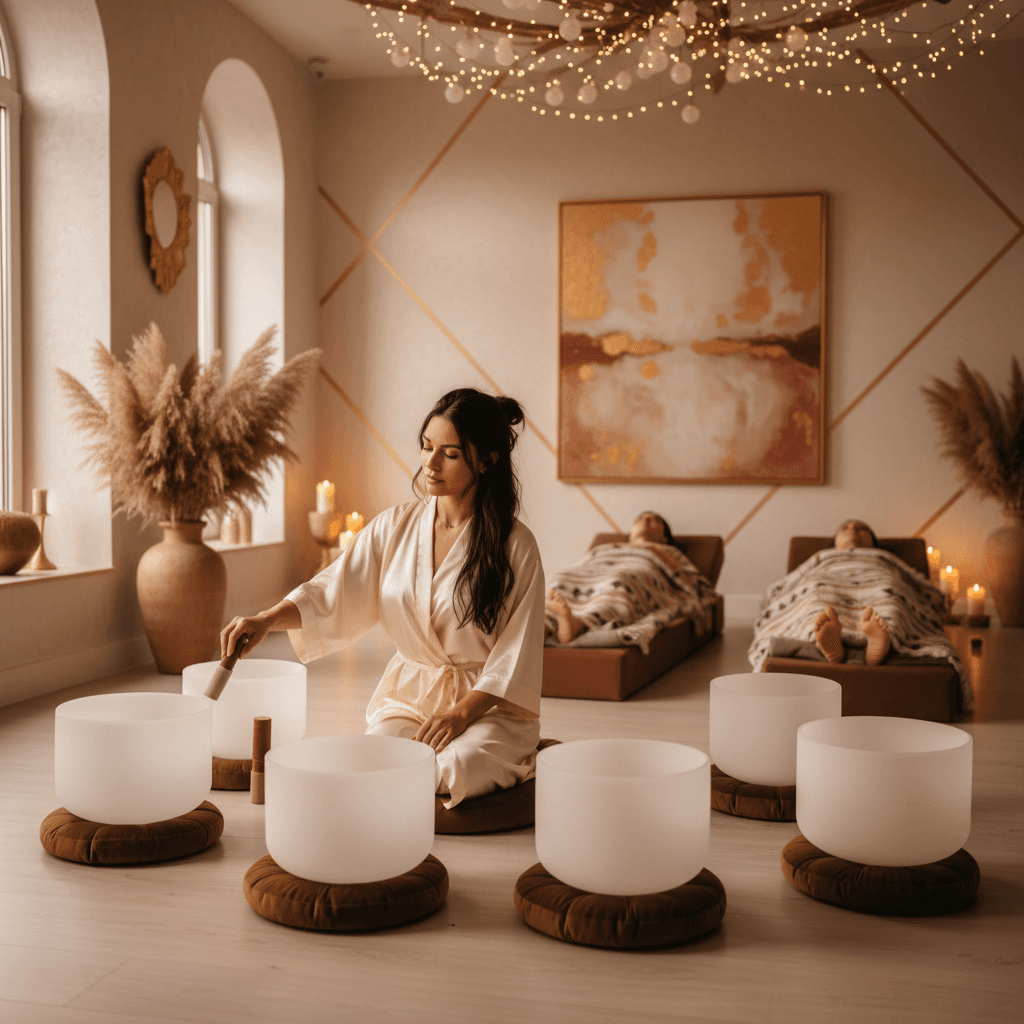
Clients at Soul Art Dubai often describe the experience as a gentle, internal massage. As you recline on a specially designed sound bed or cushion, precisely calibrated frequencies are introduced. These aren't just sounds you hear; they are vibrations you feel permeating through your body. The low-frequency vibrations are felt deep within the tissues, resonating with your muscles, bones, and organs, providing a direct physiological interaction.
Imagine the gentle hum moving through your tired quadriceps after a long run, or easing tension in your shoulders after a demanding strength session. This tactile sensation helps to release accumulated tension, promoting a sense of ease throughout your musculoskeletal system. The auditory component, often harmonious and calming, works in tandem with the physical vibrations, helping to quiet the mental chatter and cognitive stress that can persist after an intense activity. This dual-sensory approach ensures comprehensive relaxation.
The combined effect is one of profound relaxation. As the vibrations encourage your body to shift into a parasympathetic state, you might feel your breathing deepen, your heart rate naturally regulate, and a sense of calm spread from your core outwards. This allows your body's innate healing mechanisms to activate more efficiently. Many individuals report feeling lighter, more fluid, and significantly less stiff immediately after a session. The subtle but persistent influence on circulation and lymphatic flow continues to work after you leave the studio, contributing to sustained relief from muscle soreness and a quicker return to your optimal state. It’s a passive yet powerful way to actively support your body’s sophisticated recovery process, preparing you for your next challenge with renewed vigor and vitality.
The Soul Art Approach: Larissa Steinbach's Vision for Recovery
At Soul Art Dubai, Larissa Steinbach has meticulously curated an experience that elevates vibroacoustic therapy from a simple technique to an art form of well-being. Her approach is rooted in a deep understanding of both ancient wisdom and cutting-edge science, ensuring that every session is not just beneficial, but profoundly transformative. Larissa’s vision for post-workout recovery goes beyond merely alleviating symptoms; it’s about fostering a deeper connection with one’s body and enhancing its innate capacity for self-healing.
What makes the Soul Art method truly unique is its personalized and holistic integration of sound and vibration. Rather than a one-size-fits-all approach, Larissa and her team recognize that each individual's body responds differently and has unique recovery needs. Sessions are often tailored to address specific areas of muscular fatigue or tension, leveraging the insights from research that emphasizes the importance of proper treatment parameters, including frequency and amplitude, for optimal results. This bespoke methodology ensures maximal effectiveness.
Soul Art utilizes advanced vibroacoustic instruments, including specially designed sound beds and chairs, which are engineered to deliver precise, resonant frequencies throughout the body. These aren't just generic sounds; they are carefully selected and tuned soundscapes combined with therapeutic vibrations that interact directly with your physical being. For example, to target muscle recovery, specific low frequencies (such as around 15 Hz, which research indicates is effective for reducing muscle damage) may be employed, encouraging deep cellular resonance and promoting the physiological shifts needed for repair. The careful calibration ensures a highly targeted and impactful experience.
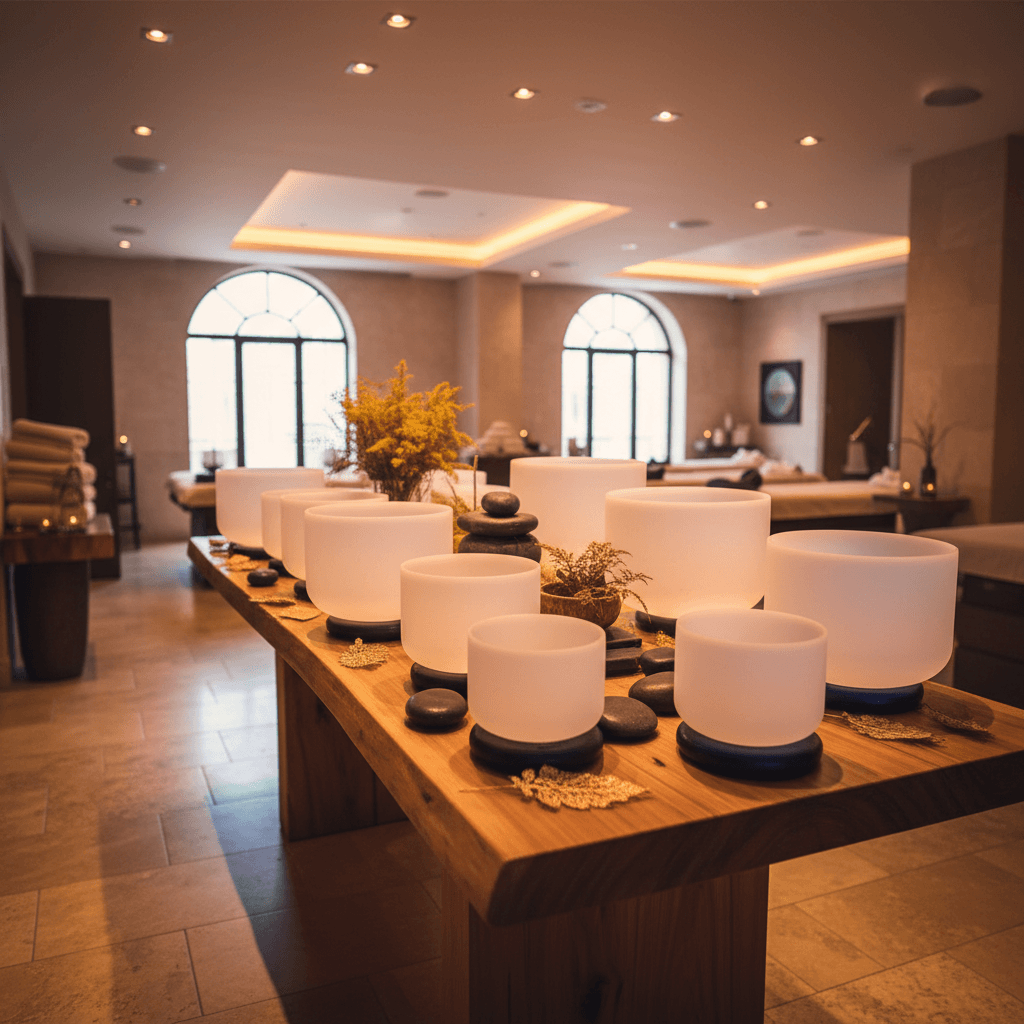
Larissa Steinbach emphasizes creating an environment that complements the therapeutic experience. The studio itself is an oasis of "quiet luxury," designed to soothe the senses from the moment you step in. Soft lighting, calming aesthetics, and a tranquil atmosphere prepare the mind and body to fully surrender to the healing frequencies. This holistic environment, combined with the precision of the vibroacoustic technology, ensures that clients not only receive physiological benefits but also experience a profound sense of mental and emotional restoration. It is this meticulous attention to detail and a commitment to personalized, science-informed care that sets Soul Art Dubai apart as a premier destination for advanced wellness and recovery.
Your Next Steps: Integrating Vibroacoustic Therapy into Your Routine
Embracing vibroacoustic therapy as part of your post-workout regimen can be a game-changer for your overall wellness and athletic longevity. It offers a sophisticated, yet entirely effortless, way to support your body’s natural recovery processes. Here are some actionable steps to consider integrating this powerful practice into your lifestyle:
- Prioritize Conscious Recovery: Beyond the immediate cool-down, view your recovery phase as an essential, active part of your training. This includes nutrition, hydration, and mental unwinding, alongside innovative practices like vibroacoustic therapy.
- Hydrate Consistently: Supporting your body’s cellular repair and detoxification processes is paramount. Ensure you’re drinking plenty of water before and after your sessions, both in the gym and at Soul Art.
- Listen to Your Body: Pay attention to which muscle groups feel most fatigued or sore after your workouts. Communicating this to your practitioner at Soul Art Dubai can help tailor your vibroacoustic session for targeted relief and maximum benefit.
- Explore Complementary Practices: Vibroacoustic therapy works synergistically with other wellness techniques. Consider combining it with gentle stretching, light massage, or mindfulness practices to amplify its benefits and promote holistic well-being.
- Experience Soul Art Dubai: The most direct way to understand the profound benefits is to experience it firsthand. A session with Soul Art offers a unique opportunity to immerse yourself in deep relaxation and accelerated recovery, guided by expert insights.
Bookings Coming Soon
Soul Art is still in preparation. Session details and booking will be published here after launch.
Coming Soon
In Summary: A Harmonic Path to Optimal Recovery
Efficient post-workout recovery is fundamental for sustaining performance, mitigating discomfort, and enhancing overall well-being. Vibroacoustic therapy, a cutting-edge wellness practice, offers a powerful, scientifically-supported method to accelerate this crucial process. By gently shifting the body into a parasympathetic state, reducing muscle damage markers, improving tissue oxygenation, and alleviating soreness, it provides a holistic path to restoration.
At Soul Art Dubai, Larissa Steinbach champions a personalized and luxurious approach to vibroacoustic therapy. Here, precision-tuned frequencies and a serene environment combine to deliver an unparalleled experience of deep relaxation and physiological repair. Embrace this innovative self-care tool to optimize your recovery, rejuvenate your body, and elevate your active lifestyle. Discover the transformative power of sound and vibration with Soul Art.
Related Articles
Vibration Therapy for Plantar Fasciitis: A Holistic Path to Foot Wellness
Frozen Shoulder: Sound Support for Enhanced Mobility & Ease

Harmonizing Breath: How Sound Wellness May Support Sleep Apnea Management