Pet Loss Grief: Finding Peace Through Sound Wellness
Key Insights
Explore the science of sound healing for pet loss grief. Learn how specific frequencies can ease anxiety and support emotional recovery at Soul Art Dubai.
Did you know that the grief we feel for a lost pet can be as profound and destabilizing as the loss of a human family member? Yet, it is often a silent sorrow, one that society doesn't fully make space for. This experience has a name: disenfranchised grief, a loss that feels unacknowledged or minimized by others, leaving you to navigate the pain in isolation. The human-animal bond is a powerful, scientifically-recognized attachment, and its severance leaves a real, tangible void.
This article will explore the deep emotional and physiological impact of pet loss. We will delve into the science of how this specific type of grief affects your nervous system and overall wellbeing. Most importantly, we will uncover how the ancient practice of sound wellness, grounded in modern neuroscience, offers a gentle yet powerful pathway to process this complex emotion. You will learn how specific frequencies and vibrations can support your nervous system, ease anxiety, and create a compassionate space for healing.
The Unspoken Science of Grief and Sound
To understand how sound can support us, we must first appreciate the profound biological reality of our grief. The loss of a pet is not just an emotional event; it is a physiological one that dysregulates the very systems that keep us in balance.
The Neurobiology of Pet Loss and Disenfranchised Grief
The bond we share with our animal companions is deeply rooted in attachment theory. Research, such as that highlighted by Sable (2013), shows that our brains often process these relationships in the same way we do with human family. They are integral to our daily routines, our sense of comfort, and our emotional stability.
When this bond is broken, the brain registers a significant loss, triggering a cascade of stress responses. This grief is often compounded by its disenfranchised nature. As studies by researchers like Cordaro (2013) and Spain et al. (2019) note, because society may not validate the depth of pet loss, individuals are often left without the usual rituals and support systems, which can lead to what is known as complicated grief.
This unresolved grief has a direct impact on the autonomic nervous system. As noted in wellness research on the mind-body connection, your body can become stuck in a state of:
- Hyperarousal: Feeling anxious, restless, overwhelmed, or unable to relax. This is the sympathetic "fight or flight" response working overtime.
- Hypoarousal: Feeling numb, disconnected, foggy, or exhausted. This is a "freeze" or shutdown response to overwhelming emotional pain.
Grief, quite literally, sits in the body. It’s the tension in your shoulders, the ache in your chest, the feeling of being fundamentally untethered.
How Sound Frequencies Influence the Brain and Body
Sound wellness is a practice that works directly with these dysregulated physiological states. It operates on the principle of brainwave entrainment, where the brain's own electrical frequencies begin to synchronize with an external auditory rhythm.
One of the most beneficial states for relaxation is the alpha brainwave state (8-12 Hz). A study cited by the University of Nevada found that listening to slow music, around 60 beats per minute, can encourage the brain to produce these waves. This is the state you experience during light meditation or right before you fall asleep—a state of conscious, deep relaxation where anxiety and stress may begin to dissolve.
Furthermore, sound directly influences our emotional perception. A study from the National Library of Medicine demonstrated that participants perceived a neutral face as happy after listening to upbeat music, and as sad after hearing melancholy music. This shows that sound is not just background noise; it is an active agent in shaping our emotional landscape.
Vibrational frequencies also have a powerful effect on our physiology, particularly through the vagus nerve. As highlighted in research on mind-body modalities, the vagus nerve is the primary conduit of the parasympathetic nervous system—our "rest and digest" system. Gentle vibrations from instruments like singing bowls or tuning forks can help stimulate this nerve, signaling to the entire body that it is safe to relax and move out of a state of chronic stress.
From Vibration to Emotional Release
The experience of sound in a wellness session is not just auditory; it is tactile. You feel the vibrations resonating through your body on a cellular level. This concept, explored by sound wellness practitioners like Debbi Walker, suggests that these resonant frequencies help to restore homeostasis, or balance, within the body.
Studies have shown that music utilizing stringed instruments, drums, and flutes is particularly effective for releasing stress. This is why instruments used in sound baths—such as gongs, crystal bowls, and chimes—can be so profoundly supportive. They create a rich tapestry of harmonics and overtones that can envelop the senses.
This sensory immersion provides a unique opportunity for non-verbal emotional processing. For disenfranchised grief, where words often fail or feel inadequate, sound creates a safe container to feel, express, and release pent-up emotions without judgment. It aligns with the advice from HelpGuide.org to "face your grief and actively deal with it" rather than suppressing it, offering a gentle method for doing so.
The Sensory Journey: What to Expect in a Session
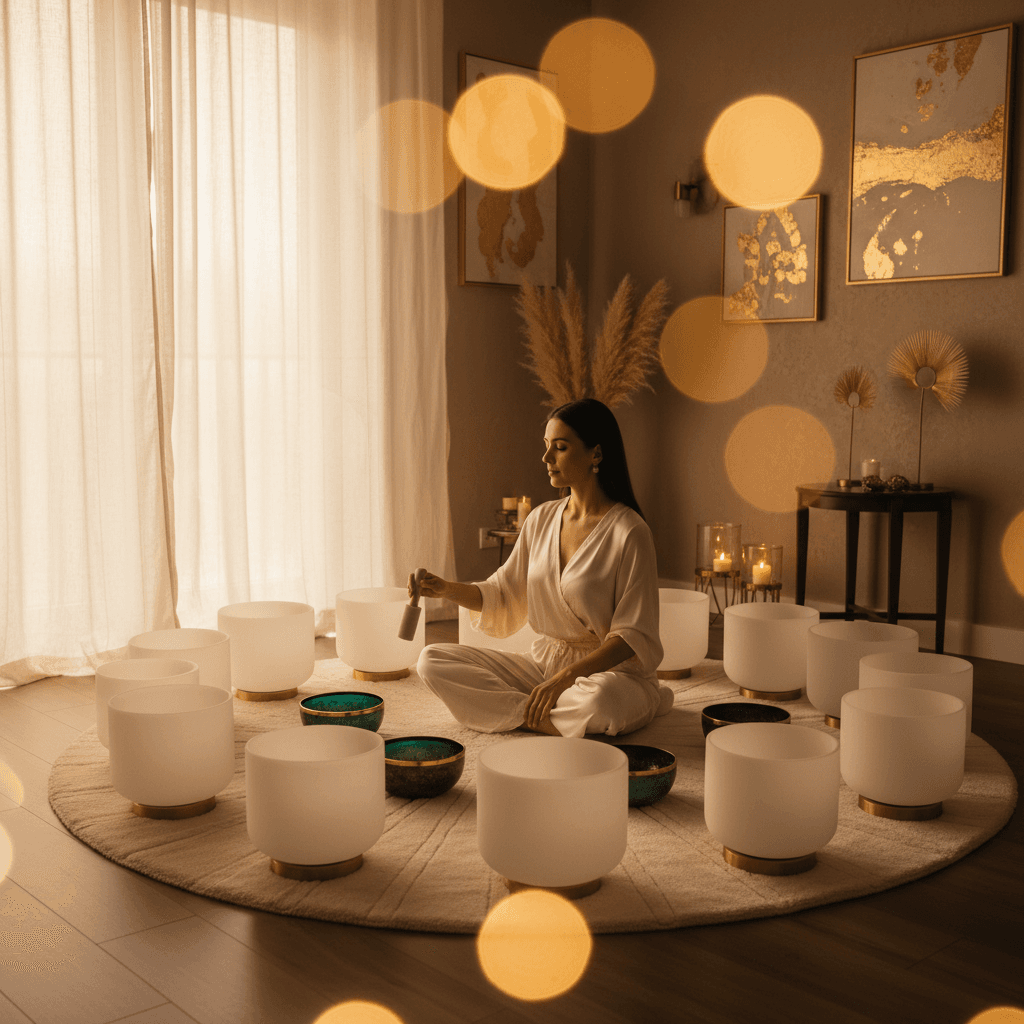
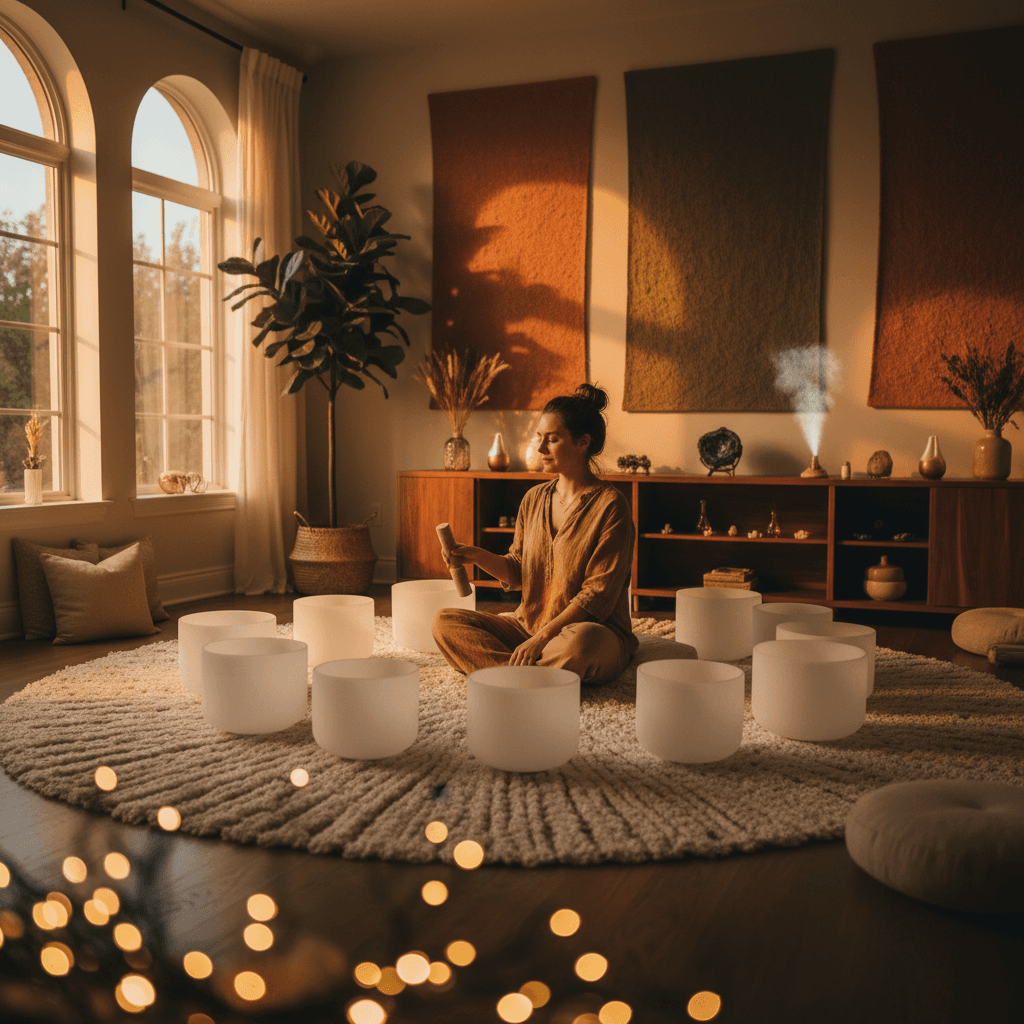
Stepping into a sound wellness session is an invitation to let go. It begins not with talking, but with simply being. You are invited to lie down in a comfortable position, often with blankets and bolsters, in a space designed for tranquility and safety.
The session starts with the breath. As you are guided to focus on your inhales and exhales, the first sounds are introduced. It might be the gentle, ethereal ring of a small chime or the low, grounding hum of a large crystal bowl. The intention is not to listen to a melody, but to feel the sound as a physical sensation.
As the session unfolds, layers of sound are woven together. You might feel the deep, resonant vibrations of a gong wash over your entire body, seemingly dissolving physical tension and quieting the relentless loop of grieving thoughts. The pure, high-frequency tones of crystal singing bowls may feel like they are cleansing the energetic heaviness around your heart.
This is the science in practice. As your brainwaves begin to entrain to the slow, steady rhythms, you may feel your mind shifting from its state of anxious over-thinking into the calm, restorative alpha state. The stimulation of your vagus nerve encourages your nervous system to move from a stressed sympathetic state to a relaxed parasympathetic one. Your heart rate may slow, your breathing deepens, and the muscles you didn't even realize were clenched may finally release.
Emotions often surface during this process. Sadness may arise, but so too can feelings of profound love, gratitude for the time you had with your companion, and eventually, a sense of peace. The sound doesn't erase the grief; it provides the space and support for it to be held, honored, and integrated.
The Soul Art Method: A Compassionate Approach to Grief
At Soul Art, our approach to pet loss is rooted in deep compassion and an understanding of the intricate connection between mind, body, and spirit. As the founder, my philosophy is not to "fix" grief, but to create a sanctuary where it can be honored as a testament to profound love.
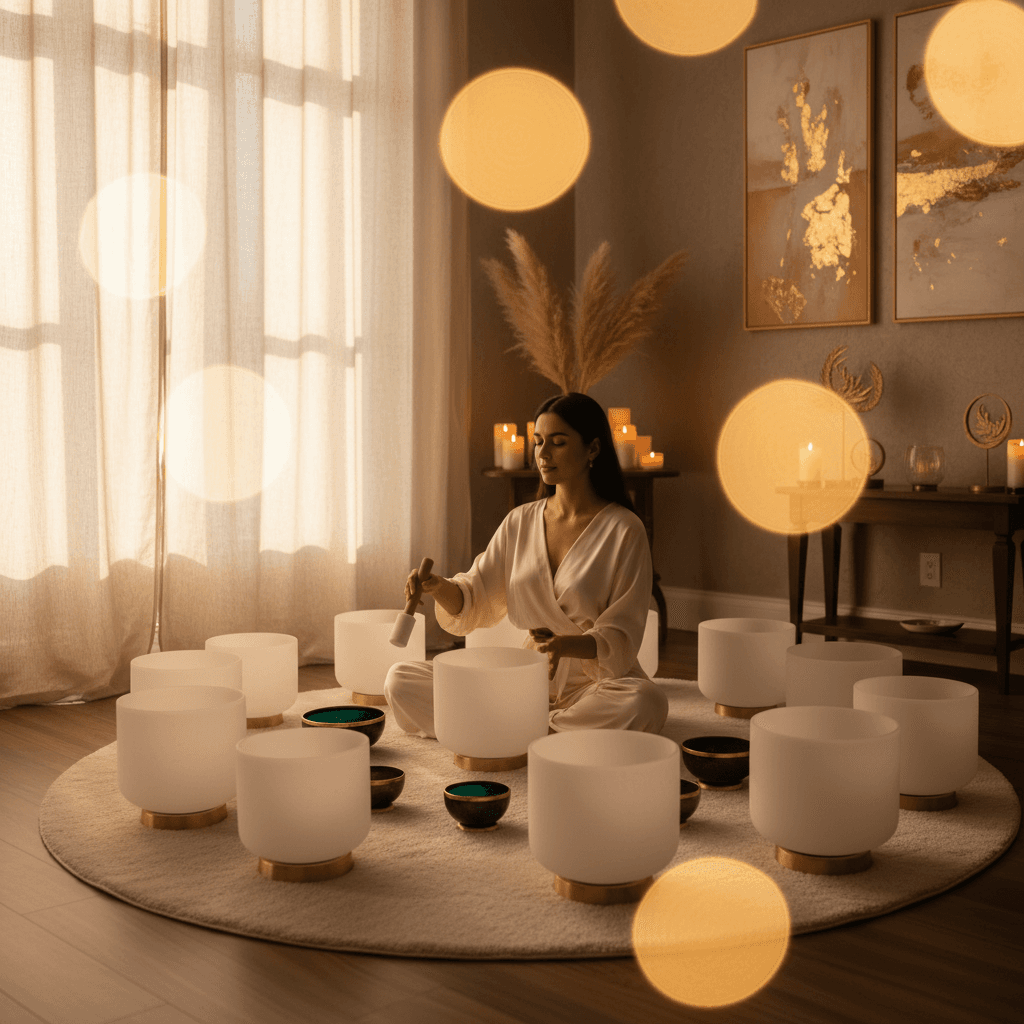
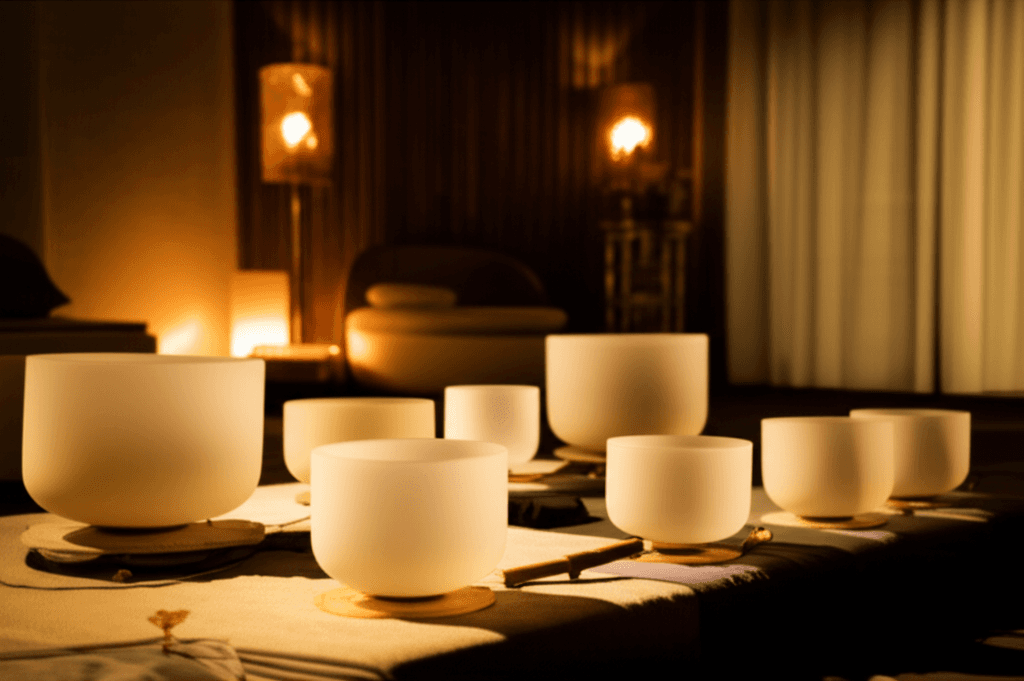
We utilize a carefully curated collection of therapeutic-grade instruments, each chosen for its specific resonant properties. Our sessions often incorporate:
- Himalayan Singing Bowls: These ancient instruments produce complex harmonics that are deeply grounding, helping to anchor you in the present moment when grief feels overwhelming.
- Crystal Tones™ Alchemy Bowls: Tuned to specific frequencies, these bowls are powerful tools for emotional clearing. A bowl tuned to the frequency of the heart chakra, for instance, can be particularly supportive in processing the heartache of loss.
- OM Tuning Forks: The "OM" vibration is considered a sacred sound of universal harmony. When applied near the body, as noted in sound wellness literature, it can help soothe emotional turmoil and bring a sense of peace to the heart space.
What makes the Soul Art method unique is its intuitive nature. Each session is personalized, guided by the specific emotional and energetic needs of the client. I listen not just with my ears, but with my entire being, adjusting the sounds and frequencies to create a bespoke journey of remembrance and release.
"Grief is a profound form of love. It’s the love you have for your companion that has nowhere to go. In our sessions at Soul Art, we use sound to give that love a voice—a vibration that can be felt, honored, and gently integrated into your being." - Larissa Steinbach
This is more than a relaxation technique; it is a ceremonial practice of honoring a significant life and the love that remains.
Creating Your Own Sanctuary of Sound
While a guided session offers a deep and immersive experience, you can begin to incorporate the supportive power of sound into your life today. These simple practices can provide moments of comfort and regulation as you navigate your grief.
- Practice Mindful Listening: Find a quiet space and listen to a piece of slow, instrumental music, preferably around 60 beats per minute. Close your eyes, put on headphones, and for 10 minutes, do nothing but feel the vibrations of the music in your body. Notice where you feel the sound.
- Curate a Playlist of Love: Create a playlist of songs that gently remind you of the joyful moments with your pet. Allow yourself to feel whatever emotions arise—both the happiness of the memory and the sadness of the loss. This is a healthy way to express your grief.
- Embrace Nature's Soundtrack: The sounds of the natural world are inherently regulating. Spend time listening to the wind, the rain, or the birds. These organic, non-linear sounds can be incredibly soothing for a dysregulated nervous system.
- Use Your Own Voice: The simple act of humming creates a powerful vibration throughout your skull and chest, which is one of the most effective ways to self-stimulate your vagus nerve and induce a state of calm. Try humming a single, low tone for a few minutes and notice the shift in your body.
These practices are wonderful tools for self-care. When you feel ready for a more profound level of support in a dedicated, held space, we are here for you.
The Path to Peace is a Frequency
The loss of a beloved animal companion is a valid and significant life event. The grief you feel is real, and its effects on your nervous system and emotional wellbeing are profound. You deserve a space to honor that sorrow without judgment.
Sound wellness provides a scientifically-grounded and deeply compassionate pathway for navigating animal grief. By working directly with the body's own systems, specific frequencies and vibrations can help regulate your nervous system, quiet an anxious mind, and allow for the gentle processing of complex emotions. It offers a way forward that is not about forgetting, but about integrating the love and the loss into your life with grace and peace.
At Soul Art, Larissa Steinbach creates a sanctuary where your grief is understood and your healing journey is honored. We invite you to experience the gentle, restorative power of sound.
Bookings Coming Soon
Soul Art is still in preparation. Session details and booking will be published here after launch.
Coming Soon