Sound Wellness in Pediatric Hospice: Nurturing Peace for Dying Children

Key Insights
Explore how sound wellness offers gentle comfort, pain relief, and emotional support for children in pediatric hospice, enhancing quality of life.
A Gentle Embrace: Sound Wellness in Pediatric Hospice
The concept of pediatric hospice care often evokes a profound sense of gravity, touching upon some of the most sensitive aspects of the human experience. While challenging to contemplate, its core mission is deeply compassionate: to enhance the quality of life for children facing life-limiting illnesses and to support their families through unimaginably difficult times. It's about ensuring comfort, dignity, and a profound sense of peace.
Many might wonder how a practice like sound wellness, often associated with adult relaxation, could find its place in such a specialized and delicate field. The truth is, sound, in its gentlest and most intentional forms, offers a unique, non-invasive pathway to alleviating suffering, managing distress, and fostering moments of serenity for dying children and their loved ones. At Soul Art, led by Larissa Steinbach, we explore the scientific underpinnings and heartfelt application of sound in these sensitive environments, recognizing its potential to provide solace when words fall short.
This article delves into the profound ways that carefully curated sound experiences, a form of complementary holistic wellness, may support children in pediatric hospice. We will uncover the scientific mechanisms at play, describe how these gentle interventions are practically applied, and highlight the unique approach championed by Soul Art Dubai. Our aim is to illuminate a path toward greater comfort and emotional well-being, offering a perspective on how sound can become a soft, supportive anchor in the most turbulent of life's storms.
The Science Explained: How Sound Connects with Comfort
Pediatric hospice and palliative care is a specialized field focused on providing comprehensive support to children with life-threatening illnesses. These conditions range from cancers and heart diseases to congenital malformations and various rare diseases, all leading to limited life expectancy or uncertain prognoses. The overarching goal is not merely to prolong life, but to enhance the quality of life for the child and their family, preventing or minimizing suffering and optimizing function.
Central to this mission is the effective management of pain and other distressing symptoms, alongside providing opportunities for personal and spiritual growth. This holistic approach recognizes that children, even if not directly informed, are often aware of the severity of their illness and its potential outcome. They are frequently willing to discuss such topics, making open and honest communication, or alternative forms of expression, incredibly important.
The Auditory-Nervous System Connection
Sound is fundamentally vibration, and the human body is a complex system of interconnected vibratory cells and tissues. When we perceive sound, it's not just our ears that respond; the vibrations travel through our bodies, influencing our nervous system, hormones, and even cellular function. This explains why certain sounds can instantly soothe us, while others might induce stress.
Specifically, gentle, harmonious sounds and vibroacoustic therapy (sound delivered through tactile vibration) may engage the parasympathetic nervous system. This is the body's "rest and digest" system, counteracting the "fight or flight" response triggered by stress, anxiety, or pain. Activating the parasympathetic system may lead to physiological changes associated with relaxation, such as a lowered heart rate, reduced blood pressure, and a decrease in muscle tension.
Research Insights into Sound and Well-being
While the field of pediatric palliative medicine is relatively new, and more research is continually emerging, existing studies provide compelling insights into the potential benefits of sound-based interventions, particularly music therapy, in end-of-life care.
- Pain and Symptom Management: Music therapists utilize sound and rhythm to address various distressing symptoms at the end of life. These include common challenges such as pain, anxiety, depression, and shortness of breath. Preliminary studies indicate that single-session music therapy interventions may support improvements in perceived levels of pain control, physical comfort, and relaxation in hospice patients. The American Academy of Pediatrics (AAP) also emphasizes symptom control as a core component of pediatric hospice and palliative care.
- Anxiety Reduction: Unmanaged anxiety in children nearing the end of life is a significant concern, often associated with poorer psychological outcomes for parents after the child's death. Sound interventions, particularly calming music or gentle vibrations, may provide a non-pharmacological means to alleviate anxiety and emotional distress in children. Many people report a sense of calm and decreased agitation when exposed to therapeutic soundscapes.
- Emotional and Spiritual Support: Pediatric palliative care is not just about physical symptoms; it's also about supporting the child's emotional and spiritual well-being. Engaging children and families in the creation of music or listening to carefully selected sounds has shown positive outcomes in the end-of-life experience. These shared musical moments may become cherished legacy items for families after the child’s passing, offering comfort and remembrance.
- Safety and Accessibility: Sound therapy demonstrates an excellent safety profile across age groups, making it particularly suitable for pediatric populations who may be sensitive to pharmaceutical interventions. Protocols are typically modified for very young children, using lower intensities and shorter session durations to ensure comfort. Importantly, even patients with hearing impairments may still benefit from vibroacoustic therapy through tactile vibration, as the therapeutic effects do not depend solely on auditory perception. This broad accessibility makes sound wellness a valuable complementary approach.
The science suggests that by carefully curating auditory and vibrational experiences, we may support a profound sense of inner peace, reduce suffering, and foster a comforting environment for children and their families during these sensitive times. It is a testament to the body's innate capacity to respond positively to harmonious vibrations, offering a gentle yet powerful tool in holistic wellness.
How It Works in Practice: A Gentle Symphony of Comfort
Connecting the scientific understanding of sound's impact with its practical application in pediatric hospice care involves a thoughtful, individualized, and deeply empathetic approach. The goal is to create an environment where children can experience comfort, peace, and moments of reduced distress through intentional sound experiences. This is not about active "treatment" in the medical sense, but rather a complementary wellness practice designed to enhance the child's overall well-being.
When Larissa Steinbach and the team at Soul Art approach pediatric sound wellness, every aspect is considered with immense care. The focus is always on the child's comfort, sensitivity, and individual needs. Sessions are tailored to be gentle, non-intrusive, and adaptable, recognizing the fragile nature of their health and emotional state.
A Personalized Auditory Landscape
The experience often begins with an assessment of the child's preferences, if possible, and their current emotional and physical state. What sounds bring them joy? What music do they find comforting? If verbal communication is challenging, observation and parental input become crucial. The sound practitioner then curates a personalized auditory landscape.
This might involve playing very soft, ambient music, nature sounds, or specially composed pieces designed to induce relaxation. Instruments known for their calming frequencies, such as Himalayan singing bowls, crystal bowls, chimes, or gentle percussive instruments, are often utilized. The volume is always kept extremely low, ensuring a soothing presence rather than an overwhelming one.
The Power of Tactile Vibration
Beyond auditory input, vibroacoustic therapy plays a significant role, especially for children who may be too frail for loud sounds, have hearing impairments, or simply respond better to tactile sensations. This involves placing specially designed vibrating pads or instruments directly on or near the child's body. The gentle vibrations travel through the tissues, bypassing the auditory system, to deliver their potential benefits.
Many people report that these subtle vibrations can feel deeply comforting, almost like a gentle massage. These tactile sensations may help relax tense muscles, reduce feelings of physical discomfort, and provide a grounding sensation. It’s a profound, non-verbal way to offer physical and emotional support, creating a sense of being held and cared for.
"In the quiet spaces of pediatric hospice, sound wellness offers a language beyond words—a gentle hum of comfort that speaks directly to the soul, providing solace when it is needed most."
Sensory Details for Enhanced Comfort
The experience is enhanced by focusing on the entire sensory environment. Soft lighting, a comfortable and warm space, and the presence of a calm, compassionate practitioner all contribute to the effectiveness of the sound session. The practitioner’s gentle demeanor and focused intention are integral to creating a safe and supportive atmosphere. The duration of these sessions is typically shorter than traditional adult sessions, often just 15-30 minutes, or as tolerated by the child, prioritizing their comfort above all else.
The goal is to create a sanctuary, however brief, where the child can find moments of reprieve from pain, anxiety, and the harsh realities of their illness. It is a complementary approach that works alongside medical care, aiming to provide a holistic sense of well-being. For parents and family members present, these sessions can also offer a moment of shared peace, providing a gentle space for connection and comfort during an incredibly challenging journey.
The Soul Art Approach: Larissa Steinbach's Vision
At Soul Art Dubai, Larissa Steinbach champions a deeply empathetic and scientifically informed approach to sound wellness, extending its profound benefits to the delicate realm of pediatric hospice. Her vision is rooted in the belief that every individual, regardless of age or circumstance, deserves access to comfort, peace, and dignity, particularly during life’s most vulnerable moments. The Soul Art method emphasizes individualized care, meticulous attention to safety, and a profound respect for the sensitive needs of children and their families.
Larissa's expertise is not just in the application of sound, but in understanding its subtle nuances and profound effects on the human system. She combines her knowledge of various sound modalities with an intuitive understanding of energetic resonance, ensuring that each session is tailored to the child’s unique physical and emotional state. This bespoke approach is critical in pediatric hospice, where a "one-size-fits-all" strategy is never appropriate.
Unique Modalities and Gentle Techniques
What makes the Soul Art method unique in this context is its integration of several gentle, non-invasive techniques designed specifically for sensitive populations.
- Customized Vibrational Frequencies: Larissa carefully selects frequencies known for their calming and harmonizing properties. These are not about specific "healing" frequencies for ailments, but rather specific vibrations that may support nervous system relaxation and overall comfort. She uses instruments with a pure, gentle tone that resonate softly rather than overtly, such as specially tuned therapeutic chimes and very lightweight, small singing bowls.
- Subtle Vibroacoustic Application: Understanding that auditory input might be overwhelming for some, Larissa often incorporates very subtle forms of vibroacoustic touch. This might involve placing small, warm, resonating stones near the child or gently using a tuning fork on specific areas of the body, always with extreme care and permission. The aim is to introduce comforting vibrations that bypass the auditory system, creating a profound, felt sense of peace and groundedness.
- Guided Relaxation and Breathwork (Age-Appropriate): For older children, or those who are able to engage, Larissa may weave in very simple, age-appropriate guided relaxation narratives or gentle suggestions for mindful breathing. This helps to anchor the child in the present moment, diverting attention from discomfort and fostering a sense of calm. These vocal elements are always delivered in a soft, soothing tone, never demanding or prescriptive.
- Intuitive Soundscapes: Rather than rigidly following a script, Larissa creates intuitive soundscapes that respond to the child's real-time needs. She pays close attention to subtle cues—a change in breathing, a flicker of an eyelid, a shift in body language—and adjusts the sound session accordingly. This improvisational yet intentional approach ensures maximum comfort and responsiveness, making each session a unique, co-created experience of peace.
At Soul Art, the ultimate goal in pediatric hospice sound wellness is to provide a serene space where children may experience less pain, less anxiety, and more moments of emotional tranquility. It's about offering a form of holistic wellness that respects their journey, surrounds them with gentle comfort, and provides a beautiful, harmonious backdrop to their precious lives. Larissa Steinbach’s dedication ensures that these children and their families receive care that is not just professional, but deeply compassionate and soulful.
Your Next Steps: Embracing Gentle Well-being
Understanding the potential benefits of sound wellness, especially in profound contexts like pediatric hospice, can inspire us to integrate more intentional practices into our own lives and those we care for. While professional guidance is key for specialized applications, there are ways to explore the calming power of sound for general well-being. This is about cultivating a personal practice of relaxation and self-care.
Here are some actionable steps you can take to invite more peace and harmony into your daily routine:
- Explore Calming Soundscapes: Begin by experimenting with various types of calming sounds. Listen to nature sounds like gentle rain or ocean waves, soft instrumental music, or ambient soundscapes designed for relaxation. Many streaming platforms offer dedicated playlists for meditation and sleep. Find what truly resonates with your nervous system and helps you unwind.
- Mindful Listening Practice: Dedicate a few minutes each day to simply listen, without judgment. Focus on the sounds around you—the subtle hum of your home, distant traffic, or even the sound of your own breath. This practice of mindful listening can enhance your awareness and bring you into the present moment, which is a powerful stress management tool.
- Gentle Vibrational Tools: Consider exploring personal vibrational tools if you are drawn to the tactile aspect of sound. A simple tuning fork, when gently applied to certain areas of the body (following proper guidance), or even a small singing bowl placed on a cushion near you, can offer subtle, comforting vibrations that may promote relaxation. Always ensure any tool is used safely and appropriately.
- Create a Sensory Sanctuary: Designate a specific area in your home where you can retreat for moments of peace. This space should be free from distractions and filled with elements that bring you comfort – soft lighting, comfortable cushions, and perhaps a small speaker for your chosen soundscapes. Creating a dedicated space can make it easier to consistently engage in your relaxation practices.
- Learn More from Experts: For deeper understanding and personalized guidance, especially when considering applications for sensitive individuals, reach out to qualified practitioners. Larissa Steinbach and the Soul Art team in Dubai offer expert guidance and tailored experiences in sound wellness. Their approach is grounded in both scientific understanding and compassionate application, ensuring a safe and enriching journey into sound.
By consciously incorporating sound into your wellness routine, you may discover a powerful ally in managing stress, promoting relaxation, and fostering a deeper connection to your inner peace. These practices are complementary approaches to holistic well-being and are not intended to replace medical advice or treatment.
In Summary: The Harmonious Path to Comfort
Pediatric hospice and palliative care is a profound commitment to providing comfort, dignity, and an enhanced quality of life for children facing life-limiting conditions and their families. This multidisciplinary approach seeks to alleviate physical pain, reduce anxiety, and offer essential emotional and spiritual support. As we have explored, sound wellness, a gentle and non-invasive complementary practice, offers a unique and powerful pathway to achieving these crucial goals.
From engaging the parasympathetic nervous system to mitigating anxiety and providing a serene backdrop for emotional expression, scientific insights continue to illuminate the potential of intentional sound. Practices like music therapy and vibroacoustic sessions, delivered with the utmost care and personalization, may support pain relief, foster relaxation, and create precious moments of peace. Larissa Steinbach’s dedicated approach at Soul Art ensures that these sensitive interventions are applied with profound empathy and expertise, crafting bespoke experiences that honor each child's journey.
Embracing the harmonious path of sound wellness can offer significant benefits for both children in hospice and for individuals seeking deeper relaxation and stress management in their own lives. We invite you to explore the transformative power of sound, a gentle embrace that speaks to the soul.
Bookings Coming Soon
Soul Art is still in preparation. Session details and booking will be published here after launch.
Coming Soon
Wellness Disclaimer: This article is for educational and informational purposes only. It does not constitute medical advice, diagnosis, or treatment. Soul Art Dubai provides non-medical wellness experiences focused on relaxation, stress management, and general wellbeing. Sound wellness is a complementary practice and should not replace professional medical care.
Related Articles
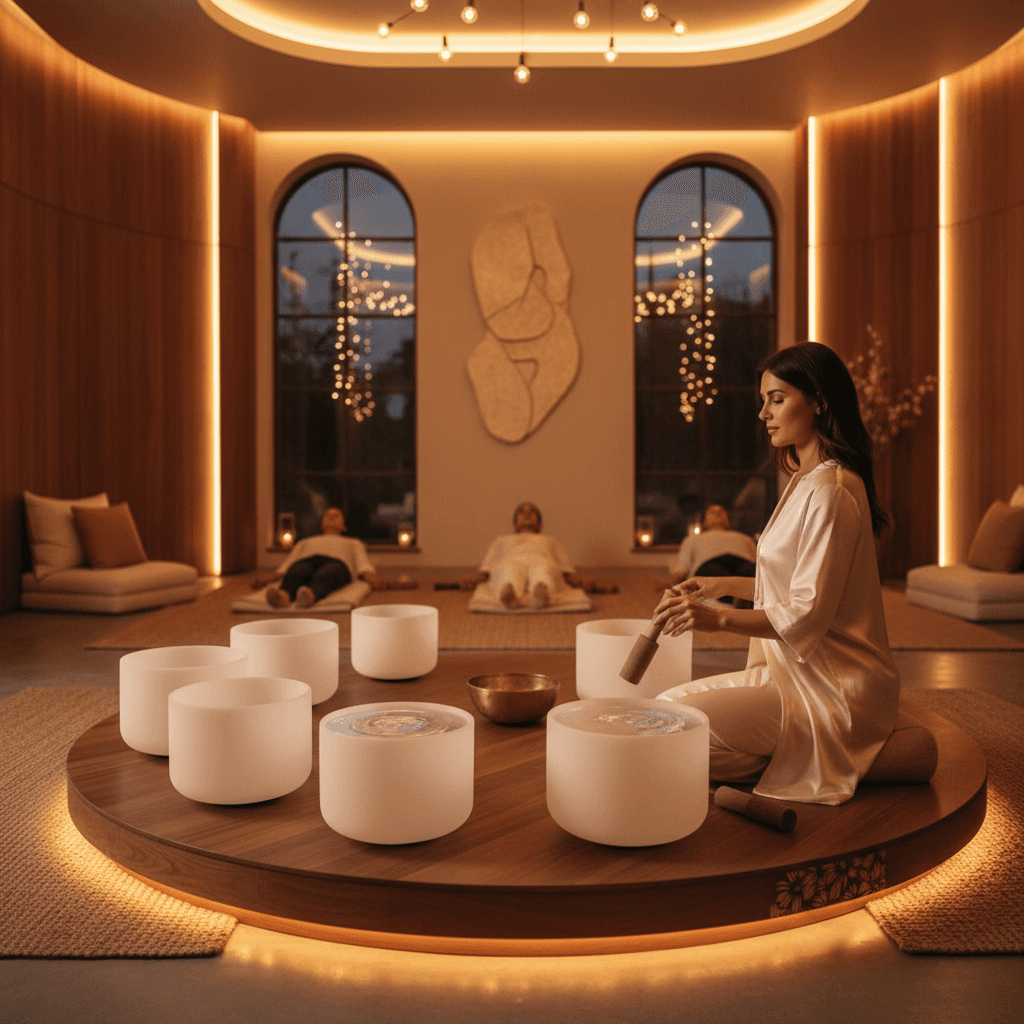
The Role of Sound in Cultural Death Practices
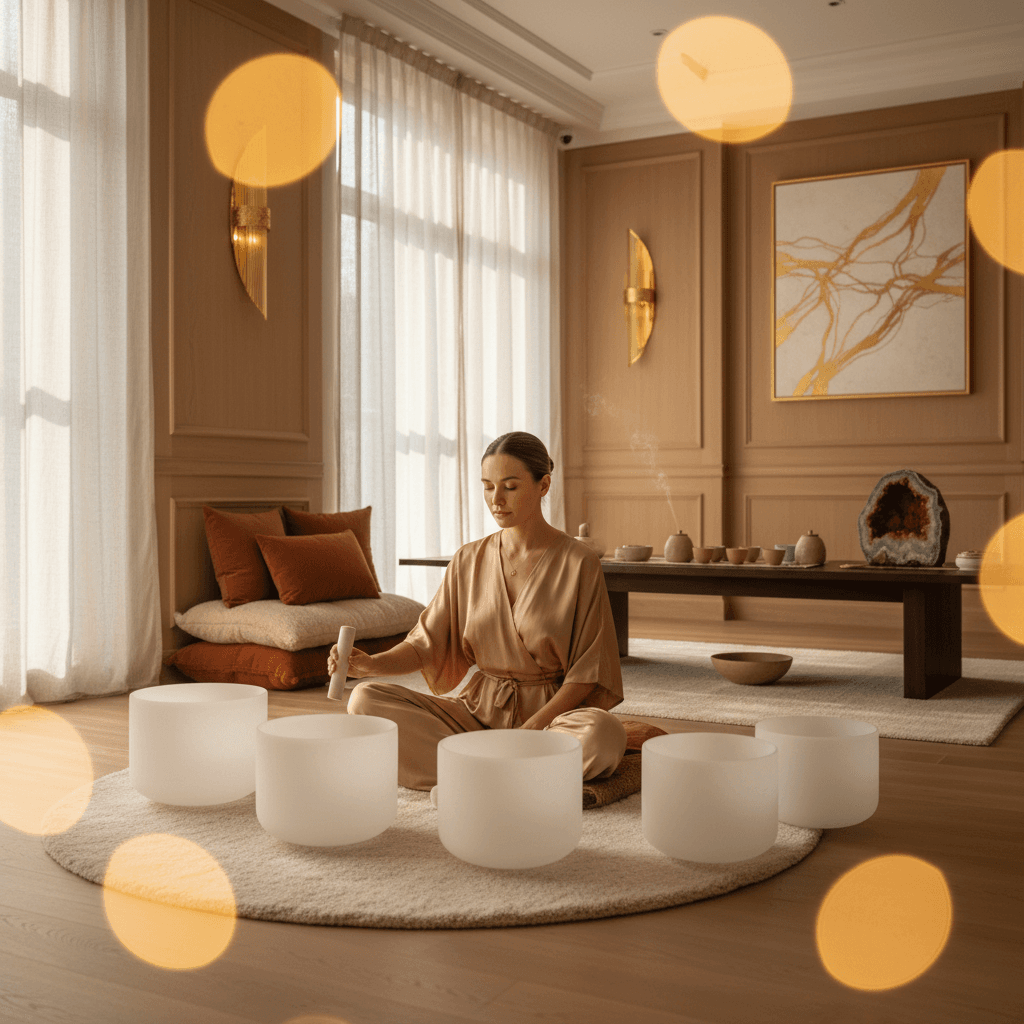
Death Doulas & Sound: Enhancing Peace in End-of-Life Journeys

Sound's Gentle Embrace: Supporting Late Alzheimer's with Sonic Wellness