Navigating Parental Loss: Sound Wellness for Adult Children
Key Insights
Explore how sound wellness, guided by Larissa Steinbach at Soul Art Dubai, may support adult children coping with the complex grief of parental death, backed by scientific insights.
The passing of a parent, regardless of our age, remains one of life’s most profound transitions. For adult children, this loss isn't just an event; it's a seismic shift that reverberates through psychological, emotional, and even physical landscapes. Many assume that adulthood somehow inoculates us against the deep impact of parental death, but scientific evidence suggests otherwise.
This article delves into the intricate ways parental loss affects adult children, exploring the nuances of grief, identity, and wellbeing. We will uncover how modern science illuminates these complex experiences and how ancient, yet scientifically-backed, practices like sound wellness, expertly offered by Larissa Steinbach at Soul Art in Dubai, may offer profound support. Join us as we explore how the power of sound can provide a gentle, yet powerful, pathway toward navigating this unique journey of bereavement.
The Science Explained: Unpacking the Impact of Parental Loss
The death of a parent, even when anticipated, can profoundly impact an adult child's psychological and physical well-being. Far from a simple chapter closure, it initiates a complex process of adaptation that can reshape an individual's sense of self and future. Researchers consistently highlight the need for greater attention to this significant life event, acknowledging its wide-ranging effects.
Psychological and Physical Repercussions
Studies reveal numerous problematic effects of parent death for adult children, impacting both mental and physical health. These can include heightened depressive symptoms, increased anxiety, and a general decline in overall wellbeing. The duration and intensity of these effects can vary significantly from person to person.
Physical manifestations are also common, with some research indicating that men, in particular, may experience more pronounced negative physical health effects. This suggests a deeply interconnected relationship between emotional distress and the body's physiological responses to loss. The experience of grief is not solely emotional; it is a full-body experience.
Generational Succession and Identity Shifts
The loss of a parent often signals a move up the "generational ladder," a concept highlighting the shift in one's place within the family structure and, by extension, within society. For many, the death of a second or last surviving parent can trigger a particularly strong psychological impact, leading to a profound re-evaluation of personal identity and life roles. This shift may also lead to better relationships with one's own children, as focus redirects to the next generation.
This transition can bring a stark awareness of one's own mortality and aging. Watching parents' health decline and eventually pass can increase concerns about personal aging and potential future challenges, influencing one's subjective age identity. It's a poignant reminder of life's finite nature and the inevitable progression of time.
Nuances of Grief: Gender, Timing, and Family Dynamics
The experience of parental grief is not monolithic; it varies by individual circumstances. Gender differences, for instance, are often noted, with some studies suggesting that the death of a father may lead to more negative effects for sons, while the death of a mother may have a greater impact on daughters. These findings underscore the intricate nature of parent-child bonds.
The timing of loss also plays a significant role in mental health responses. Research using fine-grained monthly timescales shows that mental health declines can be deeper and faster than previously documented, especially in the initial months following the loss. The most significant decline in mental health, around 10 points, occurred among daughters one to two months after their mother's death, highlighting the intense immediate impact. Recovery can also occur faster on a monthly scale than annual assessments suggest.
Furthermore, pre-existing family dynamics can influence the grieving process. Young adults who experienced parental death in the context of a prior parental divorce showed a significantly higher risk of prolonged grief, complicated grief, bodily distress syndrome, and even alcohol misuse. This suggests that complex family histories can add layers of challenge to an already difficult experience.
The Brain's Response to Stress and Trauma
Grief, particularly traumatic grief, activates the body's stress response systems, including the hypothalamic-pituitary-adrenal (HPA) axis. This system is responsible for regulating cortisol, the stress hormone, and its prolonged activation can lead to inflammation and dysregulation within the nervous system. The persistent feeling of yearning for the deceased, coupled with a lack of acceptance of the loss, can keep the body in a state of heightened alert.
A "transitional events model" is a useful framework for understanding bereavement, framing it as a major stressful life event requiring adaptation. This model helps contextualize the array of physical and psychological symptoms as the body and mind attempt to adjust to a new reality. Support during this period is critical for fostering positive adaptation and resilience.
"The deep impact of parental loss on adult children demands our compassionate attention and innovative approaches to support their journey through grief and toward renewed well-being."
How It Works in Practice: Sound for Grieving Hearts
Recognizing the profound impact of parental loss, many are seeking holistic wellness practices that may complement traditional support systems. Sound wellness, with its rich history and emerging scientific backing, offers a gentle yet powerful avenue for emotional processing and nervous system regulation. It provides a unique space for individuals to simply be with their grief.
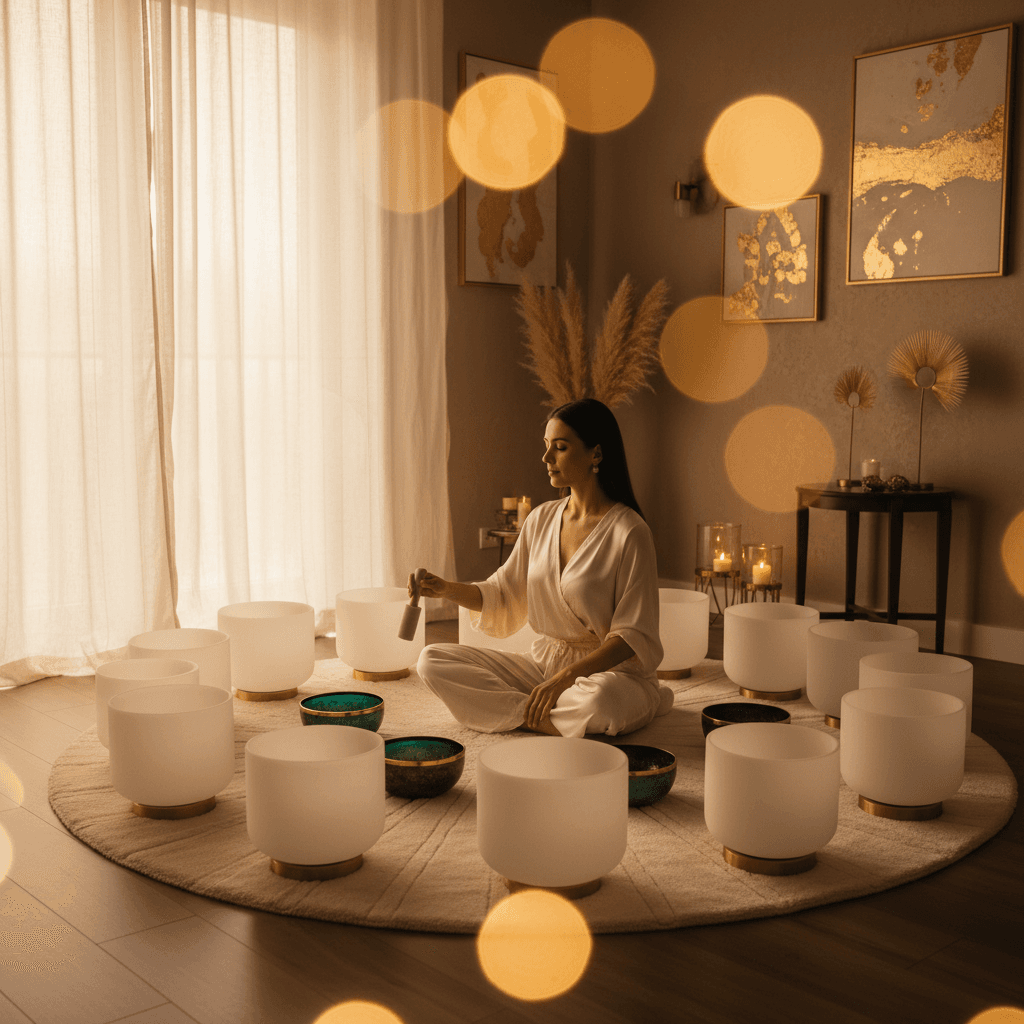
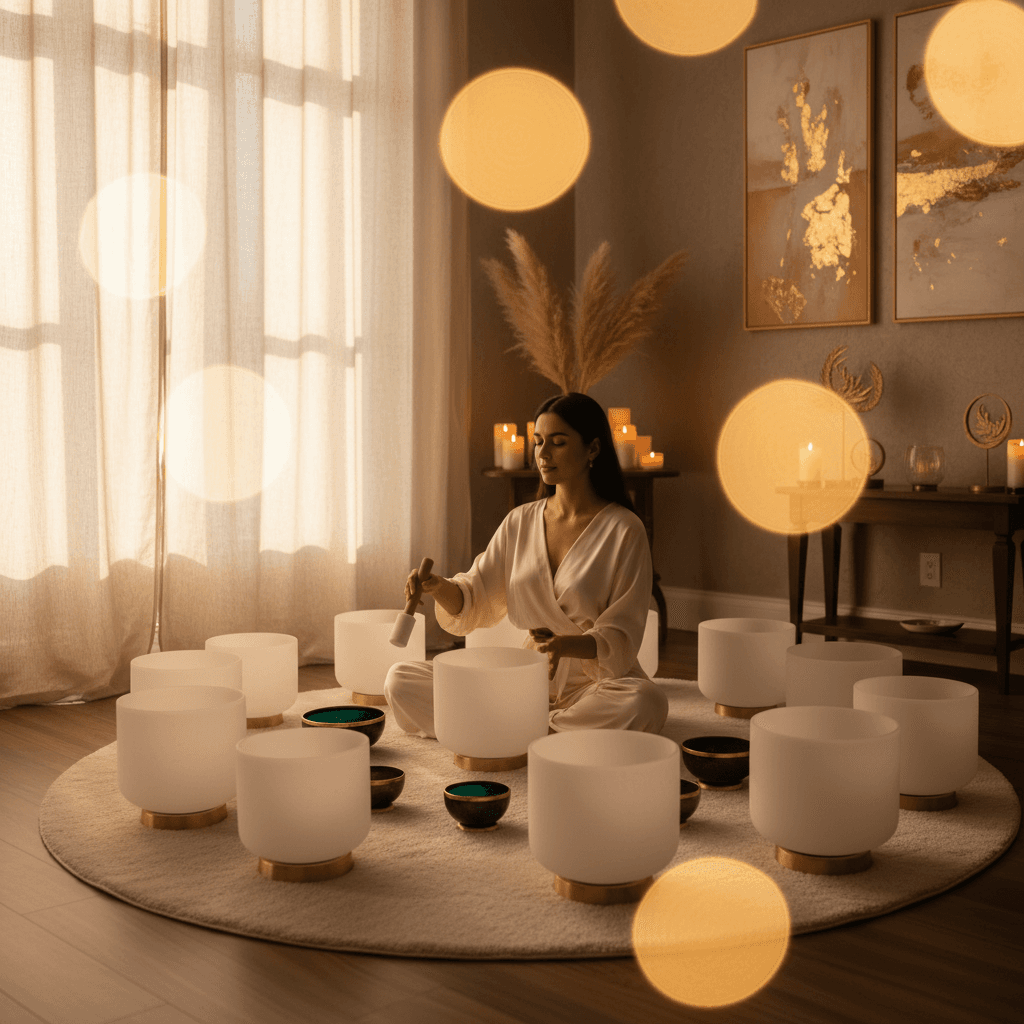
When you enter a sound wellness session, such as those offered at Soul Art, the environment itself is crafted for tranquility and comfort. The subtle lighting, calming aromas, and carefully arranged instruments create an immediate sense of refuge. This intentional setup encourages a shift from the external demands of daily life to an internal focus, essential for processing complex emotions.
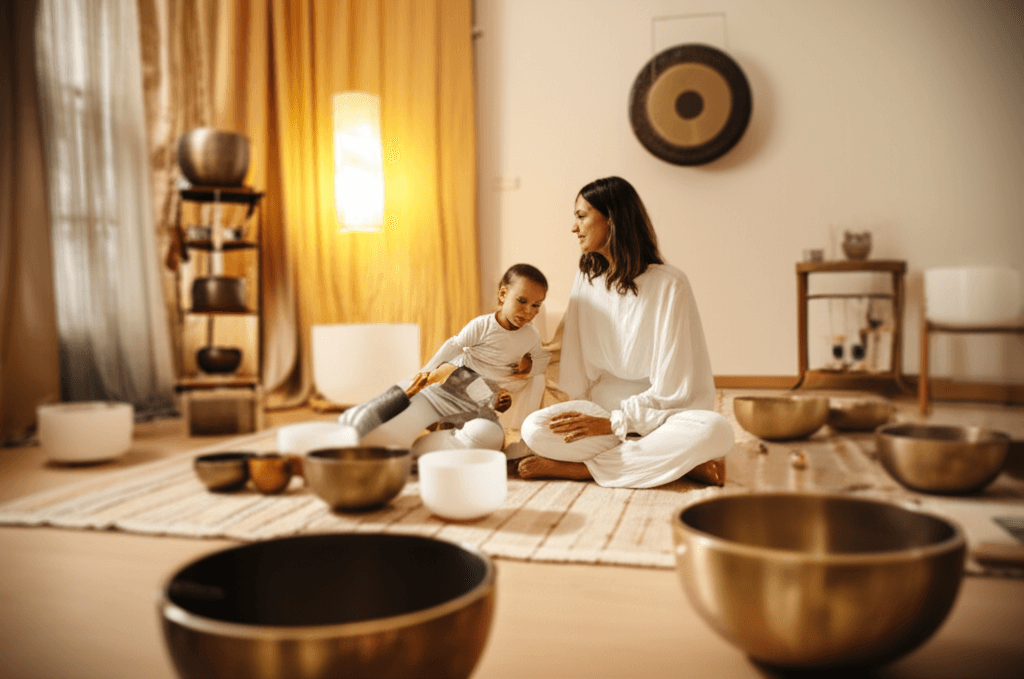
As the session begins, a symphony of gentle, resonant tones fills the space, created by instruments like crystal singing bowls, gongs, and chimes. These sounds are not merely auditory; they are felt on a cellular level, vibrating through the body and often inducing a state of deep relaxation. This physiological response is believed to be crucial for modulating the stress response.
The immersive experience aims to guide the brain into slower brainwave states, such as alpha and theta, which are associated with deep relaxation, meditation, and emotional processing. In these states, the nervous system may shift from a "fight or flight" (sympathetic) dominance to a "rest and digest" (parasympathetic) state. This shift can help to calm the physiological arousal often accompanying intense grief and anxiety.
Many people report a release of tension, a reduction in mental chatter, and a sense of emotional clarity during and after sound sessions. The non-verbal nature of sound allows for a processing of emotions that might be difficult to articulate through words alone. It offers a safe container for grief to simply exist without judgment.
The consistent practice of sound wellness may support the body's natural ability to self-regulate and restore balance. By repeatedly nudging the nervous system towards a state of calm, it can help adult children build resilience against the ongoing stressors associated with bereavement. It becomes a dedicated space for self-care and gentle healing.
The Soul Art Approach: Larissa Steinbach's Unique Method
At Soul Art in Dubai, Larissa Steinbach leads with a philosophy deeply rooted in empathy, scientific understanding, and the transformative power of sound. Her approach to supporting adult children through parental grief is meticulously designed to be both deeply personal and universally resonant. Larissa understands that grief is not a linear process, and her sessions reflect this nuanced reality.
Larissa's method goes beyond simply playing instruments; it involves curating a precise sonic experience tailored to individual needs. She carefully selects specific frequencies and instruments known for their potential to induce states of deep relaxation and emotional release. Her expertise allows her to craft soundscapes that may support the nervous system in finding its way back to equilibrium.
A signature element of the Soul Art experience is the use of high-quality crystal singing bowls, tuned to specific energetic centers, alongside powerful gongs and Himalayan bowls. These instruments produce rich, sustained vibrations that permeate the body, aiming to release energetic blockages and promote a sense of inner harmony. The quality of the sound is paramount, ensuring a truly immersive and profound experience.
Larissa also integrates guided visualization and breathwork into her sound sessions. These complementary practices enhance the overall effect, inviting participants to connect more deeply with their inner landscape and gently process difficult emotions. The breath acts as an anchor, helping to ground individuals as they navigate the depths of their feelings.
What makes Larissa Steinbach's method truly unique is her blend of intuitive understanding with a grounded scientific perspective. She ensures that while the experience is deeply spiritual for many, its foundations are rooted in understanding the physiological and neurological impacts of sound on the human body. This thoughtful combination provides both comfort and credibility.
Soul Art sessions provide a sanctuary where adult children can honor their parents' legacy while also tending to their own evolving sense of self. It's about acknowledging the loss, processing its emotional weight, and gently moving forward with renewed strength. The focus is always on holistic well-being and supporting the individual’s inherent capacity for resilience.
Your Next Steps: Embracing Sound for Wellness
Navigating parental grief is a deeply personal journey, and finding supportive practices can make a significant difference. Integrating sound wellness into your self-care routine may offer a gentle yet powerful way to process emotions, reduce stress, and find moments of profound peace amidst the complexity of loss. You don't have to carry the weight alone.
Here are a few actionable steps you can take to explore the potential benefits of sound for your well-being:
- Mindful Listening Practice: Dedicate 10-15 minutes daily to listening to calming, resonant music or sound bath recordings. Focus purely on the sounds and your breath, allowing your mind to quiet. This simple practice can help train your nervous system to relax.
- Journal Your Experience: After a sound session or mindful listening, take a few moments to journal any thoughts, feelings, or sensations that arose. This can help you process emotions and gain clarity, enhancing the reflective benefits of sound.
- Prioritize Rest and Hydration: Grief is physically and emotionally draining. Ensure you are getting adequate rest and staying well-hydrated, as these fundamental self-care practices amplify the benefits of any wellness modality, including sound.
- Connect with a Trusted Practitioner: Consider exploring professional sound wellness sessions, such as those offered by Larissa Steinbach at Soul Art. A skilled practitioner can guide you through a personalized experience, optimizing the potential benefits for your specific needs.
- Integrate Gentle Movement: Combine sound practices with gentle movement like slow stretching or walking. This holistic approach can help release physical tension held in the body, which is often associated with grief.
Remember, self-care is not selfish; it is essential. By intentionally creating space for your well-being, you honor both yourself and the enduring legacy of your loved ones. Soul Art is here to support you on this journey.
In Summary: A Harmonic Path to Healing
The death of a parent marks a significant turning point for adult children, influencing psychological, physical, and identity aspects profoundly. Scientific research consistently underscores the long-lasting and varied impacts of this loss, highlighting the need for compassionate and effective support systems. Grief is a journey that requires careful navigation, not suppression.
Sound wellness, as expertly practiced by Larissa Steinbach at Soul Art in Dubai, offers a complementary approach to navigating this complex terrain. By creating immersive sonic environments that may support nervous system regulation and emotional release, it provides a unique pathway for processing grief. This practice aims to foster resilience, emotional clarity, and a deeper sense of peace, allowing adult children to honor their loss while gently moving forward. Embracing the resonant power of sound can be a meaningful step on your path to holistic well-being.
Bookings Coming Soon
Soul Art is still in preparation. Session details and booking will be published here after launch.
Coming Soon
Wellness Disclaimer: This article is for educational and informational purposes only. It does not constitute medical advice, diagnosis, or treatment. Soul Art Dubai provides non-medical wellness experiences focused on relaxation, stress management, and general wellbeing. Sound wellness is a complementary practice and should not replace professional medical care.