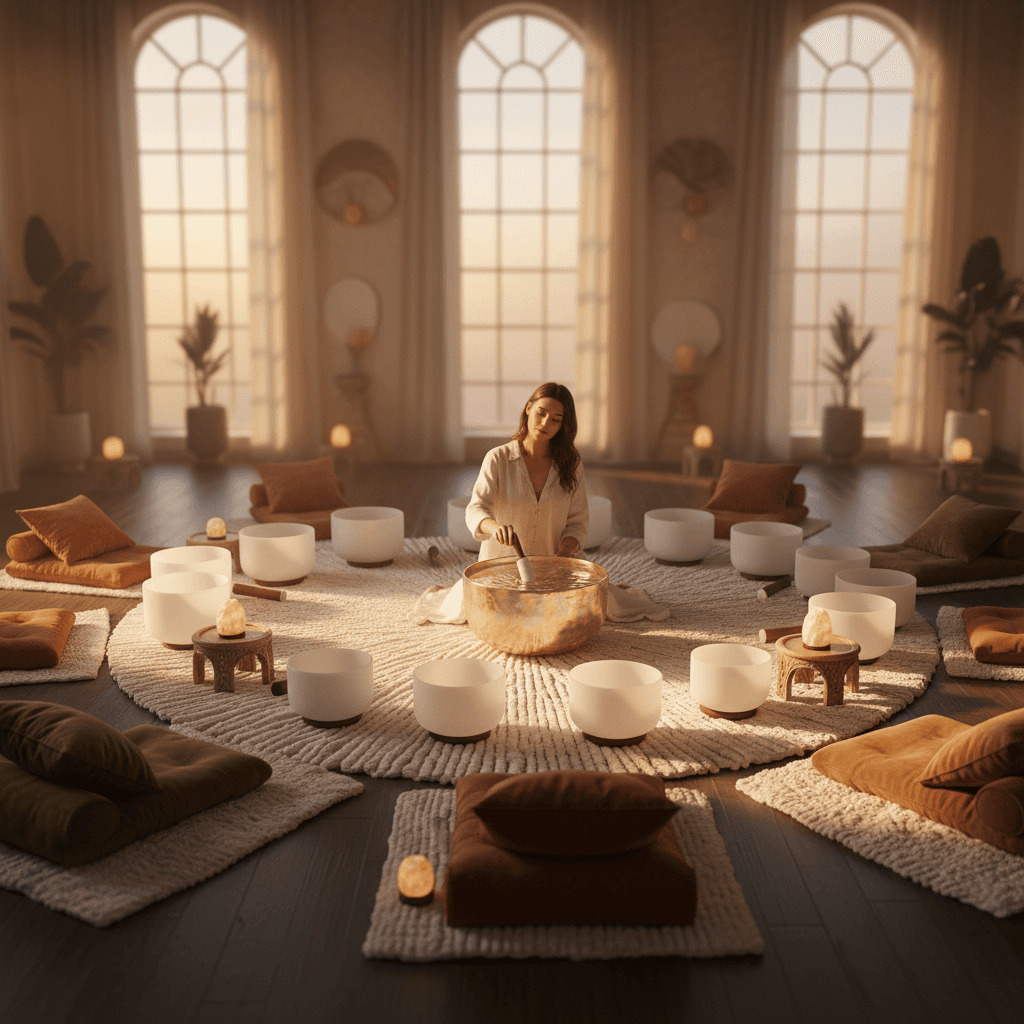
Sound for Serenity: Palliative Comfort Through Vibrational Wellness

Key Insights
Explore how sound wellness offers profound comfort and relief in palliative care, enhancing well-being for individuals on their journey. Discover Soul Art's unique approach.
Sound for Serenity: Palliative Comfort Through Vibrational Wellness
Imagine finding moments of deep tranquility and a gentle easing of discomfort, even amidst life's most challenging phases. For individuals navigating palliative care, the pursuit of comfort and well-being becomes paramount. While conventional medicine plays a vital role, a growing body of scientific inquiry is illuminating the profound potential of complementary practices, particularly sound wellness.
At Soul Art, Dubai's premier sound wellness studio, founded by the visionary Larissa Steinbach, we understand that true comfort encompasses the mind, body, and spirit. This article delves into how scientifically-grounded sound experiences can offer significant palliative comfort, providing a gentle, non-invasive avenue for relaxation and pain management. Join us as we explore the intricate science behind sound's therapeutic power and how it translates into tangible benefits for those seeking solace and support. We will unravel how specific frequencies and vibrations can create an environment conducive to deep rest, emotional regulation, and a renewed sense of peace, enhancing the quality of life when it matters most.
The Science Explained: How Sound Soothes
The human body is an intricate orchestra, constantly responding to its environment. Sound, more than just auditory input, is a form of vibrational energy that interacts deeply with our physiological and neurological systems. This interaction forms the basis of its profound impact on comfort and pain perception.
Neuroscience of Sound and Pain Relief
When we experience sound, particularly harmonious and calming frequencies, our brain responds in measurable ways. Research indicates that listening to music can significantly alter brain activity, influencing areas associated with pain processing and emotional regulation. This may lead to a reduction in the unpleasantness of pain, as highlighted by studies using EEG to observe neural responses.
Music and sound interventions can act as powerful distractions, shifting focus away from discomfort. This cognitive redirection is not merely superficial; it actively engages neural pathways, competing with pain signals for the brain's attention. Moreover, sound has been associated with the release of neurochemicals such as endorphins, which are natural pain relievers, and oxytocin, known for promoting feelings of connection and well-being.
Physiological Responses to Vibrational Frequencies
Beyond the brain, sound directly influences the body's physiological state. Gentle, sustained vibrations, often produced by instruments like the Body Tambura or singing bowls, can induce a state of deep physical relaxation. This relaxation is often accompanied by a reduction in muscle tension and a calming effect on the autonomic nervous system.
The "Body Tambura," a specialized instrument used in music therapy, has shown remarkable results in diverse populations. Unpublished research on its application, including in Japan, India, and Germany, revealed effects such as deep physical relaxation, relaxation of breathing, and a general calming effect. Participants consistently reported a reduction of physical pain, alongside feelings of joy and happiness. These physiological shifts are crucial for individuals in palliative care, where deep relaxation can alleviate secondary symptoms often exacerbated by pain and anxiety.
Sound as a Complementary Modality in Palliative Care
The integration of sound as a complementary pain management strategy is gaining significant traction within healthcare. Studies demonstrate that music can serve as an adjunctive treatment, potentially lowering the requirement for pharmacological analgesics in both acute and chronic pain conditions. This is particularly valuable in palliative settings, where managing medication side effects is a constant consideration.
Empirical studies, such as those evaluating music's effects on terminally ill patients, suggest its potential to enhance pain relief and relaxation. While some early research indicated no statistically significant differences across various interventions, graphic analysis of individual responses consistently pointed towards music's effectiveness. This highlights the deeply personal nature of pain and the individualized benefit that sound wellness may offer. More recent and robust studies continue to solidify this understanding, showing that music therapy can lead to clinically significant reductions in pain, stress, and anxiety.
How It Works in Practice: The Client Experience
Stepping into a sound wellness session at Soul Art is an immersion into gentle tranquility. The experience is designed to be deeply personal and profoundly non-invasive, offering a sanctuary for the senses. Clients are guided into a state of deep relaxation through carefully curated soundscapes and vibrational frequencies.
A Journey of Gentle Immersion
The session typically begins with an invitation to settle into a comfortable position, often reclining, allowing the body to relax fully. As the sound journey commences, the air fills with resonant tones from instruments chosen for their specific vibrational qualities. These may include crystal singing bowls, gongs, or the grounding hum of a Body Tambura, which is gently placed on or near the body.
The sound waves create a sonic field that permeates the space, and the gentle vibrations of certain instruments can be felt directly. This tactile sensation, combined with the auditory experience, helps to quiet the mind and draw attention away from areas of discomfort. Many people report feeling a sense of weightlessness or a peaceful detachment from their physical surroundings.
The Mechanism of Comfort and Pain Shift
The sustained, harmonious frequencies emitted during a session guide the brain into slower wave states, such as alpha and theta, which are associated with deep relaxation and meditation. In these states, the body’s natural healing mechanisms are encouraged, and the nervous system shifts from a "fight or flight" response to a "rest and digest" state. This physiological shift is crucial for mitigating pain signals.
The experience is less about eliminating pain and more about changing one’s relationship with it. By fostering deep relaxation and emotional regulation, sound helps to reduce the intensity and unpleasantness of pain, alongside ancillary symptoms like anxiety and fatigue. Clients often describe a profound sense of calm, where pain becomes less focal and more manageable, sometimes fading into the background of their awareness.
Cultivating Connection and Emotional Release
The compassionate and confidential setting of a sound wellness session, particularly beneficial in palliative care, allows for moments of positive encounter and emotional processing. The Body Tambura research, specifically in German hospices, underscored how such settings facilitate a positive connection not only with the therapist but also with oneself or loved ones. This emotional anchoring can be incredibly empowering.
Many clients find that the deep relaxation induced by sound allows for a gentle release of emotional tension or anxiety that often accompanies pain. It's a space where feelings of joy and happiness can emerge, even fleetingly, offering a vital respite. The holistic nature of the experience supports emotional well-being, which is intrinsically linked to physical comfort.
The Soul Art Approach: Larissa Steinbach’s Vision
At Soul Art, Larissa Steinbach has meticulously crafted a unique sound wellness experience rooted in both scientific understanding and profound empathy. Her approach is a testament to the transformative power of personalized care, especially for those seeking comfort in palliative settings. Soul Art isn't merely a studio; it's a sanctuary designed for deep healing and genuine connection.
Tailored Experiences for Individual Needs
Larissa Steinbach's philosophy emphasizes the deeply individualized nature of comfort. Recognizing that each person's experience of pain and need for solace is unique, Soul Art offers highly personalized sound sessions. These are carefully designed to resonate with the client's specific sensitivities, preferences, and current state of well-being.
During initial consultations, Larissa or her trained practitioners take the time to understand the client's journey, including their preferred music styles, areas of discomfort, and emotional landscape. This allows for the curation of specific instruments, frequencies, and guided meditations that are most likely to provide comfort and benefit, ensuring the experience is as effective and nurturing as possible. Whether it's the grounding resonance of a Body Tambura or the ethereal tones of crystal bowls, each element is thoughtfully selected.
The Art of Orchestrated Resonance
The Soul Art method integrates a range of exquisite instruments, including bespoke gongs, crystal singing bowls, and the remarkable Body Tambura, known for its unique vibrational qualities. Larissa Steinbach masterfully orchestrates these instruments to create immersive soundscapes that are both calming and deeply restorative. The intention is to envelop the client in a field of gentle, coherent vibrations.
The use of live sound, as opposed to recorded music, allows for a dynamic and responsive session, tailoring the sonic journey in real-time to the client's unfolding experience. This interactive element, particularly when combined with guided imagery or gentle vocal toning (an "active" intervention), may offer enhanced benefits for pain reduction, as suggested by some research contrasting active versus receptive music therapy. The skilled application ensures that even subtle shifts in a client’s state can be met with an adjustment in the soundscape.
A Sanctuary for Connection and Well-being
Larissa Steinbach has cultivated an environment at Soul Art where trust and confidentiality are paramount. This fosters a space where clients feel safe to be vulnerable, to relax deeply, and to openly share their experiences if they choose. This supportive atmosphere is crucial for creating the "confidential therapeutic setting" identified in research as vital for profound positive encounters.
"True comfort isn't just the absence of pain; it's the presence of peace, dignity, and connection within oneself. Sound wellness provides a gentle pathway to this profound inner sanctuary, offering a unique form of solace when it's needed most." – Larissa Steinbach
By focusing on holistic well-being—addressing emotional, mental, and physical states—Soul Art provides a complementary approach that respects the totality of an individual's experience in palliative care. It's about providing dignity and a sense of calm, allowing for moments of profound respite from discomfort and anxiety.
Your Next Steps: Embracing Sound for Comfort
For those seeking complementary avenues for pain management and enhanced comfort, particularly within the context of palliative care, integrating sound wellness can be a meaningful step. It's a gentle, non-pharmacological approach that may support overall well-being.
Here are some practical considerations for exploring sound for palliative comfort:
- Consult Your Healthcare Provider: Always discuss any new wellness practices with your medical team. Sound wellness is a complementary approach and should be integrated alongside, not as a replacement for, professional medical treatment and advice.
- Explore Personalized Sessions: Seek out practitioners who offer individualized sessions tailored to your unique needs and comfort levels. This ensures the experience is optimized for your specific preferences and current condition, maximizing potential benefits.
- Consider Live Sound Experiences: While recorded music offers benefits, preliminary studies indicate that live-music interventions, and even active participation (like gentle vocal toning or guided imagery), may offer deeper levels of engagement and potentially greater impact on pain reduction.
- Focus on Relaxation and Emotional Support: Understand that sound wellness primarily supports relaxation, stress management, and emotional regulation. These elements are key to influencing pain perception and enhancing overall comfort and quality of life.
- Experience Soul Art's Sanctuary: We invite you to discover the serene environment and expertly guided sound journeys at Soul Art. Larissa Steinbach and her team are dedicated to providing a compassionate space where you can experience the profound, gentle comfort that vibrational wellness offers.
In Summary: The Harmonious Path to Palliative Comfort
The journey through palliative care is deeply personal, often marked by a search for comfort, dignity, and peace. Sound wellness, through its scientifically understood impact on the nervous system, emotional regulation, and pain perception, emerges as a powerful complementary tool. It offers a gentle, non-pharmacological pathway to support deep relaxation, alleviate physical discomfort, and foster emotional well-being.
Preliminary studies and anecdotal evidence consistently suggest that sound interventions can significantly reduce pain unpleasantness, stress, and anxiety, providing moments of joy and connection. At Soul Art, Larissa Steinbach and her team are dedicated to bringing this profound comfort to individuals, crafting personalized sound experiences that honor each person's unique journey. Embrace the soothing frequencies that can transform moments of challenge into opportunities for serenity and solace.
Bookings Coming Soon
Soul Art is still in preparation. Session details and booking will be published here after launch.
Coming Soon
Wellness Disclaimer: This article is for educational and informational purposes only. It does not constitute medical advice, diagnosis, or treatment. Soul Art Dubai provides non-medical wellness experiences focused on relaxation, stress management, and general wellbeing. Sound wellness is a complementary practice and should not replace professional medical care.
Related Articles
The Role of Sound in Cultural Death Practices
Death Doulas & Sound: Enhancing Peace in End-of-Life Journeys
Sound's Gentle Embrace: Supporting Late Alzheimer's with Sonic Wellness