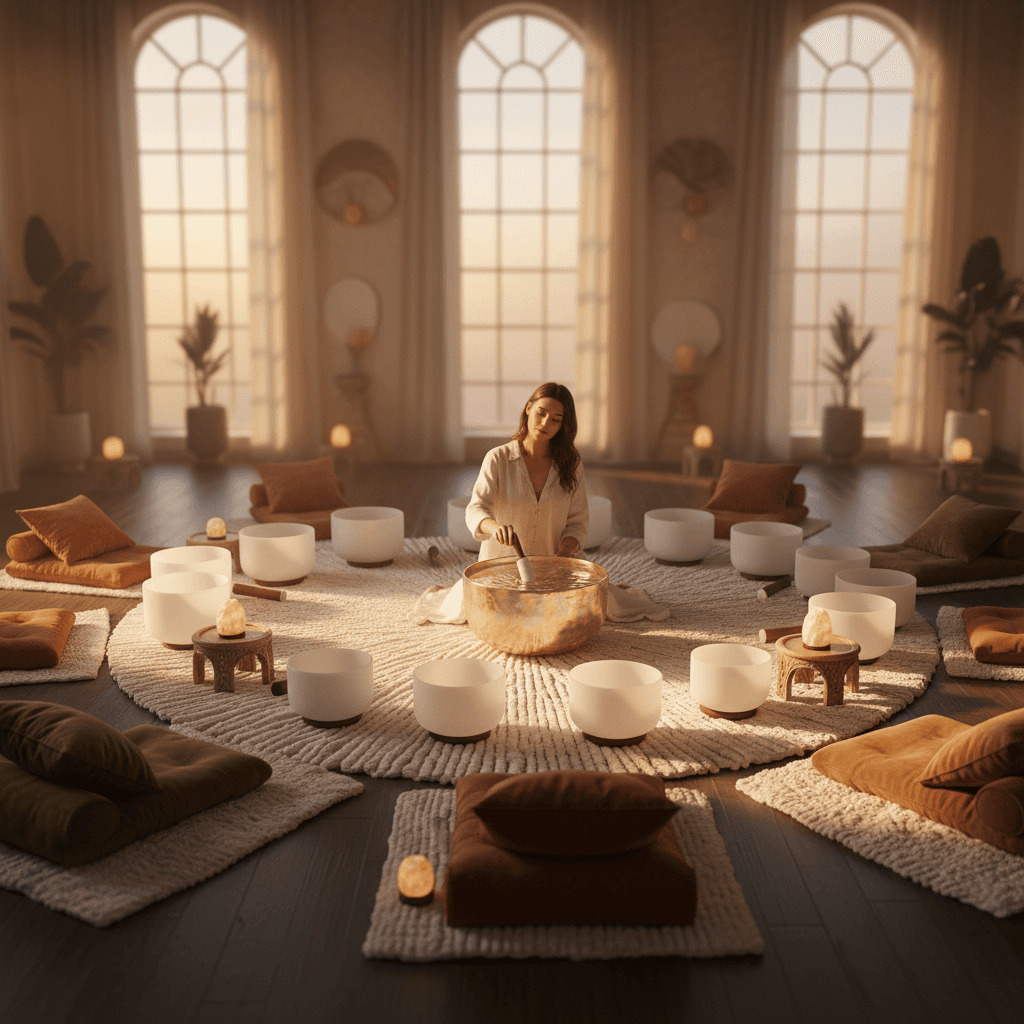
Harmonic Comfort: Sound Wellness in End-of-Life Care
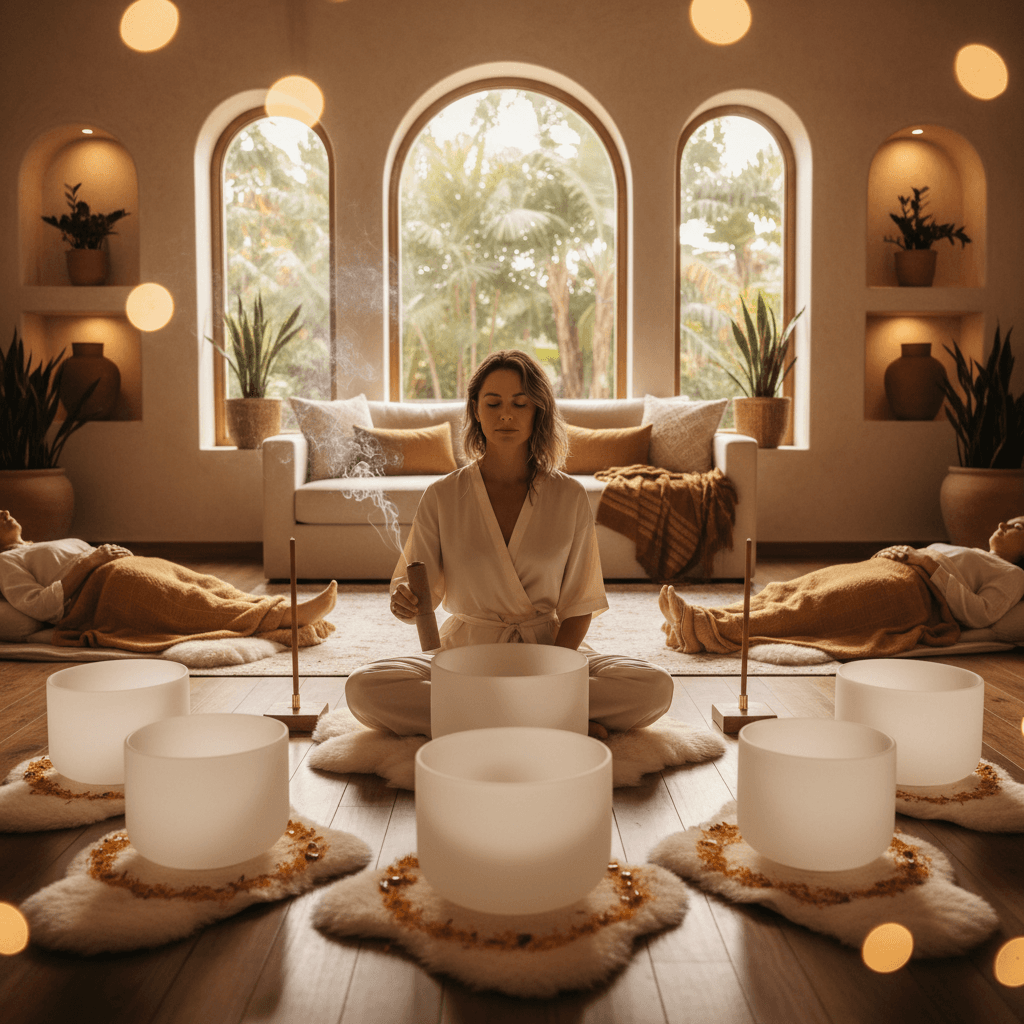
Key Insights
Explore how sound wellness, a complementary practice by Soul Art Dubai's Larissa Steinbach, offers peace and comfort in nursing home end-of-life care.
Harmonic Comfort: Sound Wellness in End-of-Life Care for Nursing Home Residents
Imagine a serene soundscape, a gentle embrace of vibrations that may quiet the mind, ease the body, and foster a profound sense of peace. For many facing the complex journey of end-of-life care, particularly within nursing home settings, such moments of tranquility can feel elusive. While medical advancements have focused on physical symptom management, the emotional and psychological dimensions of dying often remain underserviced.
Recent systematic reviews and extensive literature highlight a significant dearth of research and innovative solutions aimed at improving the overall quality of end-of-life care in nursing homes. What is available primarily documents suboptimal care and a critical need for holistic approaches that extend beyond basic medical intervention. This presents a unique opportunity for complementary wellness practices to step in.
At Soul Art Dubai, under the visionary leadership of Larissa Steinbach, we believe that the profound power of sound wellness may offer a vital, gentle pathway to comfort, dignity, and a deeper sense of connection during this most sensitive phase of life. This article will explore the scientific underpinnings and practical applications of integrating sound for end-of-life care, offering a compassionate perspective on enhancing well-being when it matters most.
The Science Explained: How Sound Shapes Our Inner Landscape
The journey of end-of-life care, particularly in nursing homes, is often characterized by significant physical and psychological challenges. Research consistently points to suboptimal quality of care in many facilities, with areas like pain management, communication, and emotional support frequently identified as needing improvement. There is a documented need for creative and innovative solutions to enhance the quality of life and dying for residents.
This is where the burgeoning field of sound wellness offers a compelling, complementary approach. The human body is a finely tuned instrument, exquisitely responsive to vibrations and frequencies. When we introduce specific sounds, we engage intricate physiological and neurological pathways that may influence our entire being.
The Auditory-Neural Connection
Sound waves enter the ear and are converted into electrical signals that travel directly to the brain. These signals don't just register as "hearing"; they activate numerous brain regions, including those responsible for emotion, memory, and autonomic functions. The auditory cortex processes the sound, but its influence extends far beyond, triggering responses in the limbic system, which governs emotions, and the brainstem, which regulates basic life functions like breathing and heart rate.
Different sound frequencies and rhythmic patterns have been associated with influencing various brainwave states. For instance, slow, sustained tones often encourage the brain to shift from beta waves (associated with active, alert thought) towards alpha (relaxed, calm wakefulness) and even theta waves (deep relaxation, meditation, light sleep). This brainwave entrainment may help mitigate the anxiety and distress often experienced at the end of life.
The Vagus Nerve and Parasympathetic Response
One of the most significant pathways through which sound may exert its calming effects is via the vagus nerve. This cranial nerve is a crucial component of the parasympathetic nervous system, often dubbed the "rest and digest" system. When activated, the vagus nerve helps slow heart rate, regulate breathing, and reduce inflammation, promoting a state of physiological calm.
Certain low-frequency vibrations and sustained tonal sounds, characteristic of sound wellness practices, are thought to gently stimulate the vagus nerve. This stimulation may help to downregulate the body's stress response, shifting it away from the "fight or flight" (sympathetic) state that can be heightened by pain, fear, and discomfort. For individuals in end-of-life care, this shift can translate into a tangible reduction in perceived stress and an increased sense of bodily ease.
Modulating Pain Perception and Stress Hormones
The concept of music therapy, closely related to sound wellness, has shown promising avenues for enhancing well-being in palliative care. A narrative review on the biological effects of music therapy in end-of-life care highlights that interventions, especially when individualized, "may modulate parameters like heart rate, blood pressure, stress hormone levels, and pain perception." This scientific understanding suggests that the carefully chosen frequencies and vibrations used in sound wellness practices can similarly support these outcomes.
Specific frequencies may influence the release of neurotransmitters such as endorphins, which are natural pain relievers, and reduce levels of stress hormones like cortisol. While sound wellness is not a substitute for medical pain management, it can serve as a complementary approach to help manage discomfort and enhance feelings of tranquility. The auditory and vibrational input provides a gentle distraction from internal physical sensations, allowing the mind to focus on external, soothing stimuli.
Addressing the Psychological and Emotional Landscape
Beyond the physiological, sound wellness touches the deep psychological and emotional aspects of end-of-life. The journey can be isolating, marked by anxiety, depression, and existential distress for residents and their families. Communication challenges are also prevalent, particularly for those with cognitive impairments like dementia, where verbal exchange may be difficult.
Sound offers a non-verbal, non-invasive form of communication and comfort. It bypasses cognitive barriers, potentially reaching individuals in a profound way, offering a sense of connection and presence even when other forms of interaction are strained. Preliminary studies and anecdotal evidence suggest that consistent exposure to soothing soundscapes can reduce agitation, improve mood, and foster a sense of security and familiarity. This holistic approach, integrating both physiological and psychological support, fills critical gaps in conventional end-of-life care.
How It Works in Practice: A Gentle Symphony of Comfort
Bringing sound wellness into the sensitive environment of a nursing home for end-of-life care requires immense empathy, respect, and meticulous attention to individual needs. The approach is inherently gentle and non-invasive, designed to offer comfort without overwhelming. It's not about performance, but about creating an ambient, supportive space where peace can flourish.
A typical sound wellness session for a resident in end-of-life care is carefully curated. The practitioner, often working one-on-one or in a small, intimate setting, will assess the resident's current state, preferences, and sensitivities. The focus is always on fostering a sense of safety and relaxation. The room itself is often prepared to enhance the experience, perhaps with dimmed lighting, comfortable positioning, and minimal external distractions.
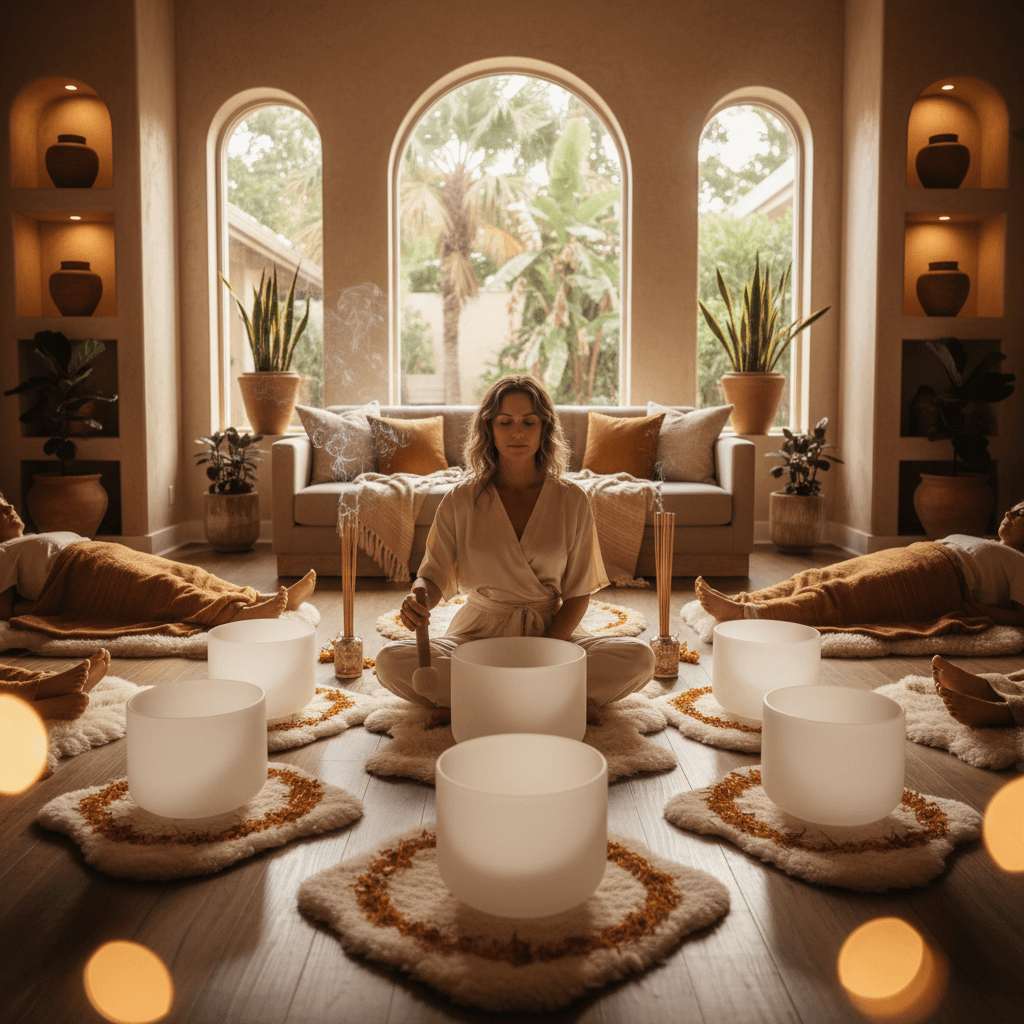
The experience primarily involves sustained, resonant tones and vibrations. Instruments such as Himalayan singing bowls, crystal bowls, gongs, and chimes are often employed. These instruments produce rich overtones and deep, palpable vibrations that travel through the air and the body. The sound is never jarring or loud; instead, it is a soft, continuous flow, a sonic tapestry woven with intention.
Residents may experience these vibrations in several ways. Some might feel a gentle resonance through their bed or chair as bowls are played nearby or even placed lightly on their body (with appropriate consent and medical guidance, always). Others simply absorb the sounds through their ears, allowing the frequencies to wash over them. The experience is often described as feeling profoundly held, grounded, and tranquil. Many people report a sensation of their physical body relaxing deeply, accompanied by a quietening of the mind.
This focus on sensory details is crucial. The sustained tones may help to quiet internal chatter, drawing attention away from discomfort or worries. The low-frequency vibrations may offer a grounding sensation, a gentle awareness of the present moment that can be deeply reassuring. For those experiencing anxiety or agitation, the rhythmic and predictable nature of the sounds can provide a sense of security and predictability in a phase of life often marked by uncertainty.
Ultimately, sound wellness aims to provide moments of respite, dignity, and calm. It's about enhancing the quality of each moment, fostering emotional expression, and helping residents connect with an inner sense of peace. This practice is a beautiful testament to the power of human connection and the subtle yet profound impact of intentional sound.
The Soul Art Approach: Larissa Steinbach's Vision for Compassionate Care
At Soul Art Dubai, our commitment to enhancing well-being extends to every phase of life, including the delicate journey of end-of-life care. Larissa Steinbach, our founder and lead practitioner, brings a profound sense of empathy, scientific understanding, and artistic sensitivity to her work. She recognizes that true well-being encompasses more than just the absence of illness; it is about cultivating inner peace, comfort, and connection, especially when time is precious.
Larissa's approach is meticulously designed and deeply personalized, reflecting Soul Art's philosophy of "Quiet Luxury" – a sophisticated, nuanced, and deeply human experience. She understands that individuals in end-of-life care require an especially gentle and respectful touch. Her method focuses on creating an environment of unconditional acceptance and profound calm.
What makes the Soul Art method unique in this context is its blend of evidence-informed practice with intuitive, compassionate delivery. Larissa meticulously selects instruments known for their therapeutic qualities and ability to produce specific vibrational frequencies. These include:
- Himalayan Singing Bowls: Hand-hammered bowls that produce rich, sustained overtones and palpable vibrations, often placed near or gently on the body to facilitate deep relaxation.
- Crystal Singing Bowls: Tuned to specific chakra frequencies, these bowls offer pure, resonant tones that may promote energetic balance and mental clarity.
- Gongs: Used sparingly and with extreme sensitivity, gongs can create expansive soundscapes that encourage deep meditative states and release.
- Tuning Forks: Calibrated to precise frequencies, these smaller instruments can be applied directly to the body or used around the energetic field to target specific areas of tension or promote a sense of equilibrium.
Larissa emphasizes individualized soundscapes. She does not employ a one-size-fits-all approach. Instead, she attunes to the resident's expressed needs, emotional state, and even their non-verbal cues. This might involve a very subtle, almost imperceptible sound experience for someone highly sensitive, or a more immersive yet still gentle session for another. The duration, intensity, and choice of instruments are all tailored to ensure maximum comfort and benefit.
Beyond the instruments, Larissa fosters an atmosphere of profound presence and dignity. She believes that the practitioner's intention and compassionate energy are as vital as the sound itself. This creates a sanctuary where residents, and often their visiting families, can find solace, release, and a renewed sense of connection amidst challenging circumstances. For caregivers in nursing homes, the presence of such a calming influence can also provide a moment of shared peace, subtly reducing their own stress levels that are frequently reported in the provided research. Soul Art's holistic approach serves as a beacon of comfort, recognizing that every life deserves to end with grace and serenity.
Your Next Steps: Embracing the Potential of Sound Wellness
The journey through end-of-life care is profoundly personal, and finding ways to enhance comfort and peace is paramount. Integrating sound wellness, while still an emerging field in some aspects of palliative care, offers a promising complementary approach that can bring solace to residents and their families. If you are considering how sound wellness might benefit a loved one or residents in a nursing home setting, here are some actionable steps you can take today:
- Open a Dialogue with Healthcare Professionals: Before introducing any new wellness practice, it is crucial to discuss it with the resident's primary care physician, palliative care team, or nursing home administration. Ensure they understand that sound wellness is a non-medical, relaxation-focused intervention, not a replacement for prescribed medical treatments.
- Research Reputable Providers: Look for sound wellness practitioners who specialize in sensitive populations or have experience in hospice or palliative care settings. Verify their training, approach, and commitment to ethical, empathetic practice. Larissa Steinbach and Soul Art Dubai maintain these high standards, offering a specialized and compassionate service.
- Start with Gentle Exploration: For a first introduction, consider a very short, subtle session. Observe the resident's reactions carefully and gather feedback from them (if possible) or their caregivers. The goal is to create comfort, not overwhelm.
- Focus on Customization: Emphasize that the sound experience should be highly personalized to the individual's preferences, sensitivities, and current physical or emotional state. A truly effective session is one that resonates deeply with the unique needs of the person receiving it.
- Educate and Involve Family Members: Inform family members about the potential benefits of sound wellness. Their understanding and support can create a more cohesive and comforting environment for their loved one. It may also provide them with a shared, peaceful experience.
By taking these thoughtful steps, you can explore how the gentle power of sound, as offered by Soul Art, may contribute to a more dignified, comfortable, and peaceful end-of-life experience.
In Summary: A Symphony of Serenity for Life's Final Chapter
The quest for enhanced comfort, dignity, and peace during end-of-life care in nursing homes remains a critical area needing innovation. Traditional care, while essential, often overlooks the profound emotional and psychological needs that arise during this delicate phase. Sound wellness presents itself as a compassionate, non-invasive complementary approach that may bridge these gaps, offering a unique pathway to tranquility.
Through carefully curated frequencies and vibrations, practices like those championed by Larissa Steinbach at Soul Art Dubai, aim to soothe the nervous system, reduce perceived stress, and foster an environment conducive to deep relaxation. It's a gentle invitation to experience moments of profound calm, supporting overall well-being for residents and offering solace to their families. In life's final chapter, the gift of serene sound may provide a comforting embrace, transforming a challenging journey into one marked by grace and quiet harmony.
Bookings Coming Soon
Soul Art is still in preparation. Session details and booking will be published here after launch.
Coming Soon
Wellness Disclaimer: This article is for educational and informational purposes only. It does not constitute medical advice, diagnosis, or treatment. Soul Art Dubai provides non-medical wellness experiences focused on relaxation, stress management, and general wellbeing. Sound wellness is a complementary practice and should not replace professional medical care.
Related Articles
The Role of Sound in Cultural Death Practices
Death Doulas & Sound: Enhancing Peace in End-of-Life Journeys
Sound's Gentle Embrace: Supporting Late Alzheimer's with Sonic Wellness