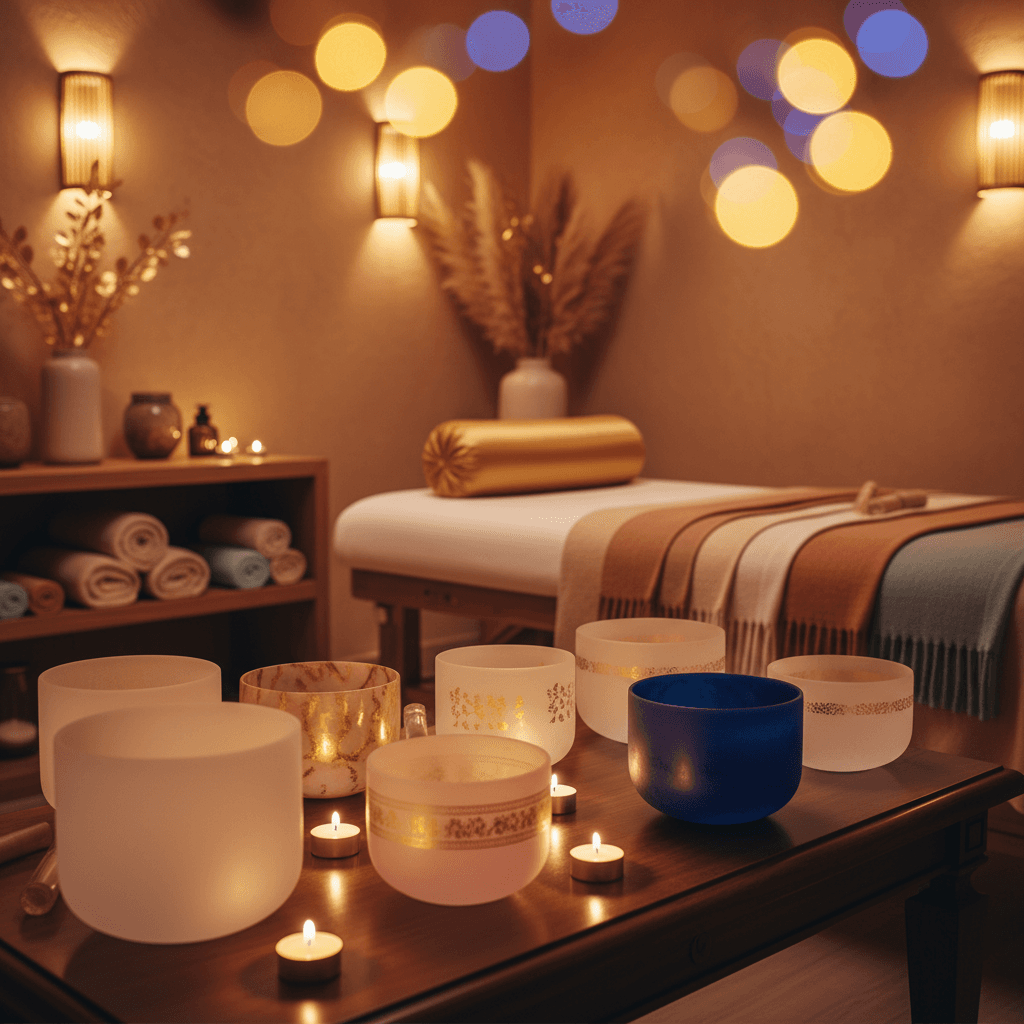
Neuropathic Pain: Harnessing Sound for Nerve Wellness

Key Insights
Explore how sound wellness, as a complementary approach, may support the body's natural processes for managing neuropathic pain and fostering nervous system balance at Soul Art Dubai.
Neuropathic Pain: Harnessing Sound for Nerve Wellness
Imagine a constant, phantom sensation – a burning, tingling, or stabbing pain that doesn't stem from an immediate injury but from a deeper disruption within your nervous system. This is the reality for millions globally, as neuropathic pain affects an estimated 6.9 to 10% of the population, posing a significant challenge to their quality of life. Unlike typical pain from tissue damage, neuropathic pain originates from damage or dysfunction of nerve fibers themselves, leading to incorrect signals sent to the brain.
Managing this intricate condition often involves a multifaceted approach, combining pharmacological and non-pharmacological strategies. While conventional treatments are vital, many individuals seek complementary avenues to support their journey toward greater comfort and well-being. This is where the profound potential of sound wellness emerges as an area of growing interest.
At Soul Art, Dubai's premier sound wellness studio, founded by Larissa Steinbach, we explore how precisely curated sound experiences may offer a unique pathway to addressing the intricate discomforts associated with nerve issues. By understanding the science behind sound's interaction with our nervous system, we can begin to appreciate its role as a sophisticated tool for fostering deep relaxation and promoting the body's innate self-regulation capacities.
In this comprehensive exploration, we will delve into the cutting-edge scientific understanding of neuropathic pain and the intriguing ways in which sound—from focused clinical applications to the immersive resonance of sound baths—may offer supportive benefits. We aim to illuminate how these approaches, focused on deep relaxation and nervous system modulation, can become a valuable part of a holistic wellness regimen.
The Science Explained: Unpacking Sound's Influence on Nerve Health
Neuropathic pain is a complex, chronic condition resulting from disease or injury to the peripheral or central nervous system. These compromised nerve fibers can send erroneous pain signals to the brain, leading to persistent and often debilitating sensations such as spontaneous pain, paresthesias, and hyperalgesia. The impact extends beyond physical discomfort, significantly affecting an individual's emotional well-being and overall quality of life.
The management of neuropathic pain necessitates a multidisciplinary approach, combining various therapeutic modalities to address its diverse manifestations. While conventional medicine focuses on pharmaceutical interventions like anticonvulsants and antidepressants, as well as interventional techniques, there is a growing recognition for complementary, non-pharmacological strategies. This broader perspective acknowledges the profound connection between mind, body, and nervous system, especially when dealing with chronic conditions.
The Emerging Role of Focused Ultrasound in Nerve Modulation
Recent scientific investigations are shedding light on how sound, particularly in its focused ultrasound form, can directly interact with the nervous system. Breakthrough research from the Feinstein Institutes for Medical Research highlights the potential of trans-spinal focused ultrasound (tsFUS) to significantly reduce sensitivity and suppress spinal microglia activation in preclinical models of neuropathic pain. Microglia are immune cells in the central nervous system, and their overactivity contributes to neuroinflammation, a key driver of neuropathic pain.
This compelling preclinical evidence suggests that tsFUS could offer a safe and effective approach by directly targeting the spinal cord. It modulates the underlying mechanisms driving pain without requiring invasive procedures or reliance on pain medications, offering a glimpse into future possibilities for direct nerve support. Dr. Stavros Zanos, an associate professor at the Feinstein Institutes, emphasizes that by targeting the spinal cord, "we can potentially modulate underlying mechanisms driving pain without the need for invasive procedures or pain medications."
Further studies reinforce this intriguing connection. Low-intensity focused ultrasound (LIFUS) applied to the sciatic nerve has been shown to suppress neuropathic pain and upregulate crucial substances like substance P and neurokinin receptor 1 expression, which are involved in pain signaling. This demonstrates that carefully applied sound can directly influence nerve function and the pathways responsible for transmitting pain sensations. The ability of LIFUS to increase mechanical pain thresholds, as observed in models, further underscores sound's profound impact on the body's perception of discomfort.
Influencing Neuroinflammation and Neuroplasticity
One of the critical insights from these studies is sound's potential to influence neuroinflammation. The suppression of microglia activation by focused ultrasound suggests a mechanism by which sound can calm the inflammatory responses within the nervous system that contribute to chronic pain. Reducing neuroinflammation may alleviate a significant source of nerve irritation and hypersensitivity.
Beyond inflammation, sound modalities are being explored for their capacity to modulate neuroplasticity—the brain's ability to reorganize itself by forming new neural connections throughout life. The observed upregulation of specific pain-related receptors following LIFUS suggests that sound might encourage beneficial changes in how nerves process and transmit signals. This concept aligns with the broader understanding that chronic pain is not merely a symptom but often involves maladaptive changes in the nervous system itself.
Even with non-invasive sound wellness practices, the principles of frequency and vibration interacting with biological systems remain relevant. While focused ultrasound uses specific high-frequency waves for targeted medical intervention, the broader field of bioelectronic medicine emphasizes that the nervous system responds to various forms of energy and frequency. For example, studies on spinal cord stimulators (SCS) for neuropathic pain have shown that electrical stimulation at frequencies as high as 5882 Hz can significantly reduce pain. This highlights the nervous system's responsiveness to specific energetic inputs, whether electrical or sonic.
The Autonomic Nervous System and Pain Perception
Beyond direct neural modulation, sound wellness practices profoundly impact the autonomic nervous system. This system controls involuntary bodily functions, including heart rate, digestion, and the stress response. Chronic neuropathic pain often locks the body into a sympathetic "fight or flight" state, exacerbating pain sensitivity and preventing natural healing.
Immersive sound experiences, such as those offered by Larissa Steinbach at Soul Art, are designed to activate the parasympathetic "rest and digest" system. This shift helps to lower stress hormones, reduce muscle tension, and promote a state of deep physiological relaxation. By quieting the nervous system's alarm signals, sound wellness may indirectly reduce the brain's perception of pain and enhance the body's capacity for repair and restoration.
Moreover, the Kessler Foundation's research into neuropathic pain highlights that "pain is thought to come from a disruption to the nervous system... or how the brain is interpreting signals coming from the body." This emphasizes the subjective and interpretive nature of pain. Sound, by influencing brainwave states—shifting from active beta waves to calmer alpha and theta waves—can help individuals cultivate a more regulated and less reactive internal environment. This allows for a gentle re-calibration of the brain's interpretation of sensory input, potentially lessening the intensity and unpleasantness of chronic pain.
How It Works in Practice: Experiencing Sound for Nerve Wellness
Translating the intricate science of sound's effect on the nervous system into a tangible experience is at the heart of sound wellness. When you immerse yourself in a sound experience, it's not merely an auditory event; it’s a full-body sensory engagement. The gentle yet pervasive vibrations from instruments create a profound resonance that permeates tissues, cells, and indeed, the nervous system itself.
The practice begins with creating a serene and supportive environment, fostering a sense of safety and calm. As the sounds wash over you, the brain begins to respond, often shifting from its usual state of heightened activity to one of deep meditative relaxation. This transition is crucial for supporting individuals navigating the persistent challenges of neuropathic pain, as it offers a respite from the cycle of tension and discomfort.
Many people report that the immersive nature of sound helps to quiet the incessant mental chatter and anxiety often accompanying chronic pain. The sustained tones and harmonic frequencies provide a focal point for the mind, drawing attention away from pain sensations and into a state of mindful presence. This can be particularly beneficial for neuropathic pain, where the brain's constant preoccupation with pain signals can be overwhelming.
The physical sensations are equally significant. Gentle vibrations from instruments like singing bowls and gongs may travel through the body, potentially helping to release fascial tension and promote circulation. While these are not targeted medical interventions like focused ultrasound, the general relaxation and improved tissue pliability associated with sound baths can offer a complementary layer of comfort and support to the body’s overall well-being.
"To truly alleviate nerve discomfort, we must address not just the physical manifestation but also the nervous system's overall state of regulation. Sound provides a gentle, non-invasive pathway to this deeper recalibration."
This holistic engagement—combining auditory focus with physical vibration and mental tranquility—is designed to help the nervous system find a more balanced state. It encourages a shift from the sympathetic stress response, often exacerbated by chronic pain, to a more restorative parasympathetic mode. This physiological shift is where many people experience a reduction in perceived pain intensity and an enhanced sense of calm, providing valuable coping strategies that medications alone may not fully address.
Through consistent practice, individuals may learn to better self-regulate their pain experience. Sound wellness offers a tangible tool for developing greater body awareness and cultivating inner resources to navigate discomfort more effectively. It becomes a practice of compassionate presence, allowing the body and mind to gently release tension and foster an environment conducive to natural healing.
The Soul Art Approach: Larissa Steinbach's Unique Method
At Soul Art, Larissa Steinbach has meticulously crafted a unique approach to sound wellness, specifically designed to address the intricate needs of individuals seeking support for conditions like neuropathic pain. Her method goes beyond mere listening; it's an invitation to a deeply immersive and personalized experience where sound becomes a profound tool for nervous system regulation and holistic well-being.
Larissa's philosophy is rooted in the belief that the body possesses an innate capacity for self-healing, and sound, when delivered with intention and expertise, can unlock and amplify these abilities. For those experiencing nerve issues, the focus is on creating a sanctuary of sound that encourages the nervous system to release tension, recalibrate its responses, and find a state of profound peace. This is achieved through carefully selected frequencies and vibrations that resonate deeply within the body.
The Soul Art method integrates a diverse array of sacred instruments, each chosen for its unique vibrational quality and therapeutic potential. Himalayan singing bowls, with their rich, sustained tones, create harmonic overtones that are deeply relaxing and can influence brainwave states. Gongs, with their expansive and resonant vibrations, are master instruments for clearing stagnant energy and inducing altered states of consciousness, which can be highly beneficial for pain perception.
Crystal singing bowls offer pure, clear tones that resonate with specific energetic centers in the body. Tuning forks, precisely calibrated to specific frequencies, can be applied to various points on or around the body, offering targeted vibrational input that many find incredibly soothing for local areas of tension or discomfort. While distinct from the high-frequency ultrasound used in clinical studies, the principle remains that specific vibrations can influence biological responses at a more subtle level.
What makes Larissa Steinbach's approach truly unique is her intuitive understanding of how to weave these instruments into a cohesive, immersive soundscape. She guides participants into states of deep meditation and relaxation, fostering an environment where the body's natural restorative processes can activate. This is not about "treating" neuropathic pain in a medical sense but about creating an optimal internal environment that supports the body's ability to cope with and potentially mitigate the impact of nerve discomfort.
The Soul Art experience emphasizes gentle, non-invasive exploration of personal well-being. It serves as a complementary approach, working in harmony with any medical care an individual may be receiving. Larissa's expertise ensures that each session is a bespoke journey, providing a safe and nurturing space for individuals to explore the profound potential of sound for stress reduction, nervous system balance, and an improved sense of overall well-being amidst nerve issues.
Your Next Steps: Integrating Sound into Your Wellness Journey
Embarking on a journey to support your well-being, especially when dealing with neuropathic pain, is a deeply personal and empowering step. While sound wellness is a complementary practice, there are many practical ways to integrate its principles into your daily life and explore its potential benefits. Here are some actionable steps you can consider:
- Mindful Listening Practices: Dedicate time each day to listen mindfully to soothing sounds, whether it's calming music, nature sounds, or guided meditations incorporating sound. Focus your attention on the auditory experience, allowing it to gently draw your awareness away from discomfort and towards a state of calm.
- Gentle Movement & Vibration: Incorporate gentle movement like stretching or yoga, which can improve circulation and reduce muscular tension that often exacerbates nerve pain. Consider exploring wearable devices that provide focal muscle vibration, similar to the preliminary studies showing promise for conditions like diabetic peripheral neuropathy, as a way to engage with localized sonic input.
- Deep Diaphragmatic Breathing: Practice deep, slow abdominal breathing. This simple yet powerful technique directly stimulates the vagus nerve, activating the parasympathetic nervous system and promoting a state of relaxation that can help to reduce pain signaling and stress.
- Consult Your Healthcare Provider: Always discuss any new wellness practices with your doctor or neurologist, especially when managing neuropathic pain. Sound wellness is a complementary approach and should integrate thoughtfully with your existing medical treatment plan.
- Experience Professional Sound Wellness: To truly understand the depth of sound's potential, consider booking a session at a reputable studio like Soul Art. An experienced practitioner like Larissa Steinbach can guide you through an immersive experience, teaching you how to harness sound for profound relaxation and nervous system support.
Remember, cultivating well-being is a continuous process. By exploring practices that support nervous system balance and reduce stress, you empower yourself with additional tools to navigate the complexities of neuropathic pain and enhance your overall quality of life.
In Summary
Neuropathic pain presents a significant global health challenge, affecting millions with its complex and often debilitating symptoms. While conventional medical treatments are fundamental, the scientific community is increasingly recognizing the value of complementary, non-pharmacological approaches. Research into focused ultrasound demonstrates sound's direct capacity to influence nerve function, reduce neuroinflammation, and modulate pain pathways at a cellular level, suggesting a fascinating future for bioelectronic medicine.
Bridging this scientific understanding with practical application, sound wellness practices offer a powerful, non-invasive method for profound relaxation and nervous system regulation. Experiences at Soul Art, curated by Larissa Steinbach, leverage carefully chosen instruments and harmonious frequencies to foster a tranquil state, activate the parasympathetic nervous system, and help individuals cultivate better strategies for coping with nerve discomfort. This holistic approach supports the body's innate healing capacities and promotes an enhanced sense of overall well-being.
Soul Art invites you to explore the gentle yet profound power of sound. Discover how this sophisticated wellness practice can complement your journey, offering a sanctuary for relaxation, nervous system balance, and a renewed sense of peace.
Bookings Coming Soon
Soul Art is still in preparation. Session details and booking will be published here after launch.
Coming Soon
Wellness Disclaimer: This article is for educational and informational purposes only. It does not constitute medical advice, diagnosis, or treatment. Soul Art Dubai provides non-medical wellness experiences focused on relaxation, stress management, and general wellbeing. Sound wellness is a complementary practice and should not replace professional medical care.
Related Articles
Vibration Therapy for Plantar Fasciitis: A Holistic Path to Foot Wellness
Frozen Shoulder: Sound Support for Enhanced Mobility & Ease

Harmonizing Breath: How Sound Wellness May Support Sleep Apnea Management