Unlock Your Neck: How Sound Wellness Can Release Chronic Tension
Key Insights
Discover how sound wellness, combined with principles of myofascial release, may offer a path to releasing chronic neck tension and restoring comfort at Soul Art Dubai.
Have you ever wondered why, despite countless stretches and adjustments, that persistent ache in your neck simply refuses to subside? It's a common lament, as nearly half of all adults will experience a significant phase of neck pain in their lifetime, a figure projected to increase by a staggering 32.5% globally by 2050. This isn't just a minor inconvenience; chronic neck pain can severely impact quality of life, productivity, and overall well-being.
In our increasingly digital world, prolonged screen time and poor posture have made neck discomfort almost ubiquitous. While traditional physical therapies offer vital support, many individuals seek complementary paths to sustained relief. This article delves into the fascinating intersection of modern neuroscience and ancient wisdom, exploring how sound wellness may offer a profound approach to releasing deep-seated neck tension.
We will uncover the physiological roots of chronic neck pain, examine the scientific insights into myofascial release, and reveal how the sophisticated sound experiences at Soul Art, founded by Larissa Steinbach, can help facilitate a deeper state of relaxation and tension release. Prepare to discover a holistic strategy for reclaiming comfort and ease in your neck and shoulders.
The Silent Epidemic of Neck Pain
Neck pain has emerged as one of the most widespread musculoskeletal disorders of our time. Data suggests that around 2500 people out of every 100,000 globally contend with some form of neck discomfort, a statistic that underscores its pervasive impact. This prevalence is not arbitrary but deeply rooted in our modern lifestyles.
A significant risk factor for chronic neck pain is prolonged poor posture, particularly the stooped positions adopted while working long hours on computers or using smart devices. These sustained exertions lead to a cascade of physiological responses within the body. Texas A&M University researchers, utilizing high-precision X-ray imaging, have provided unequivocal evidence that such sustained neck efforts cause muscle fatigue.
This fatigue then exaggerates the natural curvature of the cervical spine, directly contributing to the onset of neck pain. The neck, while incredibly flexible, is also inherently unstable due to its intricate structure of many small motion segments. Even subtle, repetitive movements or static holds can accumulate stress and lead to discomfort over time.
Understanding Myofascial Tension
Beneath the surface of muscle pain often lies a more intricate web of tension within the fascia. Fascia is the connective tissue that encapsulates muscles, organs, and bones, forming a continuous network throughout the body. When this fascial tissue becomes tight, restricted, or adheres due to injury, repetitive strain, or stress, it can create widespread pain and limit movement—a condition known as myofascial pain.
Myofascial Release (MFR) is a technique aimed at gently stretching and releasing these fascial restrictions. A recent meta-analysis published in Physiotherapy in June 2024 investigated the effectiveness of MFR for adults with chronic neck pain. The study identified modest but significant effects in pain reduction, improved rotation to the right, and enhanced lateral flexion to the right when compared to other treatment methods.
While the research highlights a significant scientific gap and a need for further studies with standardized protocols, the observed benefits suggest MFR holds promise as a complementary approach. Preliminary studies also indicate that neuro-myofascial release and soft tissue stretching programs can effectively reduce neck pain intensity and muscle fatigue, particularly in office workers. These techniques are believed to address soft tissue issues like nerve and myofascial tendon adhesions, which can arise from abnormal body positions.
Furthermore, muscle tension around the neck joints can negatively affect proprioception, our body's sense of position and movement. Fatigue in neck and shoulder muscles has been associated with impaired proprioception, which, in turn, can contribute to poor movement control and potentially lead to further pain or injury. Releasing this deep-seated tension is crucial not only for comfort but also for restoring optimal joint stability and movement.
The Nervous System and the Relaxation Response
Our nervous system plays a pivotal role in how we perceive and experience pain, including chronic neck discomfort. When we are under stress, the sympathetic nervous system, responsible for our "fight or flight" response, tends to be overactive. This state can lead to sustained muscle tension, elevated heart rate, and heightened pain sensitivity.
To counteract this, activating the parasympathetic nervous system, or the "rest and digest" response, is essential for relaxation and tissue repair. Biofeedback is a powerful technique that helps individuals learn to self-regulate physiological processes, such as muscle tension, heart rate, or brainwave activity. By using sensors that provide real-time auditory or visual feedback, a person can consciously learn to lower their tension levels. For instance, a sound that fluctuates with muscle tension can teach someone to differentiate between tension and relaxation, enabling them to actively release it.
Relaxation itself is integral to reducing arousal and managing pain. It can be active, involving the voluntary tensing and releasing of specific muscle groups, or passive, which often incorporates deep breathing, imagery, or specific phrases. The key to effective relaxation is consistent practice, allowing the body and mind to reliably achieve a state of calm. This conscious effort to lower tension supports the body's natural capacity to unwind and release physical holding patterns that contribute to chronic pain.
How It Works in Practice
Imagine stepping into an oasis of calm, where the outside world gently fades away, replaced by a symphony of exquisite sounds. This is the practical experience of sound wellness, where the theoretical understanding of tension release translates into profound sensory engagement. The vibrations and frequencies generated by specialized instruments are not merely heard; they are felt deep within the body, initiating a cascade of internal shifts.
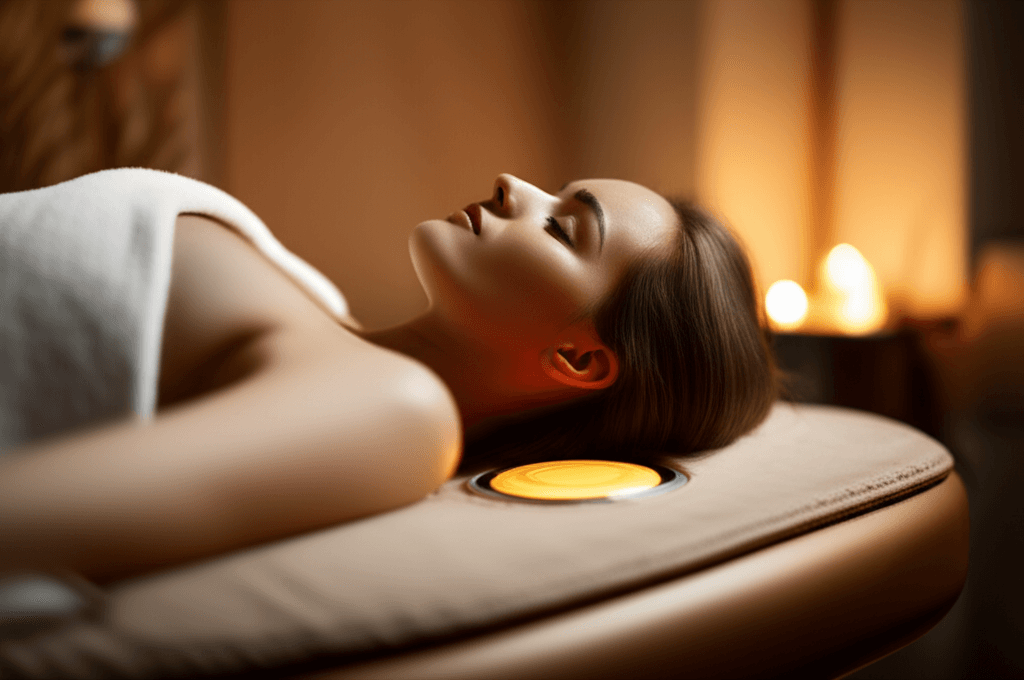
When the body encounters these resonant frequencies, it may begin to mimic the peaceful, rhythmic patterns of the sound. This process helps to recalibrate the nervous system, encouraging a shift from the high-alert state of chronic stress to one of deep, restorative relaxation. In this parasympathetic state, the muscles, including those deep within the neck and shoulders, receive signals to soften and release. The gentle vibrations can act like an internal massage, subtly working on tight myofascial tissues, supporting their natural unwinding.
This is akin to passive relaxation techniques, where the body is encouraged to let go without conscious effort. As the sounds envelop you, the mind becomes calmer, and awareness shifts inward. Many people report a sensation of lightness, reduced stiffness, and an improved range of motion in their neck after a session. The experience cultivates a heightened body awareness, helping individuals recognize subtle tension patterns they might unconsciously hold throughout their day.
The concept of harmonic resonance is central to this experience. When the body resonates with harmonious frequencies, it can promote a state of internal balance and coherence. This resonant field may support the natural processes of cellular repair and muscle relaxation, creating optimal conditions for the release of accumulated physical and emotional tension. It's a holistic approach that acknowledges the intricate connection between our mental state, nervous system, and physical well-being.
The Soul Art Approach
At Soul Art Dubai, founder Larissa Steinbach has meticulously crafted a unique sound wellness experience designed to address the complexities of modern-day tension, including chronic neck pain. Her approach is rooted in an integrative philosophy, blending a deep understanding of human physiology with the transformative power of resonant sound. Larissa believes that true well-being emerges from restoring balance within the nervous system and fostering an environment where the body can naturally recalibrate.
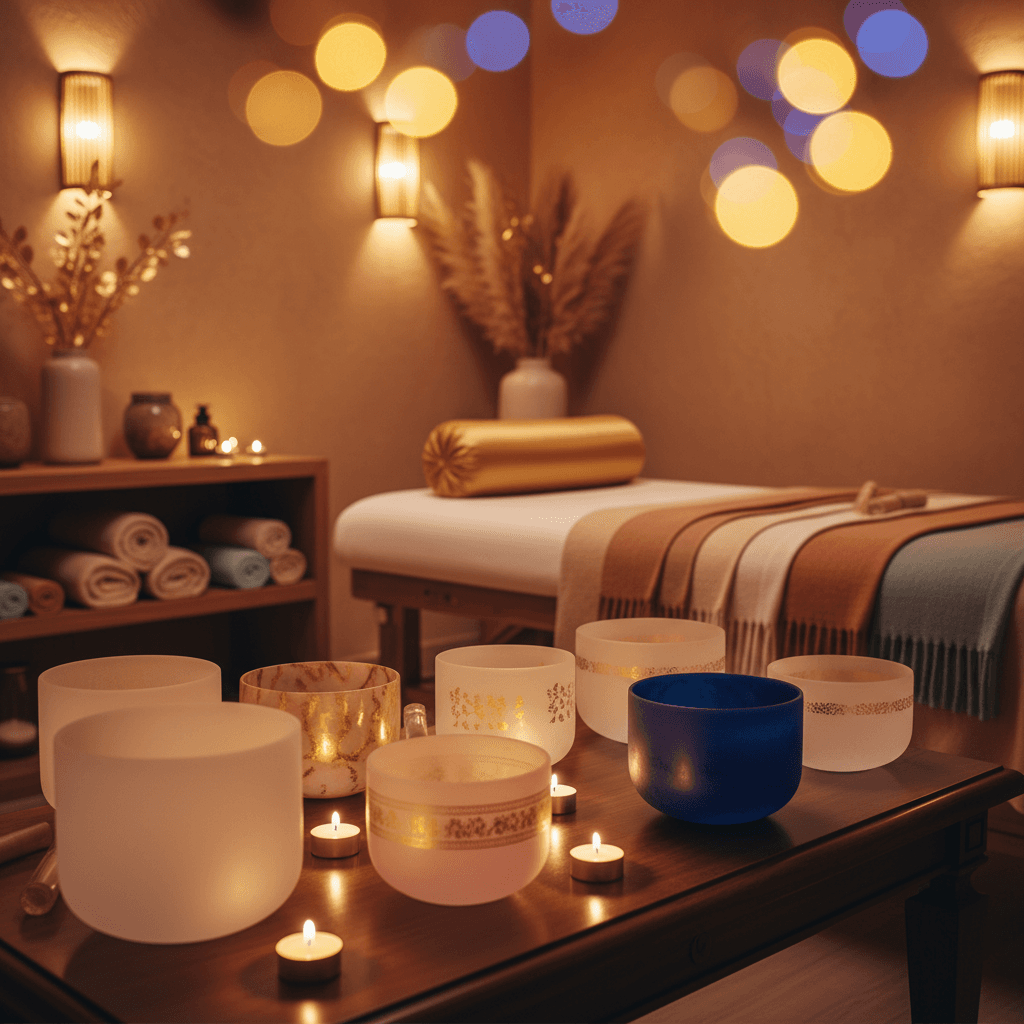
The Soul Art method is not about directly "treating" medical conditions, but rather about facilitating a profound state of relaxation that empowers the body's innate capacity for self-regulation and release. Larissa utilizes a curated array of high-quality instruments, each chosen for its unique vibrational properties. These include exquisitely tuned crystal singing bowls that emit pure, resonant tones, majestic gongs that create immersive soundscapes, and delicate chimes that introduce subtle, uplifting frequencies.
Larissa's expertise lies in orchestrating these sounds to create a carefully structured journey of auditory and somatic experience. The precise frequencies and intricate harmonies are designed to encourage brainwave states associated with deep relaxation, such as alpha and theta waves. This allows the body to release tension held in the myofascial tissues and musculature, promoting improved circulation and a sense of profound ease.
"At Soul Art, we don't just offer sound; we create a sanctuary where your body remembers its natural state of harmony. The subtle yet powerful vibrations are an invitation for release, a journey inward to reconnect with your inherent well-being."
What makes Soul Art unique is the intentional fusion of scientific principles, such as the nervous system's response to sound and the concept of resonant frequencies, with the art of intuitive sound facilitation. Every session is designed to be a luxurious and deeply personal experience, offering a complementary pathway to managing the stressors that contribute to conditions like neck discomfort. Through Larissa Steinbach's guidance, clients are invited to surrender to the sound, allowing it to gently support the unwinding of tension and a return to equilibrium.
Your Next Steps
Embracing a holistic path to neck comfort involves integrating mindful practices into your daily life. While sound wellness offers a powerful complementary approach, consistent self-care can significantly enhance your overall well-being and potentially alleviate persistent tension. Taking proactive steps can help support your body's natural resilience.
Here are a few actionable steps you can implement today to support greater neck comfort:
- Mindful Posture Assessment: Regularly check your posture, especially when using digital devices. Ensure your head is aligned over your spine, not jutting forward, to reduce strain on neck muscles.
- Incorporate Micro-Breaks: Every 30-60 minutes, take a short break to gently stretch your neck and shoulders. Simple movements like shoulder rolls, neck tilts, and chin tucks can help prevent muscle stiffness.
- Practice Conscious Breathing: Deep, diaphragmatic breathing helps activate the parasympathetic nervous system, which may reduce overall muscle tension and stress. Integrate a few minutes of mindful breathing throughout your day.
- Stay Hydrated: Water is crucial for the elasticity of all tissues, including fascia and muscles. Adequate hydration can support fascial health and flexibility.
- Explore Sound Wellness: Consider booking a session at Soul Art Dubai to experience the profound relaxation and potential tension release offered by expert-led sound baths. It's a beautiful way to reset your nervous system.
These small, consistent actions, combined with complementary wellness practices, can significantly contribute to a greater sense of comfort and ease in your neck and overall well-being.
In Summary
Chronic neck pain is a pervasive challenge in our modern world, often stemming from prolonged poor posture, muscle fatigue, and deep myofascial tension. While traditional treatments are vital, a holistic approach that addresses the nervous system and encourages deep relaxation can offer profound benefits. Scientific insights highlight the role of myofascial release in pain reduction and the power of biofeedback in self-regulating muscle tension.
Sound wellness, through its ability to induce a deep relaxation response and promote harmonic resonance, emerges as a sophisticated complementary practice. It provides a unique pathway for the body to release accumulated physical and energetic tension, fostering greater ease and comfort. At Soul Art, Larissa Steinbach expertly guides individuals through immersive sound experiences designed to calm the nervous system and support the body's inherent capacity for unwinding.
By integrating the gentle yet powerful vibrations of sound with mindful self-care, you can embark on a journey towards a more relaxed and comfortable neck. Reclaim your well-being and discover the tranquility that awaits you at Soul Art.
Bookings Coming Soon
Soul Art is still in preparation. Session details and booking will be published here after launch.
Coming Soon
Wellness Disclaimer: This article is for educational and informational purposes only. It does not constitute medical advice, diagnosis, or treatment. Soul Art Dubai provides non-medical wellness experiences focused on relaxation, stress management, and general wellbeing. Sound wellness is a complementary practice and should not replace professional medical care.
Related Articles
Vibration Therapy for Plantar Fasciitis: A Holistic Path to Foot Wellness
Frozen Shoulder: Sound Support for Enhanced Mobility & Ease

Harmonizing Breath: How Sound Wellness May Support Sleep Apnea Management