Harmonizing Healing: Sound Wellness for Migraine Prevention in Dubai

Key Insights
Explore how sound wellness at Soul Art Dubai, founded by Larissa Steinbach, may complement migraine prevention strategies through deep relaxation and nervous system regulation.
Imagine a world where the throb of a migraine no longer dictates your day, where clarity replaces debilitating pain, and a profound sense of calm is within reach. Migraine, a complex neurological condition, affects approximately 1 in 6 Americans and ranks as the second leading cause of disability globally, particularly impacting young women during crucial life stages. It's more than just a severe headache; it's an experience that can disrupt education, career, and family life, stealing precious moments and productivity.
While conventional medical approaches offer significant relief for many, a growing number of individuals are seeking complementary wellness strategies to enhance their prevention and management plans. This article delves into how the serene power of sound wellness, a practice championed by Larissa Steinbach at Soul Art in Dubai, may offer a unique pathway to profound relaxation and nervous system regulation, supporting your overall wellbeing in the face of migraine. Discover how integrating sound into your self-care routine could help shift your experience from chronic discomfort to a life of greater balance and peace.
The Science Explained: How Sound May Support Migraine Wellness
Migraine is characterized by recurrent moderate to severe headaches often accompanied by throbbing pain, sensitivity to light and sound, nausea, and aura. Its origins are multifaceted, involving intricate neural pathways and neurochemical imbalances. Effective management often involves a combination of acute treatments for attacks and preventative measures to reduce frequency and severity.
Modern medicine offers a range of preventative drug therapies, including beta-blockers, anticonvulsants like topiramate and valproic acid, antidepressants such as amitriptyline, and newer treatments like CGRP inhibitors and OnabotulinumtoxinA (Botox) for chronic migraine. These medications aim to modulate neural activity and pathways associated with migraine onset. However, these pharmacological interventions can come with side effects, drug-drug interactions, and contraindications, leading many to explore non-pharmacological complements.
The Role of Behavioral Interventions
Beyond medication, extensive research highlights the efficacy of behavioral interventions in migraine prevention. Behavioral therapies, such as cognitive behavioral therapy (CBT), relaxation techniques, mindfulness-based therapies, biofeedback, meditation, and yoga, are recognized for their ability to decrease migraine frequency, severity, and negative impact. These approaches work primarily by addressing key migraine triggers and modulating the body's physiological responses.
For example, meditation and yoga are known to relieve stress, a prominent migraine trigger. Regular practice may reduce the number or duration of migraine attacks. Biofeedback teaches individuals to monitor and control physical responses related to stress, like muscle tension, proving effective in alleviating migraine pain. These methods underscore a crucial connection: managing stress and regulating the nervous system plays a significant role in migraine prevention.
Connecting Sound to Neurological Wellness
This is where sound wellness enters the conversation as a powerful complementary practice. Sound, particularly through practices like sound baths and vibrational therapy, can induce deep states of relaxation, directly influencing the autonomic nervous system (ANS). The ANS comprises two main branches: the sympathetic nervous system (our "fight or flight" response) and the parasympathetic nervous system (our "rest and digest" state).
Chronic stress and anxiety, often associated with migraine triggers, can keep the sympathetic nervous system in overdrive. Sound wellness experiences are designed to activate the parasympathetic nervous system, promoting a state of profound calm. This shift can lead to reduced heart rate, lowered blood pressure, slower breathing, and decreased muscle tension – all physiological responses that may help mitigate the frequency and intensity of migraine attacks. Many people report an enhanced sense of peace, which can be invaluable for managing a condition often exacerbated by tension.
Preliminary studies and anecdotal evidence suggest that consistent exposure to specific frequencies and vibrations, often through instruments like crystal singing bowls and gongs, may support the brain in shifting into theta and alpha wave states. These brainwave patterns are associated with deep relaxation, meditation, and reduced mental chatter. By gently guiding the brain towards these states, sound wellness may help to calm neural hyperexcitability, which is often implicated in migraine pathophysiology. This holistic approach offers a gentle yet impactful method to foster internal balance, providing a supportive environment for the body to self-regulate and potentially reduce susceptibility to migraine triggers.
How It Works in Practice: Experiencing Sound for Migraine Support
Stepping into a sound wellness session is an immersive journey designed to transport you from the everyday hustle to a profound state of inner peace. It's not merely listening to music; it's an experience of being bathed in vibrations and frequencies that resonate with every cell of your body. This sensory immersion creates an environment conducive to deep relaxation and nervous system regulation, which is crucial for those seeking complementary ways to manage migraine.
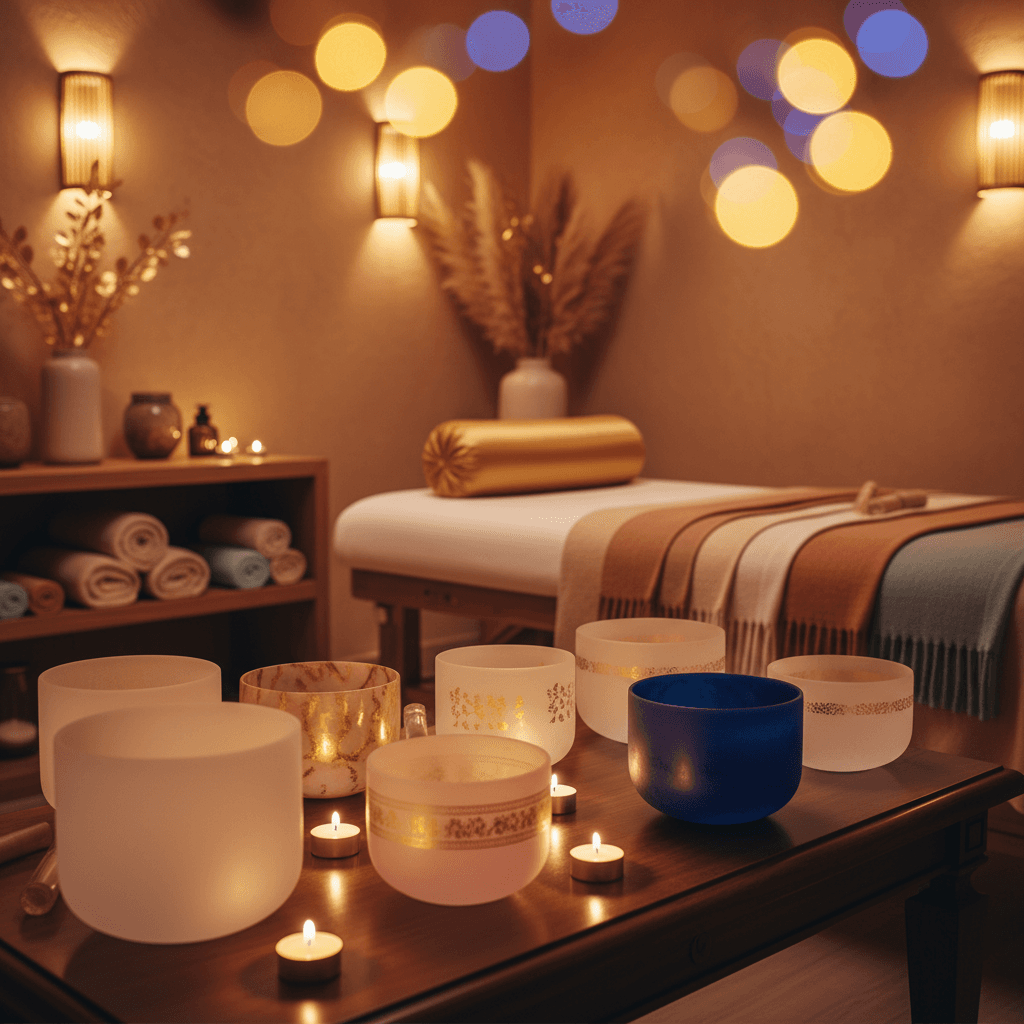
Clients typically recline comfortably, often on mats or cushions, in a serene, dimly lit space. The practitioner then skillfully plays a variety of instruments. These might include large gongs, crystal singing bowls, Himalayan bowls, chimes, and tuning forks. Each instrument produces distinct tones and resonant frequencies that wash over the body, often felt as gentle internal vibrations.
The immediate effect for many is a rapid descent into a state of profound calm. The complex tapestry of sounds acts as a focal point, drawing attention away from external distractions and internal anxieties. This naturally encourages the mind to quiet, moving away from rumination or stress, which are known precursors to migraine episodes. Participants often report a sensation of release, as if physical and mental tension is melting away.
"To truly understand the impact of sound wellness, one must experience the subtle yet profound shift it creates within. It's a journey not just for the ears, but for the entire nervous system, inviting a deep return to equilibrium."
Physiologically, the deep relaxation cultivated during a sound session can have several supportive effects. It may help reduce cortisol levels, the body's primary stress hormone, which is vital for preventing stress-induced migraines. Improved circulation and reduced muscle tension, particularly in the neck and shoulders – common areas for migraine-related discomfort – are also frequently reported. Many people experience enhanced sleep quality following sessions, which is a critical factor in migraine prevention. By consistently engaging in practices that promote deep relaxation and balance the nervous system, individuals may build greater resilience against potential migraine triggers, potentially leading to a reduction in both the frequency and severity of attacks over time. This makes sound wellness a valuable complementary tool in a comprehensive migraine management plan.
The Soul Art Approach: Larissa Steinbach's Unique Vision
At Soul Art, Dubai's premier sound wellness studio, Larissa Steinbach has meticulously crafted an experience that transcends mere relaxation, offering a sophisticated and deeply restorative journey. Larissa's approach is rooted in the understanding that true well-being stems from a harmonious balance between mind, body, and spirit, making her work particularly resonant for those navigating the complexities of migraine. She sees sound wellness not just as an escape, but as an active engagement with one's inner landscape.
Larissa Steinbach’s methodology is distinctive in its blend of scientific understanding and intuitive artistry. She curates each session with intention, designing a specific sound journey tailored to the group's or individual's needs, always with a focus on nervous system regulation and stress reduction. Her deep knowledge of the subtle energies and profound effects of sound allows her to create an environment where healing and relaxation can flourish. This personalized touch ensures that every participant feels seen, heard, and supported on their wellness path.
The Soul Art studio itself is a sanctuary, a testament to "quiet luxury" in Dubai, designed to optimize the sound experience. Here, Larissa utilizes a rich array of high-quality, resonant instruments. The ethereal tones of crystal singing bowls, known for their pure frequencies and vibrational resonance, are often central to her sessions. She expertly integrates the deep, enveloping hum of gongs, which create a powerful sonic landscape, capable of inducing profound states of meditation and release. Complementing these are the gentle chimes, tuning forks, and other vibrational tools, each chosen for its specific energetic quality and ability to soothe and restore.
What makes the Soul Art method truly unique is Larissa's holistic integration of breathwork and guided meditation alongside the soundscape. She skillfully guides participants through focused breathing techniques, further enhancing the parasympathetic response, while gentle verbal cues help anchor the mind in the present moment, fostering mindfulness. This multi-layered approach amplifies the potential benefits for migraine sufferers, offering a powerful avenue for stress management and nervous system rebalancing. Larissa's dedication to creating a truly immersive and transformative experience is evident in every detail, providing a haven where individuals can cultivate resilience and embrace a more harmonious way of living.
Your Next Steps: Integrating Sound into Your Wellness Routine
Embracing complementary wellness practices, such as sound wellness, can be a valuable addition to your overall migraine management strategy. While sound wellness is not a cure, it offers powerful tools for relaxation, stress reduction, and nervous system balance, which may help mitigate migraine triggers and support your overall well-being.
Here are some actionable steps you can take to explore the potential benefits of sound for migraine prevention and treatment support:
- Consult Your Healthcare Professional: Always speak with your doctor or neurologist before making any significant changes to your migraine treatment plan. Sound wellness is a complementary practice and should work in conjunction with medical advice, not replace it.
- Explore Sound Wellness Sessions: Seek out reputable sound wellness studios, like Soul Art in Dubai. Experience a guided sound bath or a private session with an experienced practitioner like Larissa Steinbach. Pay attention to how your body and mind respond during and after the session.
- Integrate Daily Stress Management: Alongside sound wellness, incorporate other relaxation techniques into your daily routine. This could include short meditation practices, deep breathing exercises, gentle yoga, or spending time in nature. Consistency in stress reduction is key.
- Keep a Wellness Journal: Track your migraine patterns alongside your engagement with sound wellness and other complementary practices. Note changes in frequency, intensity, duration, and any shifts in your overall mood or stress levels. This can help you identify what works best for your unique system.
- Prioritize Sleep and Hydration: These fundamental aspects of health are crucial for migraine prevention. Aim for consistent, quality sleep and ensure adequate hydration daily. A well-rested and hydrated body is better equipped to manage stress and reduce susceptibility to migraine attacks.
By thoughtfully integrating these steps, you can actively participate in your wellness journey, exploring how the serene power of sound might support a life with fewer migraines and greater overall harmony.
In Summary: Finding Harmony Beyond Migraine
Migraine remains a significant global health challenge, impacting millions with debilitating pain and disruption. While conventional medical treatments are essential, the growing recognition of behavioral interventions underscores the critical role of stress reduction, nervous system regulation, and mindfulness in managing this complex condition. Sound wellness emerges as a profound complementary practice, offering a non-invasive path to deep relaxation and physiological balance.
Through immersive vibrational experiences, sound wellness may help calm the autonomic nervous system, reduce stress hormones, and foster brainwave states associated with tranquility. This approach supports the body's innate ability to self-regulate, potentially reducing migraine frequency and severity. Larissa Steinbach and Soul Art in Dubai provide a sanctuary for this transformative practice, offering meticulously crafted sound journeys that blend scientific insight with empathetic guidance. Discover a powerful ally in your wellness journey; explore the harmonious possibilities at Soul Art.
Bookings Coming Soon
Soul Art is still in preparation. Session details and booking will be published here after launch.
Coming Soon
Wellness Disclaimer: This article is for educational and informational purposes only. It does not constitute medical advice, diagnosis, or treatment. Soul Art Dubai provides non-medical wellness experiences focused on relaxation, stress management, and general wellbeing. Sound wellness is a complementary practice and should not replace professional medical care.
Related Articles
Vibration Therapy for Plantar Fasciitis: A Holistic Path to Foot Wellness
Frozen Shoulder: Sound Support for Enhanced Mobility & Ease

Harmonizing Breath: How Sound Wellness May Support Sleep Apnea Management