Last Hours: Sound's Enduring Comfort at Life's Close

Key Insights
Discover how hearing persists at life's end, offering profound comfort. Larissa Steinbach and Soul Art explore sound presence and its impact on wellbeing.
The world around us is a symphony, a constant interplay of sounds that shape our experiences, emotions, and connections. From the gentle rustle of leaves to the resonant hum of a singing bowl, sound is a fundamental aspect of human existence. But what happens to this profound sensory experience in our final moments?
Imagine a loved one in their last hours, perhaps unresponsive, their journey nearing its natural conclusion. Is there still a way to connect, to offer solace beyond touch? Emerging scientific research suggests a remarkable answer: hearing may very well be the last sense to fade, allowing for a unique form of presence and comfort even at the very end of life.
This profound insight, explored by leading researchers and embraced by holistic wellness practitioners like Larissa Steinbach at Soul Art Dubai, reshapes our understanding of the dying process. It underscores the immense power of sound to transcend physical barriers, offering a pathway for connection, peace, and dignified farewells. This article delves into the fascinating science behind persistent hearing at the end of life and explores how this knowledge can enrich our approach to presence, comfort, and holistic well-being for ourselves and those we cherish.
The Science Explained: Hearing Beyond Unresponsiveness
For centuries, anecdotal evidence and deeply held beliefs have suggested that hearing is the final sense to depart during the dying process. This intuitive understanding has now found robust support in modern neuroscience, providing profound implications for how we approach end-of-life care and the role of sound. Recent studies, particularly from the University of British Columbia (UBC), offer compelling electrophysiological evidence that the brain can still respond to sound even when a person appears unconscious or unresponsive.
Unveiling Brain Activity in Final Hours
A groundbreaking study, published in Scientific Reports, was the first to rigorously investigate hearing in humans as they approached death. Researchers utilized electroencephalography (EEG), a non-invasive technique that measures electrical activity in the brain, to monitor participants. This crucial investigation involved three groups: healthy control participants, conscious hospice patients, and the same hospice patients once they became unresponsive. All palliative care patients were at St. John Hospice in Vancouver, offering a real-world context for these sensitive observations.
The study's design was ingenious, introducing participants to varying patterns of common and rare tones. In healthy and conscious hospice patients, the brain registered these sound changes, often through a pre-arranged signal or observable brain responses. What was truly remarkable, however, was the data from the unresponsive patients. Even in this state, their brains showed responses to the changing sound patterns, similar to those observed in conscious individuals.
The Brain's Persistent Response: MMN, P3a, and P3b
The EEG measurements detected specific brain responses known as event-related potentials (ERPs). Key amongst these are the Mismatch Negativity (MMN) and P3a components. The MMN, a pre-attentive and pre-conscious response, indicates that the brain has detected an acoustic irregularity or change in sound. The P3a component, often linked to automatic orienting responses, also suggests a processing of novel or unexpected auditory stimuli.
Lead author Elizabeth Blundon, a PhD student at the time of the UBC study, articulated this profound finding: "Our data shows that a dying brain can respond to sound, even in an unconscious state, up to the last hours of life." While researchers cannot confirm whether people are aware of what they are hearing, the brain’s consistent electrical activity strongly supports the idea that auditory processing continues. This means that even in silence, the brain may be actively responding to the world of sound around it.
Death as a Process, Not an Instantaneous Event
Further research, presented by Anna Fowler at a science conference in Arizona and discussed in sources like LBC and Daily Mail, suggests an even more extended period of brain activity. This emerging evidence challenges the traditional view of death as an abrupt cessation of all biological and neural functions. Instead, it proposes that death unfolds as a process, with a steady decline of functions occurring over minutes to hours after the heart has stopped pumping blood.
Studies from the University of Michigan, for instance, have analyzed EEG and electrocardiogram (ECG) recordings from comatose patients. In some instances, a sudden surge in gamma brainwaves was observed within seconds of cardiac decline. These bursts of activity, synchronized with slower brain rhythms, showed strong connectivity across the brain, particularly in areas associated with vision, bodily awareness, and sensory processing. This "gamma surge" has been linked to the vivid sensory phenomena reported in some near-death experiences (NDEs), such as bright lights or hearing voices.
"This research proposes that death is not the sudden extinguishing of life, but the beginning of a transformation, one that medicine, philosophy and ethics must now approach with deeper humility and renewed clarity." – Anna Fowler
While the scientific community continues to explore the exact nature of awareness during these final moments, the cumulative evidence points to a remarkable persistence of auditory processing. This understanding provides a powerful foundation for appreciating the role of sound and presence in offering comfort, connection, and dignity during the profound transition of life’s end. It empowers us to reconsider how we support individuals and their families during these critical hours, emphasizing the enduring comfort that sound can provide.
How It Works in Practice: The Echo of Connection
Understanding that hearing may persist even in the final, unresponsive stages of life profoundly shifts our perspective on end-of-life presence. It transforms what might feel like a silent vigil into an opportunity for meaningful, compassionate connection through the power of sound. This knowledge empowers families, friends, and caregivers to engage with a dying loved one in ways that foster comfort, express love, and support a peaceful transition.
Creating a Sacred Soundscape of Comfort
The practical application of this research revolves around creating an environment rich with comforting and familiar sounds. For many, this means speaking softly, sharing cherished memories, or simply being present and vocalizing their love. The act of speaking to someone, even if they appear unconscious, is no longer based solely on hope, but on scientific possibility. Hospice nurses and physicians, like Dr. Gallagher cited in the UBC study, have long observed positive reactions in dying patients when loved ones spoke to them, a phenomenon now supported by empirical data.
Consider the gentle hum of a loved one's voice, the soft singing of a favourite song, or the recitation of a prayer or poem. These sounds carry emotional weight and can evoke a sense of familiarity and peace. The vibrational quality of a human voice, rich with intention and affection, may reach beyond the boundaries of conscious perception, providing a profound sense of connection in a time of deep vulnerability.
Beyond Words: The Soothing Power of Intentional Sound
Beyond verbal communication, the deliberate introduction of gentle, harmonious sounds can contribute significantly to a peaceful atmosphere. While external sounds like the "death rattle" (noisy breathing due to accumulated secretions) are common and indicate the body's normal processes are ceasing, the person experiencing this is typically unconscious and unaware of the sound they are making. This highlights the importance of focusing on external sounds intended to bring comfort.
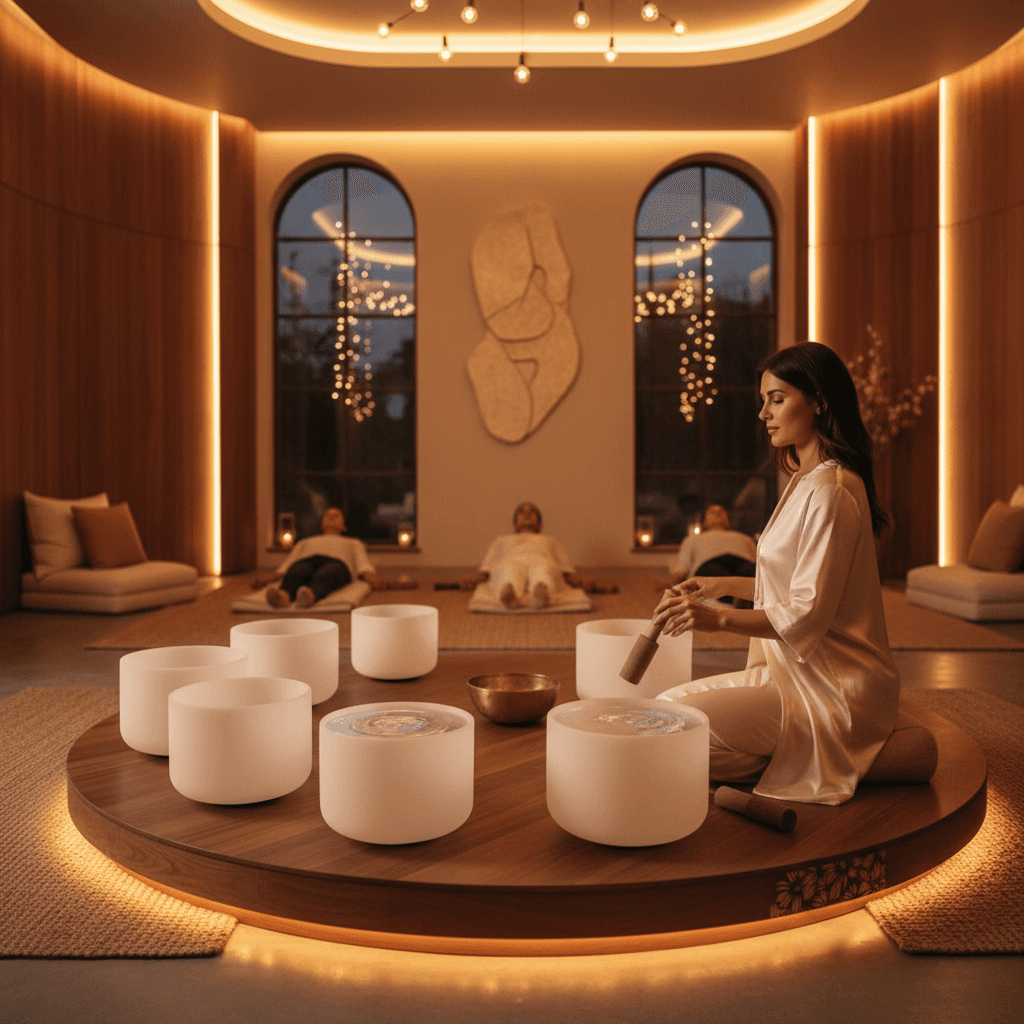
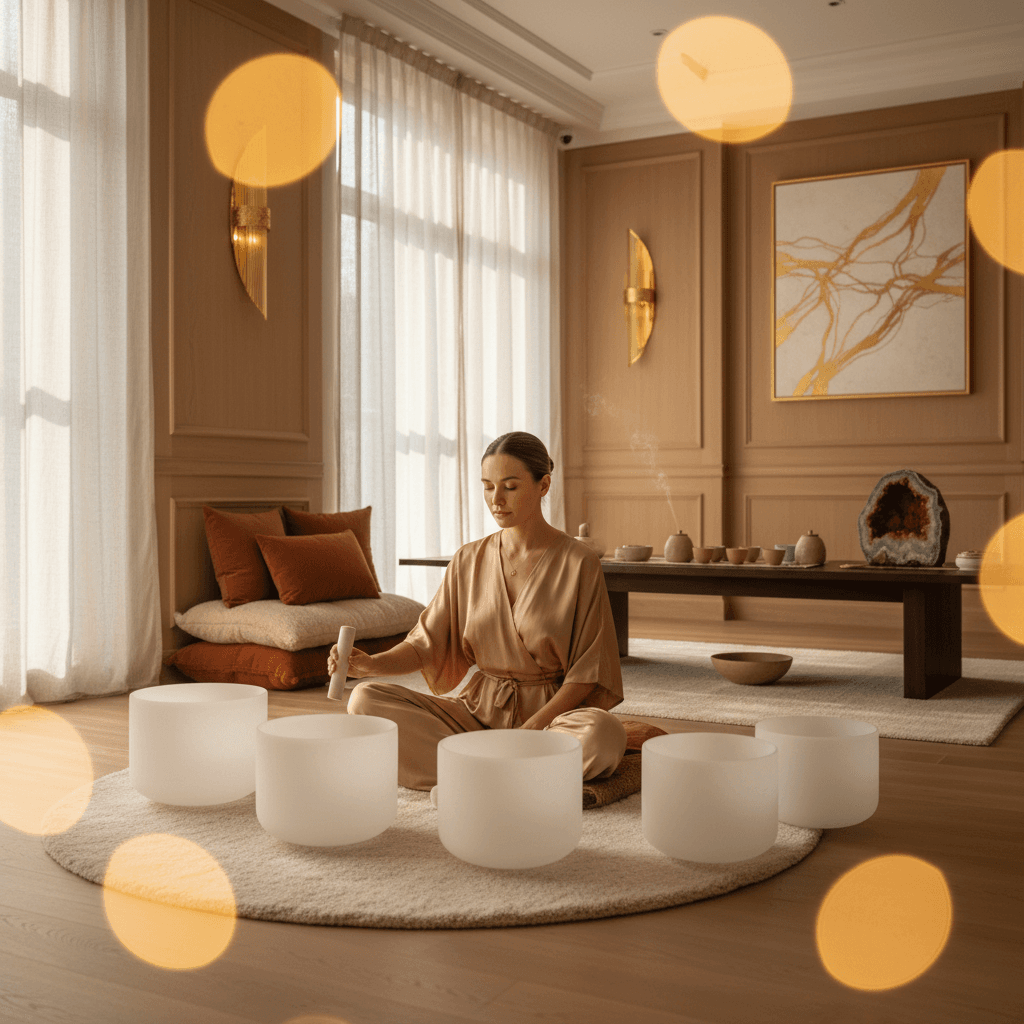
Instruments known for their soothing frequencies, such as Tibetan singing bowls, gongs, or chimes, can be utilized. Their sustained tones and harmonic overtones create a tranquil soundscape that may help to calm the nervous system, potentially reducing distress for both the individual and those present. The absence of jarring noises and the presence of gentle, continuous sound can foster an environment of serenity, which is invaluable during such a sensitive time.
The power lies in the intention behind the sound – whether it’s a loving whisper, a gentle melody, or the subtle resonance of an instrument. It’s about creating a sonic embrace that communicates care, presence, and love, affirming the enduring connection between souls. This practice provides a tangible way to offer comfort, giving meaning to the final hours and reinforcing the profound significance of being present. It is a testament to sound's ability to touch us at the deepest levels, offering a profound sense of peace as life transitions.
The Soul Art Approach: Cultivating Presence Through Sound
At Soul Art Dubai, we believe that understanding the profound impact of sound extends far beyond the scientific laboratory; it informs our entire philosophy of well-being. The revelation that hearing persists even in the last hours of life underscores the fundamental importance of sound as a tool for connection, comfort, and profound presence throughout our lives. Larissa Steinbach, founder of Soul Art, integrates these deep insights into our unique sound wellness offerings, emphasizing sound’s capacity to anchor us in the present moment and foster inner peace.
Larissa Steinbach's Vision: Sound as a Pathway to Presence
Larissa Steinbach's vision for Soul Art is rooted in the understanding that sound is a powerful medium for holistic wellness. While our primary focus is on enhancing well-being in daily life, the scientific findings on end-of-life hearing serve as a potent reminder of sound’s foundational role in the human experience. It highlights the non-verbal, vibrational communication that transcends conscious thought, connecting us to deeper states of being and to each other.
Our sessions are designed to help individuals cultivate a heightened sense of presence – a skill that becomes incredibly valuable in moments of intense emotion or transition, including life's final stages. By consciously engaging with sound, we learn to quiet the mind, release tension, and connect with an inner stillness. This practice of "sound presence" empowers individuals to navigate life's complexities with greater calm and emotional resilience, preparing them to be more authentically present for themselves and their loved ones in all circumstances.
Unique Instruments and Techniques for Deep Connection
Soul Art employs a carefully curated selection of instruments and techniques to facilitate deep relaxation and enhance conscious presence. Each instrument is chosen for its specific vibrational qualities and ability to resonate deeply within the body and mind.
- Tibetan Singing Bowls: Hand-beaten metal bowls produce rich, sustained tones and overtones that create a soothing, immersive sound bath. Their vibrations are believed to promote deep cellular relaxation and balance energy centers.
- Gongs: The powerful, complex sound waves of gongs create an enveloping field of sound that can facilitate altered states of consciousness, helping to release emotional blockages and induce profound meditative states.
- Chimes: Gentle, crystalline chimes produce delicate, ethereal sounds that promote a sense of lightness and clarity, often used to signify transitions or to uplift the spirit.
- Voice and Tuning Forks: The human voice, used in intentional chanting or toning, carries unique resonance. Tuning forks, with their precise frequencies, can be applied to specific points on the body to promote energetic balance and deep relaxation.
Through these instruments, Larissa Steinbach and the practitioners at Soul Art guide clients through experiences that transcend ordinary listening. It's not just about hearing, but about feeling the sound, allowing its vibrations to soothe the nervous system and restore a sense of harmony. The Soul Art method is unique in its empathetic approach, creating a safe and sacred space where individuals can explore the depths of their inner landscape through the transformative power of sound. This cultivation of inner peace and presence, nurtured through sound wellness, offers invaluable support for navigating life’s transitions with grace and serenity.
Your Next Steps: Embracing Sound for Deeper Presence
The understanding that sound can offer comfort and connection even in life's final moments serves as a powerful call to embrace the power of sound in our everyday lives. It encourages us to cultivate deeper presence, not just for others, but for our own well-being. Here are some actionable steps you can take to integrate sound presence into your daily routine and prepare to offer profound comfort when it truly matters.
- Practice Mindful Listening: Dedicate a few minutes each day to simply listening. Close your eyes and focus on all the sounds around you, without judgment. Notice their qualities, their patterns, and how they make you feel. This practice enhances your auditory awareness and strengthens your ability to be present.
- Create a Personal Sound Sanctuary: Curate a playlist of calming, instrumental music or nature sounds that resonate with you. Use these sounds during moments of stress, meditation, or simply to create a peaceful atmosphere in your home.
- Engage in Intentional Communication: When interacting with loved ones, especially those who may be frail or ill, remember the power of your voice. Speak gently, express love, and share comforting words. Even if there's no verbal response, your presence and the sound of your voice can be profoundly reassuring.
- Explore Sound Wellness: Consider integrating sound baths or sound meditation into your self-care routine. Experiences guided by trained practitioners, like those at Soul Art, can help you unlock deeper states of relaxation and inner peace through vibrational therapy.
- Prepare for Presence: Reflect on how you wish to be present for others during significant life transitions. Understanding sound's enduring power can provide a unique framework for offering compassionate support, ensuring comfort and connection remain until the very last moment.
By consciously engaging with sound, we not only enrich our own lives but also prepare ourselves to be a source of profound comfort for those on their final journey. This awareness transforms our approach to presence, making every interaction, every shared sound, a moment of deep connection.
In Summary: The Enduring Symphony of Life
The latest scientific research profoundly alters our understanding of the end-of-life experience, confirming that hearing may indeed be the last sense to leave us. Studies using EEG have shown that the dying brain can respond to sound even in an unresponsive state, suggesting that a profound channel for connection remains open in our final hours. This incredible insight, coupled with newer evidence pointing to death as a gradual process rather than an instantaneous event, underscores the immense power of presence and sound.
This knowledge provides invaluable comfort, empowering us to offer solace through gentle words, familiar music, and harmonious sounds. Larissa Steinbach and Soul Art Dubai champion this understanding, integrating the principles of sound presence into their wellness practices. They demonstrate how intentional sound, through instruments like singing bowls and gongs, can cultivate deep relaxation and inner peace throughout life, preparing us to approach all transitions, including death, with greater serenity and connection. Embrace the enduring symphony of life; let sound be your guide to profound presence.
Bookings Coming Soon
Soul Art is still in preparation. Session details and booking will be published here after launch.
Coming Soon
Wellness Disclaimer: This article is for educational and informational purposes only. It does not constitute medical advice, diagnosis, or treatment. Soul Art Dubai provides non-medical wellness experiences focused on relaxation, stress management, and general wellbeing. Sound wellness is a complementary practice and should not replace professional medical care.
Related Articles
The Role of Sound in Cultural Death Practices
Death Doulas & Sound: Enhancing Peace in End-of-Life Journeys

Sound's Gentle Embrace: Supporting Late Alzheimer's with Sonic Wellness