Sound for Health Grief: Navigating Loss and Illness with Frequencies
Key Insights
Explore how sound wellness, a complementary practice by Soul Art Dubai, offers solace and support for health grief and its intricate link to trauma.
The human experience of loss is profoundly complex, often extending beyond the immediate bereavement of a loved one. Have you ever considered the invisible grief that accompanies a significant illness diagnosis, the slow decline of health, or the loss of cherished abilities? This phenomenon, often termed "health grief," can be as debilitating and multifaceted as traditional grief, yet it frequently goes unacknowledged. It intertwines with feelings of fear, anxiety, and a deep sense of loss for the future imagined.
At Soul Art, Dubai’s premier sound wellness studio, we understand that navigating such intricate emotional landscapes requires a compassionate and holistic approach. This article delves into the scientific underpinnings of how sound, particularly carefully curated frequencies and vibrations, may offer a profound pathway to processing health grief and its close companions: trauma, anxiety, and prolonged distress. We will explore how sound wellness can support nervous system regulation and foster emotional resilience, guiding you towards greater peace and acceptance. Join us as we uncover the transformative potential of sound in supporting your journey through health-related loss.
The Science Explained
The journey through illness, chronic conditions, or the end of life often brings with it a unique form of grief, sometimes referred to as "health grief." This grief is not merely about the loss of a loved one, but also the profound loss of one's former self, a particular future, or even a sense of control. The emotional landscape of health grief can be highly complex, frequently intersecting with conditions like Prolonged Grief Disorder (PGD) and Post-Traumatic Stress Disorder (PTSD).
Understanding Health Grief and Its Complexities
Research consistently highlights the strong covariance between PGD and PTSD, suggesting that these conditions often co-occur. A 2022 study revealed that symptoms of anxiety disorders, PTSD, Complex-PTSD, and PGD tend to cluster together quite strongly, indicating their interconnected nature. Addressing PTSD symptoms first may even help to forestall the subsequent development of complicated grief, emphasizing the importance of integrated support. This suggests that the trauma associated with illness diagnosis, medical procedures, or witnessing decline can manifest as a form of post-traumatic stress, which then exacerbates the grieving process.
The neurobiological underpinnings of PGD are beginning to be explored, with preliminary evidence suggesting distinct neural differences. For instance, individuals experiencing PGD may exhibit heightened activation in the nucleus accumbens when reminded of the deceased or the lost aspect of life. This heightened reward activation associated with what was lost may impair adjustment to the current reality. Furthermore, for those with PGD, prefrontal regions crucial for emotion processing may be disrupted, and differences in whole brain volume and cognitive function have also been noted. These findings underscore that complicated grief is not simply "normal grief" extended, but rather a distinct pattern of emotional and neurological dysregulation that can significantly impair quality of life and mental well-being.
The Power of Sound on the Brain and Body
Sound, in its various forms, possesses an extraordinary capacity to influence our neurophysiological states. Functional magnetic resonance imaging (fMRI) studies have shown that music and specific sound frequencies "light up" multiple brain areas involved in emotion, memory, and even physical movement. This widespread activation underscores how profoundly sound can engage our deepest cognitive and affective networks. The brain's response to sound can be seen as flickers of bright light on brain images, revealing its dynamic impact.
One particularly compelling area of research involves binaural sound, a nonverbal auditory approach that delivers slightly different frequencies to each ear, prompting the brain to perceive a single, combined frequency. This unique auditory phenomenon can guide brainwave activity towards states associated with relaxation, meditation, or even sleep. A pilot study using a nonverbal binaural sound approach, known as Reset Therapy, treated eight combat veterans with PTSD. After just four treatment sessions, seven of the eight participants evidenced complete remission of their PTSD diagnosis, with an average decrease of 46 points in CAPS-5 scores. Only one veteran continued to meet PTSD criteria, demonstrating the remarkable potential of this sound modality in addressing trauma-related symptoms.
Beyond binaural beats, broader sound therapy practices, including mindfulness meditations and the use of singing bowls, have been utilized for centuries to cultivate physiological and psychological benefits. Preliminary studies and anecdotal evidence suggest these practices may support lower blood pressure and heart rate, while also reducing tension, anxiety, and depression. The body itself is a receptor for sound, benefiting from vibrations received through the skin in addition to auditory input. Researchers are actively exploring how specific sound frequencies and vibrations may offer benefits, including potential support for pain relief, with some findings suggesting that therapeutic vibration may offer a viable complementary approach for discomfort. While more rigorous clinical trials are needed to fully understand their mechanisms and optimize protocols, the growing body of evidence indicates that sound wellness practices are a promising avenue for holistic support.
How It Works in Practice
Connecting the scientific understanding of sound’s impact to its practical application in wellness is where the magic truly unfolds. Sound wellness sessions are designed to gently guide the brain and body into states conducive to healing and emotional processing, particularly for the intricate layers of health grief and associated trauma. The experience is far more than simply listening to pleasant sounds; it is a profound immersion into a carefully crafted sonic environment.
In practice, sound works by creating auditory driving, where specific frequencies, rhythms, and tones are used to influence brainwave patterns. For example, lower frequencies, like those used in binaural beats, can encourage the brain to shift from a high-stress beta state to more relaxed alpha or even meditative theta states. This shift helps to calm the nervous system, reducing the heightened "fight or flight" response often associated with trauma and intense grief. When the brain is in a more relaxed state, it becomes more receptive to processing emotions without being overwhelmed.
Clients engaging in sound wellness experiences often describe a sense of deep relaxation, a quietening of incessant thoughts, and a release of pent-up emotional tension. The vibrations from instruments like gongs and singing bowls are felt not just in the ears but throughout the entire body, offering a gentle, non-invasive massage at a cellular level. This somatic experience can be incredibly grounding, helping individuals reconnect with their bodies in a supportive way, especially when illness or trauma has led to a feeling of disconnect. This can be particularly beneficial for those struggling with the physical manifestations of grief, such as chronic fatigue or pain.
Sound creates a safe and non-judgmental space, a container within which difficult emotions can surface and be acknowledged without the pressure of verbal articulation. For those navigating the complexities of health grief, which can often be isolating and hard to express, this non-verbal pathway is invaluable. It allows for a subtle, internal shift, supporting the release of emotional blockages and fostering a sense of peace. The sustained, resonant tones encourage prolonged presence in the moment, facilitating a deep dive into self-awareness and emotional integration.
The Soul Art Approach
At Soul Art, Larissa Steinbach brings a distinctive blend of scientific understanding, intuitive artistry, and profound empathy to the practice of sound wellness. Her approach is meticulously designed to create an immersive, nurturing experience that specifically addresses the nuances of health grief, trauma, and emotional distress. What truly sets the Soul Art method apart is its holistic integration of curated soundscapes, therapeutic vibrations, and a deeply personalized client journey.
Larissa Steinbach understands that each individual's experience of grief is unique, especially when dealing with the intricate layers of illness and loss. At Soul Art, sessions are not generic; they are carefully tailored to meet the specific needs and intentions of each client. This might involve focusing on particular brainwave states to promote deep relaxation and nervous system regulation, or using specific frequencies known for their grounding and emotional balancing properties. The "quiet luxury" of Soul Art is not just in the serene environment, but in the thoughtful curation of every detail, from the acoustics to the comfort of the space, ensuring a truly restorative experience.
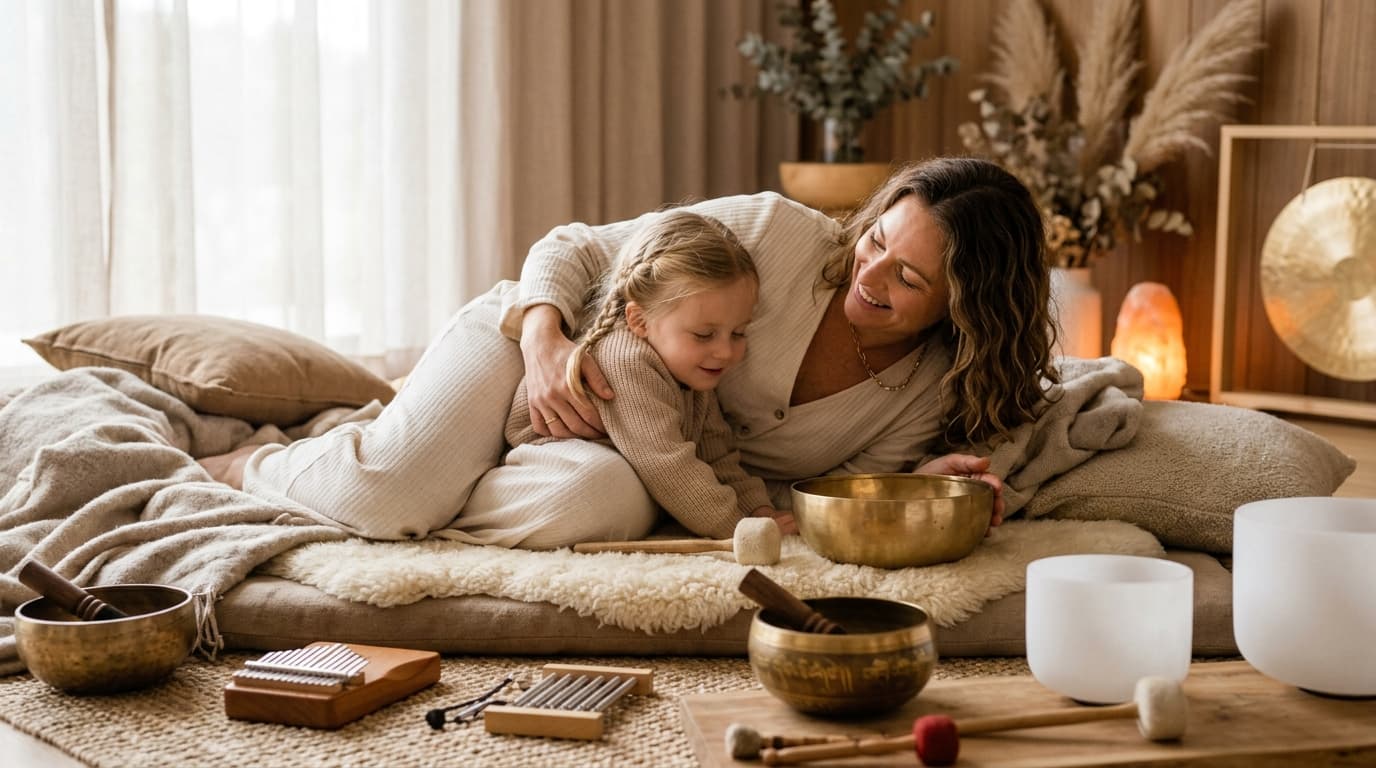
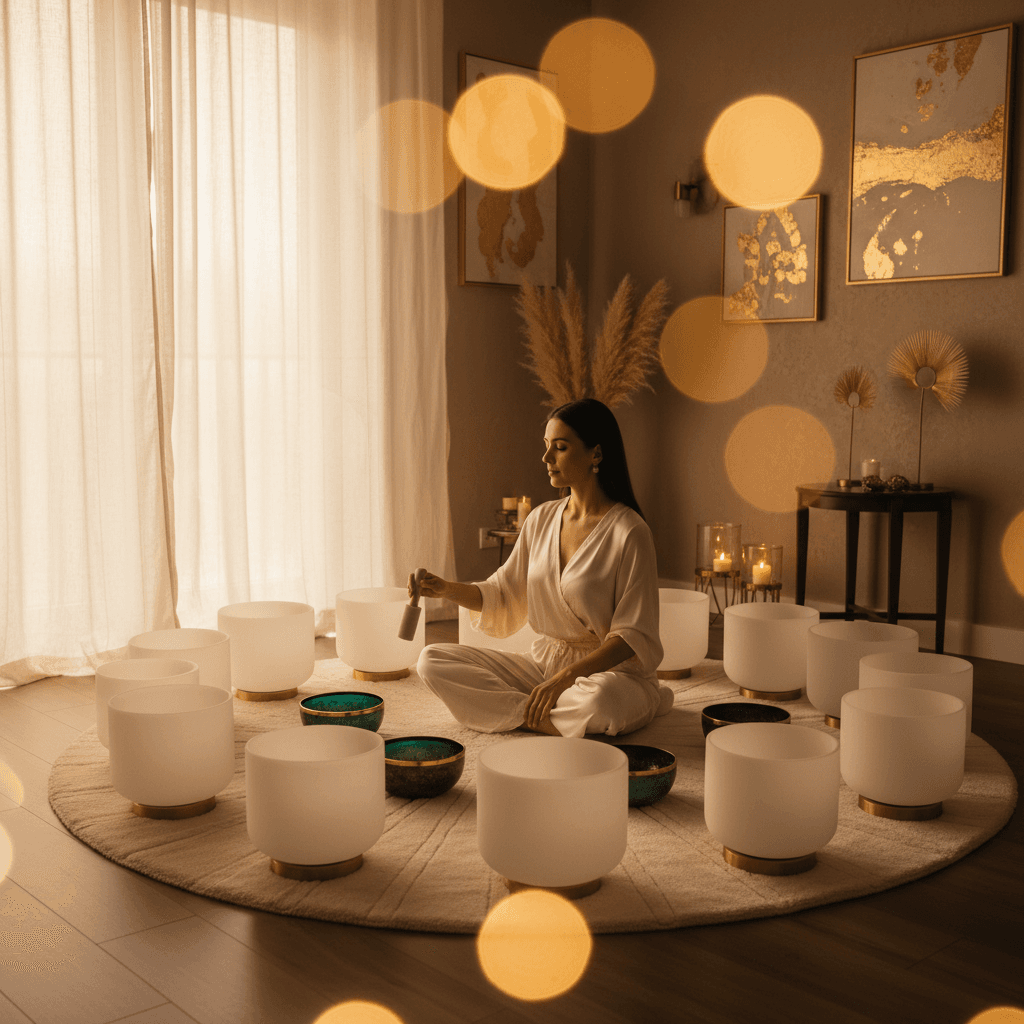
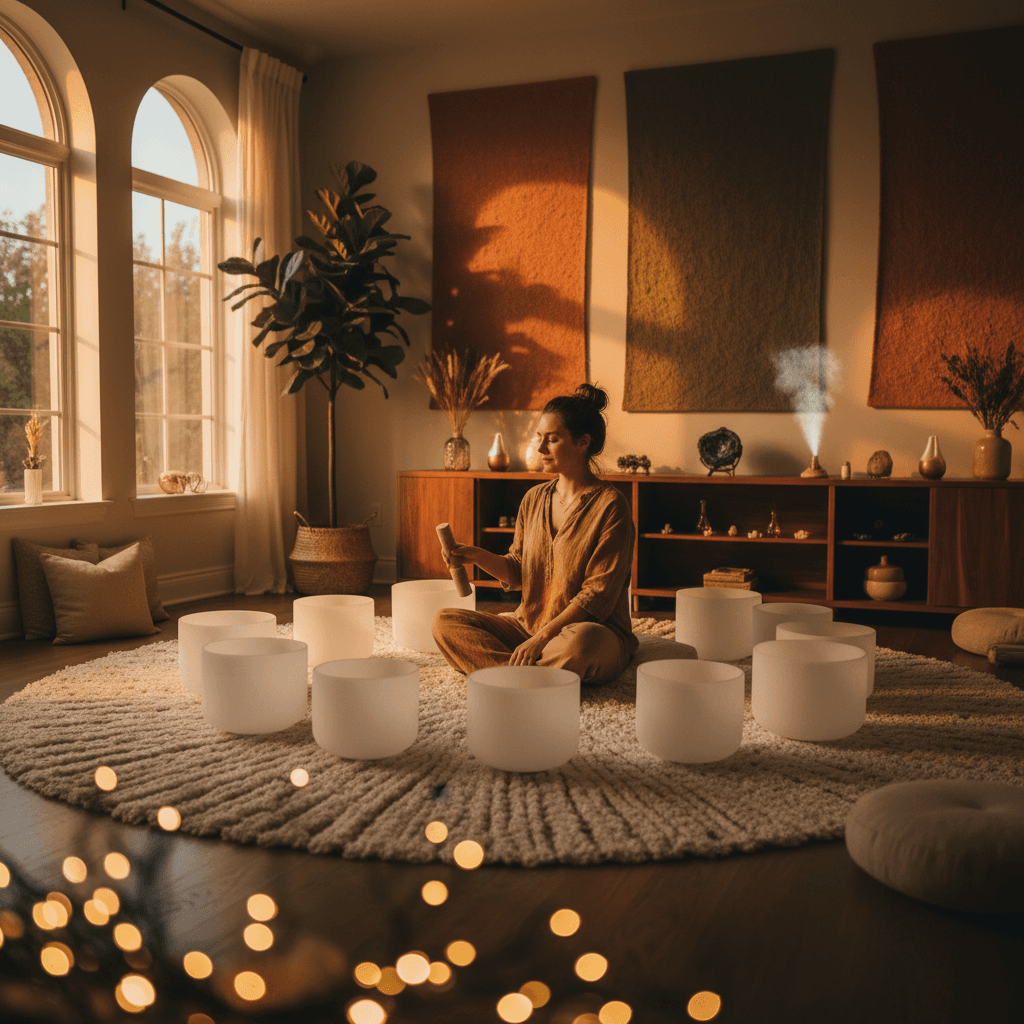
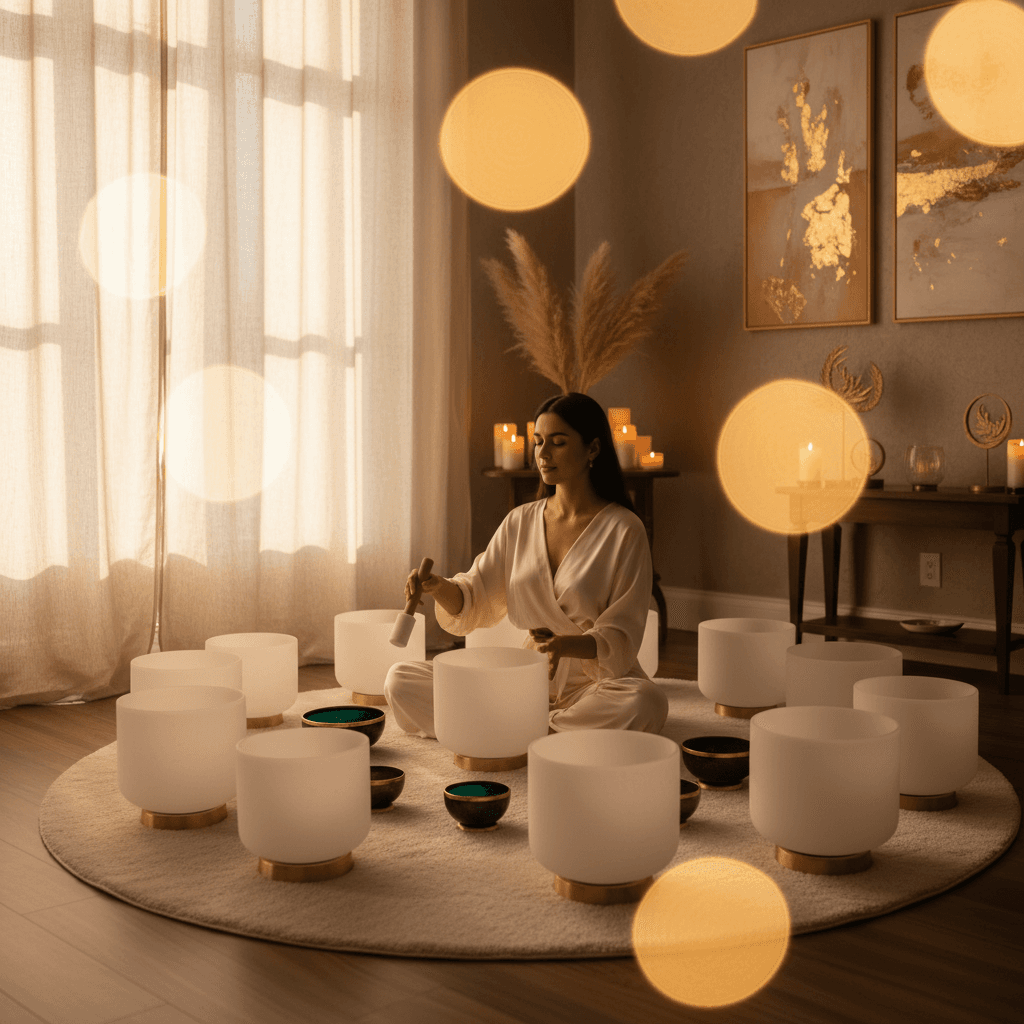
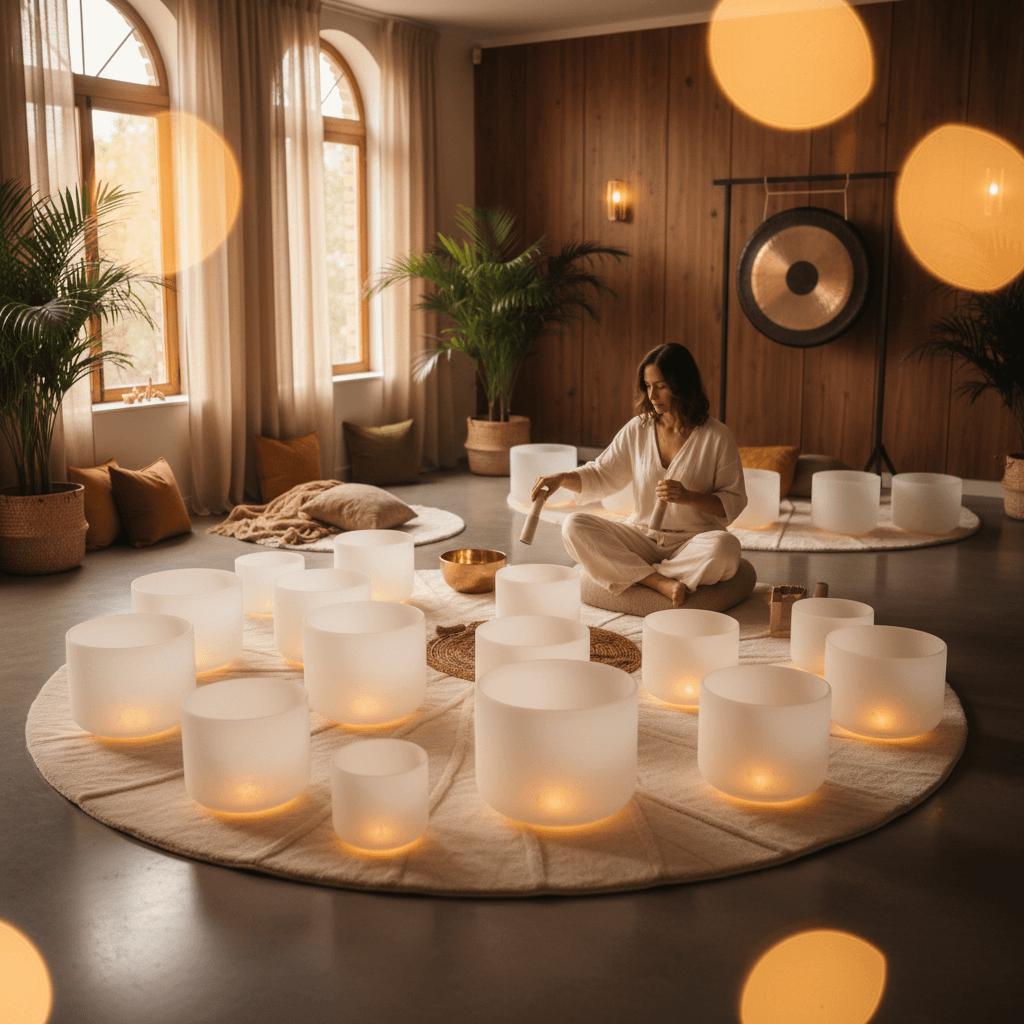
The instruments utilized by Larissa are carefully selected for their unique vibrational qualities and resonant frequencies. These include traditional Tibetan singing bowls, crystal singing bowls, gongs, chimes, and other resonant tools, each capable of producing profound sonic textures. The interplay of these instruments creates rich, harmonic soundscapes that envelop the participant, promoting a state of profound calm and introspection. The low, sustained tones and powerful vibrations are strategically employed to guide the brain into deeper meditative states, facilitating the release of emotional blockages and fostering a sense of inner peace.
"At Soul Art, we believe that sound is a gentle yet powerful guide, offering a non-linear path to processing the unspoken grief that often accompanies illness. It's about creating a space where the nervous system can find solace, and the heart can begin to heal."
Larissa's expertise lies in her ability to intuitively craft these sound journeys, responding to the subtle energy of the room and the needs of her clients. The Soul Art method emphasizes supporting the nervous system, which is often dysregulated by chronic stress and trauma. By gently nudging the body and mind towards a state of coherence and balance, Soul Art sessions may support individuals in developing greater emotional resilience, finding acceptance amidst change, and rediscovering a sense of well-being even in the face of profound loss.
Your Next Steps
Navigating health grief is a deeply personal journey, often requiring patience, self-compassion, and a willingness to explore new avenues of support. While sound wellness is a powerful complementary approach, integrating other mindful practices into your daily life can further enhance your emotional resilience and overall well-being. Here are some actionable steps you can implement today to support your journey:
- Practice Conscious Breathing: Even short periods of focused, deep breathing can significantly calm your nervous system. Try the 4-7-8 technique: inhale for 4 counts, hold for 7, exhale for 8. Repeat several times throughout the day, especially during moments of stress or sadness.
- Mindful Listening to Calming Sounds: Create a personal playlist of soothing nature sounds, instrumental music, or gentle frequencies. Dedicate a few minutes each day to simply listen without distraction, allowing the sounds to wash over you and promote relaxation.
- Journal Your Emotions: Writing can be a powerful tool for processing complex feelings. Dedicate time to journaling about your experiences, acknowledging your grief, fears, and hopes without judgment. This practice can provide clarity and release.
- Seek Supportive Communities: Connect with others who understand your experience. Whether online forums, local support groups, or trusted friends, sharing your journey can reduce feelings of isolation and foster a sense of belonging.
- Explore Complementary Wellness Practices: Consider incorporating practices like gentle yoga, meditation, or sound wellness into your routine. These modalities may support stress reduction and emotional balance, working alongside any other support you may be receiving.
If you are seeking a deeper, more immersive experience to support your emotional landscape, consider exploring the transformative potential of sound wellness. Larissa Steinbach and the dedicated team at Soul Art in Dubai are here to provide a sanctuary where you can begin to process, release, and integrate your experiences. We invite you to discover how intentionally crafted soundscapes can guide you towards profound relaxation and inner healing.
In Summary
Health grief is a profound and often unrecognized journey of loss, intricately linked with emotional distress and, at times, trauma. The scientific evidence suggests that sound, particularly through modalities like binaural beats and therapeutic vibrations, offers a powerful, complementary pathway to support the nervous system, reduce symptoms of stress and anxiety, and foster emotional processing. Soul Art, under the compassionate guidance of Larissa Steinbach, provides a unique and personalized sound wellness experience in Dubai. By carefully curating soundscapes and utilizing resonant instruments, Soul Art creates a sanctuary for individuals navigating the complexities of health grief, helping them to find solace, restore balance, and cultivate inner resilience. We encourage you to explore this transformative wellness practice and embark on a journey of healing through sound.
Bookings Coming Soon
Soul Art is still in preparation. Session details and booking will be published here after launch.
Coming Soon
Wellness Disclaimer: This article is for educational and informational purposes only. It does not constitute medical advice, diagnosis, or treatment. Soul Art Dubai provides non-medical wellness experiences focused on relaxation, stress management, and general wellbeing. Sound wellness is a complementary practice and should not replace professional medical care.