The Unseen Crisis: How Sound Shapes Outcomes in ICU Settings
Key Insights
Explore the profound impact of noise pollution in ICUs on patient outcomes and staff well-being, and discover how intentional sound design, championed by Soul Art's Larissa Steinbach, offers a path to healing environments.
The intensive care unit (ICU) is a realm of paradox: a place of intense vigilance and life-saving intervention, yet often an environment contributing to significant patient distress and, tragically, poorer outcomes. While medical interventions are meticulously honed, one critical element often remains overlooked: the pervasive sonic landscape. Imagine a space designed for healing, yet characterized by relentless alarms, the drone of machinery, and constant conversations, all converging into a cacophony that assaults the senses.
Startling research suggests that the auditory environment of an ICU can have profound, even life-altering, effects on patients, often impacting their recovery trajectories and quality of life post-discharge. This article delves into the scientifically recognized challenges posed by sound in hospital settings, particularly within ICUs, and explores how an understanding of sound principles, as practiced by pioneers like Larissa Steinbach at Soul Art, offers invaluable insights for fostering genuinely healing environments. We will uncover the hidden stressors of hospital noise and illuminate a path towards integrating intentional sound for enhanced well-being.
The Science Explained: Unpacking the Sonic Burden of the ICU
Intensive care units, by their very nature, are hubs of complex medical activity. This intense environment often leads to sound levels that far exceed recommended health guidelines, creating an auditory landscape that can be detrimental to both patients and healthcare providers. Understanding the science behind this sonic stress is crucial for appreciating its profound impact.
Noise Pollution: A Relentless Acoustic Assault
ICUs are consistently acknowledged for their propensity for noise. Research from the Scientific Reports journal highlights that these units often exhibit significantly higher sound levels on average compared to other hospital departments. This constant barrage is primarily attributed to a high concentration of medical devices, each with its own operational sounds and alarms, coupled with the ceaseless activity of medical staff. The result is an acoustic environment characterized by a concoction of alarms from therapeutic and monitoring devices, alongside sounds from patient repositioning, medication administration, and suctioning.
One study, conducted within a six-bedded bay of the Royal Liverpool University Hospital (RLUH) ICU, found that sound levels considerably exceeded national and international guidelines. This pervasive noise is not merely an annoyance; it represents a fundamental challenge to patient recovery and staff well-being. Historically, hospitals have also grown noisier over time, with a review of published data over the past 50 years suggesting an average increase of 15 dB since the 1960s, effectively more than doubling the perceived noise levels. This trend underscores a growing, often unaddressed, environmental health concern within critical care.
The Physiological Toll of Sensory Overload
The constant, excessive noise in ICUs contributes significantly to what is known as sensory overload. This overload is not limited to sound but often includes bright fluorescent lights, strange scents, and visually cluttered patient rooms. A research study on sleep in the ICU, published in the Journal of Intensive Care Medicine in 2016, suggests that prolonged sensory stress can profoundly impact the body’s ability to heal and may even prolong hospital stays.
For patients already in a fragile state, this continuous stimulation triggers physiological reactions. The body’s stress response system activates, leading to increased heart rate, elevated blood pressure, and heightened anxiety. These responses divert crucial energy away from the healing process, potentially compromising recovery. Furthermore, the persistent stress can deplete cognitive resources, making it harder for patients to rest and regain strength. The Gresham Smith research highlights that typical hospital sounds like beeping equipment, noisy supply carts, and loud conversations, combined with other sensory stressors, trigger these adverse physiological reactions for everyone in the space.
Alarm Fatigue: A Dangerous Desensitization
One of the most critical aspects of ICU noise is the sheer volume of alarms. Healthcare professionals can be exposed to up to 1,000 alarms during a single shift. While these alarms convey important patient safety information, a study found that only approximately 15% of all alarms in the critical care unit environment were clinically relevant. This overwhelming number of false or non-critical alarms leads to a dangerous phenomenon known as alarm fatigue.
Alarm fatigue is a desensitization caused by sensory overload, which can result in healthcare providers missing crucial alarms. The US FDA reported 566 alarm-related deaths between 2005 and 2010, directly linked to this issue. The problem is exacerbated by global standards introduced to ensure consistency, which ironically made many alarms sound alike in timbre, frequency, and tone. Researchers are now exploring alternative musical sounds, such as those with "percussive" timbre (like clinking wine glasses), which can stand out even at low volumes, as opposed to loud, "flat" tones (like a truck's reversing beep) that tend to get lost. This highlights the urgent need for a more thoughtful approach to sound design, even in the most critical settings.
Disrupted Sleep and Diminished Recovery
Sleep disruption is exceptionally common among patients in the ICU. The constant noise environment is a primary culprit, directly impeding restorative sleep, which is vital for healing and recovery. A cross-sectional cohort study published in Scientific Reports aimed to evaluate the impact of sound levels on patient sleep. It found a negative correlation between sound levels and sleep duration, with peak sound levels (LAmax) having the strongest negative correlation. The study indicated that sound levels above 57.9 dB were associated with significantly shorter sleep durations.
For context, the World Health Organization (WHO) Guidelines for Community Noise advise that sound levels in hospitals should not exceed 35 dB for Leq (average sound level) and 40 dB for Lmax (maximum sound level) in areas where patients are observed or treated. The average sound level measured during "sleep-protected time" in the aforementioned study was 47 dB (with peak levels at 57.9 dB), far exceeding WHO recommendations. Sources of sleep-disrupting sound were numerous, including pressure-relieving mattresses, snoring, and even radios, with some easily modifiable (e.g., changing metal waste bins to plastic) and others, like continuous renal replacement therapy, being unavoidable. Improving sleep duration for ICU patients necessitates identifying and mitigating these sound sources wherever possible.
This body of research underscores a critical insight: the sonic environment of an ICU is not merely background; it is an active participant in patient outcomes. Its influence extends from physiological stress and compromised healing to alarming levels of desensitization among caregivers, collectively contributing to poorer patient well-being and, in some cases, contributing to the frequency of death in hospital following ICU discharge, as indicated by studies like the LUNG SAFE study.
How It Works in Practice: Crafting Environments of Restorative Sound
Understanding the detrimental effects of uncontrolled noise in critical care settings prompts a vital question: if chaotic sound can harm, can intentional, harmonious sound promote healing and well-being? The answer lies in transforming the sonic landscape from an accidental stressor into a deliberate support system. While Soul Art does not operate directly within hospitals, our foundational principles of sound wellness offer a powerful conceptual framework for creating more restorative environments, even in medically challenging spaces.
The fundamental shift involves moving from merely reducing noise to actively designing for positive acoustic experiences. This includes both architectural interventions and the strategic introduction of therapeutic sound. For instance, the Tallahassee Memorial Hospital (TMH) ICU Sensory Stress Research Study demonstrated how architectural elements successfully mitigate sound and overall distractions. Acoustically rated glass around nurses' stations, internal corridors for noisy back-of-house activities, and decentralized work niches for monitoring helped to create a quieter environment. These design considerations are concrete steps towards reducing the immediate sensory overload.
Beyond structural changes, the deliberate integration of sound for relaxation and stress management can be transformative. Imagine a stark contrast to the typical ICU cacophony: gentle, calming soundscapes carefully curated to soothe the nervous system. These could be subtle ambient tones, nature sounds, or soft, harmonic melodies introduced at appropriate times, particularly during rest periods. Such intentional sound can gently guide the brain into states conducive to relaxation, reducing the physiological markers of stress that are so prevalent in high-pressure medical environments.
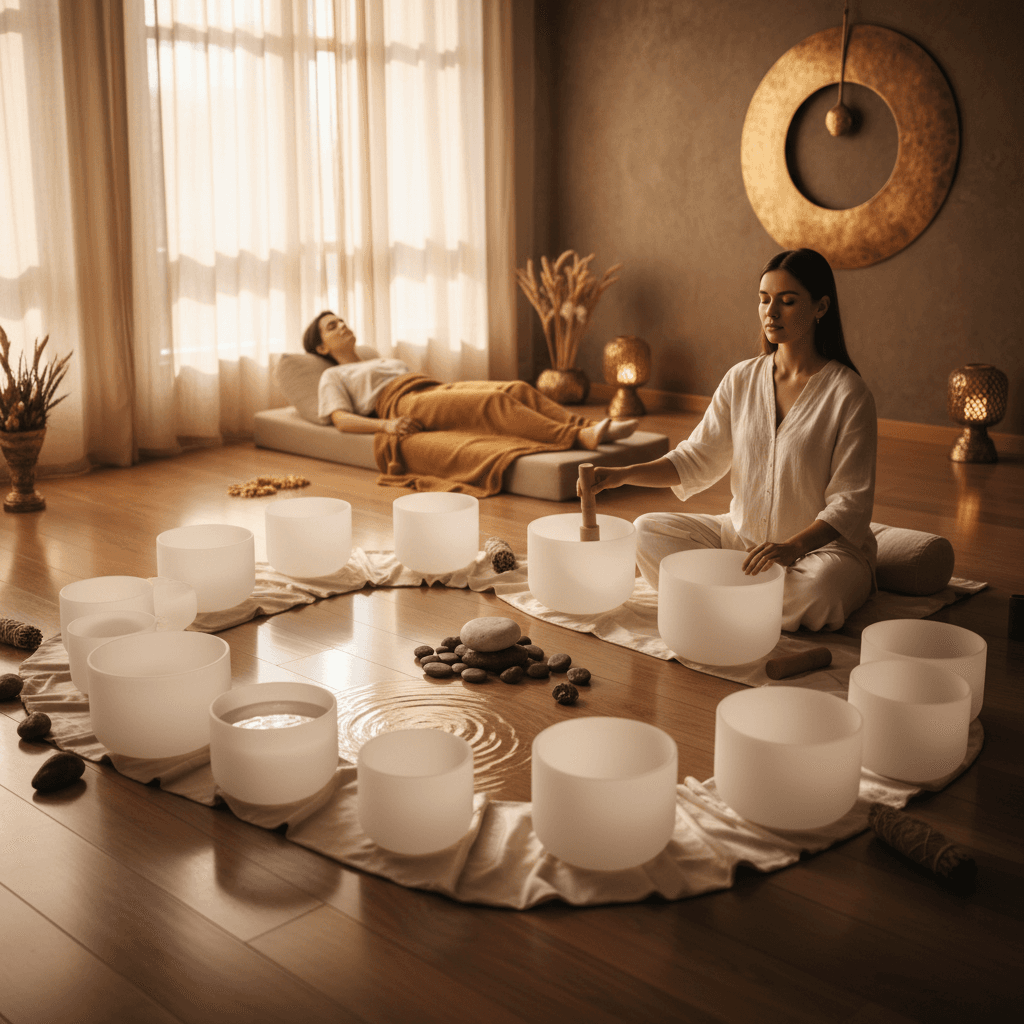
When a client experiences sound wellness, the process is deeply immersive and sensory. The aim is to create a profound sense of peace and safety through auditory stimulation. The sounds are not loud or intrusive; rather, they are designed to resonate deeply within the body, encouraging a natural unwinding of tension. The client might feel subtle vibrations, hear rich overtones, and perceive a profound sense of spaciousness and stillness. This experience stands in stark opposition to the harsh, jarring sounds of an ICU, which trigger the body's fight-or-flight response.
"The difference between noise and sound is intention. Noise is chaotic; sound, when harmonized with purpose, is a profound pathway to peace and presence."
For patients, even in a recovery ward post-ICU, the introduction of therapeutic sound could support faster recovery by promoting deeper rest and reducing anxiety. A more peaceful auditory environment supports the mind-body connection crucial for healing. By minimizing the internal "noise" of stress and anxiety, the body may dedicate more energy to repair and rejuvenation. This is not about replacing medical care but about enhancing the holistic well-being of the patient, fostering an environment where the natural healing capacities of the body are optimally supported. This approach aligns perfectly with Soul Art's philosophy of using sound as a complementary approach to overall wellness.
The Soul Art Approach: Larissa Steinbach's Vision for Sonic Well-being
At Soul Art, Dubai's premier sound wellness studio, Larissa Steinbach has cultivated a sanctuary built on the profound understanding that sound is not merely heard but deeply felt. Her approach goes beyond simply reducing noise; it actively harnesses the power of intentional sound to facilitate deep relaxation, mental clarity, and emotional balance, demonstrating a vision for well-being that resonates far beyond the studio walls. Larissa Steinbach’s philosophy is rooted in the belief that a carefully curated sonic environment can profoundly influence our inner state, supporting the body's innate ability to find equilibrium and peace.
What makes the Soul Art method unique is its blend of ancient wisdom and contemporary understanding of sound physics. Larissa Steinbach designs experiences that are bespoke, recognizing that each individual's needs for wellness and relaxation are distinct. Her sessions are not passive listening; they are immersive journeys where the resonance of carefully chosen instruments interacts with the body's energy fields, encouraging a shift from states of stress to profound calm. This meticulous curation directly contrasts with the accidental and often harmful soundscapes found in critical care units.
At Soul Art, Larissa utilizes a spectrum of high-quality, resonant instruments, each selected for its unique vibrational qualities. These typically include Himalayan singing bowls, which emit complex overtones that can entrain brainwaves into meditative states; crystal singing bowls, known for their pure, sustained tones that resonate with the body's cellular structure; and gongs, which produce a rich tapestry of sound that can induce deep relaxation and even altered states of consciousness. Chimes, tuning forks, and other percussive elements are also thoughtfully integrated to create a dynamic yet harmonious soundscape.
These instruments are played with precision and intuition, creating a symphony of vibrations that bathe the individual in soothing frequencies. The experience is designed to gently guide the nervous system into a parasympathetic (rest and digest) state, counteracting the sympathetic (fight or flight) dominance often triggered by everyday stressors, and certainly by the intense environment of an ICU. This targeted engagement of the nervous system is a core principle behind sound wellness and its potential to support the body’s healing capacities.
Larissa Steinbach's work at Soul Art exemplifies how sound can be a powerful stress management tool and a holistic wellness practice. By creating spaces where every sound is purposeful and nurturing, she offers an antidote to the sonic chaos of modern life, and implicitly, a blueprint for how sensitive sound environments could mitigate the sensory overload experienced by patients and staff in high-stress settings like ICUs. The luxurious and tranquil atmosphere of Soul Art ensures that clients not only relax but also embark on a journey of self-discovery and profound restoration.
Your Next Steps: Cultivating Sonic Serenity in Your Life
The insights gleaned from hospital settings underscore a universal truth: our auditory environment profoundly shapes our well-being. While we may not all be in ICUs, the principles of managing sound for health are applicable to everyone. Understanding the impact of noise and the potential of intentional sound empowers us to cultivate greater peace and resilience in our daily lives. Here are practical steps you can implement today to enhance your sonic well-being:
- Mindful Listening and Awareness: Begin by simply noticing the sounds around you. Are they contributing to stress or calm? Identify sources of unnecessary noise in your home or workspace and consider how you might mitigate them. This conscious awareness is the first step towards creating a more harmonious environment.
- Create Quiet Zones: Designate specific areas in your home as "quiet zones" where technology is minimized, and calming sounds or silence are prioritized. This could be a reading nook, a meditation corner, or simply your bedroom, ensuring it’s a sanctuary for rest and rejuvenation.
- Incorporate Calming Sounds: Actively introduce sounds that promote relaxation. This might include gentle nature sounds (rain, ocean waves, birdsong), soft instrumental music, or ambient soundscapes. Many people report that these sounds help to mask disruptive noises and foster a sense of tranquility.
- Prioritize Digital Detox: Regularly disconnect from electronic devices and the constant stream of notifications. The pings and alerts contribute to sensory overload, mimicking the "alarm fatigue" experienced in critical care settings. Schedule specific times for digital quiet to allow your mind to truly rest.
- Explore Sound Wellness Practices: Consider experiencing a professional sound bath or sound meditation. These complementary approaches offer a unique opportunity to immerse yourself in therapeutic vibrations, guided by an expert. Many people report profound relaxation and stress reduction from these sessions.
Embracing these steps can transform your personal environment into a supportive space, reducing the cumulative stress that everyday noise can inflict. Just as hospitals are exploring better sound design, you can proactively shape your own acoustic world for better health.
Ready to explore the profound depths of relaxation and discover the transformative power of intentional sound? Soul Art, led by Larissa Steinbach, invites you to experience a bespoke journey into sonic well-being.
In Summary
The unseen crisis of noise pollution in intensive care units presents a significant challenge to patient recovery and staff well-being, contributing to stress, sleep disruption, and alarm fatigue. Scientific studies clearly demonstrate how chaotic sound environments can impede healing, prolong hospital stays, and impact overall patient outcomes, even influencing the frequency of death post-ICU discharge. This underscores the critical need for a paradigm shift in how we perceive and design auditory spaces, especially in sensitive environments.
By understanding the principles of sound, we can move beyond mere noise reduction to actively cultivate healing environments that support the body's natural restorative processes. Larissa Steinbach and Soul Art exemplify this vision, offering a sanctuary where intentional sound is meticulously crafted to promote deep relaxation, mental clarity, and holistic wellness. Experience the profound difference that conscious sound design can make in your life, fostering an inner calm that empowers your well-being.
Bookings Coming Soon
Soul Art is still in preparation. Session details and booking will be published here after launch.
Coming Soon
Wellness Disclaimer: This article is for educational and informational purposes only. It does not constitute medical advice, diagnosis, or treatment. Soul Art Dubai provides non-medical wellness experiences focused on relaxation, stress management, and general wellbeing. Sound wellness is a complementary practice and should not replace professional medical care.
Related Articles
The Role of Sound in Cultural Death Practices
Death Doulas & Sound: Enhancing Peace in End-of-Life Journeys

Sound's Gentle Embrace: Supporting Late Alzheimer's with Sonic Wellness