Sound Wellness for Hypertension: A Holistic Path to Calm
Key Insights
Explore how regular sound practice at Soul Art Dubai, led by Larissa Steinbach, may support hypertension management through deep relaxation.
Did you know that chronic stress is a significant contributor to elevated blood pressure, affecting millions worldwide? Hypertension, or high blood pressure, is a silent condition that dramatically increases the risk of heart disease, stroke, and other serious health complications. While traditional medical approaches are crucial, many individuals are seeking complementary wellness practices to support their overall cardiovascular health.
At Soul Art, Dubai’s premier sound wellness studio, we explore the profound potential of sound practice as a powerful tool for relaxation and stress management. This article delves into the science behind how regular engagement with therapeutic sound, guided by experts like our founder Larissa Steinbach, may contribute to a more balanced physiological state. We'll uncover how these ancient practices, refined for modern wellbeing, could play a role in a holistic approach to hypertension management.
Discover how integrating sound into your routine can offer a pathway to deeper calm, reducing the internal pressures that often contribute to an elevated blood pressure reading. It's about nurturing your body's innate ability to relax and restore.
The Science Explained: How Sound May Influence Blood Pressure
Hypertension is a complex condition, but its link to stress and the nervous system is well-established. Understanding this connection is key to appreciating how complementary practices like sound wellness may offer meaningful support. Our bodies are intricately designed, and external stimuli, particularly sound, can profoundly impact our internal landscape.
Understanding Hypertension and its Risks
Hypertension is defined by persistently high blood pressure, typically when readings consistently exceed 140/90 mm Hg for most adults, though ideal readings are often considered less than 120/80 mm Hg. This condition places extra strain on the heart and blood vessels, leading to a cascade of potential health issues over time. Effective management requires a comprehensive approach encompassing lifestyle modifications, and often, pharmacological interventions.
While significant progress has been made in prevention and treatment, ongoing research continues to explore diverse strategies to improve outcomes for those affected. The goal of treatment is to manage hypertension and to address all other identified risk factors for cardiovascular disease, including lipid disorders, glucose intolerance, obesity, and smoking.
The Autonomic Nervous System and Stress
At the heart of how sound influences blood pressure lies the autonomic nervous system (ANS), which controls involuntary bodily functions like heart rate, digestion, and blood pressure. The ANS has two main branches: the sympathetic nervous system (our "fight-or-flight" response) and the parasympathetic nervous system (our "rest-and-digest" response). In today's fast-paced world, many of us spend too much time in a sympathetic dominant state due to chronic stress.
When the sympathetic system is overactive, it constricts blood vessels, increases heart rate, and elevates blood pressure. Sound practices, particularly those designed to induce deep relaxation, aim to activate the parasympathetic nervous system. This activation can lead to a slowing of heart rate, dilation of blood vessels, and a general state of physiological calm, all of which may contribute to blood pressure regulation.
Sound Practice: A Bridge to Relaxation
Sound practice, often referred to as sound wellness or sound bathing, involves immersing oneself in therapeutic sound frequencies and vibrations. These practices are believed to facilitate deep relaxation, which is a critical component in stress reduction and, by extension, blood pressure control. The resonant frequencies are thought to encourage the brain to shift from beta brainwave states (associated with alertness and anxiety) to alpha (relaxed wakefulness) and theta states (deep relaxation, meditation).
The mechanism involves both auditory perception and vibratory sensation, which can soothe the nervous system and quiet the mind. By focusing on the sounds, individuals can disengage from stressful thoughts, allowing the body to enter a profound state of rest. This shift helps to counterbalance the effects of chronic stress on the cardiovascular system.
Evidence from Research: Sound and Blood Pressure
Emerging research and existing studies provide intriguing insights into the potential of sound-based practices to support blood pressure management. While the evidence supporting the efficacy of these interventions remains limited and further research is needed, preliminary findings are encouraging. Many studies consider these interventions as complementary therapies that may help reduce stress and promote relaxation, contributing to blood pressure control.
For instance, a study on Transcendental Meditation, a practice involving sound (mantras), observed significant declines in blood pressure. After three months, men experienced an average systolic blood pressure (SBP) decrease of 12.7 mm Hg and diastolic blood pressure (DBP) decrease of 8.1 mm Hg. Women showed SBP decreases of 10.4 mm Hg and DBP decreases of 5.9 mm Hg. This highlights the potential of sound-based meditation techniques.
Furthermore, a study on relaxing music therapy demonstrated positive effects among pre-hypertensive young adults. After just four weeks, the experimental group showed a significant reduction in SBP, dropping from 128.67 mmHg to 119.94 mmHg, an average reduction of 8.73 mmHg. Other randomized controlled trials and systematic reviews have similarly reported that relaxation music, employed for durations ranging from six weeks to six months, can reduce SBP in various populations, including the elderly, pre-hypertensive pregnant women, and patients with stage 2 hypertension.
International research also supports these findings. Researchers in Turkey, for example, investigated the effects of Turkish classical music on hypertension patients, revealing significant positive effects, with a mean reduction of SBP of 13.00 mm Hg in the experimental group. These studies collectively suggest that musical and sound-based interventions can elicit statistically significant reductions in blood pressure. The consensus from multiple studies is that a longer duration and greater repetitiveness of musical interventions may lead to a more substantial reduction in blood pressure, making consistent practice potentially more effective.
"The subtle power of sound, when intentionally harnessed, has the capacity to quiet the mind and calm the body, potentially rebalancing our most vital systems."
While lifestyle modifications such as regular physical activity (at least 150 minutes per week of moderate-intensity activity) and dietary changes (like the DASH diet, which can lower SBP by 5.5 mm Hg and DBP by 3 mm Hg) are foundational for hypertension management, sound practices offer a unique avenue for stress reduction that complements these efforts. They do not replace conventional treatments but rather offer a valuable adjunct for holistic wellness.
How It Works in Practice: The Transformative Experience of Sound
Connecting the scientific understanding of sound's impact on the nervous system to the lived experience of a sound practice reveals its profound potential. A sound session at Soul Art is far more than just listening to music; it is an immersive, vibrational journey designed to guide the body into deep states of relaxation.
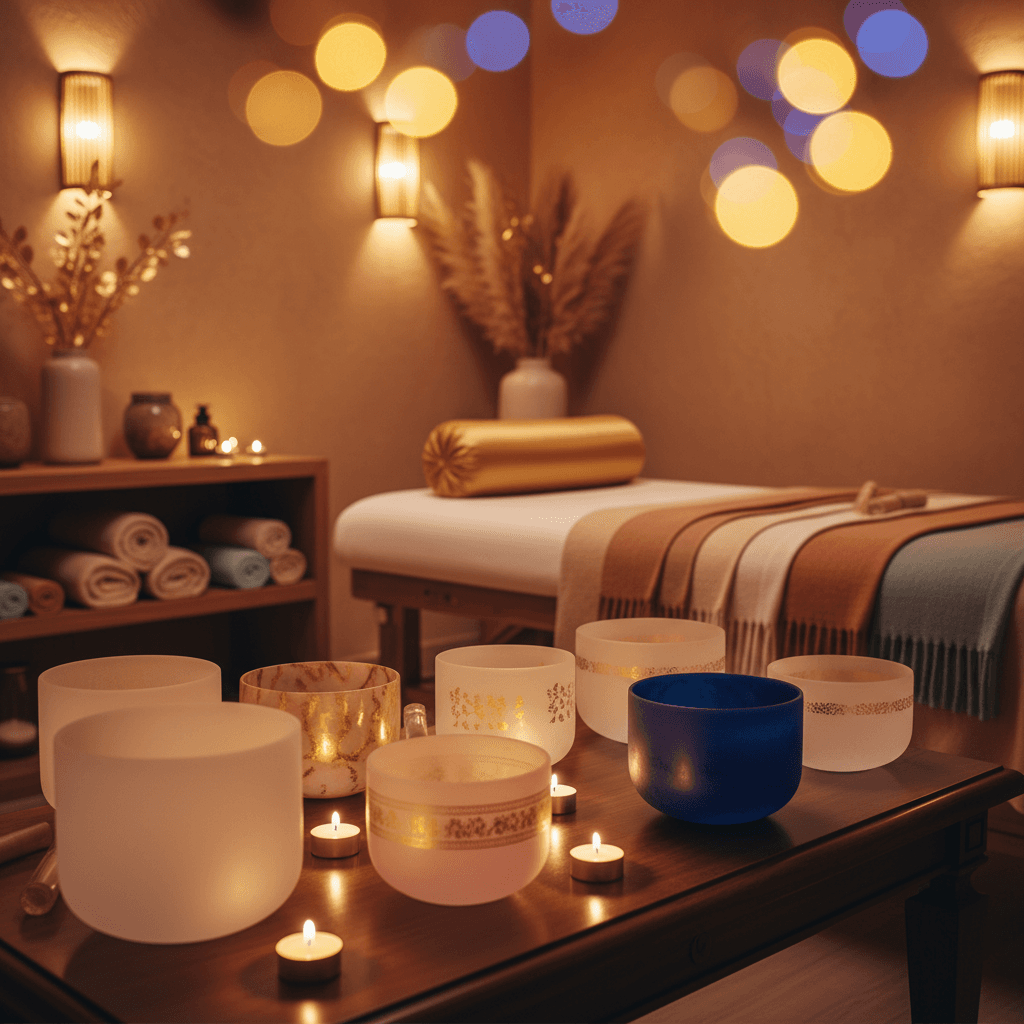
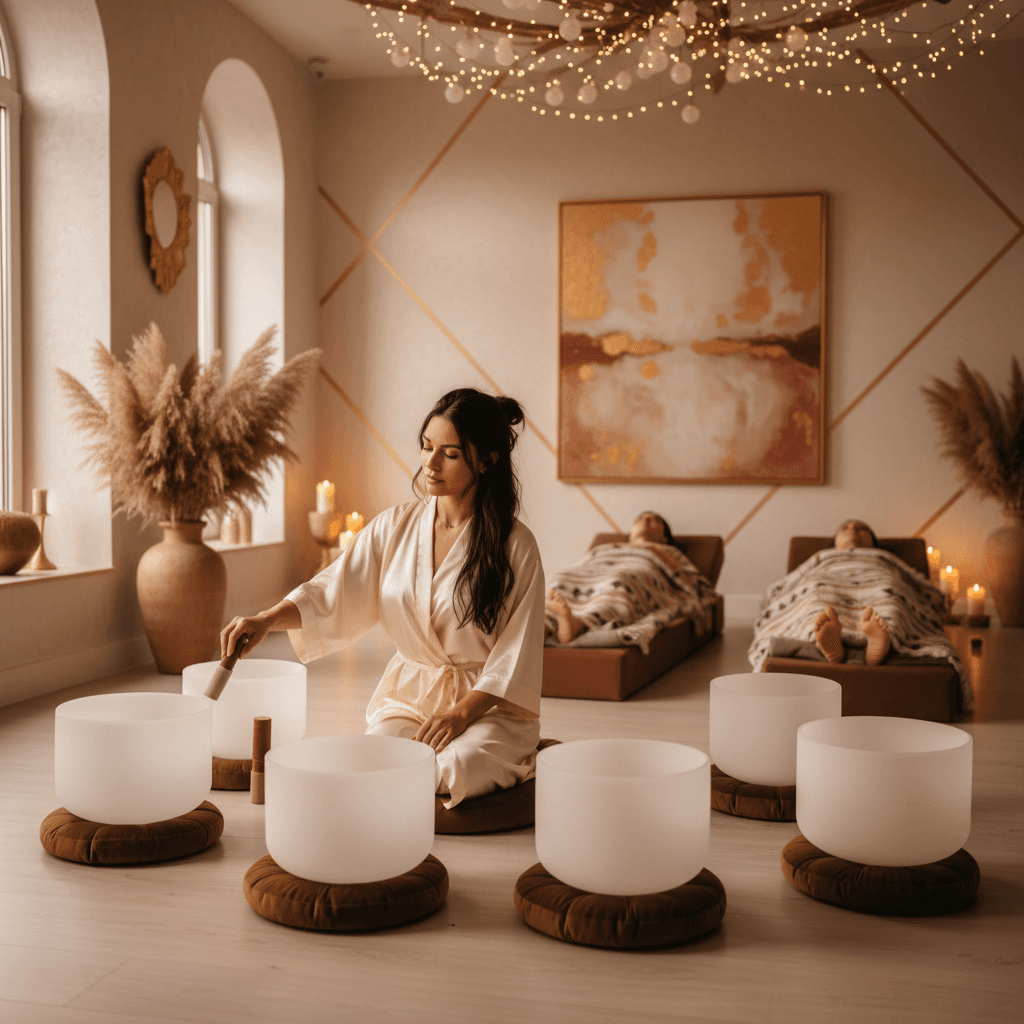
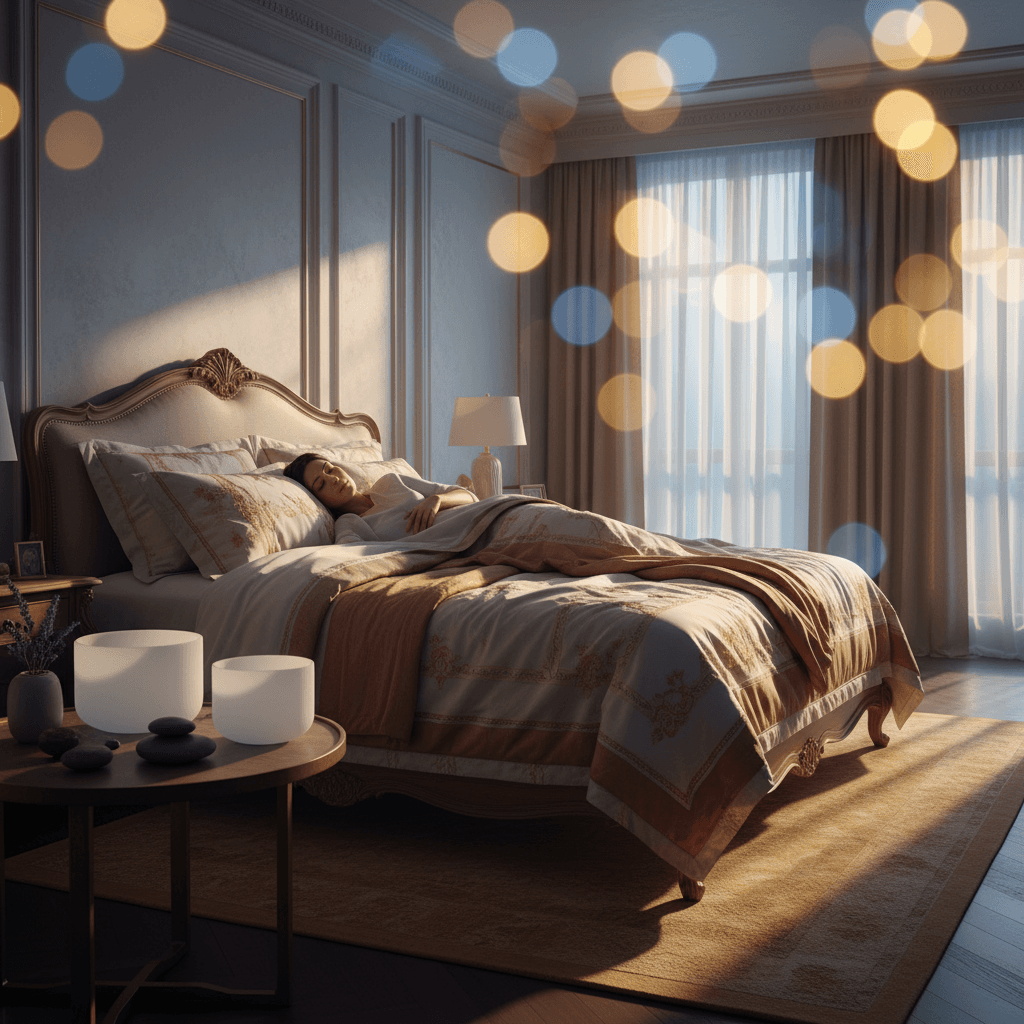
Upon entering a sound space, clients are enveloped in an atmosphere specifically crafted for tranquility. The environment is often dimly lit, with comfortable mats and blankets inviting participants to lie down and surrender to the experience. The practitioner then introduces a carefully selected array of instruments, each with its unique resonance and vibratory qualities.
As the session begins, sounds wash over the body, not just through the ears but as palpable vibrations. Instruments like crystal singing bowls produce pure, sustained tones that resonate deeply within the body's cells and tissues. Gongs create complex, rich overtones that can feel like waves moving through you, dislodging tension and quietening the mental chatter. Chimes and tuning forks add delicate, precise frequencies, further enhancing the meditative state.
The experience is deeply sensory. You might feel a gentle tingling, a subtle warmth, or a profound sense of weightlessness as your muscles begin to release their habitual holding patterns. The mind, often busy with thoughts and worries, finds itself mesmerized by the intricate layers of sound. This focus on auditory input provides a natural anchor, allowing the brain to effortlessly shift into more relaxed brainwave states.
Many people report that during a session, they experience a profound sense of calm, a reduction in anxiety, and a feeling of being deeply supported. The journey can lead to a release of emotional tension, a clearer mind, and a sense of renewal. After a session, clients often emerge feeling refreshed, grounded, and with a noticeable decrease in their internal stress levels. This post-session tranquility is where the lasting benefits of regular practice begin to integrate into daily life, offering a sustained sense of peace that may indirectly support overall physiological balance, including blood pressure regulation.
The Soul Art Approach: Larissa Steinbach's Signature Method
At Soul Art, Larissa Steinbach has meticulously developed a signature approach to sound wellness that harmonizes ancient wisdom with contemporary scientific understanding. Her vision for Soul Art is to create a sanctuary where individuals can tap into the restorative power of sound for holistic wellbeing. This approach is not merely about playing instruments; it's about curating an intentional soundscape designed to facilitate deep physiological and mental shifts.
What makes the Soul Art method truly unique is Larissa's profound understanding of vibrational physics and her intuitive ability to select and combine instruments for optimal effect. She integrates a diverse range of therapeutic instruments, including high-quality crystal singing bowls, Himalayan singing bowls, symphonic gongs, chimes, and tuning forks. Each instrument is chosen for its specific frequency and capacity to evoke particular responses in the body and mind.
Larissa often begins sessions with grounding sounds to help participants settle into the space, followed by a progression of resonant frequencies that encourage the brain to move into alpha and theta states. Her guidance during the sessions is gentle yet profound, helping individuals to release tension and open themselves to the healing vibrations. The experience is deeply personalized, even in group settings, as Larissa intuitively responds to the energy of the room.
The Soul Art method emphasizes creating a safe and sacred space where vulnerability and deep relaxation can flourish. Larissa's expertise ensures that each session is a carefully orchestrated journey, designed to calm the nervous system, reduce mental chatter, and foster an environment conducive to the body's natural healing processes. This intentionality ensures that clients receive not just a sound bath, but a truly transformative wellness experience, reinforcing Soul Art’s commitment to sophisticated and impactful practices.
Your Next Steps: Integrating Sound into Your Wellness Routine
Embracing sound wellness as a complementary practice can be a beautiful addition to your overall health strategy, especially if you are managing stress or seeking support for blood pressure regulation. It's about consciously carving out time for deep relaxation and self-care. Here are some actionable steps you can take today to begin your journey.
- Integrate Regular Sound Practice: Consider making sound wellness a consistent part of your routine. Whether it's through guided sessions at a studio like Soul Art or by creating your own calming sound environment at home, regularity is key to experiencing sustained benefits. Many studies suggest that longer and more frequent exposure to therapeutic sounds can yield greater results for relaxation.
- Combine with Other Wellness Strategies: Sound practice is most effective when integrated into a comprehensive lifestyle approach. Continue to prioritize a balanced diet, regular physical activity, and adequate sleep. Sound wellness beautifully complements these foundational elements, enhancing their benefits by addressing the often-overlooked component of stress.
- Practice Mindful Breathing: Incorporate simple breathing exercises into your day. Deep, diaphragmatic breathing helps to activate the parasympathetic nervous system, synergizing with the relaxing effects of sound. Try to take a few slow, deep breaths before and after listening to calming sounds.
- Seek Professional Guidance: For those interested in exploring sound wellness, visiting a reputable studio with experienced practitioners is highly recommended. Experts like Larissa Steinbach at Soul Art can guide you through tailored experiences, ensuring you receive the maximum benefits in a safe and supportive environment.
- Listen to Calming Frequencies: Start by exploring free online resources or curated playlists featuring relaxing music, binaural beats, or nature sounds. While not a substitute for a professionally guided sound session, this can introduce you to the calming effects of sound and help you discover what resonates with you.
Soul Art is still in preparation. Session details and booking will be published here after launch. We invite you to experience the calming frequencies at Soul Art.
In Summary: Embracing Sound for a Balanced Life
Hypertension is a significant health concern, often exacerbated by the pervasive effects of chronic stress. While conventional medical treatments and lifestyle modifications form the cornerstone of its management, complementary practices like sound wellness offer a promising avenue for supporting overall cardiovascular health. By activating the body’s parasympathetic nervous system, sound practices may help reduce stress, lower heart rate, and promote the deep relaxation crucial for maintaining healthy blood pressure.
Research, though ongoing, suggests that regular engagement with therapeutic sound can lead to measurable reductions in systolic and diastolic blood pressure, reinforcing its role as a valuable stress management tool. At Soul Art, Larissa Steinbach and her team expertly harness the power of resonant frequencies to create immersive experiences designed to foster profound calm and wellbeing. Embracing sound wellness can be a harmonious step towards a more balanced, less stressed life, offering a sophisticated pathway to holistic health.
Bookings Coming Soon
Soul Art is still in preparation. Session details and booking will be published here after launch.
Coming Soon
Wellness Disclaimer: This article is for educational and informational purposes only. It does not constitute medical advice, diagnosis, or treatment. Soul Art Dubai provides non-medical wellness experiences focused on relaxation, stress management, and general wellbeing. Sound wellness is a complementary practice and should not replace professional medical care.
Related Articles
Vibration Therapy for Plantar Fasciitis: A Holistic Path to Foot Wellness
Frozen Shoulder: Sound Support for Enhanced Mobility & Ease
Harmonizing Breath: How Sound Wellness May Support Sleep Apnea Management