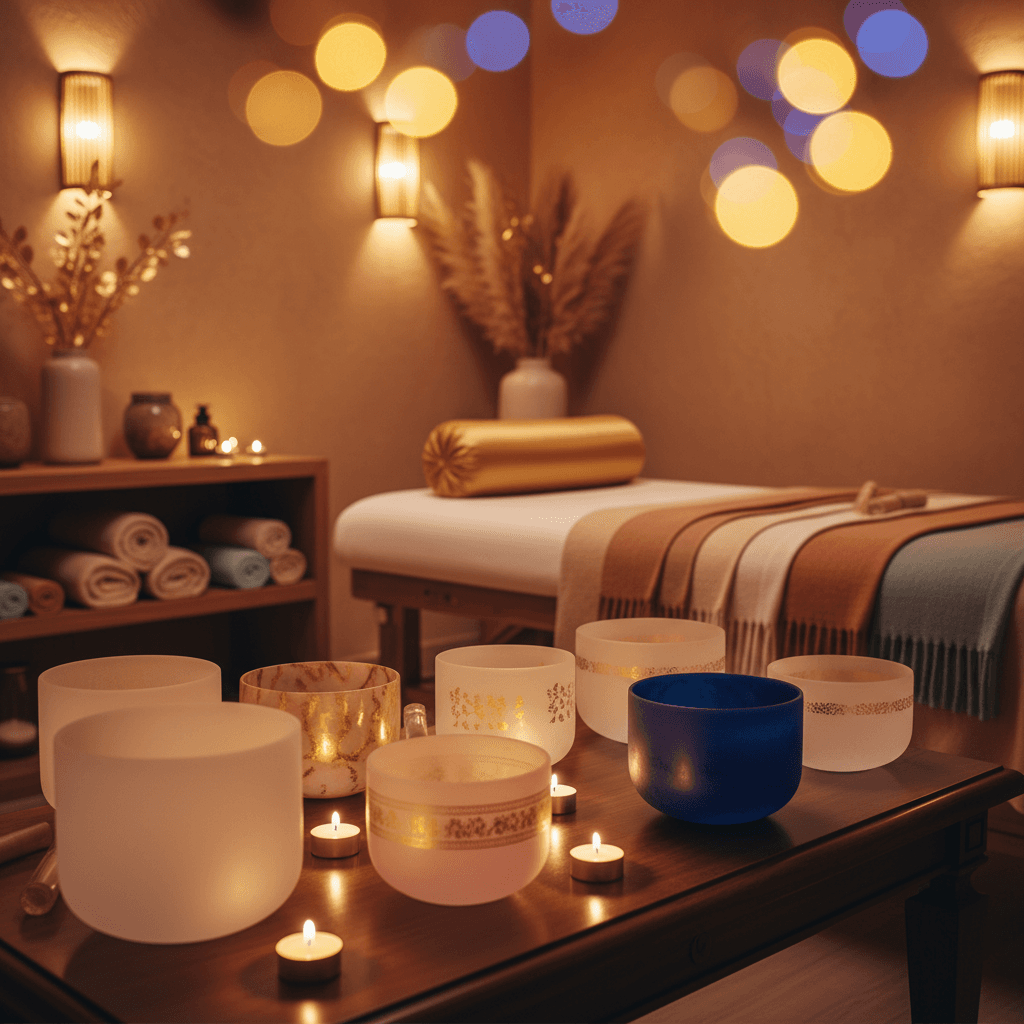
Hyperacusis: Gentle Sound Journeys for Sensitivity
Key Insights
Explore hyperacusis, a challenging sound sensitivity condition, and how Soul Art Dubai offers complementary sound wellness practices for comfort and calm.
Imagine a world where the gentle hum of a refrigerator feels like a drill, or the clinking of cutlery causes a jolt of pain. For individuals experiencing hyperacusis, this heightened and often distressing sensitivity to everyday sounds is a daily reality, profoundly impacting their quality of life. It’s a condition far beyond simple annoyance, often leading to isolation and anxiety.
At Soul Art, Dubai's premier sound wellness studio, we understand the profound impact sound has on our well-being. Guided by founder Larissa Steinbach, our approach acknowledges the intricate relationship between sound, the nervous system, and holistic health. This article delves into the science of hyperacusis and explores how gentle, intentional sound experiences may offer a complementary pathway to comfort and auditory harmony. Join us as we explore this complex condition and discover potential avenues for finding peace amidst the noise.
Understanding Hyperacusis: The Science of Sound Sensitivity
Hyperacusis is a challenging auditory disorder characterized by a reduced tolerance to everyday sounds. For individuals with this condition, noises that most people find tolerable or even quiet can become uncomfortably loud, irritating, or even physically painful. It is crucial to distinguish hyperacusis from other sound sensitivities, such as misophonia, which primarily involves strong emotional reactions to specific sounds, or general noise sensitivity, which causes heightened reactions like tension or anxiety to overall noise.
What is Hyperacusis?
At its core, hyperacusis represents a physical hypersensitivity to sound. Unlike misophonia, which is more about emotional triggers, hyperacusis often manifests as a physical discomfort or pain. This condition can lead to a range of reactions, which researchers often categorize into subgroups including loudness, annoyance, disgust, fear, and pain hyperacusis.
Initially, the sensitivity often begins as an intolerance to loudness, where average noises feel excessively amplified. Over time, this can evolve into annoyance or fear hyperacusis, profoundly affecting daily activities and social interactions. Pain hyperacusis, sometimes referred to as noxacusis, involves sensations of actual physical pain, such as burning, stabbing, throbbing, or pinching, in response to sounds that are typically below the normal pain threshold for most individuals. This specific form can be particularly debilitating, causing discomfort in the ear or other parts of the body.
The Neurological Landscape
The exact causes of hyperacusis are still an active area of research, but a growing body of knowledge points to complex interactions within the auditory system. While acoustic trauma, or exposure to very loud sounds, is a known contributor, hyperacusis can also develop without a clear cause and is not always linked to hearing loss or structural ear damage. Certain disorders, such as Lyme disease, Williams syndrome, and Addison’s disease, have also been associated with sound sensitivities.
Many researchers agree that central auditory system hyperactivity plays a significant role in most cases of hyperacusis, particularly concerning loudness and ear pain symptoms. This suggests that the brain’s processing of sound, rather than just the ear itself, may be at the heart of the issue. Pain sensations, for instance, are often believed to be triggered by dysfunction in the central auditory system, leading to what is known as neural pain. This form of pain, generated in the brain, can be particularly challenging to address with traditional pain relief strategies.
Ongoing research continues to unravel these complex mechanisms. Studies are exploring how the immune system interacts with neurons in the ear after noise exposure, investigating genetic variants that might affect how the brain processes sounds, and examining the brain’s potential role in regulating the ear’s sensitivity. This expanding understanding is vital for developing more effective, evidence-based approaches.
The Impact on Daily Life
Living with hyperacusis can significantly diminish one's quality of life. The constant battle against everyday sounds often leads to ear pain, emotional distress, and a strong inclination to avoid social settings. Many individuals instinctively try to drown out sounds with earplugs or headphones, or they simply withdraw from situations where they anticipate loud noises.
However, these avoidance strategies can inadvertently worsen the condition. Consistently wearing headphones or earplugs may make sound sensitivity even more intense once they are removed, as the auditory system becomes accustomed to a lack of stimulation. Furthermore, social isolation stemming from sound avoidance can contribute to or exacerbate behavioral health issues, creating a challenging cycle for those affected. Healthcare providers and medical researchers continue to study the long-term effects of hyperacusis, recognizing that for many, it is a long-term condition that requires ongoing management and adaptive strategies.
Reclaiming Auditory Comfort: Practical Approaches to Sound Sensitivity
Navigating the complexities of hyperacusis requires a thoughtful and often multi-faceted approach. While ongoing medical research seeks definitive cures, current wellness strategies focus on gradually improving tolerance and enhancing overall quality of life. These practices aim to re-educate the auditory system and support the nervous system, enabling individuals to engage more comfortably with their sound environment.
The Role of Sound Wellness
Sound wellness practices, particularly those involving sound enrichment and acoustic training, offer a complementary pathway for individuals managing hyperacusis. The fundamental goal of these approaches is to gradually and safely expose the auditory system to progressively louder, yet still comfortable, sounds. This gentle reintroduction helps the brain recalibrate its response to auditory input.
The process typically begins with very low-intensity sounds, carefully chosen for their soothing and non-triggering qualities. Over a period of weeks, and always within a comfortable threshold for the individual, the volume may be incrementally increased. This gradual progression aims to help the auditory system become more accustomed to a wider range of sound levels, potentially increasing loudness discomfort levels (LDL) over time. While limited evidence currently supports specific sound therapy parameters for hyperacusis, the principles of desensitization through controlled sound exposure remain a widely adopted practice. Further research, including randomized controlled trials, is being conducted to explore the effectiveness of interventions such as headphone CD use, tabletop sound generators, and specialized sound-generating devices.
Complementary Strategies
Beyond direct sound exposure, several complementary strategies can significantly support individuals in managing hyperacusis. These approaches address the broader impact of the condition on mental and emotional well-being, fostering resilience and coping mechanisms.
Cognitive Behavioral Therapy (CBT) has shown promise in helping individuals cope with the stress and negative emotions associated with hyperacusis. By teaching strategies to reframe thoughts and reactions to sound, CBT can reduce fear and anxiety, and studies suggest it may contribute to an increase in loudness discomfort levels. Stress management techniques are also vital, as overall stress can exacerbate sound sensitivity. Incorporating good sleep habits, regular exercise, and relaxation practices like mindfulness or meditation can help calm the nervous system and potentially lower sensitivity thresholds. It's important to remember that avoiding all sounds with earplugs or headphones, while tempting, can actually worsen sensitivity over time, making a gradual and intentional re-engagement with sound a more beneficial long-term strategy.
A Coordinated Path to Wellness
For anyone experiencing severe sound sensitivity, a coordinated approach to wellness is often recommended. This journey typically begins with thorough diagnostic testing performed by audiologists or ear, nose, and throat (ENT) specialists. These professionals conduct comprehensive sound sensitivity evaluations, which involve measuring tolerance to different sound levels and frequencies, assessing the condition’s impact on daily activities, and reviewing medical history for any underlying causes. This may include imaging studies such as MRI or CT scans if neurological involvement is suspected.
Once medical clearance is obtained, a specialized sound retraining approach may be considered. This often combines custom acoustic elements, adjusted to an individual’s specific sensitivity levels, with ongoing assessments to track progress. Counseling sessions are a key component, focusing on developing coping strategies and fostering a deeper understanding of the condition. This holistic approach ensures that individuals receive comprehensive support, addressing both the auditory and psychological aspects of hyperacusis.
The Soul Art Difference: A Holistic Path to Auditory Harmony
At Soul Art, Dubai, we believe in the profound power of sound to soothe, restore, and rebalance the nervous system. Under the compassionate guidance of founder Larissa Steinbach, our studio offers a unique and complementary approach for individuals seeking support in managing sound sensitivity. We create a serene, intentional space where gentle sound experiences become a pathway to calm, rather than a source of distress.
Larissa Steinbach's Philosophy
Larissa Steinbach’s philosophy centers on empathy and individualized care, recognizing that each person’s relationship with sound is deeply personal. Her approach is rooted in the understanding that sound wellness, while not a medical treatment for hyperacusis, can be a powerful tool for nervous system regulation and stress reduction. Larissa emphasizes creating a profoundly safe and nurturing environment, allowing clients to explore gentle sound exposure at their own pace, free from judgment or pressure. The aim is to slowly and mindfully reintroduce beneficial frequencies, fostering a sense of control and ease around auditory stimuli.
Tailored Sound Journeys
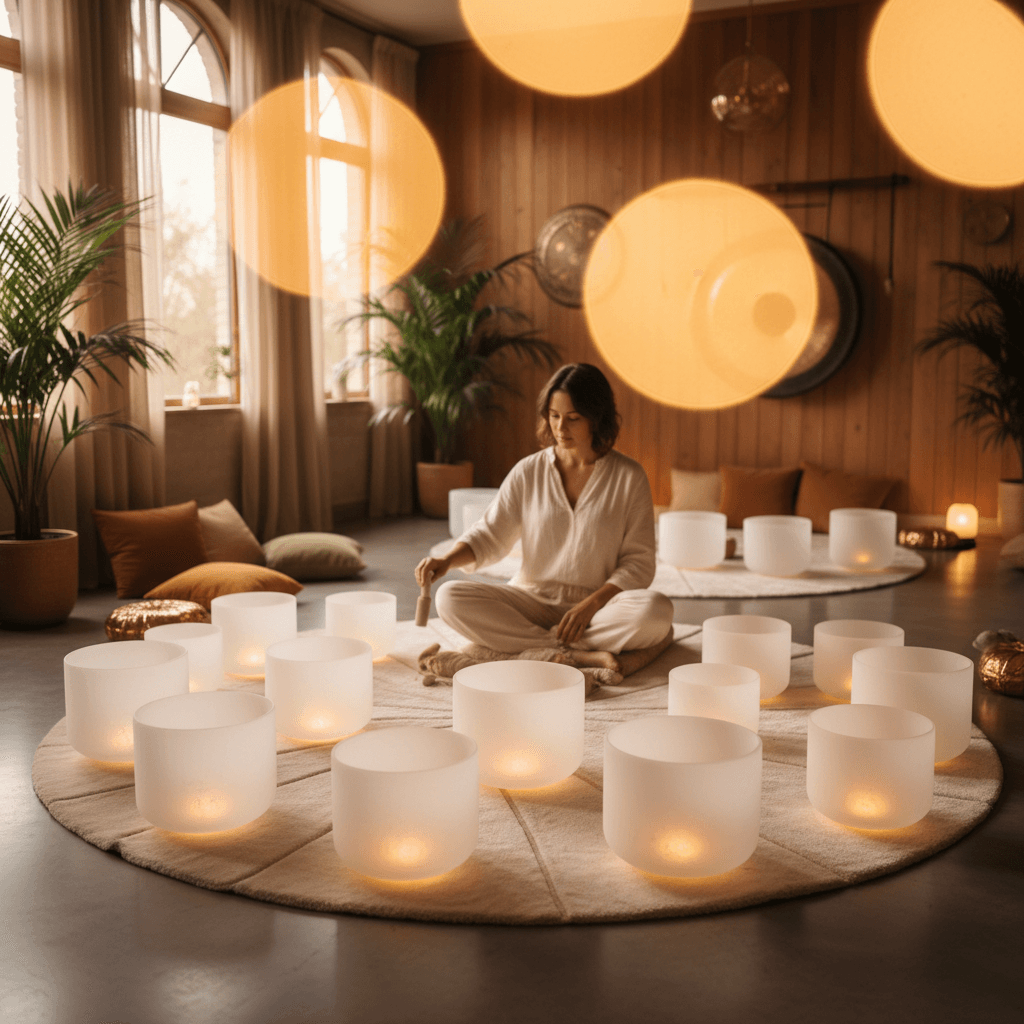
Soul Art’s signature sound journeys are carefully curated experiences designed to be both deeply relaxing and subtly restorative. We utilize a range of high-quality instruments, including crystal singing bowls, gongs, chimes, and tuning forks, selected for their pure tones and resonant vibrations. These instruments produce frequencies known for their calming effects on the brain and body.
Our sessions for those with sound sensitivity focus on extremely gentle progression. We begin with very low-intensity sounds, gradually introducing subtle shifts in tone and volume only as comfort allows. The luxurious and calming ambiance of Soul Art provides an ideal backdrop for this delicate process, encouraging deep relaxation and allowing the nervous system to gradually acclimate. Each experience is tailored, with careful attention paid to individual responses and preferences, ensuring a personalized journey towards auditory comfort.
"True healing begins when we give our nervous system permission to rest, and gentle sound can be a profoundly effective guide on that journey."
Beyond Sound: Integrating Wellness
Soul Art’s approach extends beyond the sound bath itself, embracing a holistic view of well-being. We understand that stress and anxiety can significantly exacerbate sound sensitivity. Therefore, our sound wellness practices are often integrated with elements of mindfulness and gentle breathwork, empowering individuals to cultivate a deeper sense of inner peace. By supporting overall stress reduction and promoting nervous system balance, our sessions may indirectly help in managing the challenges associated with sound sensitivity. This comprehensive approach underscores Soul Art’s commitment to fostering a state of calm and resilience, offering a sanctuary for those navigating the complexities of hyperacusis.
Embracing Auditory Well-being: Your Path Forward
Navigating sound sensitivity can feel overwhelming, but taking intentional steps towards understanding and supporting your auditory health can make a profound difference. While hyperacusis is a complex condition, there are many proactive measures you can embrace to improve your relationship with sound and enhance your overall well-being. Soul Art is here to support you on this journey with complementary sound wellness practices.
Here are some actionable steps you can consider today:
- Consult a Specialist: If you suspect you have hyperacusis, your first step should be to consult an audiologist or ENT specialist. A professional diagnosis is crucial to understand your specific condition and rule out any underlying medical causes.
- Practice Mindful Sound Observation: Begin to notice the sounds in your environment without judgment. Identify what triggers discomfort and what brings a sense of calm. This awareness is the first step towards re-patterning your response.
- Introduce Gentle Sound Enrichment: Instead of total silence, consider introducing very soft, consistent ambient sounds into your environment, such as a gentle fan or a low-volume nature track. Start at an almost imperceptible level and slowly acclimate. Remember, avoidance can sometimes worsen sensitivity in the long run.
- Prioritize Nervous System Support: Engage in daily practices that promote relaxation and reduce overall stress. This could include gentle yoga, meditation, deep breathing exercises, or spending time in nature. A calmer nervous system may positively impact your sound tolerance.
- Explore Complementary Sound Wellness: Consider how structured, gentle sound sessions, such as those offered by Larissa Steinbach at Soul Art, could complement your approach. These sessions provide a safe, controlled environment to experience resonant frequencies and promote deep relaxation, supporting your journey towards greater auditory comfort.
In Summary: A New Horizon for Sound Sensitivity
Hyperacusis is a challenging condition that profoundly impacts individuals’ lives, transforming everyday sounds into sources of discomfort or pain. Understanding its neurological underpinnings and the importance of gradual exposure is key to managing this unique form of sound sensitivity. While medical research continues to advance, complementary wellness practices offer valuable support in navigating this journey.
At Soul Art, Larissa Steinbach and her team are dedicated to providing a tranquil sanctuary where individuals can explore gentle sound experiences designed for deep relaxation and nervous system regulation. Our tailored approach focuses on creating a safe space for the auditory system to re-acclimate, fostering a sense of peace and potentially improving overall well-being. Embrace the potential of sound wellness as a supportive pathway to finding greater harmony and comfort in your auditory world.
Bookings Coming Soon
Soul Art is still in preparation. Session details and booking will be published here after launch.
Coming Soon
Wellness Disclaimer: This article is for educational and informational purposes only. It does not constitute medical advice, diagnosis, or treatment. Soul Art Dubai provides non-medical wellness experiences focused on relaxation, stress management, and general wellbeing. Sound wellness is a complementary practice and should not replace professional medical care.
Related Articles
Vibration Therapy for Plantar Fasciitis: A Holistic Path to Foot Wellness
Frozen Shoulder: Sound Support for Enhanced Mobility & Ease
Harmonizing Breath: How Sound Wellness May Support Sleep Apnea Management