Harmonizing Care: Sound Wellness for Hospice Staff Resilience
Key Insights
Discover how sound wellness, a complementary practice, can help hospice caregivers combat burnout, manage stress, and foster resilience for sustained compassionate care.
Harmonizing Care: Sound Wellness for Hospice Staff Resilience
Imagine a profession where compassion is not merely a virtue, but the very foundation of daily work, yet it constantly risks eroding the well-being of those who give it so freely. This is the profound reality for hospice staff, who navigate the intricate emotional landscape of end-of-life care with unwavering dedication. Their role demands an extraordinary level of empathy, resilience, and emotional presence.
However, the sustained emotional demands inherent in preparing families for a patient’s final days, managing complex care, and holding space for grief can lead to significant personal toll. Hospice workers are uniquely susceptible to burnout and compassion fatigue, conditions that diminish their capacity for care and impact their own health. Recognizing this critical need, Soul Art Dubai, under the visionary leadership of Larissa Steinbach, champions sound wellness as a profound complementary approach to support these invaluable caregivers.
This article delves into the scientifically-grounded benefits of sound wellness for hospice staff. We will explore how specific frequencies and vibrations can gently guide the nervous system towards restoration, offer a sanctuary from chronic stress, and ultimately fortify the emotional and mental resilience vital for sustained compassionate care. Discover how this ancient practice offers a modern solution to a pressing challenge in contemporary healthcare.
The Science Explained: How Sound Realigns the Caregiver's System
The daily environment of hospice care, though filled with profound moments of connection, is inherently stressful. Hospice clinicians, including nurses, social workers, and bereavement counselors, are constantly engaged in emotionally charged interactions. They must tailor communication based on patient and family factors, provide extensive preparatory information, and manage expectations around the physical and psychosocial aspects of dying. This relentless demand for emotional labor and empathetic engagement can significantly activate the body’s stress response.
Understanding the Stress Response in Caregivers
When confronted with chronic stress, the body enters a "fight-or-flight" mode, primarily governed by the sympathetic nervous system. This state leads to elevated levels of stress hormones like cortisol and adrenaline, contributing to increased heart rate, blood pressure, and muscle tension. For hospice staff, this can manifest as persistent anxiety, difficulty sleeping, irritability, and a pervasive sense of exhaustion, hallmarks of burnout and compassion fatigue. The Angel Hands Hospice and Palliative Care blog highlights these symptoms, emphasizing that preventing burnout is "a mission-critical part of building a sustainable, compassionate care culture."
Prolonged activation of the sympathetic nervous system can deplete the body's resources, making it challenging for caregivers to maintain emotional balance and resilience. This physiological state directly impacts their ability to provide the nuanced, patient-centered care that hospice demands. The continuous exposure to grief and suffering, without adequate tools for processing and release, can lead to a profound desensitization or, conversely, an overwhelming emotional burden.
The Power of Sound for Nervous System Regulation
Sound wellness offers a powerful, non-invasive method to gently guide the body and mind away from this state of chronic stress. It works by engaging the parasympathetic nervous system, often referred to as the "rest and digest" system, which promotes deep relaxation and physiological restoration. This shift is facilitated through various mechanisms, primarily brainwave entrainment and vibrational resonance.
Specific frequencies and overtone-rich sounds, characteristic of instruments like crystal singing bowls and gongs, may encourage the brain to shift from higher-frequency beta waves (associated with active, conscious thought and stress) to lower-frequency alpha and theta waves. Alpha waves are linked to states of calm, creativity, and light meditation, while theta waves are associated with deep relaxation, dreaming, and the subconscious mind. Preliminary studies and anecdotal evidence suggest that consistent exposure to these sounds may promote these beneficial brainwave states.
The research into music therapy, while often focused on patients, provides valuable insights into the potential for caregivers. For instance, a study by Curtis found that calm, preferred instrumental music supported relaxation in terminally ill patients, compared to hospital sounds. This suggests that carefully curated sound environments can foster states of tranquility, even in highly challenging circumstances. Furthermore, studies on music therapy for informal caregivers of adults with life-limiting illnesses have indicated potential benefits for well-being.
Neurochemical and Physiological Benefits
Beyond brainwave entrainment, sound wellness practices may also influence the body’s neurochemical landscape. Many people report that deep relaxation induced by sound is associated with a reduction in cortisol levels and an increase in beneficial neurotransmitters. These include endorphins, which act as natural pain relievers and mood elevators, and oxytocin, often called the "love hormone," which promotes feelings of bonding and well-being.
Physiologically, the vibrations produced by sound instruments can resonate deeply within the body's tissues and cells. This internal massage effect may contribute to muscle relaxation, a reduction in physical tension, and improved circulation. Practitioners often report a decrease in heart rate and blood pressure during and after sound sessions, indicating a tangible shift towards a more balanced physiological state. The Mayo Clinic’s pilot study on massage therapy for hospice caregivers, which showed an impact on quality of life, depression, and anxiety, underscores the broader principle that somatic interventions can profoundly support caregiver well-being.
"The compassionate presence required in hospice care is immense, and without intentional practices for renewal, the well can run dry. Sound wellness offers a profound way to refill that well, not just superficially, but at a deep cellular level, enabling caregivers to continue their vital work with renewed energy and empathy."
Research also suggests broader holistic benefits. A study found that music therapy was associated with family perception of more spiritual support in cancer patients receiving hospice care. While focused on patients, this highlights the capacity of sound to touch deep spiritual and emotional dimensions, which are equally relevant for caregivers grappling with profound life and death questions. By providing a pathway for emotional release and inner calm, sound wellness supports hospice staff in cultivating greater emotional resilience, enabling them to navigate their demanding roles with renewed strength and a sustained capacity for compassionate engagement.
How It Works in Practice: The Immersive Experience
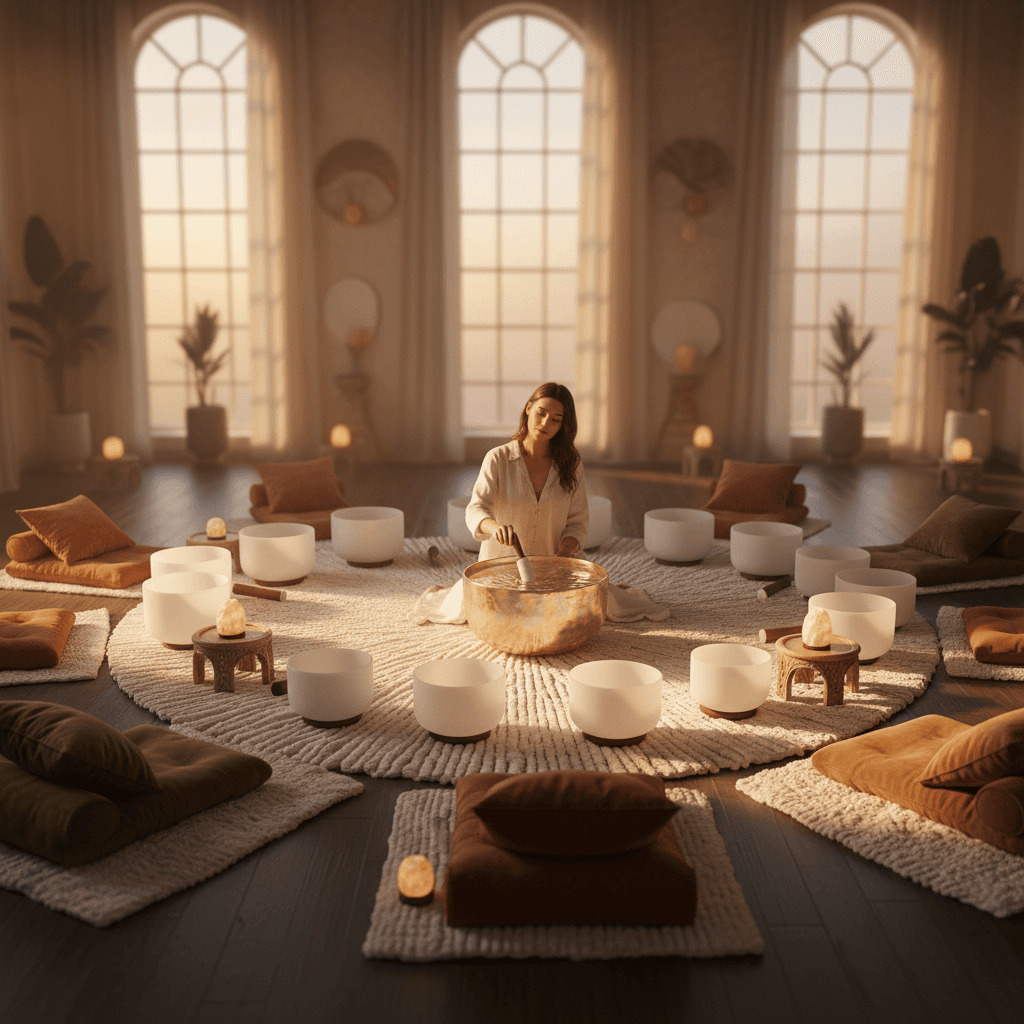
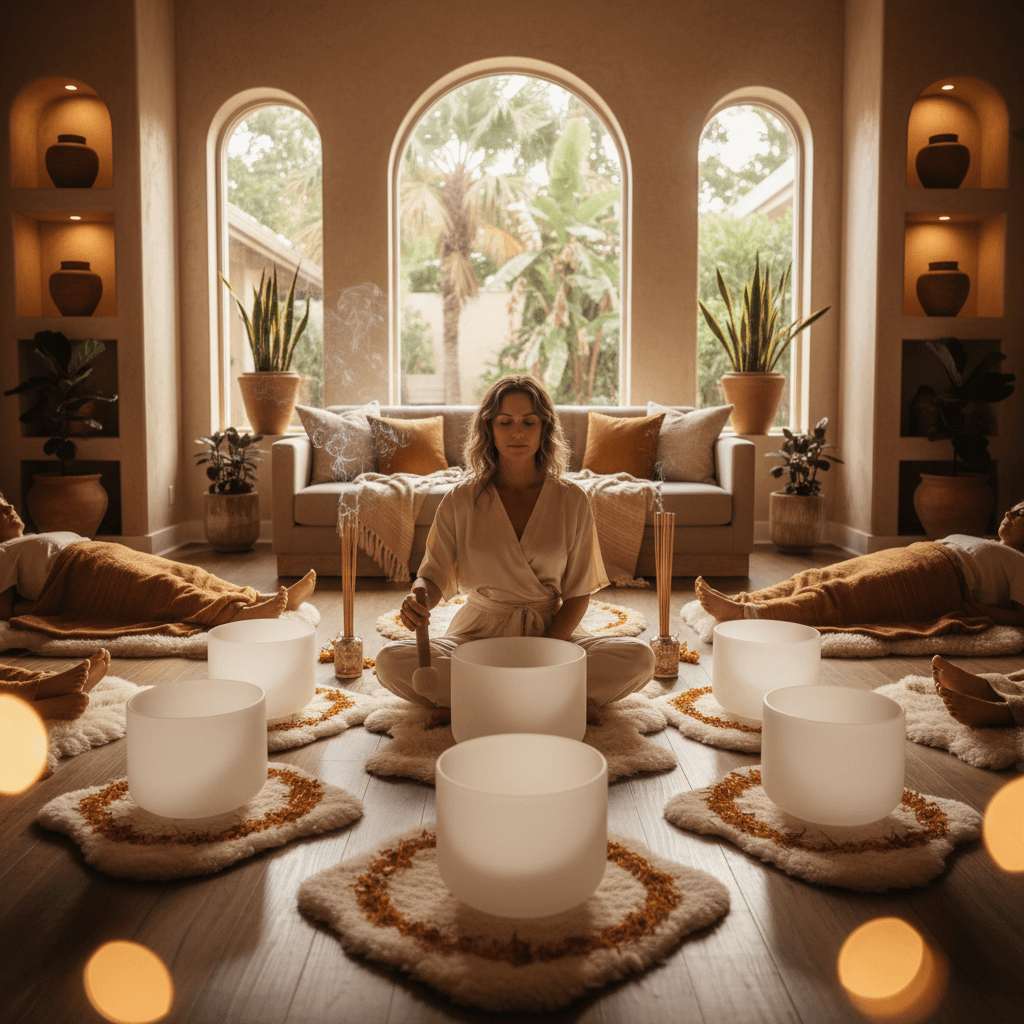
Stepping into a sound wellness session is an intentional departure from the demanding realities of daily life, particularly for hospice staff whose days are often defined by acute emotional needs. It is an invitation to surrender, to simply be, and to allow the therapeutic frequencies to do their work. The experience typically begins with settling into a comfortable position, often reclining, in a serene and thoughtfully prepared space.
The practitioner, such as Larissa Steinbach at Soul Art, then begins to introduce sounds from a carefully selected array of instruments. Initially, the sounds might be subtle, like the gentle chime of Koshi bells or the soft hum of a tuning fork. These sounds are not merely heard; their vibrations are felt, resonating through the body, initiating a subtle internal shift. This is not a performance, but a guided journey into stillness and restoration.
As the session progresses, the sounds may deepen and expand, with the rich, resonant tones of crystal singing bowls and the powerful, enveloping vibrations of gongs. Each instrument produces unique overtones and harmonics that interact with the body's energy fields, often described as a form of "auditory massage." Many participants report feeling a sense of weightlessness, as if the physical boundaries of the body are dissolving into the waves of sound.
The experience is deeply personal, yet universally impactful. Some individuals may feel a profound sense of peace and tranquility, drifting into a meditative or dream-like state. Others might experience a release of stored tension or emotions, as the sounds create a safe space for processing grief, anxiety, or stress that has accumulated from their caregiving roles. The absence of spoken word allows the mind to quiet, detaching from the constant stream of thoughts and worries.
The cumulative effect is often a profound reset for the nervous system. Participants frequently emerge from sessions feeling deeply rested, as if they have experienced hours of restorative sleep in a condensed timeframe. This revitalized state is not just a temporary reprieve; it can enhance mental clarity, emotional balance, and a renewed capacity for empathy. For hospice staff, this tangible shift supports them in returning to their vital work with a fuller emotional reservoir and a steadier presence, better equipped to face the unique challenges of their profession.
The Soul Art Approach: Larissa Steinbach's Vision for Well-being
At Soul Art Dubai, Larissa Steinbach has cultivated a unique and deeply intentional approach to sound wellness, specifically recognizing the profound needs of high-stress professionals like hospice caregivers. Her method transcends mere relaxation, aiming for a holistic recalibration of the mind, body, and spirit through expertly curated soundscapes. Larissa's vision is rooted in creating a sanctuary where individuals can release the burdens they carry and reconnect with their inner stillness.
What makes the Soul Art method distinctive is its personalized and intuitive nature. Larissa Steinbach does not follow a rigid script; instead, she tunes into the collective energy of the group or the individual's needs, crafting a bespoke sound experience in real-time. This intuitive flow ensures that each session addresses the specific energetic and emotional states present, maximizing its therapeutic potential. She combines a deep understanding of vibrational physics with a compassionate, empathetic presence.
The instruments employed at Soul Art are carefully selected for their unique vibrational qualities and their capacity to induce deep states of relaxation and healing. Key among these are:
- Alchemy Crystal Singing Bowls: Made from pure quartz crystal infused with precious gems and metals, these bowls produce pure, resonant tones and harmonic overtones. Their vibrations are believed to resonate deeply with the body's cellular structure, promoting energetic alignment and cellular regeneration.
- Gongs: Revered for their powerful, enveloping soundscapes, gongs create a rich tapestry of sound that can induce profound altered states of consciousness. Their vibrations are particularly effective at breaking through mental chatter and releasing deep-seated tension.
- Chimes and Koshi Bells: These delicate instruments introduce ethereal, high-frequency sounds that can uplift the spirit and provide a sense of lightness and purity.
- Tuning Forks: Precision-tuned, these tools are often used for targeted vibrational therapy, applied to specific points on the body to release tension and promote energy flow.
Larissa Steinbach's expertise lies in her ability to weave these diverse sonic elements into a cohesive and transformative journey. She understands that the environment plays a crucial role, creating a warm, inviting, and energetically clean space that fosters trust and allows for complete surrender. The intention behind each session is paramount: to provide a deep nervous system recalibration, a release of emotional weight, and an opportunity for profound self-discovery and inner peace.
For hospice staff, the Soul Art approach offers a vital tool for self-preservation. It provides a structured yet gentle pathway to process the daily emotional demands, replenish their empathetic reserves, and cultivate an unwavering sense of inner calm. By embracing this complementary wellness practice, caregivers can enhance their resilience, ensuring they continue to provide exceptional, heartfelt care without sacrificing their own well-being.
Your Next Steps: Integrating Sound Wellness into Your Life
For hospice staff, prioritizing well-being is not a luxury; it is a necessity for sustainable, compassionate care. Integrating sound wellness practices into your routine, even in small ways, can make a significant difference in managing stress and fostering resilience. Here are some practical steps you can take today:
- Mindful Listening Breaks: Even a five-minute break can be transformative. Find a quiet space and listen to calming instrumental music or nature sounds. Focus intently on the auditory experience, allowing it to anchor you in the present moment. This brief respite may help to reset your nervous system.
- Guided Sound Meditations: Explore apps or online platforms offering guided meditations that incorporate sound baths or specific frequencies. These can be particularly effective for promoting relaxation and facilitating a deeper meditative state, even if you are new to meditation. Many people report that these help with mental clarity.
- Create a Personal Sound Sanctuary: Designate a quiet corner in your home where you can retreat. Consider adding a small set of chimes, a Tibetan singing bowl, or simply use headphones to listen to calming soundscapes. This dedicated space may serve as your personal haven for de-stressing.
- Explore Professional Sound Wellness Sessions: Consider booking a session with a certified sound wellness practitioner, like those at Soul Art Dubai with Larissa Steinbach. Experiencing a professionally guided sound bath offers a deeper, more immersive opportunity for nervous system recalibration and emotional release, providing a significant boost to your overall well-being.
- Advocate for Organizational Wellness: If you are part of a hospice organization, consider discussing the benefits of incorporating sound wellness programs for staff. Investing in caregiver well-being through complementary practices like sound can lead to reduced burnout, improved morale, and ultimately, enhanced patient care quality.
Embracing sound wellness is a powerful act of self-care, offering a gentle yet profound path to restore balance and resilience. It is a commitment to nurturing the very core of your being, allowing you to continue your invaluable work with a renewed spirit.
Bookings Coming Soon
Soul Art is still in preparation. Session details and booking will be published here after launch.
Coming Soon
In Summary: A Resonant Path to Renewal
The unwavering dedication of hospice staff is a cornerstone of compassionate end-of-life care, yet their profound commitment often comes at a significant personal cost. Burnout and compassion fatigue are prevalent challenges that can diminish their capacity for empathy and affect their well-being. Sound wellness, as a complementary practice, offers a scientifically-grounded and deeply restorative solution.
Through its ability to regulate the nervous system, promote calming brainwave states, and influence neurochemical balance, sound provides a powerful tool for stress reduction and emotional resilience. It creates a sanctuary where caregivers can release accumulated tension and replenish their vital energetic reserves. Soul Art Dubai, led by Larissa Steinbach, provides expertly curated sound experiences designed for profound rest and recalibration, helping these essential workers sustain their invaluable service. Prioritizing caregiver wellness through practices like sound is not just beneficial for individuals; it is crucial for maintaining the integrity and quality of care across the entire hospice ecosystem.
Wellness Disclaimer: This article is for educational and informational purposes only. It does not constitute medical advice, diagnosis, or treatment. Soul Art Dubai provides non-medical wellness experiences focused on relaxation, stress management, and general wellbeing. Sound wellness is a complementary practice and should not replace professional medical care.
Related Articles
The Role of Sound in Cultural Death Practices
Death Doulas & Sound: Enhancing Peace in End-of-Life Journeys
Sound's Gentle Embrace: Supporting Late Alzheimer's with Sonic Wellness