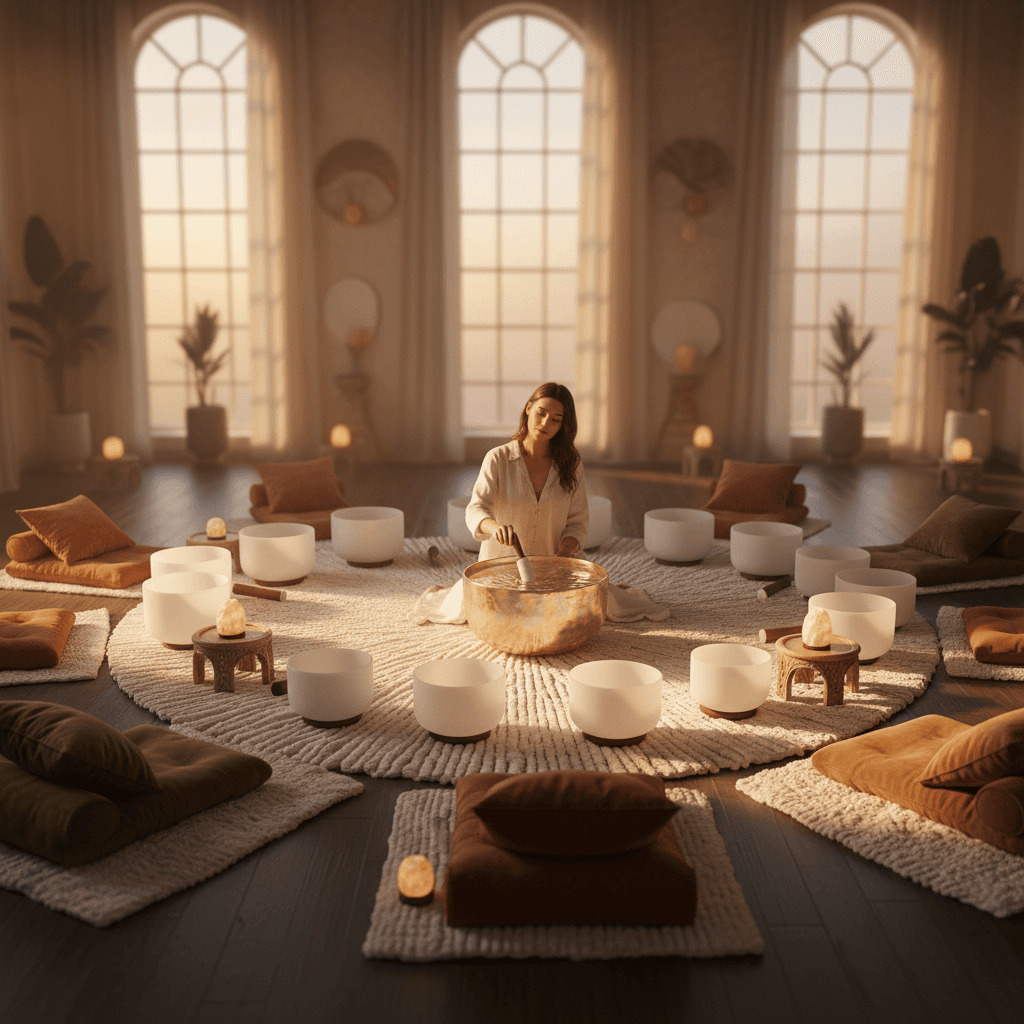
The Gentle Sound of Goodbye: Comforting Home Death with Soul Art
Key Insights
Explore how sound wellness supports the profound preference for dying at home, offering peace and dignity in life's final moments with Soul Art by Larissa Steinbach.
The final chapter of life is a deeply personal journey, often accompanied by complex emotions and profound decisions. For many, the ultimate wish is to experience their last moments in the comfort and familiarity of their own home, surrounded by loved ones. Yet, despite this prevailing preference, achieving a home death remains a challenge for many families.
Imagine a practice that could gently ease this transition, offering solace and dignity through one of our most primal senses: hearing. Emerging research highlights the astonishing capacity of the dying brain to respond to sound, even in an unconscious state, suggesting a powerful avenue for comfort. This understanding opens new possibilities for enhancing end-of-life care.
At Soul Art, founded by Larissa Steinbach, we explore how precisely calibrated sound wellness practices can support this sacred journey. This article delves into the science behind the enduring preference for home death, the remarkable persistence of hearing at life's end, and how sound can create a serene, supportive environment for those transitioning, alongside their families. It’s about bringing peace, one gentle vibration at a time.
The Science Explained
The desire to die at home is a deeply rooted human preference, echoing a longing for familiarity and autonomy in life’s most vulnerable phase. Scientific studies are increasingly affirming this profound wish, even as health deteriorates and symptoms become more challenging. Understanding these preferences and the incredible resilience of our senses at life's end is crucial for holistic end-of-life care.
The Enduring Preference for Home Death
For many individuals navigating the late palliative phase of illnesses like cancer, the preference to die at home remains steadfast. Research indicates that despite worsening health and increased symptoms, patients consistently express a desire for end-of-life (EOL) care that allows them to remain in their familiar surroundings. This consistent preference underscores a fundamental human need for comfort and control in their final days.
Being at home offers more than just physical proximity to cherished possessions; it represents a sanctuary of familiarity and a profound sense of normalcy. Patients often report that their home environment facilitates participation in decisions about their care, fostering feelings of autonomy and self-determination. This ability to maintain agency, even as life approaches its end, is deeply valued.
Furthermore, the home environment may enable individuals to stay present and live a meaningful life until death, which is a powerful emphasis for those facing imminent loss. It provides a backdrop for intimate moments with loved ones, opportunities for reflection, and a space where personal values can be honored. Recognizing and supporting this preference is increasingly seen as a measure of quality in EOL care.
Preserved Hearing at Life's End: A Scientific Insight
One of the most profound and comforting discoveries in end-of-life research concerns the persistence of hearing. Groundbreaking studies, particularly from the University of British Columbia (UBC), provide compelling evidence that a dying brain can respond to sound even in an unresponsive state, sometimes just hours before death. This challenges previous assumptions about sensory perception at the very end of life.
Using electroencephalography (EEG), researchers monitored brain activity in healthy control participants and then in hospice patients, both when conscious and when unresponsive. The findings revealed that some dying patients' brains reacted to sound patterns in a manner remarkably similar to healthy individuals. This suggests that the auditory system may remain active and capable of processing sound even as other bodily functions wane.
Elizabeth Blundon, a lead author of the UBC study, noted, "Our data shows that a dying brain can respond to sound even in an unconscious state, up to the last hours of life." While the research confirms brain activity in response to sound, it's important to clarify that it doesn't definitively prove whether individuals are consciously aware of what they're hearing. Nevertheless, the brain's demonstrated response provides significant insights into how we might offer comfort.
The implications for families and caregivers are immense. Dr. Romayne Gallagher, a palliative care doctor involved in the study, observed that these findings "give credence to the fact that hospice nurses and physicians noticed that the sounds of loved ones helped comfort people when they were dying." The act of speaking to a loved one, expressing affection, or simply being present with gentle sounds can offer meaningful solace, reinforcing the profound connection that persists until the very end. This scientific understanding truly adds significant meaning to the last days and hours of life.
The Neurological Basis of Sound's Impact
The way sound influences our brain and body is a complex, yet elegant, process rooted in neuroscience. Sound waves are converted into electrical signals that travel through our auditory pathways, reaching various parts of the brain, including those responsible for emotion, memory, and regulation of the autonomic nervous system. This intricate interplay allows sound to have a profound effect on our physiological and psychological states.
For example, gentle, rhythmic sounds can activate the vagus nerve, which is a key component of the parasympathetic nervous system. This activation promotes a "rest and digest" state, reducing heart rate, muscle tension, and the production of stress hormones like cortisol. This physiological shift can be particularly beneficial for individuals experiencing anxiety, discomfort, or pain in their final moments, offering a sense of calm and release.
While direct research specifically on optimal sound frequencies for end-of-life comfort is still emerging, studies in other contexts highlight the profound capacity of sound to influence brain function. For instance, research from MIT's Picower Institute and other institutions has explored the impact of 40 Hz light and sound exposure, demonstrating its ability to reduce hallmarks of Alzheimer's pathology in animal models and early human trials. These studies suggest mechanisms involving enhanced glymphatic clearance, reduced neuroinflammation, and improved synaptic function, termed "gamma entrainment using sensory stimulation" (GENUS).
Furthermore, 40 Hz sound has been explored in pain management, identified as a commonly used frequency in vibroacoustic therapy. This general understanding of how specific frequencies can modulate brain activity and influence pain perception or promote relaxation suggests potential pathways through which sound wellness may support individuals at the end of life. The aim is not to "treat" medical conditions, but rather to complement existing care by supporting deep relaxation and fostering a peaceful internal environment. The body’s innate response to gentle, harmonious frequencies can serve as a powerful tool for holistic wellness.
How It Works in Practice
Translating the science of sound into practical, compassionate support for home death involves creating an intentional and sacred space. This practice focuses on enhancing comfort, reducing distress, and fostering a peaceful atmosphere for the individual and their family. It’s an artful blend of intuition, sensitivity, and scientific understanding.
Creating a "sacred space" is paramount, transforming the individual's room into a haven of peace and tranquility. This involves careful consideration of the environment, ensuring it is calm, dimly lit if preferred, and free from jarring noises. The role of a sound wellness practitioner or end-of-life doula is to guide this transformation, attuned to the delicate needs of the moment.
The process is highly individualized, with every sound session tailored to the specific needs and responses of the person. Practitioners meticulously observe reactions – a slight shift in breathing, a softening of facial muscles, or a change in body language – to ensure the chosen instruments and frequencies resonate positively. Anything that generates a negative or uncomfortable response is gently avoided, prioritizing the individual’s comfort above all else.
"In the quiet moments of transition, sound becomes a gentle embrace, a reminder of peace and presence when words may no longer reach."
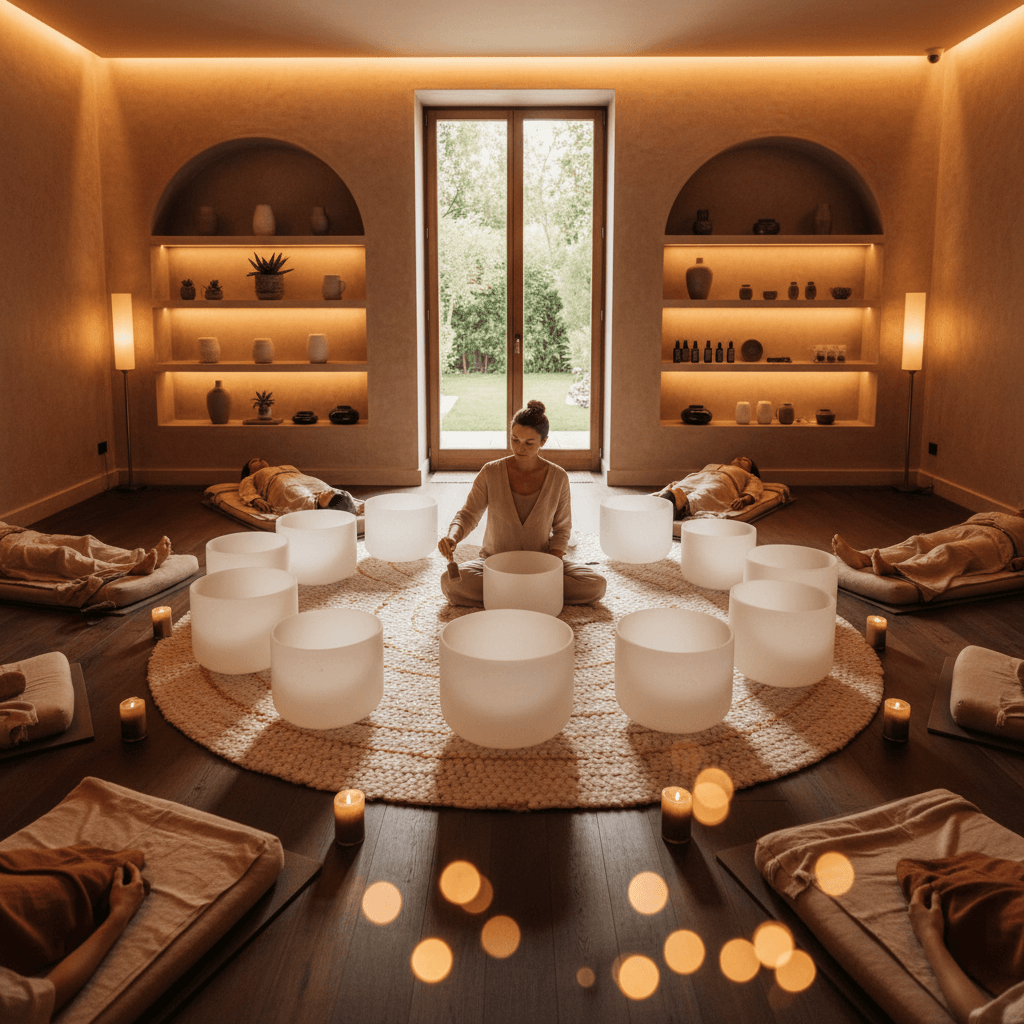
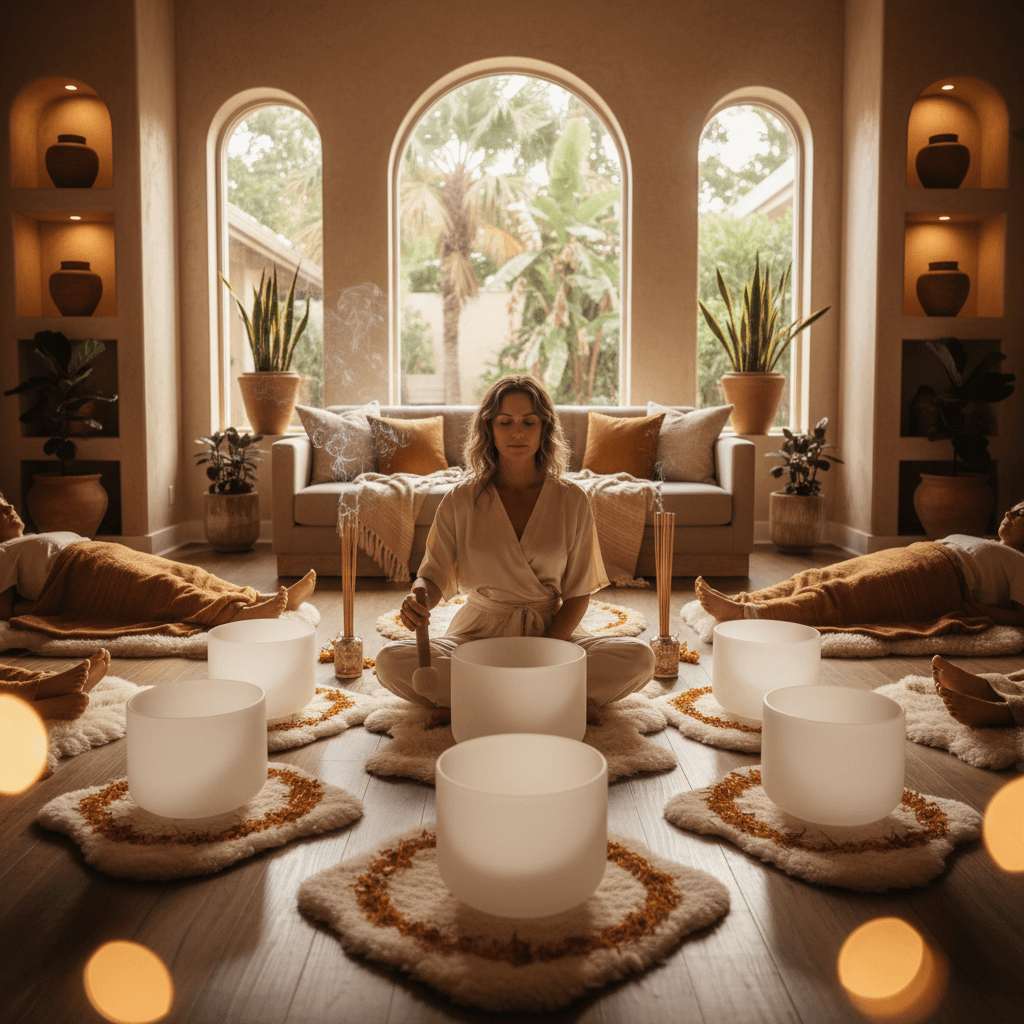
Instruments commonly used in end-of-life sound wellness include crystal singing bowls, which produce pure, resonant tones that can envelop the space in soothing vibrations. Himalayan singing bowls offer deeper, grounding vibrations, often placed near the body (if appropriate and comfortable, with medical consultation). Gentle chimes create ethereal, atmospheric sounds, while soft voices or specific musical instruments, such as a flute, can evoke deeply personal or culturally significant melodies, as seen in anecdotal accounts of hospice volunteers.
The primary goal is to foster a profound sense of peace and relaxation, aiming to reduce anxiety and support dignity. For the individual, the experience may involve a gentle shifting of their internal state, moving from agitation to calm, or from discomfort to a sense of ease. For family members, these sessions can offer a shared space of quiet presence, supporting emotional release and a feeling of connection. It allows families to be present without the pressure of conversation, simply sharing the calming frequencies.
This complementary approach focuses on the holistic well-being of the individual and their support network. It is about creating a resonant field of tranquility that supports the natural process of transition, recognizing the profound impact of our auditory environment on our mental and emotional states, especially in life's final hours.
The Soul Art Approach
At Soul Art, Larissa Steinbach and her team are dedicated to providing exquisite sound wellness experiences that honor life’s most tender transitions. Our approach to "Home Death: Sound for Dying at Home" is rooted in deep empathy, scientific awareness, and a commitment to creating environments of profound peace and comfort. We believe that every individual deserves a gentle and dignified farewell, supported by the serene power of sound.
Larissa Steinbach's philosophy for end-of-life sound wellness is one of gentle presence and intuitive attunement. She emphasizes listening not only to the individual's explicit needs but also to the subtle cues of their energy and environment. This allows for a truly customized session that respects the sacredness of the moment and the unique journey of each person. The Soul Art method seamlessly integrates traditional sound instruments with a contemporary understanding of vibrational frequencies and their impact on well-being.
Our sessions are carefully designed to create a harmonious and calming atmosphere directly within the home. This bespoke service ensures that the individual remains in their preferred environment, enveloped by familiarity and love. Larissa and her practitioners utilize a curated selection of instruments, each chosen for its unique vibrational quality and ability to soothe. Crystal singing bowls are employed for their pure, expansive tones, which many people report promote a sense of spiritual elevation and clarity. Himalayan singing bowls offer grounding, resonant vibrations that can help anchor the body and reduce feelings of restlessness.
Additionally, gentle chimes and other resonant instruments are used to weave intricate soundscapes, encouraging deep relaxation and a peaceful inner state. The intention behind every sound is paramount at Soul Art: to transmit love, foster acceptance, and facilitate a serene transition. We focus on energetic resonance, aiming to create a field of tranquility that supports not only the individual but also the grieving family members present.
The Soul Art approach is unique in its emphasis on both scientific understanding and intuitive artistry. We understand that while brain activity may persist, the experience of sound at the end of life is deeply personal and often transcends conscious perception. Therefore, our focus is on supporting a peaceful state of being, leveraging the body’s natural responses to gentle frequencies. Through Larissa Steinbach's guidance, Soul Art stands as a beacon of holistic wellness, offering a compassionate, non-medical complementary approach to end-of-life care in Dubai and beyond.
Your Next Steps
Navigating the complexities of end-of-life care, particularly when considering a home death, can feel overwhelming. However, embracing supportive practices like sound wellness can make a profound difference in fostering peace and dignity. Here are some actionable steps you can take today to explore this complementary approach.
Firstly, if you or a loved one are considering end-of-life care at home, initiate dialogues early and openly. Discuss preferences for home care and preferred place of death with family members, healthcare professionals, and any end-of-life doulas. These conversations are vital for ensuring wishes are honored throughout the care trajectory.
Secondly, research and explore sound wellness as a complementary approach to traditional palliative care. Look for practitioners who specialize in end-of-life support, understanding the delicate nature of this work. Soul Art, under Larissa Steinbach’s guidance, offers specialized sessions designed to provide comfort and peace during this sensitive time.
Thirdly, always consult with healthcare professionals, such as a hospice doctor or nurse, when planning any sound wellness sessions. This ensures that the chosen practices align with the individual's medical condition and comfort levels, avoiding any potential complications. Sound wellness is a supportive practice and should always complement, not replace, medical care.
Finally, consider how you can proactively create a calming and serene home environment. Even small changes, like soft lighting, comfortable bedding, and gentle background sounds, can contribute significantly to overall comfort. Introducing carefully selected ambient sounds or engaging a sound wellness practitioner may support a profound sense of peace in the final moments.
- Open Dialogue: Speak with loved ones and your medical team about preferences for end-of-life care and the desired place of death.
- Explore Complementary Wellness: Research local sound wellness practitioners and end-of-life doulas who specialize in creating comforting environments.
- Consult Medical Experts: Always discuss any complementary practices, including sound wellness, with your healthcare provider to ensure they are appropriate.
- Cultivate a Peaceful Environment: Focus on creating a serene, familiar, and meaningful space at home, utilizing gentle sounds and sensory elements.
- Consider Soul Art: Learn how Larissa Steinbach's bespoke sound wellness sessions may support the journey towards a dignified and peaceful home death.
Ready to explore how the gentle power of sound can bring comfort and tranquility to you or your loved ones during life's most sacred moments? We invite you to connect with us.
Bookings Coming Soon
Soul Art is still in preparation. Session details and booking will be published here after launch.
Coming Soon
In Summary
The journey towards end-of-life is deeply personal, with a strong and consistent preference among many to die at home. This profound desire for familiarity, autonomy, and meaningful connection in one's final moments underscores the importance of compassionate end-of-life care. Scientific research now reinforces this by demonstrating that the brain can respond to sound even in an unresponsive state, offering a tangible pathway for comfort and connection during life's last hours.
Sound wellness, as practiced by Soul Art under the guidance of Larissa Steinbach, provides a gentle, non-medical complementary approach to support this transition. By creating sacred, personalized soundscapes, we aim to foster deep relaxation, reduce anxiety, and cultivate an atmosphere of profound peace and dignity for individuals and their families. This integrative practice acknowledges the enduring power of sound to provide solace and ease, supporting a serene and meaningful farewell within the cherished space of home.
Wellness Disclaimer: This article is for educational and informational purposes only. It does not constitute medical advice, diagnosis, or treatment. Soul Art Dubai provides non-medical wellness experiences focused on relaxation, stress management, and general wellbeing. Sound wellness is a complementary practice and should not replace professional medical care.
Related Articles
The Role of Sound in Cultural Death Practices
Death Doulas & Sound: Enhancing Peace in End-of-Life Journeys
Sound's Gentle Embrace: Supporting Late Alzheimer's with Sonic Wellness