Holiday Grief: Navigating Difficult Celebrations with Sound Wellness

Key Insights
Discover how sound wellness, offered by Larissa Steinbach at Soul Art Dubai, can support emotional balance and solace during challenging holiday seasons.
The festive season, often painted with hues of joy and togetherness, can surprisingly deepen the shadows of loss for many. Have you ever noticed how a familiar song or a distinct aroma can instantly transport you back to a memory, vivid and potent, even years later? For those navigating grief, especially during the holidays, this sensory recall can transform celebration into a complex emotional landscape. It's a period where the world expects cheer, yet the heart quietly carries a profound absence.
This article explores the intricate psychology behind holiday grief, shedding light on how familiar traditions and sensory cues can amplify feelings of loss. We will delve into the scientific underpinnings of how grief impacts our brains and bodies, and critically, how complementary practices like sound wellness, as offered by Larissa Steinbach at Soul Art Dubai, may provide a unique pathway to support emotional processing and solace during these particularly challenging times. Understanding these dynamics is the first step towards fostering self-compassion and finding moments of peace amidst difficult celebrations.
The Science Explained
The holiday season, with its ingrained traditions and societal expectations of joy, presents a paradox for those experiencing grief. While grief itself is not classified as a mental health condition, its profound impact can significantly exacerbate existing conditions such as depression or anxiety. Memories of a lost loved one often resurface with amplified intensity amid festive reminders, transforming what should be a comforting period into an emotionally challenging one.
The Unique Challenge of Holiday Grief
The familiar sights, sounds, and traditions of the season frequently reopen emotional wounds, making these weeks some of the most challenging to navigate after a significant loss. This phenomenon often leads to a powerful internal conflict between the external expectations of joy and the private journey of mourning. Individuals may find themselves struggling to connect with the festive spirit around them, feeling a profound sense of desynchronisation from the world's celebratory pace.
The holidays, often centered around family and togetherness, can feel forced or hollow when a beloved presence is missing. This can heighten feelings of loneliness and leave individuals feeling painfully isolated, believing no one else truly understands or can fill the space left vacant. Clinical psychologist Mary-Frances O'Connor notes that even small aspects of a celebration – an empty seat, one less gift to buy – serve as jarring reminders of how lives have been forever changed. These moments highlight that while grief evolves, anniversaries and holidays tend to trigger a resurgence of acute feelings.
The Brain's Response to Loss and Sound
Grief is deeply intertwined with various brain functions, extending from memory recall and perspective-taking to the regulation of heart rate and the experience of pain and suffering. As Dr. O'Connor explains, grieving is a complex form of learning – a process of teaching ourselves how to exist in a world without someone we love. This "background learning" is constant, as the brain adapts to new habits and interactions in the wake of loss.
Intriguingly, everyday sounds can act as powerful grief triggers, echoing past experiences and emotions. As highlighted by Real Life Counselling, a seemingly simple sound, like a harmonizing voice, can resonate deeply, bringing forth an unexpected wave of memories and sadness. This underscores how sound can bypass cognitive defenses, accessing deeper emotional layers. Research suggests music, in particular, may serve multiple functions in grief, providing a means for expression, connection, and even a form of solace.
Suppressed Grief: A Silent Burden
The psychological toll of suppressing grief, particularly for those accustomed to projecting stability, is significant and potentially detrimental. When emotions related to loss are not adequately processed, this suppressed grief can evolve into serious mental health issues. Studies indicate high rates of anxiety and depression are linked to prolonged, unresolved grief, demonstrating the profound weight of silent suffering.
For some, these intense, unaddressed emotions can disrupt daily life, leading to a condition known as prolonged grief disorder. This disorder is often accompanied by a range of physical symptoms, including chronic fatigue, persistent sleep disturbances, and digestive issues. Alarming statistics show that a substantial 80% of individuals diagnosed with prolonged grief disorder experience co-occurring conditions, ranging from PTSD and insomnia to, in severe cases, suicidal thoughts. This underscores the critical importance of acknowledging and gently processing grief rather than allowing it to fester internally.
How It Works in Practice
Connecting the scientific understanding of grief with practical, compassionate approaches is essential for navigating difficult celebrations. Sound wellness practices offer a unique, non-invasive avenue to engage with the complex emotions of loss. It’s not about erasing grief, but about creating space for it, allowing its natural flow without judgment or suppression.
A Sanctuary for the Senses
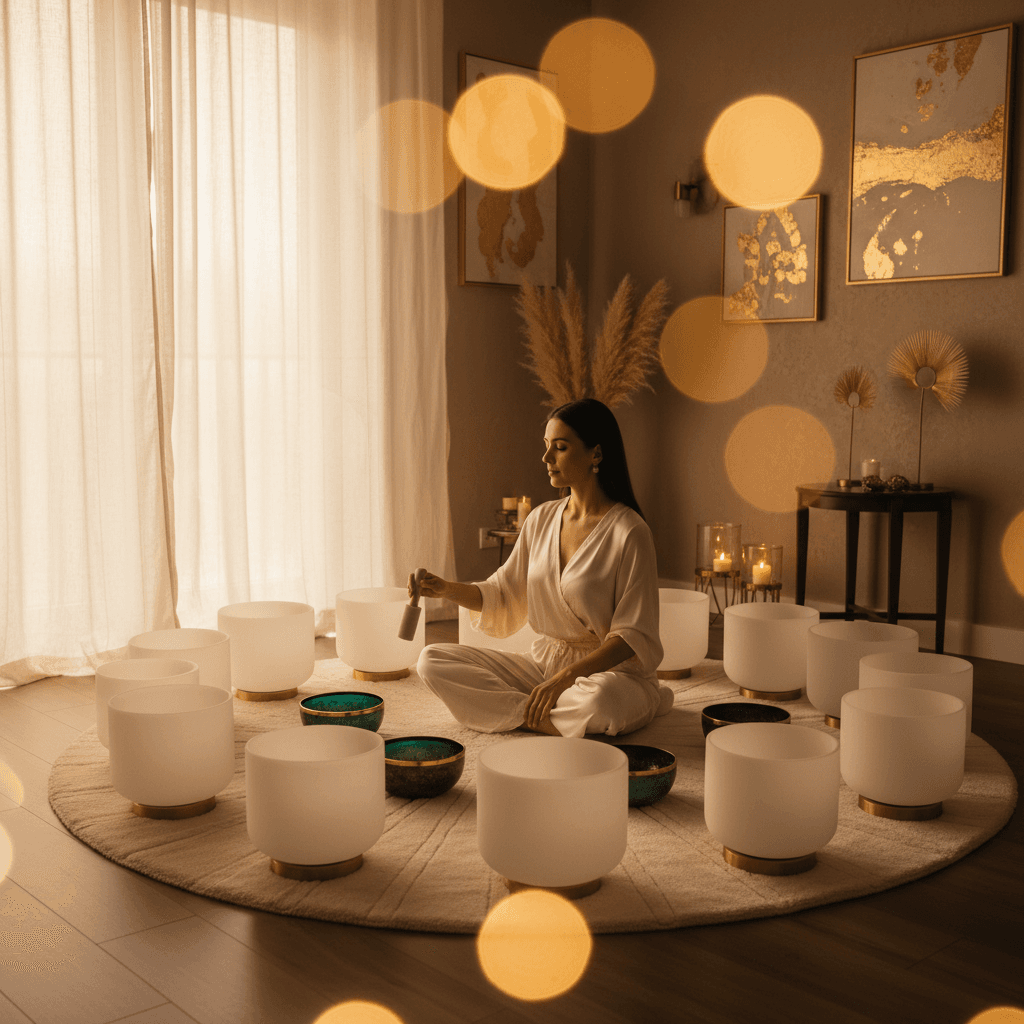
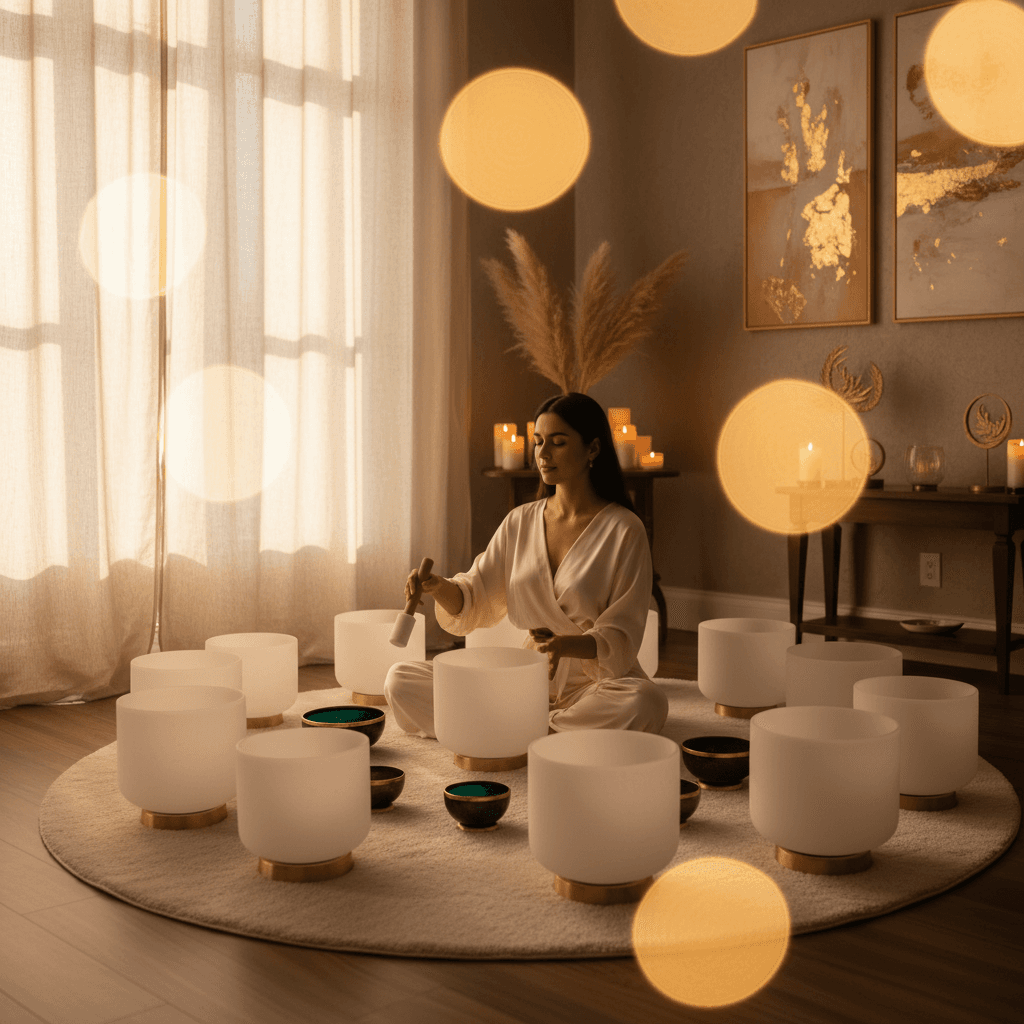
Imagine entering a space designed for quiet introspection, where the outside world gently recedes. This is the environment cultivated in a sound wellness session. The air is often still, perhaps infused with a subtle, calming scent, preparing the body and mind for a sensory journey. As the session begins, the gentle vibrations of carefully selected instruments—gongs, singing bowls, chimes—begin to fill the room, washing over the participant.
These sounds are not just heard; they are felt. The low-frequency vibrations may resonate through the body, reaching tissues and organs, promoting a deep sense of relaxation that can be elusive during times of heightened emotional distress. Many people report that these sonic environments provide a unique sensation of being cradled or held, creating a feeling of safety and comfort. This physical sensation of being supported can be particularly grounding for those experiencing the "desynchronisation" that often accompanies holiday grief.
Releasing Emotional Echoes
The beauty of sound wellness lies in its potential to offer a pathway for emotional release without requiring explicit verbalization, which can be difficult during acute grief. The carefully curated soundscapes may help to quiet the analytical mind, gently inviting the nervous system into a more parasympathetic state – the "rest and digest" mode. In this state, the body’s natural capacity for healing and processing may be enhanced.
Clients often describe a profound sense of stillness, where memories and emotions, previously overwhelming, may arise with a new clarity. Rather than being consumed by them, the enveloping sounds may create a gentle container, allowing these feelings to be observed, acknowledged, and gradually released. This process is not about "fixing" grief, but about allowing the emotional energy to move, preventing it from becoming stagnant or suppressed. It's a self-care practice that acknowledges grief as a journey, not a destination, offering moments of respite and the potential for a more mindful, self-compassionate way of experiencing loss.
The Soul Art Approach
At Soul Art Dubai, Larissa Steinbach brings a deeply empathetic and scientifically informed approach to sound wellness, particularly for those navigating complex emotional landscapes like holiday grief. Her methodology is rooted in creating a sanctuary where individuals can safely explore and process their experiences, using the transformative power of sound.
Larissa Steinbach's Vision for Holistic Healing
Larissa Steinbach founded Soul Art with a vision to provide a unique space for holistic well-being, emphasizing the profound connection between mind, body, and spirit. Understanding the nuanced challenges of grief, particularly during culturally significant times, Larissa designs sessions that are both deeply restorative and subtly therapeutic. She recognizes that grief is a highly personal journey, and her approach is never one-size-fits-all, but rather attuned to the individual's energetic and emotional needs.
Larissa's expertise lies in her ability to intuitively select and play various instruments, crafting soundscapes that promote nervous system regulation and emotional release. Her work is informed by a deep understanding of how vibrational frequencies interact with the human body, aiming to guide clients towards a state of internal balance. She ensures that Soul Art remains a non-clinical environment, focusing purely on wellness, relaxation, and stress management, offering a complementary pathway to support emotional processing.
The Symphony of Self-Compassion
What makes the Soul Art method unique is its dedication to fostering self-compassion, particularly vital when facing holiday grief. Larissa Steinbach curates sessions that are not about escaping difficult emotions, but rather about creating a safe space to meet them with kindness and understanding. She often utilizes a blend of carefully chosen instruments, such as crystal singing bowls known for their pure, resonant tones, Nepalese gongs that create expansive sound waves, and chimes that offer delicate, uplifting melodies.
These specific instruments are chosen for their capacity to induce deep meditative states, where the brainwave activity may shift from beta (active, awake) to alpha and theta states (relaxed, creative, meditative). This shift may support the nervous system in recalibrating, potentially reducing feelings of anxiety and promoting a sense of inner peace. The immersive experience at Soul Art aims to remind clients that it's okay to feel the full spectrum of emotions, especially during challenging times, reinforcing the idea that acknowledging grief is a profound act of self-love and resilience.
Your Next Steps
Navigating holiday grief is a deeply personal journey, and finding supportive practices can make a significant difference. Remember, you are not alone in feeling the weight of loss during times of celebration. Here are a few practical steps you can implement to support your well-being:
- Acknowledge Your Feelings: Allow yourself to feel whatever emotions arise without judgment. It's okay to not be "festive." Suppressing grief may prolong its impact, so grant yourself permission to mourn.
- Set Realistic Expectations: You don't have to participate in every tradition or pretend to be happy. Prioritize your emotional well-being. It is perfectly acceptable to adjust plans or create new, simpler traditions that feel more manageable.
- Seek Connection and Support: Reach out to trusted friends, family members, or a support group. Sharing your feelings can reduce feelings of isolation. Grief is a universal experience, and connecting with others can be incredibly healing.
- Practice Self-Care: Engage in activities that genuinely bring you comfort, even if they are small. This could be a quiet walk, reading a book, or exploring complementary wellness practices like sound meditation.
- Explore Sound Wellness: Consider how a calming sound experience may support your nervous system and provide a space for gentle emotional processing. Many people report that sound wellness sessions offer deep relaxation and a sense of peaceful respite during difficult periods.
If you are seeking a serene environment to explore these feelings with grace, we invite you to experience the supportive power of sound at Soul Art Dubai.
In Summary
Holiday grief is a profoundly challenging experience, where festive expectations often clash with the private journey of mourning. The scientific insights reveal how these celebratory seasons can reawaken deep emotional wounds, impacting the brain and body in significant ways, and underscoring the dangers of suppressed grief. Complementary practices, such as sound wellness, offer a gentle yet powerful approach to navigating these complex emotions. By creating a sanctuary for the senses, sound sessions may support nervous system regulation and facilitate emotional release, fostering a path towards self-compassion. Larissa Steinbach's unique approach at Soul Art Dubai provides a sophisticated and empathetic space for individuals to find solace and inner balance amidst difficult celebrations.
Bookings Coming Soon
Soul Art is still in preparation. Session details and booking will be published here after launch.
Coming Soon
Wellness Disclaimer: This article is for educational and informational purposes only. It does not constitute medical advice, diagnosis, or treatment. Soul Art Dubai provides non-medical wellness experiences focused on relaxation, stress management, and general wellbeing. Sound wellness is a complementary practice and should not replace professional medical care.