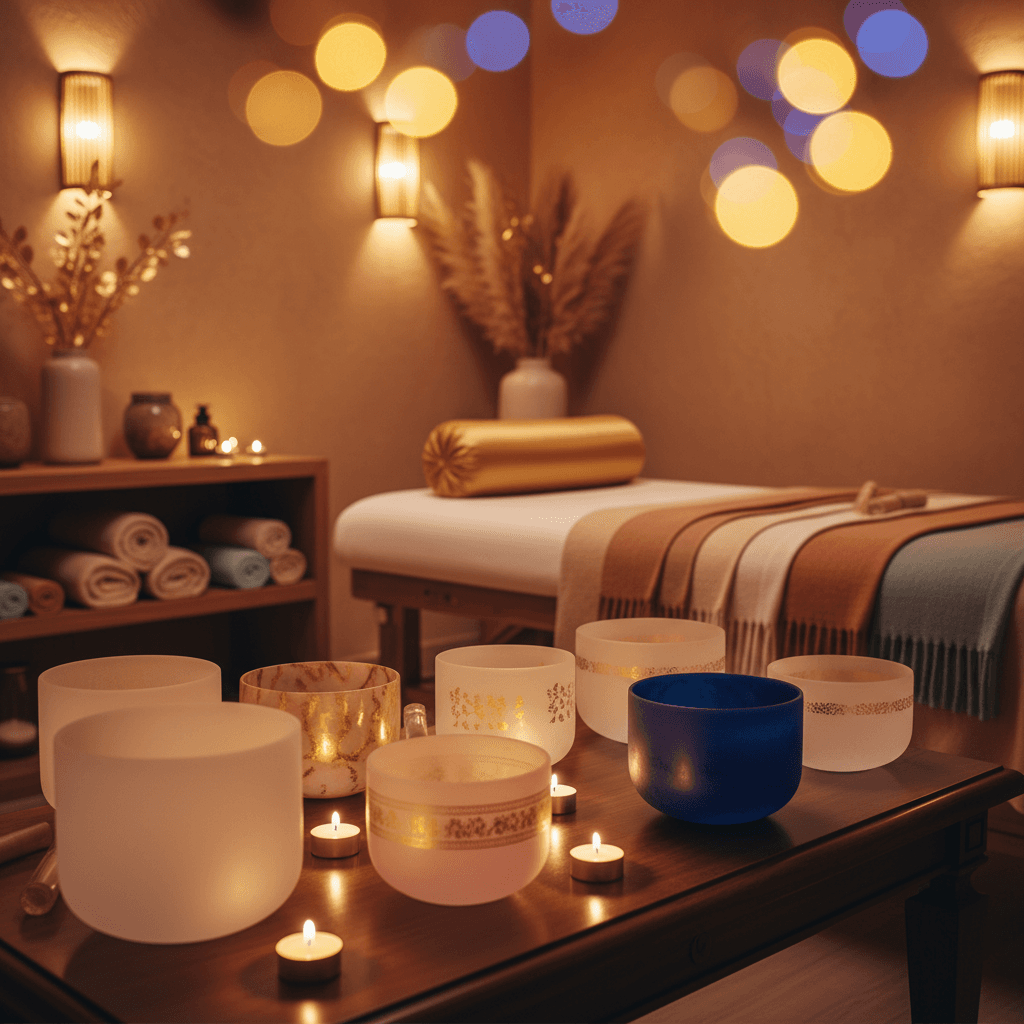
Harmonizing Your Heart: Sound's Impact on HRV & Stress Resilience
Key Insights
Explore how scientifically-backed sound wellness practices at Soul Art, led by Larissa Steinbach, can enhance Heart Rate Variability (HRV) and foster deep relaxation.
Harmonizing Your Heart: Sound's Impact on Heart Rate Variability and Stress Resilience
Imagine a symphony playing within your own body, its rhythm constantly adapting to the demands of life. This intricate, often unnoticed orchestration is profoundly linked to your overall well-being and resilience against stress. At its core lies Heart Rate Variability (HRV), a powerful biological marker gaining increasing recognition as a key indicator of nervous system balance.
For many, the relentless pace of modern life in vibrant cities like Dubai can leave this inner symphony feeling discordant, leading to heightened stress and a diminished sense of calm. What if there was a scientifically-grounded, yet deeply holistic, approach to restore this vital balance? Emerging research suggests that sound, in its carefully curated and resonant forms, offers a profound pathway to enhancing HRV and cultivating a state of profound relaxation.
This article delves into the fascinating connection between sound frequencies and our physiological responses, revealing how practices like those offered by Larissa Steinbach at Soul Art can help recalibrate your body's natural rhythms. Prepare to discover how the ancient wisdom of sound, amplified by modern scientific understanding, may unlock a deeper level of well-being and stress resilience within you.
The Science Explained: How Sound Reshapes Your Inner Rhythms
Our bodies are complex bio-energetic systems, constantly responding to external stimuli. Sound, far from being just an auditory experience, transmits vibrations that interact with our physiology in remarkable ways, particularly influencing our nervous system and its ability to adapt. Understanding this interaction is key to appreciating the profound benefits of sound wellness.
Understanding Heart Rate Variability (HRV)
Heart Rate Variability (HRV) refers to the subtle, beat-to-beat fluctuations in the time intervals between consecutive heartbeats. Contrary to popular belief, a perfectly regular heart rhythm is not a sign of optimal health. Instead, a higher and more varied HRV indicates a healthy, adaptable nervous system that can efficiently switch between states of stress and relaxation.
HRV is regulated by the autonomic nervous system (ANS), which comprises two main branches: the sympathetic nervous system ("fight or flight") and the parasympathetic nervous system ("rest and digest"). When HRV is high, it suggests a dominant parasympathetic activity, correlating with enhanced resilience, better emotional regulation, and improved overall wellness. Conversely, low HRV is often associated with chronic stress, anxiety, and various health imbalances.
The Vagus Nerve: Your Inner Regulator
One of the most significant ways sound impacts our nervous system is through its influence on the vagus nerve. This cranial nerve is a crucial component of the parasympathetic nervous system, acting as a superhighway connecting the brain to many vital organs, including the heart, lungs, and gut. It plays a pivotal role in regulating heart rate, blood pressure, digestion, and even emotional responses.
Certain tones and, notably, low-frequency vibrations, are known to stimulate the vagus nerve. This stimulation helps to shift the body into a "rest and digest" state, dampening the "fight or flight" response. This physiological shift supports the body's natural capacity to relax, heal, and restore balance. Increased vagal tone, a positive indicator of vagus nerve health, has been observed with various interventions, including vibrations, correlating with improved well-being and performance.
Cellular Resonance and Vibrational Impact
Beyond the nervous system, emerging studies are exploring the deeper, more subtle impacts of sound on a cellular level. Research in cytology and quantum biology suggests that vibrational frequencies may influence fundamental cellular functions. This includes the movement of ions and water across cell membranes, which are crucial for cellular communication and nutrient absorption.
While still in early stages, this fascinating research hints at how sound might aid tissue healing, support cellular regeneration, and enhance energy flow throughout the body. The idea is that cells, like miniature tuning forks, resonate with specific frequencies, potentially optimizing their function and promoting a state of harmonious balance. This represents a frontier in understanding the profound, pervasive effects of sound.
Research Supporting Sound's Influence on HRV
A growing body of scientific research supports the effectiveness of sound in promoting relaxation, reducing stress, and improving mental and physical well-being. The most recognized scientific explanations focus on how sound frequencies interact with the body’s nervous system and brainwaves.
-
Clinical Studies on Stress Reduction: A notable 2016 study published in the Journal of Evidence-Based Integrative Medicine found that participants engaging in sound meditation with singing bowls experienced significantly reduced tension, anger, fatigue, and depression compared to their baseline. This highlights sound's potential as a potent stress management tool.
-
Low-Frequency Vibrations (LFV) and HRV Enhancement: An open-access article in a recent journal investigated the effects of Low-Frequency Vibration (LFV) on HRV. This intra-individual comparative study involved healthy male participants undergoing blinded 40-minute sessions with LFV or no-vibration. While both sessions showed a decrease in heart rate during the intervention, only LFV was associated with enhanced HRV variables 30 minutes post-intervention compared to pre-session. This study specifically concluded that LFV significantly increased parasympathetic activity, evidenced by higher HRV measures, marking a clear physiological benefit.
-
Music and Parasympathetic Activity: Further studies, such as "Effects of Three Genres of Focus Music on Heart Rate Variability and...", have consistently shown a physiological effect in the direction of increased parasympathetic activity, indexed as an increased HRV RMSSD response, in response to listening to music. This finding aligns with convergent lines of evidence suggesting that music can modulate heart rate and HRV.
-
Himalayan Singing Bowls for Deeper Relaxation: A comparative study aimed to validate that short 20-minute sessions with Himalayan Singing Bowls (HSB) could provide a better depth of relaxation than simple supine silence. The study demonstrated that HSB sessions facilitated faster and deeper relaxation, based on objective physiological parameters like Stress Index and Heart Rate Variability, compared to silence.
-
The Power of Humming: Even simple vocalizations have shown remarkable effects. A pilot study assessing HRV parameters during various activities, including humming (simple Bhramari pranayama), revealed that humming produced the lowest stress index, even lower than during sleep. It also showed the highest Standard Deviation of all Normal-to-Normal intervals (SDNN), RMSSD, and LF/HF ratio values. These findings strongly suggest that a regular humming routine can significantly enhance parasympathetic activity while slowing sympathetic activation, making it a highly effective stress-management tool.
"The subtle yet profound power of vibrational frequencies to gently guide our nervous system towards a state of equilibrium is one of nature's most elegant remedies for the modern soul."
How It Works in Practice: The Sensory Journey to Calm
Stepping into a sound wellness session is an immersive, multi-sensory experience that transcends typical relaxation methods. It is a carefully curated journey designed to engage the body and mind through specific auditory and vibrational stimuli, facilitating a deep physiological shift towards calm.
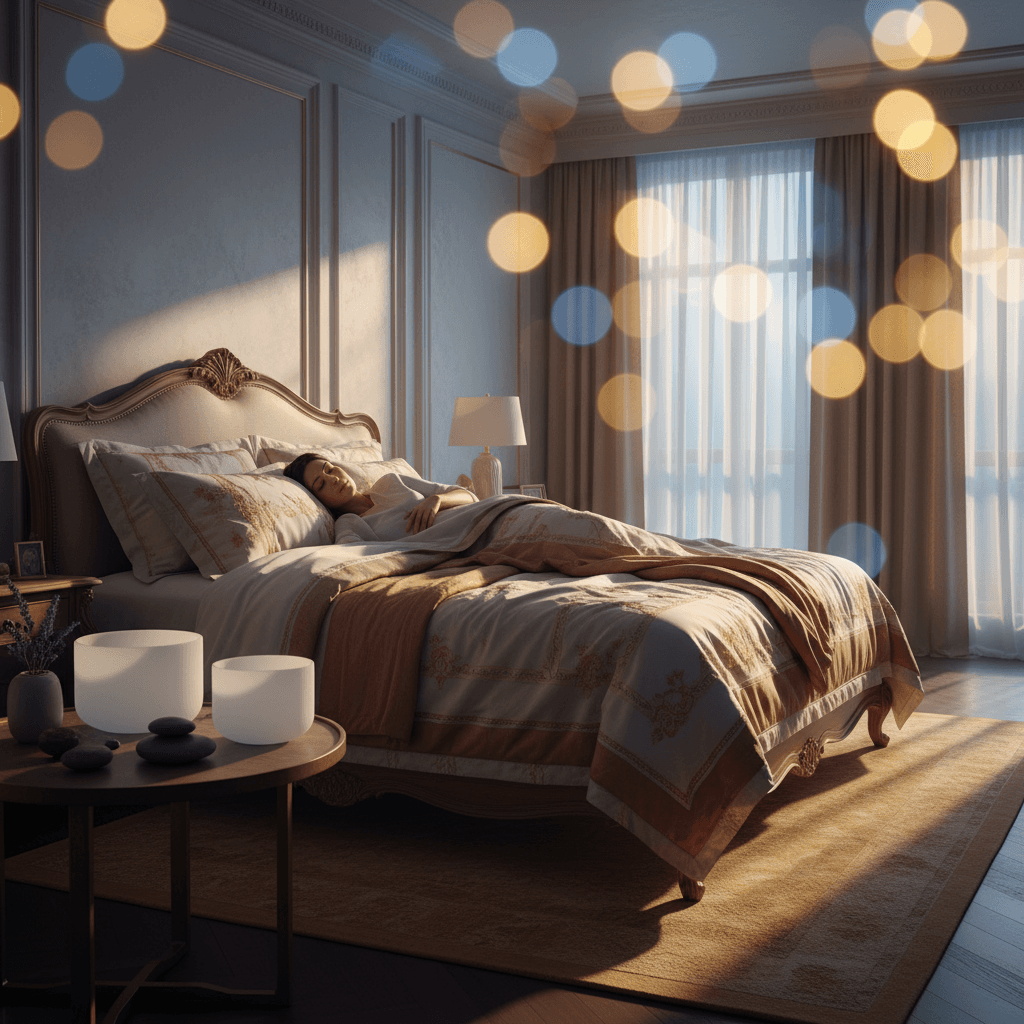
Upon entering a dedicated sound space, you are often invited to recline comfortably, perhaps on a mat or cushion. The environment is typically serene, free from external distractions, allowing for complete immersion. The journey begins as the practitioner introduces various instruments, each selected for its unique sonic qualities and vibrational properties.
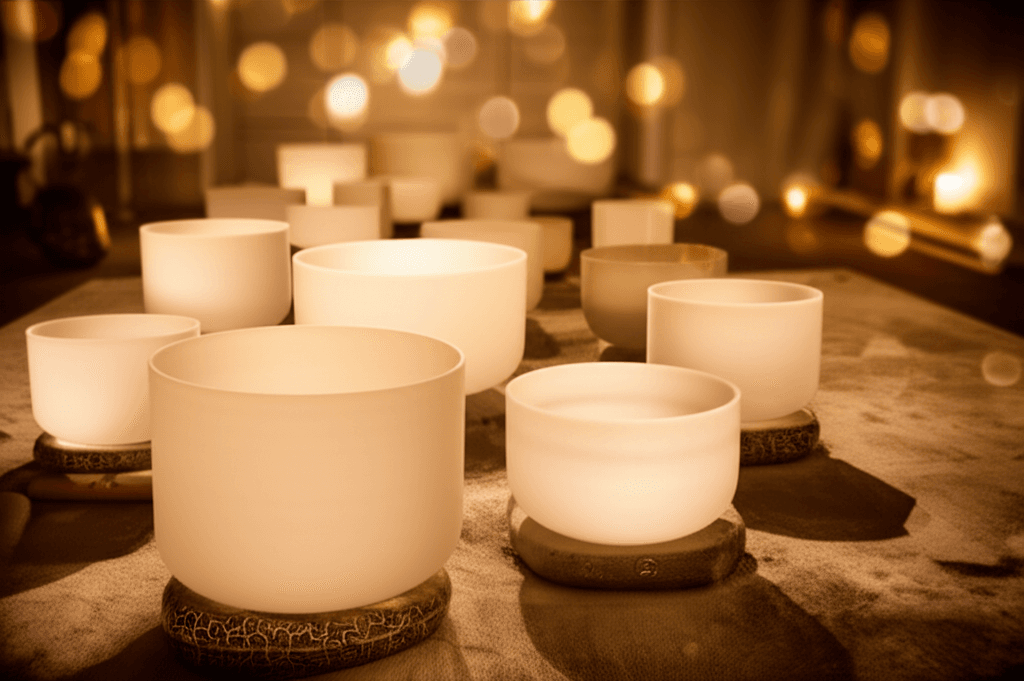
You might hear the rich, resonant tones of crystal singing bowls, their pure frequencies washing over you, or the deep, earthy vibrations of gongs that seem to ripple through every cell of your body. Chimes, tuning forks, and other instruments may contribute layers of harmonious sound, creating an intricate soundscape. These sounds are not merely listened to; they are felt. The low-frequency vibrations, in particular, are physically perceptible, gently vibrating through the body and tissues.
This auditory and somatic experience works on several levels. Acoustically, the coherent sound waves encourage brainwave entrainment, guiding your brain from a busy beta state towards more relaxed alpha and even meditative theta states. This shift is crucial for accessing deep relaxation and facilitating the body’s natural healing processes. The gentle, rhythmic sounds act as a focal point, drawing your attention away from distracting thoughts and easing mental chatter.
Physiologically, the direct stimulation of the vagus nerve by these specific frequencies prompts the activation of the parasympathetic nervous system. This activation leads to a measurable decrease in heart rate, a lowering of blood pressure, and, significantly, an increase in Heart Rate Variability. It's a natural, gentle way to signal to your body that it is safe to relax, release tension, and recuperate. Many people report feeling a profound sense of peace, a release of accumulated stress, and a lightness in both body and mind after a session.
The Soul Art Approach: Larissa Steinbach's Vision for Well-being
At Soul Art, Dubai's premier sound wellness studio, Larissa Steinbach brings a distinctive blend of scientific understanding and intuitive artistry to her practice. Her philosophy centers on empowering individuals to rediscover their inner harmony and build resilience against the stresses of contemporary life through the transformative power of sound. The Soul Art approach is not just about listening; it's about experiencing profound internal shifts.
Larissa Steinbach meticulously curates each session, drawing upon a deep knowledge of sound frequencies, their physiological impact, and the art of creating truly immersive soundscapes. What makes the Soul Art method unique is its holistic integration of ancient traditions with modern insights into neurobiology and cellular wellness. This allows for an experience that is both deeply rooted in spiritual practice and validated by scientific principles.
Soul Art sessions utilize a carefully selected array of instruments, each chosen for its specific energetic and vibrational properties. These include high-quality crystal singing bowls, known for their pure, sustained tones; deeply resonant gongs that create complex, multi-layered sound fields; and therapeutic tuning forks designed to target specific energetic points. Larissa often incorporates gentle guided meditation and breathwork, amplifying the effects of the sound by consciously engaging the breath and focusing the mind.
The goal at Soul Art is to provide a sanctuary where the body's natural regulatory systems, especially the autonomic nervous system, can be gently coaxed back into balance. By consistently offering environments and experiences that support vagal nerve stimulation and brainwave entrainment, Larissa Steinbach helps clients cultivate a higher, healthier Heart Rate Variability. This enhanced HRV translates into greater resilience, improved emotional regulation, and a deeper sense of peace and clarity that extends far beyond the session itself.
Your Next Steps: Cultivating Calm in Your Daily Life
Integrating sound into your well-being routine doesn't require drastic changes; even small, consistent practices can make a significant difference in your HRV and overall stress resilience. The journey to a more balanced nervous system is ongoing, and you have the power to influence it every day.
Consider these practical steps to begin cultivating calm and harnessing the benefits of sound:
- Mindful Listening: Start by simply listening more attentively to your environment. Notice the sounds around you without judgment. Even five minutes of focused listening can anchor you in the present moment.
- Deep, Resonant Breathing: Practice slow-paced, diaphragmatic breathing. Inhale deeply through your nose for a count of four, hold for seven, and exhale slowly through your mouth for eight. This activates the vagus nerve and directly influences HRV.
- Explore Therapeutic Sound: Seek out high-quality sound recordings designed for relaxation and meditation. Many apps and online platforms offer tracks with binaural beats or gentle nature sounds that can promote alpha and theta brainwave states.
- Vocal Toning or Humming: As research suggests, simple humming can significantly impact your HRV. Try humming a comfortable tune for a few minutes daily, feeling the vibration in your chest and throat. This gentle self-stimulation of the vagus nerve is a powerful, accessible tool.
- Experience a Professional Sound Wellness Session: For a deeper, more profound experience, consider booking a session with a qualified practitioner. The expertly curated soundscapes and therapeutic vibrations offered at studios like Soul Art can provide an unparalleled pathway to nervous system regulation and enhanced HRV.
Taking these steps is an act of self-care, a conscious choice to invest in your nervous system's health and your overall well-being. It is about equipping yourself with tools to navigate life's challenges with greater ease and inner peace.
In Summary: Harmonizing Your Inner Landscape
The quest for well-being in our fast-paced world often leads us to overlook the subtle yet profound rhythms governing our bodies. Heart Rate Variability (HRV) stands as a crucial indicator of our nervous system's health and our capacity to adapt to stress. Scientific studies increasingly highlight the powerful potential of sound, particularly low-frequency vibrations, in gently influencing this vital marker.
By stimulating the vagus nerve, promoting beneficial brainwave states, and potentially impacting cellular function, sound wellness practices offer a unique and effective complementary approach to stress reduction and enhanced resilience. The evidence suggests that engaging with therapeutic sound can increase parasympathetic activity, leading to a more balanced and harmonious inner landscape.
At Soul Art, Larissa Steinbach and her team provide a sanctuary where these ancient and scientifically-supported principles converge. Through expertly guided sound journeys, you are invited to experience a profound recalibration of your nervous system, fostering not just relaxation, but a sustained improvement in your HRV. Embrace this powerful journey to reconnect with your body's innate wisdom and elevate your overall well-being.
Bookings Coming Soon
Soul Art is still in preparation. Session details and booking will be published here after launch.
Coming Soon
Wellness Disclaimer: This article is for educational and informational purposes only. It does not constitute medical advice, diagnosis, or treatment. Soul Art Dubai provides non-medical wellness experiences focused on relaxation, stress management, and general wellbeing. Sound wellness is a complementary practice and should not replace professional medical care.
Related Articles
Vibration Therapy for Plantar Fasciitis: A Holistic Path to Foot Wellness
Frozen Shoulder: Sound Support for Enhanced Mobility & Ease
Harmonizing Breath: How Sound Wellness May Support Sleep Apnea Management