Protect Your Ears: The Science of Hearing Health & Sound Wellness
Key Insights
Discover essential protective sound practices to safeguard your hearing health. Learn scientific insights, practical tips, and how Soul Art Dubai offers holistic wellness for your auditory system.
Safeguarding Your Soundscape: Protective Practices for Lifelong Hearing Health
Did you know that prolonged exposure to sounds exceeding the volume of a busy restaurant can lead to permanent hearing damage? Our auditory system, an intricate marvel of biology, is constantly processing the world around us. Yet, in our increasingly noisy modern lives, the delicate structures responsible for this vital sense are under constant threat.
At Soul Art Dubai, we believe in a holistic approach to wellness, which profoundly includes nurturing our hearing health. This comprehensive guide will delve into the science of sound exposure, explore the tangible risks to your hearing, and introduce you to protective sound practices that can empower you to preserve this precious sense for years to come. We will examine how mindful interaction with sound, complemented by specific wellness strategies, forms the cornerstone of our philosophy at Soul Art.
Understanding how our ears work, what damages them, and how to actively protect them is not just about avoiding hearing loss; it's about enhancing your overall well-being, mental clarity, and connection to the world. Join us on a journey to explore how conscious engagement with sound can be a powerful tool for both protection and profound relaxation.
The Science Explained: Understanding Your Auditory System and Noise-Induced Hearing Loss
Our ability to hear is an extraordinary feat of physiological engineering. Sound waves travel through the outer ear, vibrate the eardrum, and are then amplified by three tiny bones in the middle ear. These vibrations are then transmitted to the inner ear, specifically the cochlea, a snail-shaped organ filled with fluid and thousands of delicate hair cells. These hair cells convert the mechanical vibrations into electrical signals, which are sent to the brain to be interpreted as sound.
The Mechanisms of Noise-Induced Hearing Loss (NIHL)
Noise-Induced Hearing Loss (NIHL) occurs when these sensitive hair cells in the inner ear are damaged or destroyed by excessively loud sounds. Unlike hair cells elsewhere in the body, those in the inner ear do not regenerate. Once they are gone, they are gone permanently. This damage can lead to a range of issues, including a diminished ability to hear high-frequency sounds, difficulty understanding speech, and the debilitating condition known as tinnitus—a persistent ringing, roaring, or buzzing in the ears.
The louder the sound, the faster damage can occur. The U.S. Environmental Protection Agency (EPA) calculates that a safe noise exposure level to prevent NIHL is approximately 70 decibels (dB) over time. For occupational settings, the National Institute for Occupational Safety and Health (NIOSH) recommends that worker exposures to noise should be controlled below a level equivalent to 85 A-weighted decibels (dBA) for an eight-hour shift. Every increase by 3 dBA effectively doubles the amount of noise energy and halves the recommended safe exposure time, highlighting the exponential risk.
Psychological Barriers to Hearing Protection
Despite clear scientific evidence, many individuals do not consistently use hearing protective devices (HPDs). Studies, including research on university students and various occupational groups like musicians and agricultural workers, reveal several psychological and social factors at play. A significant barrier is optimism bias, where individuals underestimate their personal risk of hearing damage. This often combines with cognitive dissonance, where the enjoyment of loud music or environments outweighs the perceived future risk.
Peer norms and social reinforcement also contribute, particularly among younger populations. If friends are not using hearing protection, an individual may feel less inclined to do so. Furthermore, a limited awareness of effective protective strategies and the perceived inconvenience or social stigma associated with HPDs can deter consistent use. These psychosocial drivers are not unique to any one region and reflect broader human behavioral patterns globally.
The Role of Hearing Protective Devices (HPDs)
When avoiding loud sounds or moving away from the source is not possible, hearing protectors are crucial. These wearable devices, such as earplugs or protective earmuffs, reduce the intensity of sound entering the ears. While laboratory tests might show attenuation ranging from 15-28dB, in real-world conditions, most earmuffs and expandable foam plugs typically provide 10 to 15dB of attenuation. Using earmuffs and plugs together can further improve attenuation by 5 to 10dB.
A protective effect of 10 to 15dB is highly significant, as it can bring noise levels into an acceptable range for a vast majority—over 90%—of exposed individuals. However, the effectiveness hinges critically on consistent and proper use. Data shows that earplugs may not provide their advertised protection if users are not adequately instructed on how to insert and wear them correctly.
"True well-being begins with conscious awareness. Protecting our hearing is not about deprivation, but about preserving our capacity to experience the full, rich spectrum of sound that enriches life."
How It Works in Practice: Integrating Protective Sound Practices into Daily Life
Translating scientific knowledge into actionable daily habits is paramount for hearing health. It involves a multi-faceted approach, combining proactive avoidance, strategic use of protection, and mindful engagement with sound. This isn't just about what you don't do; it's about what you do to cultivate a healthier auditory environment.
Proactive Avoidance and Reduction
The first line of defense against NIHL is to reduce exposure to loud sounds. This means being conscious of your environment. If you're in a noisy place, try to increase the distance between yourself and the sound source, as sound intensity diminishes significantly with distance. Alternatively, simply turning down the volume on personal listening devices (PLDs) is a simple yet powerful step. Many modern headphones and devices now offer volume-limiting features, which are excellent tools for maintaining safe listening levels.
For individuals frequently exposed to noise, such as those in specific occupations or musicians, regular monitoring of noise levels is advisable. Employers should prioritize engineering controls (e.g., quieter machinery, isolating noise sources) and administrative controls (e.g., limiting exposure time) before relying solely on personal protective equipment. This layered approach ensures comprehensive protection.
Strategic Use of Hearing Protection
When avoiding loud environments is impossible, the consistent and correct use of hearing protective devices (HPDs) becomes non-negotiable. This means making earplugs or earmuffs a regular part of your toolkit for concerts, sporting events, noisy commutes, or even household activities like using power tools. Understanding the proper fit for earplugs, ensuring they create a good seal, is as important as remembering to wear them. For earmuffs, ensure they completely cover the ears and fit snugly around the head, often adjustable for optimal security.
Beyond basic earplugs, specialized HPDs are available. For instance, musicians' earplugs offer a more uniform sound attenuation across frequencies, allowing for clearer sound perception at reduced volumes, which is crucial for their craft. These options address the communication and performance needs that often lead to non-use of conventional protection.
Cultivating Mindful Sound Environments
Beyond protection, actively creating restorative sound environments can significantly contribute to overall auditory wellness. This involves seeking out moments of quiet, engaging with nature's gentle sounds, and using therapeutic soundscapes. By consciously reducing your exposure to auditory stress, you give your ears a chance to rest and recover.
For instance, dedicating time each day to silence or listening to calming, natural sounds can counteract the cumulative effects of daily noise pollution. This practice not only aids hearing health but also supports mental clarity and stress reduction. These mindful sound practices form an integral part of the holistic wellness experiences offered at Soul Art.
The Soul Art Approach: Nurturing Auditory Wellness with Larissa Steinbach
At Soul Art Dubai, founded by the visionary Larissa Steinbach, our philosophy transcends mere relaxation; it's about cultivating a profound connection to well-being through the power of sound. We understand that healthy hearing isn't just about preventing damage; it's about optimizing our capacity to receive and process sound in a way that nourishes the body and mind. Our unique approach to sound wellness is designed to support the entire auditory system, promoting relaxation and resilience.
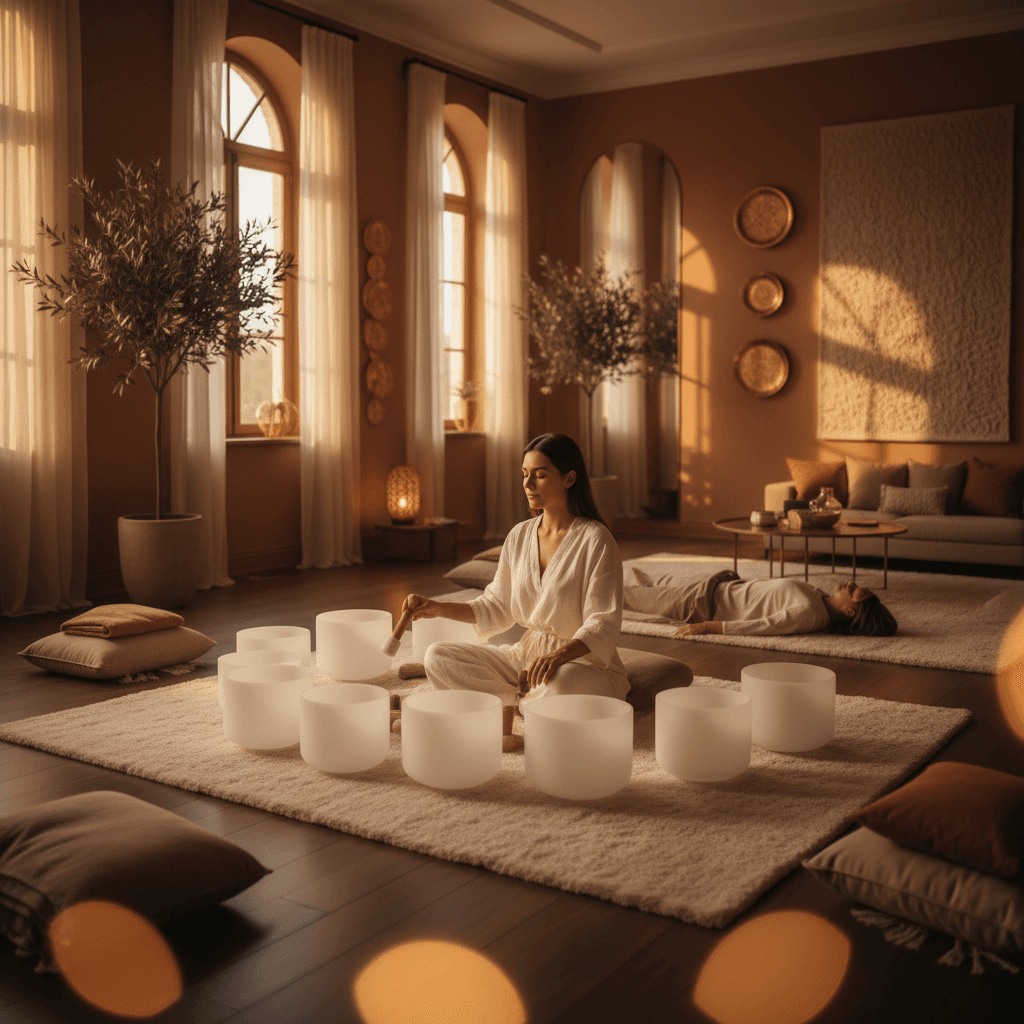
Larissa Steinbach integrates scientific understanding of sound frequencies and their impact on the nervous system with ancient practices of sound healing. The studio provides a sanctuary where clients can experience meticulously curated soundscapes that gently envelop them, offering a stark contrast to the often harsh and overwhelming auditory environments of daily life. This deliberate exposure to harmonious, low-impact frequencies can be profoundly restorative for ears that are constantly working.
Our sessions often feature a symphony of specialized instruments, including:
- Himalayan Singing Bowls: Hand-hammered metal bowls that produce rich, sustained tones and powerful vibrations. These bowls create a deeply resonant experience that helps to calm the nervous system and promote a meditative state.
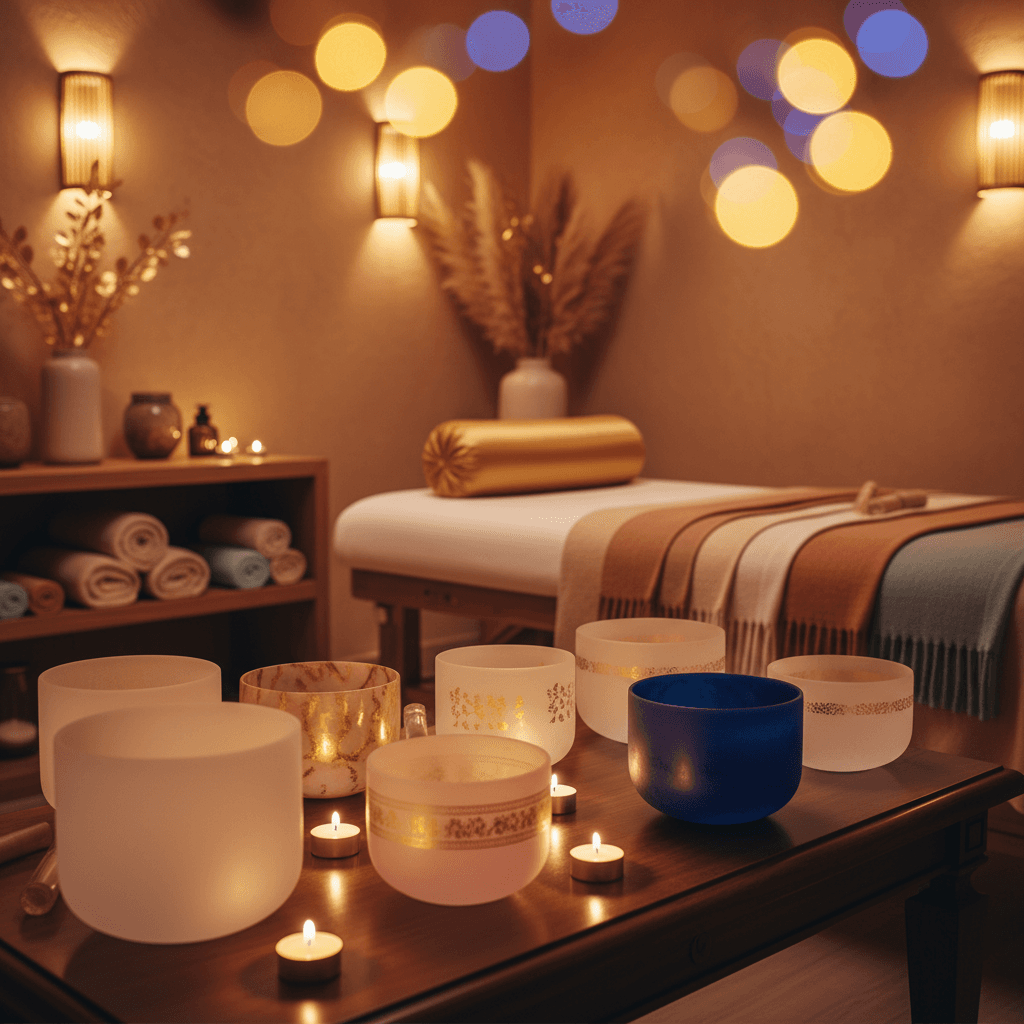
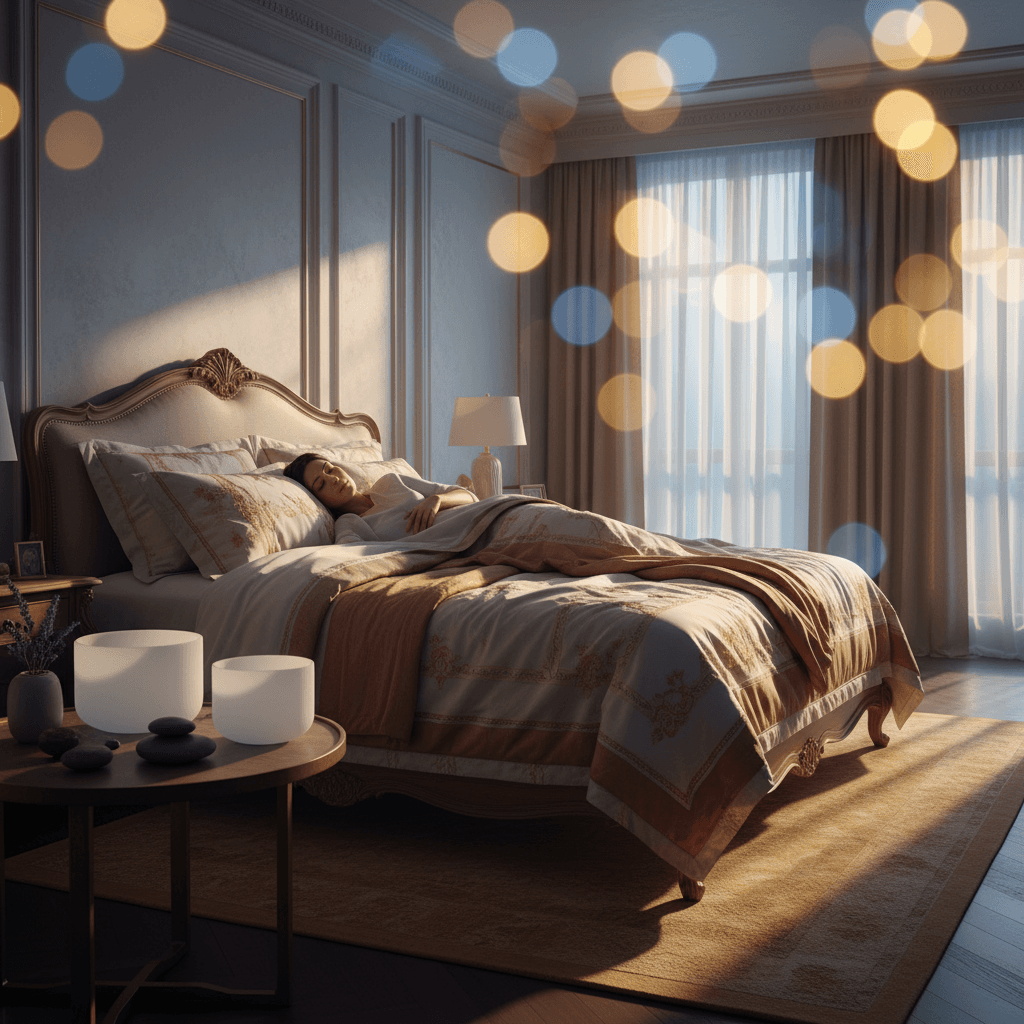
- Crystal Singing Bowls: Made from pure quartz crystal, these bowls produce clear, ethereal tones known for their purity and ability to resonate with the body's energy centers. Their sustained frequencies support deep relaxation.
- Gongs: Large, resonant instruments that generate complex sound waves and powerful sonic textures. Gongs are used to create immersive sound journeys that can facilitate emotional release and mental clarity.
- Chimes and Percussion: Delicate chimes and other gentle percussion instruments are used to add layers of texture and subtle variations, enhancing the auditory experience and guiding the listener into deeper states of calm.
Through these instruments, Larissa Steinbach facilitates experiences that are not only deeply relaxing but also subtly supportive of auditory health. By creating a controlled environment where sound is delivered at safe, therapeutic volumes, Soul Art provides a crucial counterpoint to the often damaging noise exposure of modern life. This intentional sound immersion allows the auditory system to relax and recalibrate, reinforcing protective practices from a proactive, wellness-oriented perspective.
Your Next Steps: Empowering Your Hearing Health Journey
Taking charge of your hearing health is an ongoing process that begins with awareness and culminates in consistent, protective practices. It's about making conscious choices every day to preserve a sense that profoundly impacts your quality of life. Start today by integrating these simple, yet impactful, strategies into your routine.
Here are actionable steps you can implement to empower your hearing health journey:
- Monitor Personal Listening Device (PLD) Volume: Aim for less than 60% of maximum volume when using headphones or earbuds, and take regular listening breaks. Many smartphones offer integrated monitoring tools to help you track your exposure.
- Embrace Hearing Protection: Carry earplugs with you, especially if you anticipate being in loud environments like concerts, gyms, or public transport. Learn how to insert them correctly for optimal protection, ensuring a snug fit that creates a seal.
- Create Quiet Spaces: Dedicate time each day to experience silence or gentle, natural sounds. This allows your ears and brain to rest from constant auditory input, reducing stress on the auditory system.
- Regular Auditory Check-ups: Consider getting your hearing checked regularly, especially if you have concerns about exposure or notice any changes in your hearing. Early detection can lead to better management and preventive strategies.
- Explore Sound Wellness Practices: Engage in complementary practices like sound baths or guided meditations that utilize therapeutic sound frequencies at safe volumes. These practices offer relaxation and promote a sense of well-being, providing a restorative environment for your auditory system.
Ready to deepen your connection with sound in a protective and nurturing way? At Soul Art Dubai, we invite you to experience how intentional sound can transform your well-being.
In Summary: A Harmonic Path to Auditory Wellness
Our hearing is a precious gift, constantly enriching our lives with a symphony of sounds. However, the pervasive noise of modern living poses a significant threat, leading to noise-induced hearing loss and tinnitus. Scientific insights highlight the importance of understanding safe noise levels, the critical role of hearing protective devices, and overcoming psychological barriers to their consistent use.
By adopting proactive habits such as managing personal listening volumes, using hearing protection in noisy environments, and actively seeking quietude, we can significantly safeguard our auditory health. Larissa Steinbach and Soul Art Dubai offer a unique haven where sound wellness is practiced at its finest, providing restorative experiences with carefully chosen instruments that nurture your ears and nervous system. Embrace these protective sound practices to preserve your hearing and unlock a deeper sense of tranquility and well-being.
Bookings Coming Soon
Soul Art is still in preparation. Session details and booking will be published here after launch.
Coming Soon
Wellness Disclaimer: This article is for educational and informational purposes only. It does not constitute medical advice, diagnosis, or treatment. Soul Art Dubai provides non-medical wellness experiences focused on relaxation, stress management, and general wellbeing. Sound wellness is a complementary practice and should not replace professional medical care.
Related Articles
Vibration Therapy for Plantar Fasciitis: A Holistic Path to Foot Wellness
Frozen Shoulder: Sound Support for Enhanced Mobility & Ease
Harmonizing Breath: How Sound Wellness May Support Sleep Apnea Management