Grief Waves: How Sound Wellness Soothes Unpredictable Emotions
Key Insights
Explore how Soul Art's sound wellness practices, guided by Larissa Steinbach, offer a scientifically-backed sanctuary for unpredictable grief waves. Discover deep emotional support.
Have you ever felt grief arrive like an unexpected tide, powerful and disorienting, even long after a loss? Modern research now affirms what many have intuitively known: grief doesn’t follow a predictable timeline; it ebbs and flows, often manifesting in surprising emotional and physical ways. In these moments when words feel insufficient, or when the body holds unspoken tension, the ancient art and modern science of sound wellness offer a profoundly gentle pathway forward.
At Soul Art, Dubai's premier sound wellness studio, we understand that navigating these "grief waves" requires a supportive and nuanced approach. This article delves into the scientific underpinnings of how intentional sound can help restore balance, process complex emotions, and provide a unique sanctuary for the unpredictable journey of grief. You will discover how sound can become a reliable companion, helping you remember the wholeness that still resides within, even amidst sorrow.
The Science of Sound and Grief: A Physiological Perspective
Grief is a whole-being experience, touching mind, body, and spirit. Far from a linear progression through defined stages, contemporary research reveals it as a cyclical and deeply personal process. Understanding its multifaceted nature is the first step towards finding effective support.
Understanding the Unpredictable Nature of Grief
The outdated "stages of grief" model has largely been superseded by modern research, which portrays grief as cyclical rather than linear. Waves of intense emotion can strike unexpectedly, regardless of how much time has passed since a loss. This non-linear timeline means that support needs can change dramatically over time, making consistent, adaptable wellness practices incredibly valuable.
Grief also impacts our cognitive functions in surprising ways. Studies show it can lead to short-term memory lapses, difficulty concentrating, and problems with decision-making. Neuropsychological testing has even indicated that these cognitive effects can temporarily reduce functional IQ by 10-15 points, highlighting grief's profound impact on daily life.
Furthermore, our perception of time can become distorted during bereavement, a phenomenon known as "temporal disintegration." A Harvard study found that 78% of grieving participants reported significant time perception distortions during the first year of bereavement, with days feeling excruciatingly long while months seem to vanish. This underscores the disorienting power of grief.
Emotionally, grief can manifest in unexpected forms beyond sadness, including anger, irritability, or even inappropriate humor and numbness. Cultural contexts also profoundly shape grief expressions; while some East Asian cultures prioritize private mourning, certain African traditions celebrate death vibrantly. These diverse expressions highlight the need for empathetic understanding rather than judgment.
How Sound Engages the Nervous System
When we experience loss, our nervous system frequently becomes dysregulated, shifting our body into a state of heightened stress. Intentional sound, particularly during practices like sound meditation, serves to restore balance by actively engaging the parasympathetic nervous system (PNS). The PNS is our body's natural "rest and digest" mechanism, counteracting the "fight or flight" response.
Neuroscience research demonstrates that specific audio frequencies can support the reduction of stress hormones, such as cortisol, while potentially increasing oxytocin, a hormone associated with bonding and well-being. This creates physiological conditions that are conducive to deep emotional processing and relaxation. Instruments like Tibetan singing bowls, gongs, and Native American flutes produce measurable effects, including steadier heart rhythms and brainwave patterns linked to profound relaxation, such as alpha and theta states.
Sound's therapeutic potential also extends to vibroacoustic therapy (VAT), where low-frequency sounds create vibrations that can gently massage deep parts of the body, down to the tissue, organ, and cellular levels. While VAT is a distinct modality, the underlying principle of sound's ability to create physical resonance and release tension is integral to many sound wellness practices. This profound energetic engagement helps the nervous system remember how to rest, bringing the body and mind back into harmony.
Every part of us, from our cells to our thoughts, vibrates at a particular frequency. When we experience trauma or grief, our frequency can shift, causing us to feel "off key" or "out of tune." Sound wellness practices aim to help realign these frequencies, supporting the return to a more balanced and harmonious state, both physically and emotionally.
Sound as a Pathway Beyond Words
Sometimes, grief is simply too vast and overwhelming for language. When words fail to capture the depth of our sorrow, anger, or confusion, sound and music can provide a vital, safe channel for expression. This non-verbal avenue allows feelings to surface and be acknowledged without the pressure of articulation.
Listening to resonant tones, or even engaging in spontaneous vocalization, can give shape to emotions we might otherwise struggle to voice. This process is not merely about release; it offers a profound opportunity to reconnect with parts of ourselves that feel hidden, forgotten, or fractured by loss. It helps us hold our pain and gently work through it, rather than suppressing it.
The intentional design of grief-specific soundscapes honors the uniqueness of each loss, creating a "sonic container" strong enough to hold intense emotions. This container supports healing without bypassing difficult feelings, allowing a gentle guidance through grief's complex landscape.
Experiencing the Sonic Sanctuary: Practical Applications of Sound Wellness
Connecting the scientific understanding of grief and sound, Soul Art’s practices offer tangible support. Clients often describe profound experiences of release and comfort, finding a unique sanctuary within the studio's carefully curated soundscapes.
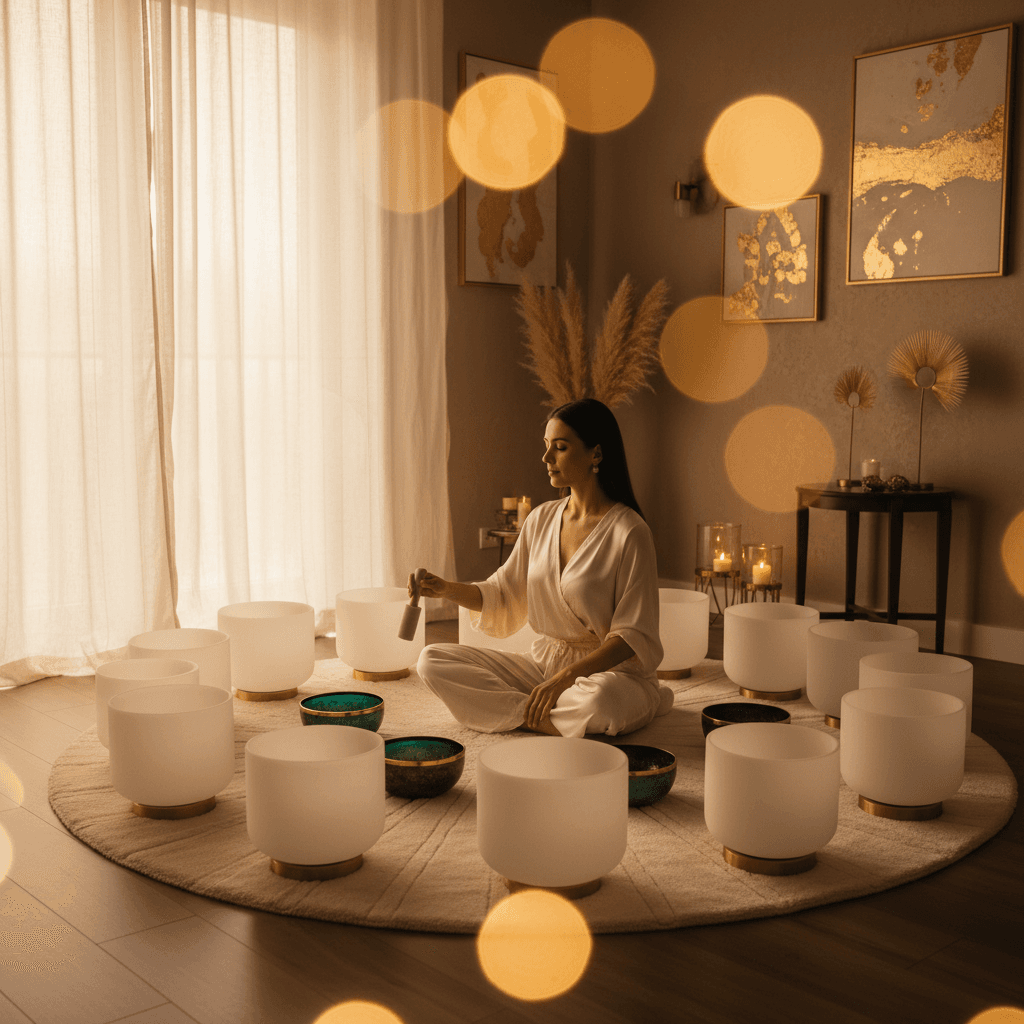
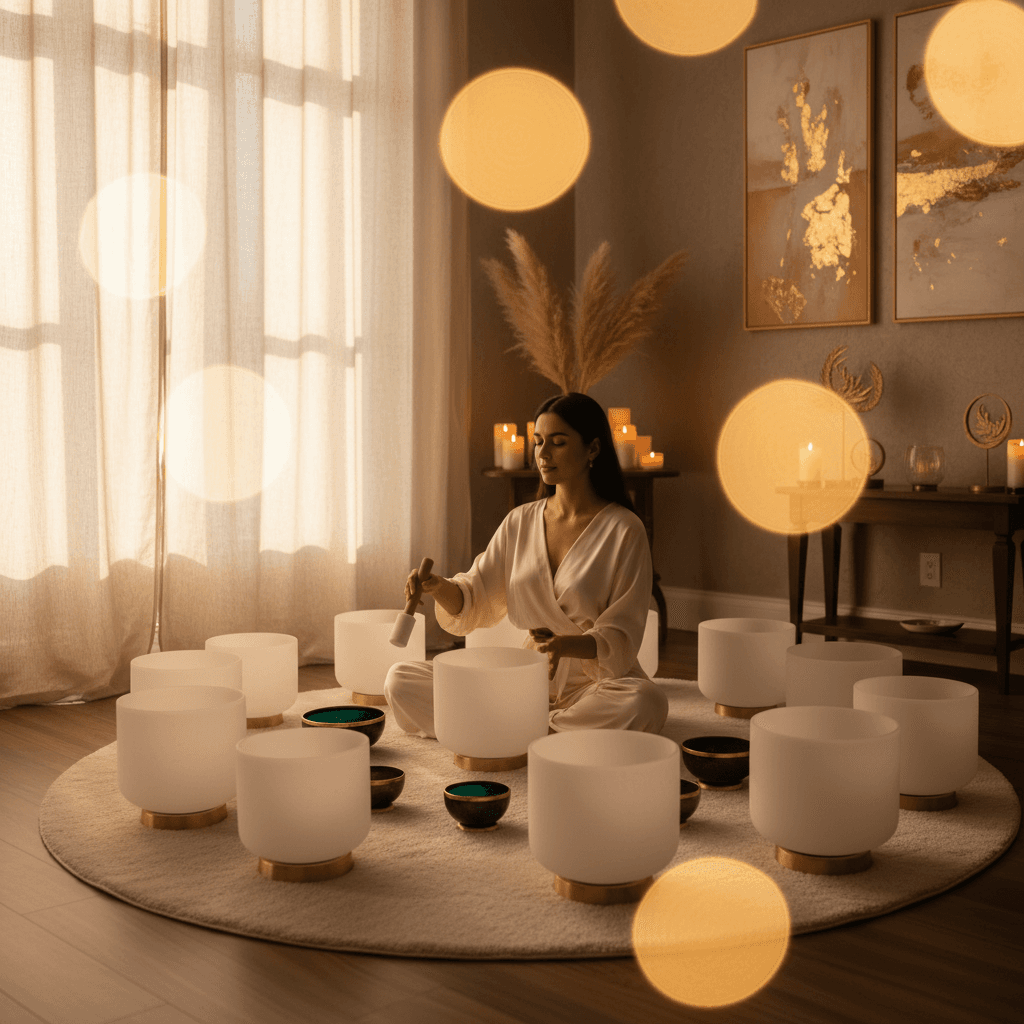
When you step into a sound wellness session, the intention is to create an environment where your nervous system can regulate itself. Loss doesn't just affect the heart; it often manifests in the body as chronic tension, profound exhaustion, or persistent restlessness. The deep, pervasive vibrations from instruments like gongs and singing bowls can gently penetrate these areas of physical discomfort, promoting a sense of ease.
The sounds work to calm the nervous system, which may result in lowered stress hormones and steadier heart rhythms. Many people report a reduction in physical discomfort or tension as the body responds to these soothing frequencies. This physical relaxation creates a foundation for deeper emotional processing, allowing the heart and mind to follow the body into a state of rest.
Intentional sound during a grieving meditation creates a "sonic container" that is robust enough to hold the intensity of your grief, yet gentle enough to facilitate healing. This isn't about escaping difficult emotions, but rather creating conditions where they can be fully honored and gradually integrated. This experience allows for a natural ebb and flow of emotions, mirroring the very waves of grief itself.
"They say that grief comes in waves. And it’s true. The emotion comes and goes, comes and goes, comes and goes. The waves of grief are no different. You might understand intellectually that they will keep coming, but some days they hit more forcefully, more fiercely than you ever imagined possible. And just when you thought you might be able to predict the next set, a rogue wave comes rushing in, undermining your balance and sweeping your feet out from under you."
Nature sounds frequently form the foundation of healing soundscapes because they connect us to rhythms larger than ourselves. The rhythmic cadence of ocean waves can mirror the natural ebb and flow of grief, offering a sense of universal movement and acceptance. Gentle rainfall provides a feeling of cleansing and renewal, while forest sounds interwoven with birdsong can subtly introduce themes of hope and continuity. Research suggests that nature sounds activate the default mode network in our brains, which is involved in processing emotions and memories, making them powerful tools for introspective processing.
Musical elements are carefully selected with intention, moving beyond what is simply labeled "relaxing." For grief-focused sound meditation, pieces that acknowledge complexity while offering gentle guidance are chosen. These might include compositions with sustained tones, harmonies that evoke both melancholy and solace, or melodic structures that allow for emotional unfolding. The goal is to create an environment where tears may flow more easily, where tension can release, and where momentary senses of peace are discovered. These shifts are signs that the nervous system is healthily processing loss, not that grief is "fixed," but that it is being integrated.
The Soul Art Signature: Larissa Steinbach's Harmonious Method
At Soul Art, Larissa Steinbach, our founder and lead practitioner, brings a deeply empathetic and scientifically informed approach to sound wellness for grief. Her method is rooted in understanding the dynamic and often unpredictable nature of sorrow, recognizing that each individual's journey is unique. Larissa curates each session to provide a deeply personalized experience that honors the client's specific loss rather than attempting to bypass or diminish their difficult emotions.
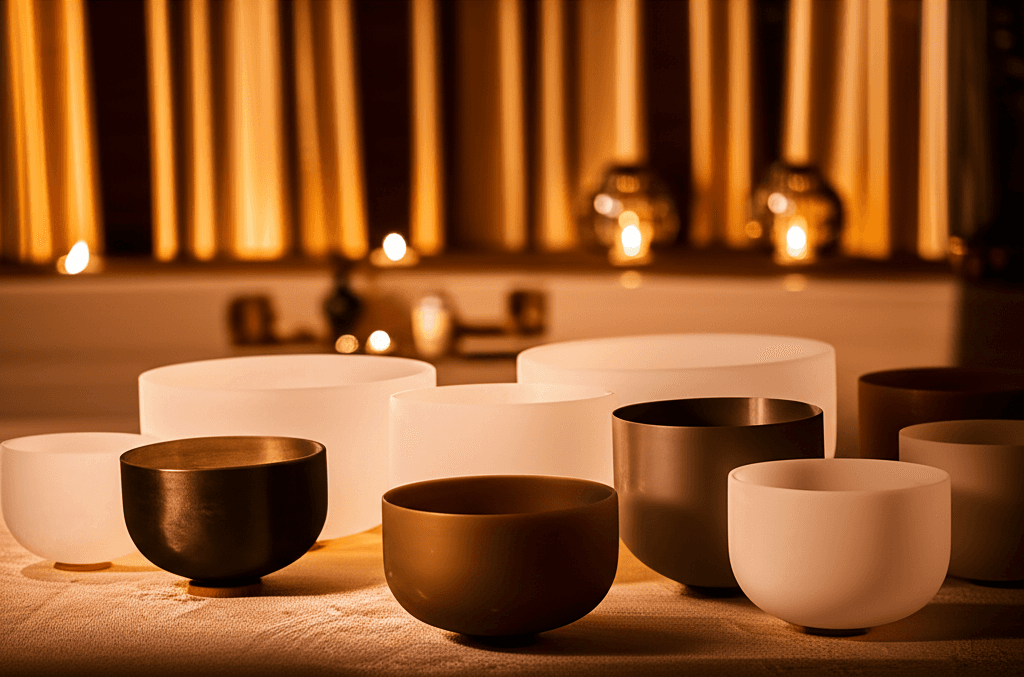
Larissa's expertise lies in her ability to intuitively select and skillfully play a range of resonant instruments. These include the grounding vibrations of large gongs, the serene, enveloping tones of Tibetan and crystal singing bowls, and the soulful melodies of Native American flutes. Each instrument is chosen for its specific frequency and capacity to evoke particular physiological and emotional responses, aligning with the scientific principles of sound healing.
What makes the Soul Art method unique is its dedication to creating a truly "sonic container." This container is meticulously designed to be a safe, non-judgmental space where all aspects of grief—from profound sadness to moments of anger or numb detachment—can coexist and be held. Larissa guides clients through these soundscapes, facilitating a gentle release of pain and tension, and fostering an environment where self-compassion can flourish. Her approach helps clients navigate their inner landscape, allowing emotions to arise and dissipate naturally.
Larissa emphasizes that sound wellness is a complementary approach to holistic well-being, focusing on deep relaxation, stress management, and emotional processing. It offers a profound self-care practice that supports the body's innate ability to find equilibrium amidst profound change. Through Soul Art's unique sessions, Larissa Steinbach empowers individuals to find moments of peace and reconnection, even in the heart of their grief.
Navigating Your Grief Journey: Practical Steps and Support
Understanding that grief is a non-linear journey, rich with unexpected turns, empowers you to approach it with greater self-compassion. There is no right or wrong way to grieve, and validating your unique emotional expressions is crucial for healing. Embracing practices that provide gentle support can make a significant difference in navigating its waves.
Consider the following actionable steps to support yourself:
- Mindfully Acknowledge Your Grief: Allow space for all emotions to arise without judgment, recognizing that anger, humor, or numbness are all valid parts of the grief experience. Avoid setting time-based expectations for your healing process, as grief is a lifelong response to loss.
- Integrate Calming Sounds into Your Routine: Explore listening to nature sounds, such as ocean waves or gentle rain, which can help regulate your nervous system. These sounds connect you to larger natural rhythms, offering a sense of perspective and soothing comfort.
- Practice Intentional Breathing with Audio Support: Combine deep, mindful breathing exercises with gentle, intentional audio. This can help activate your parasympathetic nervous system, reducing cortisol levels and fostering a sense of inner calm.
- Explore Professional Sound Wellness Sessions: Consider engaging with practices like those offered at Soul Art, where experienced practitioners like Larissa Steinbach provide curated soundscapes designed to support emotional processing and deep relaxation. These sessions can offer a unique "sonic container" for your grief.
- Seek Comprehensive Support When Needed: If grief feels prolonged, overwhelming, or significantly impacts your daily functioning, consider seeking additional professional support. Approximately 7-10% of bereaved individuals may develop prolonged grief disorder, which requires specialized treatment approaches.
Remember, the goal is not to "fix" or "get over" grief, but to create conditions where it can be honored and gradually integrated into your life. Soul Art provides a serene and supportive environment where you can explore these pathways to well-being.
In Harmony with Healing: A Recap
Grief, in its unpredictable waves, presents a profound challenge to our entire being. Modern science unequivocally affirms its non-linear nature and its significant impact on our cognitive, emotional, and physiological states. In this complex landscape, intentional sound wellness emerges as a powerful, scientifically-backed, and deeply empathetic complementary practice.
From activating the parasympathetic nervous system and reducing stress hormones to offering a pathway for expression beyond words, sound creates a unique sanctuary. Soul Art, under the compassionate guidance of Larissa Steinbach, provides expertly curated sessions using resonant instruments to offer a supportive "sonic container" for your grief journey. This approach helps to restore balance, release tension, and foster moments of peace, aiding in the healthy processing and integration of loss.
We invite you to experience the transformative power of sound and allow Soul Art to support you in finding harmony amidst the waves of grief.
Bookings Coming Soon
Soul Art is still in preparation. Session details and booking will be published here after launch.
Coming Soon