Sound for Grief Anxiety: Calming Fear & Worry with Soul Art

Key Insights
Explore how sound wellness, guided by Larissa Steinbach at Soul Art Dubai, offers a scientifically-backed, gentle approach to managing grief anxiety, fear, and worry.
The profound impact of grief extends far beyond emotional sorrow; it can deeply rewire the brain and body, often manifesting as unexpected fear and persistent worry. Did you know that within just 30 days of losing a partner, individuals aged 60 and older face more than double the risk of a stroke or heart attack? This striking statistic, highlighted in a 2014 JAMA Internal Medicine study, underscores the intense physiological toll grief can take.
Beyond immediate health risks, grief frequently ignites a state known as "grief anxiety," a pervasive sense of dread, fear, and apprehension about the future or ability to cope. This complex emotional landscape necessitates holistic approaches to support well-being. At Soul Art, Dubai's premier sound wellness studio, we explore how precisely calibrated sound can offer a unique, scientifically-grounded pathway to soothe the nervous system and gently guide the mind towards a state of calm amidst the storm of grief anxiety.
In this comprehensive article, we will delve into the neurobiology of grief, fear, and anxiety, uncovering how these states manifest within us. We will then reveal how specific sound frequencies and techniques, thoughtfully applied through the Soul Art method by founder Larissa Steinbach, may provide profound support for those navigating these challenging emotions. Understanding these intricate connections can empower you to find solace and resilience.
Understanding Grief Anxiety: The Brain's Response to Loss
Grief is not a monolithic emotion; it is a tapestry woven with threads of sadness, anger, disbelief, and, notably, fear and anxiety. While sadness is a natural response to loss, the presence of heightened fear and worry—often termed grief anxiety—indicates a nervous system under significant duress. This anxiety can manifest as concerns about competence in new roles, imagining a future without a loved one, or simply a generalized sense of unease.
Research emphasizes that distinguishing between emotions like fear, sadness, and anger is crucial, as they predict different outcomes. Fear reactions, for instance, are more likely to predict maladaptive withdrawal and anxiety symptoms, as noted in studies on child development. This highlights the importance of addressing the specific fear and worry components within the grief experience, rather than simply attributing all distress to sadness.
The Amygdalo-Hippocampal Circuit and Fear Response
At the core of our emotional responses, particularly fear and memory, lies the amygdalo-hippocampal circuit in the brain. This intricate network plays a critical role in processing emotionally charged memories and triggering our "fight or flight" responses. When we experience loss, this circuit can become overactive, contributing to the enhanced negative emotional bias often observed in conditions like Prolonged Grief Disorder (PGD).
Auditory steady-state evoked potential (ASSEP) research has demonstrated that neural activity within this crucial circuit can be modulated through the auditory system. This suggests that sound, when precisely delivered, has the potential to influence how the brain processes fear-related memories and responses. Key regions involved in auditory fear-conditioning, such as the thalamus’s medial geniculate nucleus and the amygdala’s basolateral complex, are intimately intertwined.
The Impact of Grief on the Body
The phrase "grief rewires the brain" is more than a metaphor; it's a scientific reality with serious health implications. Beyond the emotional anguish, grief has been linked to profound physiological changes. Studies reveal increased risks of stroke and heart attack, especially in the immediate aftermath of a loss.
Further research associates grief with disrupted sleep patterns, significant alterations in immune system function, and an elevated risk of blood clots. These physical manifestations underscore that grief anxiety is not merely a psychological state, but a holistic experience demanding comprehensive support for both mind and body. Addressing the nervous system's heightened state is paramount.
Binaural Beats and Neural Modulation
This is where the science of sound wellness offers a powerful, complementary avenue. Sound interventions have ample evidence documenting their integrative impact on psycho-emotional and physiological outcomes, including stress-related conditions like depression and anxiety. Among these, binaural beat audio stands out for its potential to offer additional benefits beyond general music alone.
Binaural beats involve presenting two slightly different frequency tones to each ear, creating the perception of a third, illusory tone within the brain. The brain then attempts to synchronize its neural activity to this perceived beat, a process known as brainwave entrainment. This can gently guide the brain into specific states associated with relaxation, such as alpha (calm alertness) or theta (deep relaxation, meditation).
For instance, studies have shown that binaural beat audio may reduce anxiety in patients undergoing medical procedures, outperforming plain music or no music controls. A pilot study utilizing a nonverbal binaural sound approach called Reset Therapy for PTSD combat veterans yielded remarkable results, with participants showing an average decrease of 46 points in CAPS-5 scores and seven out of eight veterans evidencing complete remission of their PTSD diagnosis post-treatment. While grief anxiety is distinct from PTSD, the profound impact of binaural sound on trauma-related fear responses highlights its potential for modulating the amygdalo-hippocampal circuit and alleviating distress associated with grief. This demonstrates the powerful capacity of sound to influence the brain's deepest emotional processing centers.
How It Works in Practice: Sound for Soothing the Nervous System
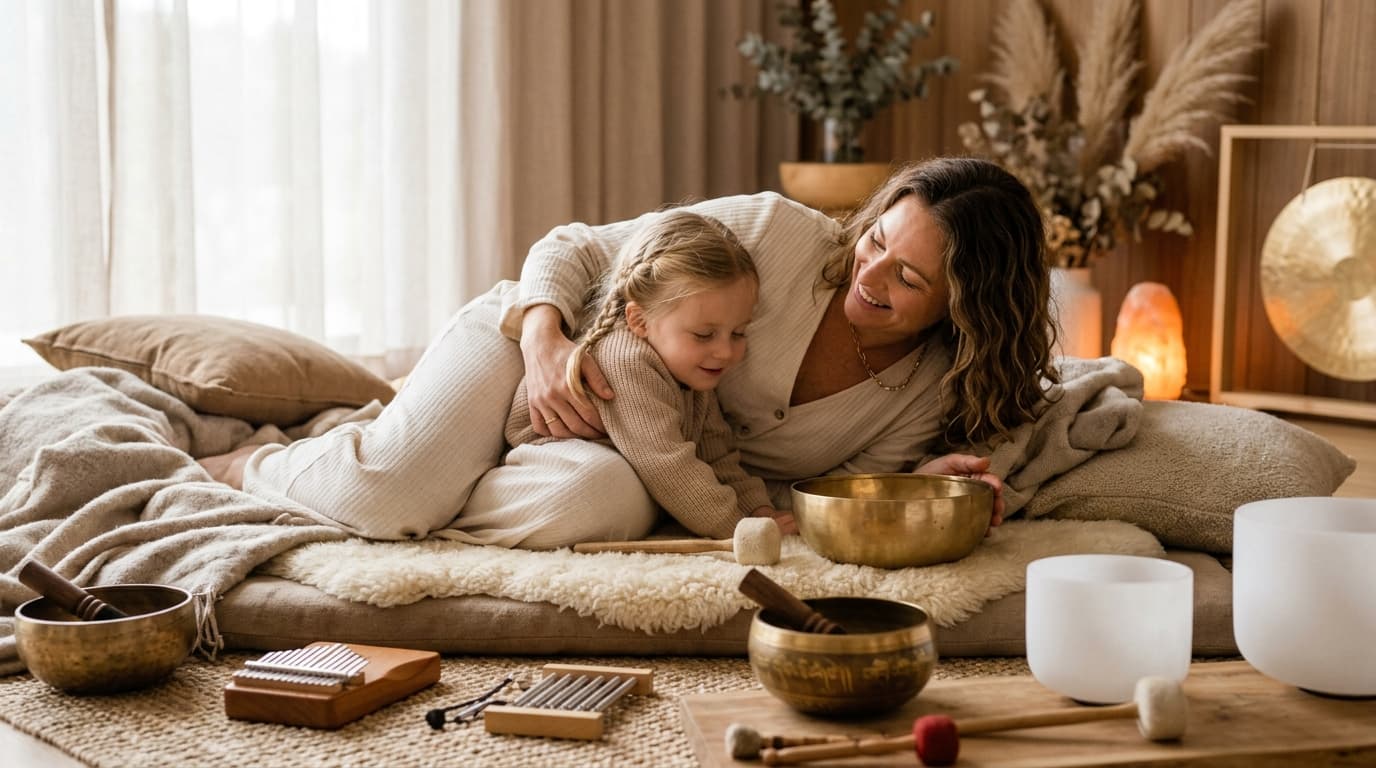
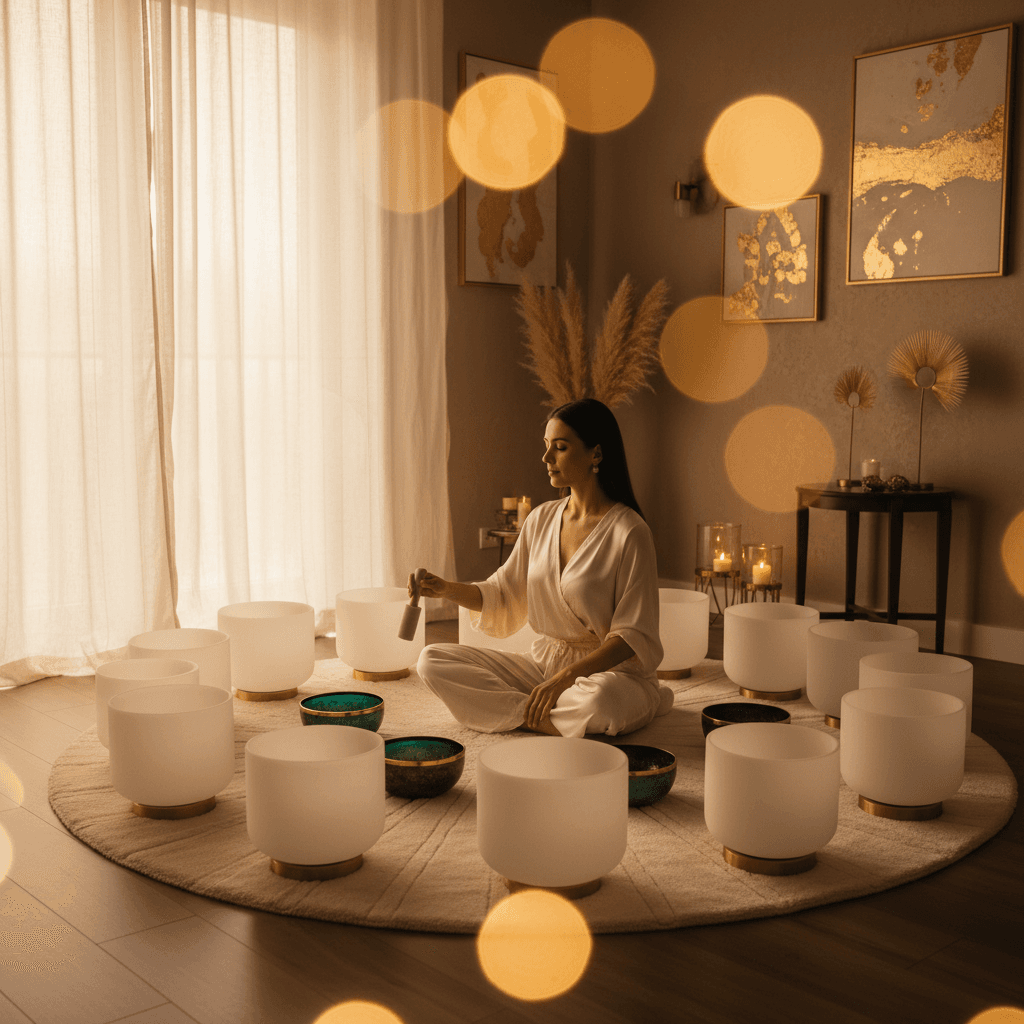
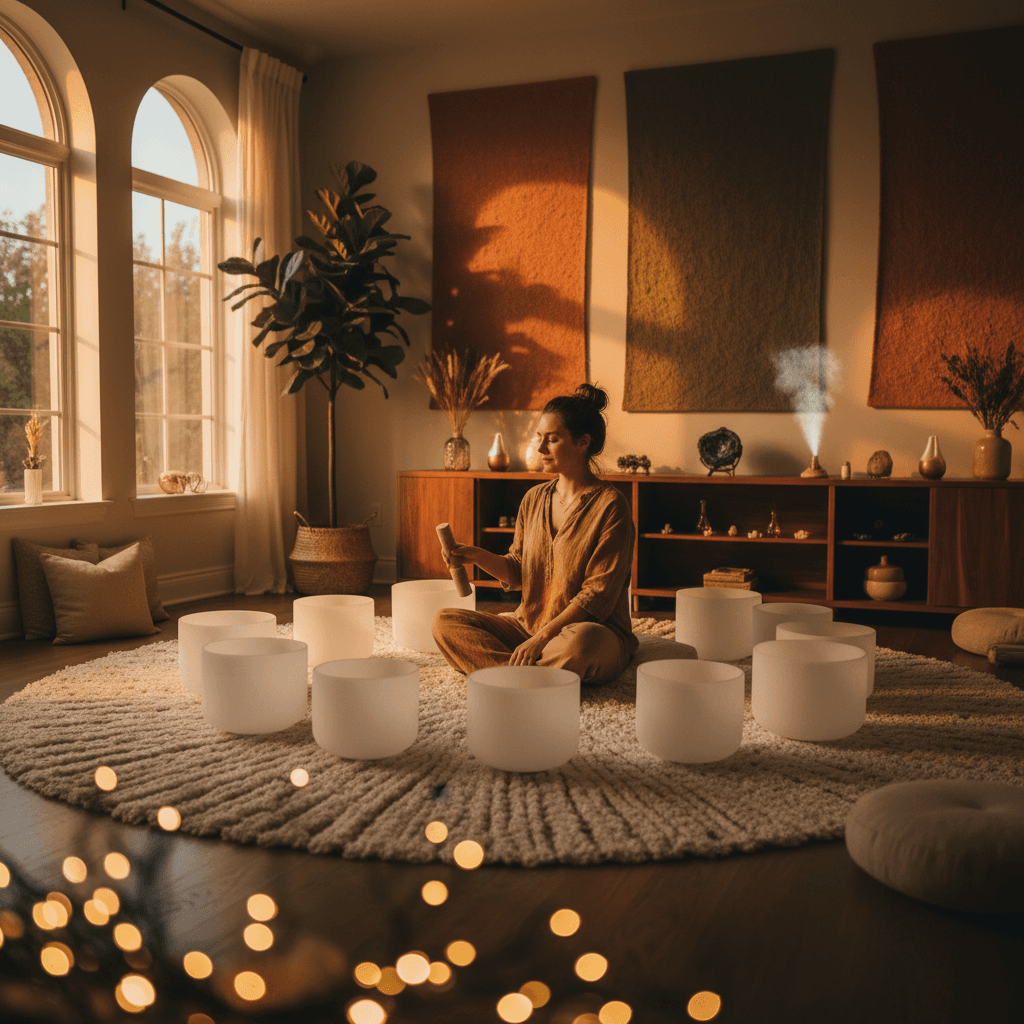
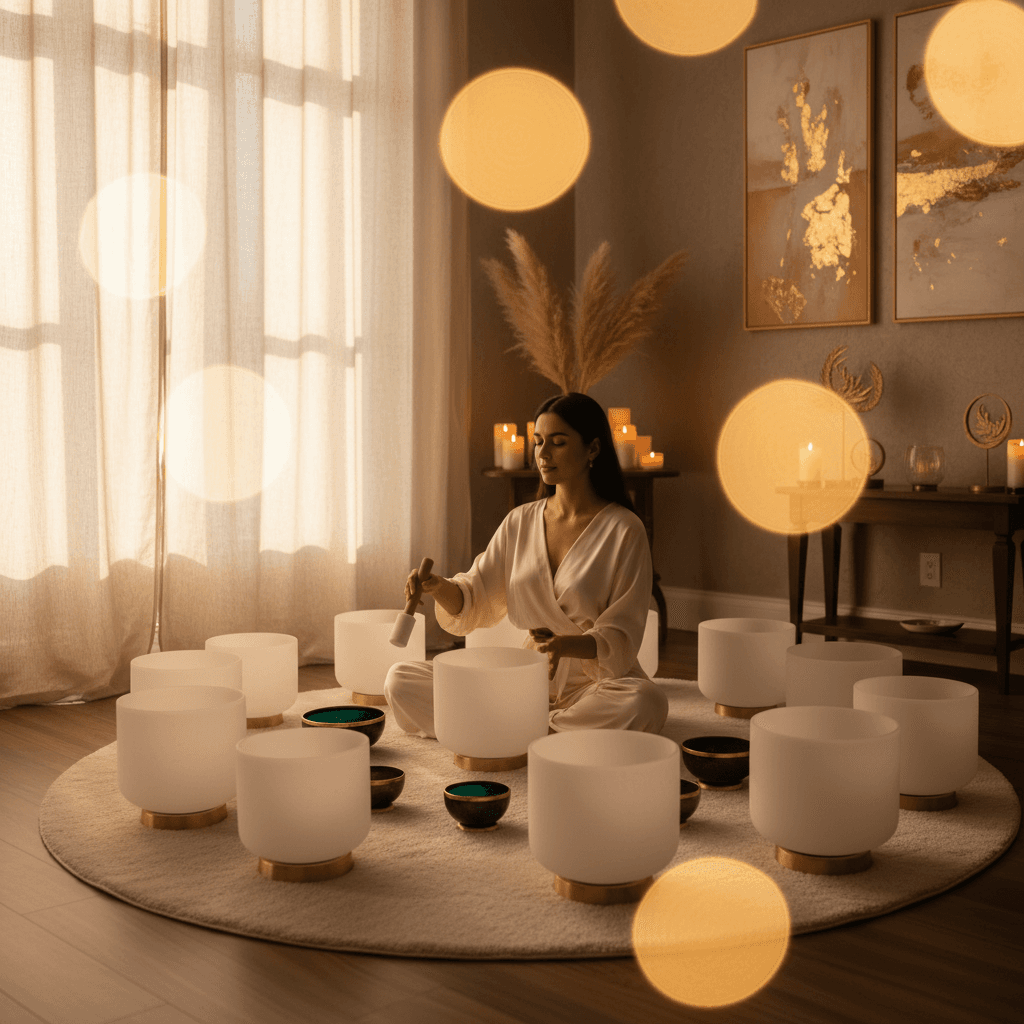
Connecting the intricate science of neurobiology to a real-world experience, sound wellness sessions at Soul Art offer a deeply immersive and calming journey. As you recline in our serene studio, surrounded by carefully selected instruments, the focus shifts from intellectual processing to embodied experience. This approach acknowledges that while talk therapy offers invaluable tools for understanding, the nervous system often requires a more direct, non-verbal pathway to de-escalate.
The experience begins with gentle guidance into a state of receptive awareness. Sounds from crystal singing bowls, gongs, and chimes are introduced, not merely as music, but as vibrational frequencies that interact directly with your physical and energetic body. You don't just hear the sound; you feel it resonating through your cells, subtly shifting internal states.
The carefully chosen frequencies work to encourage your brainwaves into states conducive to deep relaxation, such as alpha or theta. These states are associated with reduced mental chatter, decreased physiological arousal, and an enhanced capacity for emotional processing without the overwhelm of heightened fear. As the brain settles, the body follows, releasing accumulated tension and stress. Many people report a profound sense of release, as if layers of worry and physical tightness are gently peeled away.
The auditory system's direct connection to the limbic system, particularly the amygdala, means that sound can bypass conscious thought and directly influence emotional centers. This allows for a gentle, non-confrontational release of fear and anxiety. It’s a holistic immersion, where the mind quiets, the body softens, and the spirit finds a momentary refuge from the weight of grief anxiety. This creates an environment where healing and emotional regulation are naturally supported.
The Soul Art Approach: Larissa Steinbach's Harmonious Guidance
At Soul Art, Larissa Steinbach brings a unique blend of scientific understanding, intuitive insight, and profound empathy to her sound wellness practice. Recognizing the multifaceted nature of grief anxiety, Larissa crafts bespoke sound journeys designed to meet each individual precisely where they are. Her approach is rooted in the belief that true well-being stems from a harmonious balance between mind, body, and spirit.
Larissa utilizes a carefully curated collection of instruments, each chosen for its specific vibrational qualities and ability to promote deep relaxation and emotional release. Her sessions may feature the resonant tones of Himalayan singing bowls, the expansive vibrations of symphonic gongs, the delicate chimes of Koshi bells, or the grounding rhythm of ocean drums. These instruments are not merely tools; they are extensions of Larissa’s intention to create a sacred, healing space.
What makes the Soul Art method unique is Larissa's expertise in intuitively blending these instruments to create dynamic soundscapes. These aren't static performances; they are living, evolving sound journeys tailored to address the unique energetic and emotional needs of the participant. Whether through a private session or a group experience, Larissa's guidance helps clients navigate their internal landscape with grace and support.
"Grief is the form that love takes when someone we love dies," as Dr. Katherine Shear poetically puts it. At Soul Art, we honor this love by providing a nurturing space where its challenging emotional expressions, particularly fear and anxiety, can find a path to gentle resolution through sound.
Larissa’s deep understanding of how sound affects the brain and body allows her to gently facilitate the release of deeply held tension and fear, promoting nervous system regulation. She empowers clients to move through their grief with greater resilience, offering not a cure, but a powerful complementary approach to managing the intense fear and worry that so often accompany profound loss. The quiet luxury environment of Soul Art Dubai further enhances this experience, providing a haven of peace and tranquility.
Your Next Steps: Cultivating Calm Amidst Grief
Navigating grief anxiety is a deeply personal journey, yet there are proactive steps you can take to foster a sense of calm and well-being. Incorporating complementary wellness practices can significantly support your emotional and physiological health during this challenging time. Here are some actionable steps you might consider:
- Acknowledge Your Grief Anxiety: Recognize that fear and worry are valid components of grief. Giving these emotions space, rather than suppressing them, is the first step towards processing them. Understand that these feelings are a natural, albeit challenging, response to profound loss.
- Prioritize Nervous System Regulation: Engage in practices that specifically aim to calm your nervous system. This could include gentle movement like stretching or yoga, spending time in nature, or incorporating short mindfulness meditations into your daily routine. Even a few minutes of conscious breathing can make a difference.
- Explore Complementary Wellness: Consider modalities like sound wellness that work on a deeper, non-verbal level. Sound sessions may support the brain in shifting out of anxious states and into relaxation, offering a unique avenue for emotional release and nervous system reset.
- Seek Supportive Connections: While self-care is vital, remember the importance of community. Lean on trusted friends, family, or support groups who can offer empathy and understanding. Sharing your experiences can help alleviate feelings of isolation and validate your emotions.
- Create a Soothing Home Environment: Integrate elements of quiet calm into your personal space. This could mean soft lighting, comforting aromas, or playing gentle, calming music. A peaceful environment can reinforce the sense of relaxation cultivated in wellness sessions.
Embracing these steps can provide profound support as you navigate the complexities of grief anxiety. We invite you to explore the unique sanctuary of Soul Art and experience how Larissa Steinbach's expert guidance can illuminate your path towards inner peace.
In Summary
Grief anxiety, characterized by pervasive fear and worry, is a challenging but common aspect of navigating loss, profoundly impacting both mental and physical health. Scientific research highlights how grief can overactivate brain regions responsible for fear and memory, necessitating holistic approaches to support well-being. Sound wellness, particularly through practices involving binaural beats, offers a powerful, scientifically-backed complementary approach.
By modulating neural activity and encouraging deep relaxation, sound can gently guide the nervous system away from states of heightened anxiety. At Soul Art, Larissa Steinbach expertly curates bespoke sound journeys, utilizing a diverse array of instruments to create a tranquil space for emotional processing and nervous system regulation. This unique method provides a pathway to soothe fear, reduce worry, and restore inner calm.
Bookings Coming Soon
Soul Art is still in preparation. Session details and booking will be published here after launch.
Coming Soon
Wellness Disclaimer: This article is for educational and informational purposes only. It does not constitute medical advice, diagnosis, or treatment. Soul Art Dubai provides non-medical wellness experiences focused on relaxation, stress management, and general wellbeing. Sound wellness is a complementary practice and should not replace professional medical care.