Grace in Dying: Sound's Gentle Embrace for a Beautiful End

Key Insights
Explore how sound wellness, guided by Larissa Steinbach at Soul Art, offers solace and profound peace during life's final journey. Discover science-backed benefits.
Life, in its exquisite design, presents us with a myriad of experiences – joy, love, challenge, and ultimately, transition. While the subject of death often invokes fear or discomfort, many cultures throughout history have viewed it as a sacred journey, a profound rite of passage that deserves as much grace and dignity as life itself. How, then, can we cultivate an environment of peace and acceptance during this delicate final chapter?
At Soul Art, Dubai's premier sound wellness studio, we believe that the profound power of sound can offer a unique pathway to a more beautiful death. Under the expert guidance of our founder, Larissa Steinbach, we explore how therapeutic sound experiences may support individuals and their families in navigating the end-of-life process with greater calm, reduced anxiety, and a deeper sense of spiritual connection. This article delves into the emerging science behind sound wellness in palliative care and how it fosters an atmosphere of tranquility, allowing for a dignified and graceful farewell.
The Science Explained: How Sound May Soothe the Soul's Transition
The integration of sound wellness practices, often termed music therapy in clinical settings, into palliative and supportive care is gaining significant recognition globally. Research continues to uncover the intricate ways in which sound impacts our physiological and psychological states, making it a valuable complementary approach for end-of-life care. These practices aim to address the holistic needs of individuals nearing the end of life, encompassing physical comfort, emotional equilibrium, psychosocial support, and spiritual peace.
Modulating Body and Mind Through Vibration
Emerging evidence suggests that therapeutic sound may influence several biological and physiological mechanisms within the human body. One key area of impact is the modulation of sensory-emotional pathways, which are deeply involved in how we perceive pain and process feelings. By engaging these pathways in a non-invasive manner, sound may help shift focus away from discomfort and towards a state of relaxation.
Moreover, sound wellness practices have been associated with the regulation of the autonomic nervous system (ANS) activity. The ANS controls involuntary bodily functions, including heart rate, breathing, and digestion. Gentle, harmonious sounds may help shift the ANS from a sympathetic (fight-or-flight) response to a parasympathetic (rest-and-digest) state, promoting deep relaxation and reducing physical tension. This shift can contribute to a reduction in stress hormones, which are often elevated during periods of anxiety and distress.
Enhancing Well-being: Pain, Anxiety, and Sleep
Numerous studies, including randomized controlled trials and systematic reviews, have explored the potential benefits of music and sound therapy in palliative care. Reported outcomes consistently include reductions in common end-of-life challenges such as pain, anxiety, depression, and fatigue. Many individuals experience improvements in mood, coping mechanisms, and overall quality of life when engaging with these practices.
For example, carefully curated soundscapes or music listening sessions may act as a distraction from pain, allowing the mind to focus on pleasant auditory stimuli rather than bodily discomfort. They can also regulate emotions, providing a gentle container for complex feelings that may be difficult to verbalize. This emotional regulation may lead to improved sleep quality, a critical factor for comfort and peace during this sensitive time.
Spiritual and Existential Exploration Through Sound
Beyond the physiological, sound wellness plays a crucial role in addressing the spiritual needs of individuals facing end-of-life transitions. Music and sound offer a "creative, lyrical, and symbolic means to address existential and spiritual needs during the process of dying." This can include fostering hope, building resilience, and evoking meaningful memories, strengthening bonds with caregivers and loved ones.
Some preliminary studies, like those exploring songwriting in palliative care, highlight how creating or listening to personalized music can be a powerful tool for legacy work. Patients may express emotions that are difficult to articulate verbally, preserving personal memories in a tangible, lasting form. This process can be profoundly meaningful for both the individual and their family members, potentially functioning as a form of grief support for the bereaved. The act of creating or engaging with a personalized sound piece can aid in constructing a meaningful context to one's life, saying goodbye, and finding a sense of completion with worldly affairs.
The Question of Consciousness and Connection
While rooted in scientific observation, the spiritual dimension of end-of-life care also touches upon deeper philosophical questions about consciousness. Some philosophical perspectives, supported by anecdotal accounts such as Near-Death Experiences (NDEs), suggest that consciousness may not be entirely extinguished at death. For instance, researcher John Burke has studied numerous NDEs, which are described as powerful percepts with often spiritual features. While the nature of these experiences is a subject of ongoing scientific inquiry, and some NDEs can be distressing, the concept of a continuous journey for the spirit and soul resonates deeply with many.
"If we believe that everything is energy, and if, as science says, energy cannot be destroyed, where does the animating energy of our thoughts, experiences and bodies go when we die? What we REALLY are, meaning the 'I-ness of me' – which is not my body – is then necessarily released from our bodies to the universe." – Carol Cassara
These contemplations align with the holistic nature of sound wellness, which views the individual as an interconnected system of mind, body, and spirit. Sound, as vibration and energy, may offer a subtle bridge to these deeper explorations, supporting individuals in feeling connected to "all that is" during their transition. It provides a non-verbal language for expressing and experiencing profound existential states, fostering a sense of peace and interconnectedness.
How It Works in Practice: A Gentle Symphony of Comfort
In the practical application of sound wellness for end-of-life care, the experience is carefully tailored to the individual's needs, preferences, and comfort level. It is a profoundly personal journey, designed to create an atmosphere of profound tranquility and support. The focus is always on fostering a sense of peace, reducing distress, and aiding in overall well-being.
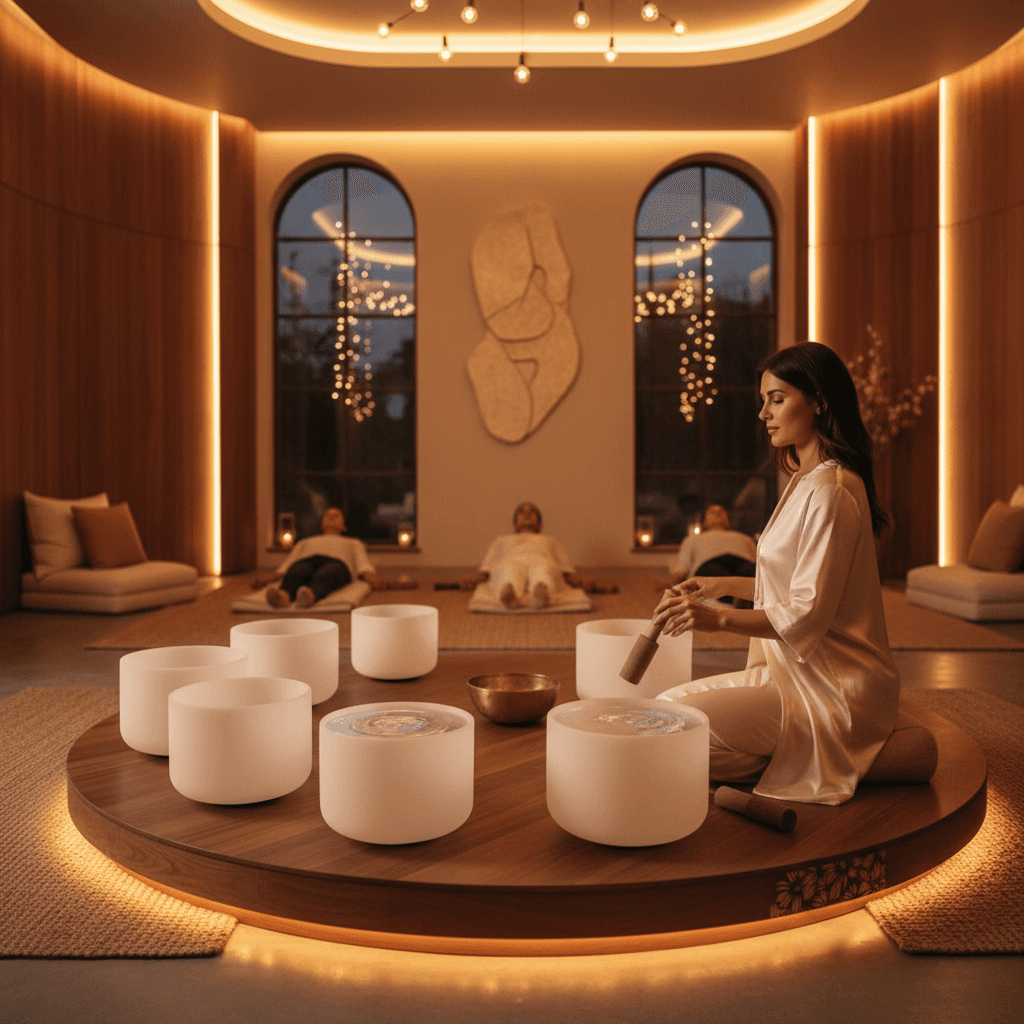
When a person engages in a sound wellness session, they are typically invited to rest comfortably in a peaceful environment. The practitioner, with a deep understanding of sound frequencies and their effects, introduces a range of instruments and vocalizations. These may include the deep resonance of gongs, the shimmering tones of Himalayan singing bowls, the ethereal melodies of chimes, or the calming vibrations of a human voice. The sounds are never overwhelming; instead, they are gentle, enveloping, and intentional.
The auditory experience is designed to invite the body and mind into a state of deep relaxation. As the sounds wash over the individual, many people report a palpable sense of tension melting away. The resonant frequencies may help to slow down brainwave activity, guiding the mind from a busy, anxious state towards one of meditative calm. This can be particularly beneficial for those experiencing restlessness or agitation.
Furthermore, the immersive quality of sound can create a profound sense of presence, helping individuals to detach from worries about the past or anxieties about the future. Instead, they are gently anchored in the here and now, allowing for moments of profound peace. Some clients describe feeling a sense of being held or cradled by the vibrations, which can be immensely comforting during a vulnerable time.
For families and caregivers present, sound wellness sessions can also offer a shared space of calm and connection. Listening together, or simply being present in the same peaceful environment, can strengthen bonds and provide a shared experience of comfort. The sounds may evoke cherished memories, opening avenues for gentle communication and emotional expression, contributing to a sense of completion and shared presence. The aim is to create a serene sanctuary where individuals can release fear, embrace acceptance, and journey with a renewed sense of grace.
The Soul Art Approach: Larissa Steinbach's Unique Vision
At Soul Art, Larissa Steinbach brings a deeply empathetic and scientifically informed approach to sound wellness, particularly in the delicate realm of end-of-life support. Her method is rooted in the understanding that true well-being encompasses physical, emotional, and spiritual dimensions, all of which are uniquely impacted during life's final transition. Larissa’s expertise lies in creating bespoke sound journeys that honor the individual’s unique circumstances and needs.
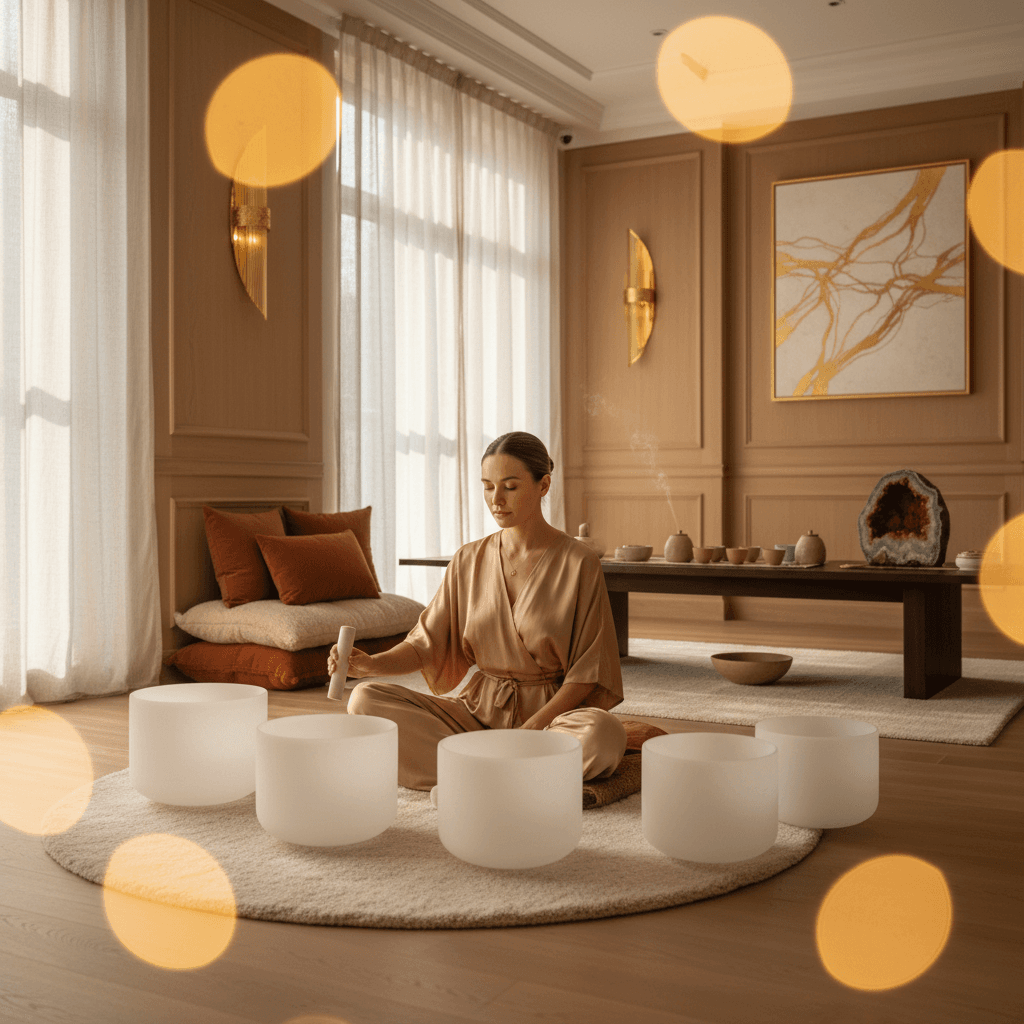
Larissa Steinbach’s sessions at Soul Art are not merely about playing instruments; they are about curating an intentional, sacred space where profound healing and acceptance can unfold. She utilizes a diverse array of therapeutic instruments, including large planetary gongs known for their deep, encompassing vibrations, hand-hammered Himalayan singing bowls that produce complex, resonant tones, and crystal bowls that emit pure, ethereal frequencies. Additionally, gentle chimes, tuning forks, and her own intuitive vocalizations are woven into the soundscape to create a rich tapestry of supportive frequencies.
What makes the Soul Art method unique is its emphasis on personalized care and the intuitive attunement of Larissa Steinbach to the individual’s subtle energetic and emotional states. She creates a compassionate presence, listening not just to words, but to the unspoken needs conveyed through breath, body language, and energy. This allows her to intuitively select and play instruments in a way that resonates most harmoniously with the individual, fostering deep relaxation and emotional release.
Larissa incorporates elements such as guided visualization and mindful breathing techniques, gently leading individuals into states of profound peace and acceptance. These techniques, combined with the carefully chosen sound frequencies, may support a gentle release of fear, regret, or unresolved emotions. The goal is to cultivate an inner landscape of serenity, allowing the individual to experience a sense of completion, forgiveness, and connection, whether to loved ones, their spiritual beliefs, or simply to the vastness of existence. Through Soul Art, Larissa Steinbach offers a beacon of grace, illuminating the path toward a beautiful and peaceful passing.
Your Next Steps: Embracing Sound for Peace and Grace
Navigating the end-of-life journey, whether for yourself or a loved one, is undeniably challenging. Integrating complementary practices like sound wellness may offer profound support, fostering an environment of peace, comfort, and emotional clarity. While it’s essential to always consult with medical professionals for primary care, incorporating sound as a wellness practice can significantly enhance the quality of life during this delicate period.
Here are some actionable steps you can consider:
- Open the Conversation: Discuss the potential benefits of sound wellness with your loved ones, caregivers, or healthcare team. Understanding and shared intention can create a more supportive environment.
- Explore Gentle Soundscapes: Begin by listening to calming music or nature sounds at home. Pay attention to how different frequencies make you feel. Choose sounds that evoke feelings of peace and serenity.
- Seek Professional Guidance: Consider a consultation with a qualified sound wellness practitioner who has experience in supportive care. They can offer personalized guidance and tailored sessions.
- Create a Comforting Environment: Ensure the physical space is conducive to relaxation – soft lighting, comfortable bedding, and minimal distractions can enhance the sound experience.
- Practice Mindful Listening: Even without instruments, simply sitting in quiet contemplation and focusing on ambient sounds can be a powerful practice for presence and calm.
At Soul Art, Larissa Steinbach and her team are dedicated to providing compassionate and professional sound wellness experiences. We invite you to explore how our specialized sessions may support a journey of profound peace and grace.
In Summary
The final chapter of life holds a unique sanctity, offering an opportunity for profound reflection, connection, and peaceful transition. Sound wellness, with its scientifically observed capacity to modulate sensory pathways, regulate the nervous system, and reduce stress hormones, offers a powerful complementary approach. It may significantly reduce pain, anxiety, and depression, while enhancing mood, sleep, and overall quality of life for individuals in palliative care. Beyond the physical, sound provides a unique means to address spiritual and existential needs, fostering hope, resilience, and a deeper sense of connection. At Soul Art, Larissa Steinbach’s unique, empathetic approach utilizes diverse therapeutic instruments to create personalized sound journeys, cultivating an atmosphere of unparalleled calm and grace during life's most sacred transition.
Bookings Coming Soon
Soul Art is still in preparation. Session details and booking will be published here after launch.
Coming Soon
Wellness Disclaimer: This article is for educational and informational purposes only. It does not constitute medical advice, diagnosis, or treatment. Soul Art Dubai provides non-medical wellness experiences focused on relaxation, stress management, and general wellbeing. Sound wellness is a complementary practice and should not replace professional medical care.
Related Articles
The Role of Sound in Cultural Death Practices
Death Doulas & Sound: Enhancing Peace in End-of-Life Journeys

Sound's Gentle Embrace: Supporting Late Alzheimer's with Sonic Wellness