Sound for Chosen Family Grief: A Path to Healing & Connection
Key Insights
Explore how sound wellness at Soul Art Dubai, with Larissa Steinbach, supports healing from disenfranchised grief after losing a chosen family member or close friend.
Compelling Introduction
When we lose a friend, especially one we consider chosen family, the impact can be profoundly disorienting. Yet, society often provides fewer established rituals or explicit avenues for support compared to the loss of a blood relative. This "disenfranchised grief" can leave individuals feeling isolated and their pain unrecognized.
At Soul Art, founded by Larissa Steinbach, we understand that all grief deserves validation and a gentle path toward healing. This article explores the unique challenges of grieving a chosen family member or close friend and how scientifically-grounded sound wellness can provide crucial support. We will delve into the science behind this often-overlooked form of bereavement and reveal how intentional sound practices can foster resilience, connection, and even posttraumatic growth.
Prepare to understand the deep significance of these bonds and discover a compassionate approach to navigating one of life's most challenging experiences. Your well-being, even amidst profound loss, is paramount.
The Science Explained
The Profound Impact of Friend Loss
The death of a close friend is far from a minor life event; it significantly impacts an individual's bio-psycho-social functioning. Research indicates that losing a close friend can lead to a reduction in one's social network and overall social interaction. This often results in adverse physical and psychological consequences, highlighting the critical role friends play in our lives.
Friends frequently serve as primary sources of emotional intimacy, identity affirmation, and daily support, particularly in adulthood. They witness major life transitions, hold shared histories, and often know parts of us that even family members may not. When a close friend dies, the loss can disrupt established routines, vital social networks, and one’s fundamental sense of continuity.
While socially engaged individuals may receive support from other friends and relatives during bereavement, somewhat moderating the negative impact, many still struggle. Personality traits, such as agreeableness and extroversion, can influence how people cope and seek out new connections. However, the data consistently suggests that the death of a close friend truly matters, necessitating services that assist people in developing new support networks.
Understanding Chosen Family & Disenfranchised Grief
The concept of "chosen family" describes people who intentionally choose to embrace, nurture, love, and support each other, irrespective of blood or marriage ties. This expansive definition of family is particularly vital for individuals who may have been rejected by their biological families, such as many within the LGBTQ+ community. Chosen families offer an essential realm of connection, love, and support, providing significant mental health benefits by fostering feelings of being wanted and cared for, thereby reducing intense isolation during both joyful and sorrowful moments.
In grieving the loss of a queer chosen-family member or close friend, individuals frequently encounter disenfranchised grief. This form of grief occurs when a loss is not openly acknowledged, publicly mourned, or socially supported, leading to invalidated grief experiences. Societal norms often reserve public rituals, extended support, and long-term compassion for losses tied to kinship or romantic partnerships, overlooking the depth of platonic or chosen family bonds.
Bereaved individuals may feel pressure to downplay their pain, question the legitimacy of their profound sorrow, or mourn privately. Examples include partners being referred to as "friends" or biological families excluding same-sex partners from mourning processes. This lack of recognition can make the loss feel invisible, compounding the emotional impact and hindering healthy bereavement adjustment, potentially leading to prolonged depressive and physical symptoms.
The Neurobiology of Grief and Sound
Grief is not merely an emotional experience; it deeply impacts the body's physiological systems. The stress of bereavement can trigger a sustained activation of the sympathetic nervous system, leading to elevated heart rate, increased cortisol levels, and chronic inflammation. This prolonged state of "fight or flight" can deplete energy reserves, compromise immune function, and disrupt sleep patterns, exacerbating both physical and mental distress.
Sound wellness, particularly through practices like sound baths and vibrational therapy, offers a unique approach to addressing this physiological dysregulation. Specific frequencies and harmonic tones have been associated with eliciting a relaxation response by encouraging a shift in brainwave states. For instance, deep, resonant sounds may support the brain in moving from beta (alert, waking) to alpha (relaxed, calm) and even theta (meditative, restorative) states.
The gentle vibrations from instruments such as Himalayan singing bowls or gongs can engage the vagus nerve, which plays a crucial role in regulating the parasympathetic nervous system – the body's "rest and digest" system. Activation of the vagus nerve may help to lower heart rate, reduce muscle tension, and promote a sense of inner calm. This physiological down-regulation can create a safe, supportive internal environment, allowing individuals to process complex emotions associated with disenfranchised grief without being overwhelmed.
"The subtle yet profound impact of intentional sound can create a vital sanctuary for the nervous system, offering a gentle recalibration when the world outside feels discordant with our deepest sorrow."
Furthermore, research into posttraumatic growth (PTG) suggests that after experiencing profound loss, individuals can find subsequent healing and growth. While sound wellness does not eliminate grief, it may support the conditions necessary for PTG by fostering emotional regulation and inner resilience. By providing a container for deep relaxation and emotional release, sound practices can help integrate the experience of loss, enabling a more adaptive and growth-oriented bereavement journey.
How It Works in Practice
At Soul Art, the application of sound for "friend death" and chosen family grief is rooted in creating an experience of profound validation and somatic release. The journey begins with acknowledging that this particular grief is real, valid, and often overlooked by conventional society. Sound wellness sessions offer a dedicated space where this truth can be fully embraced.
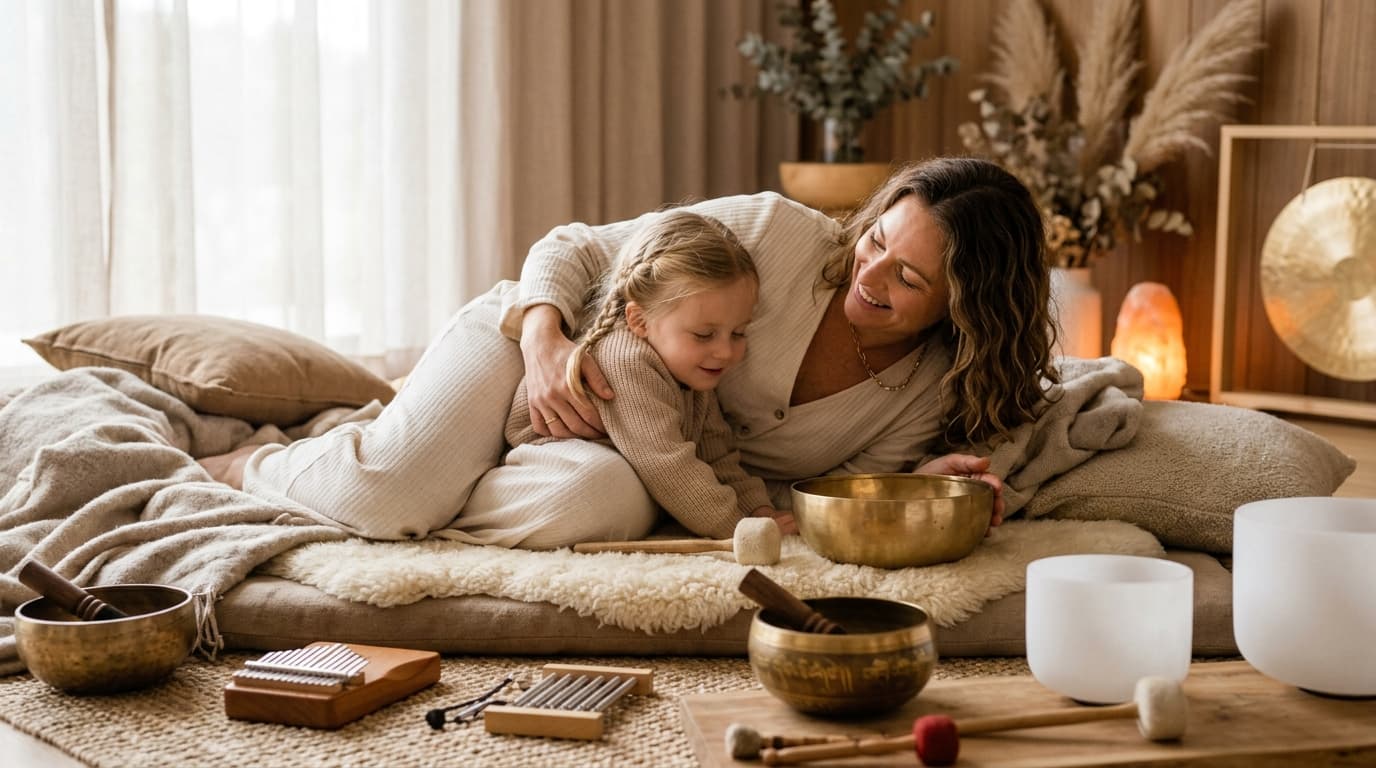
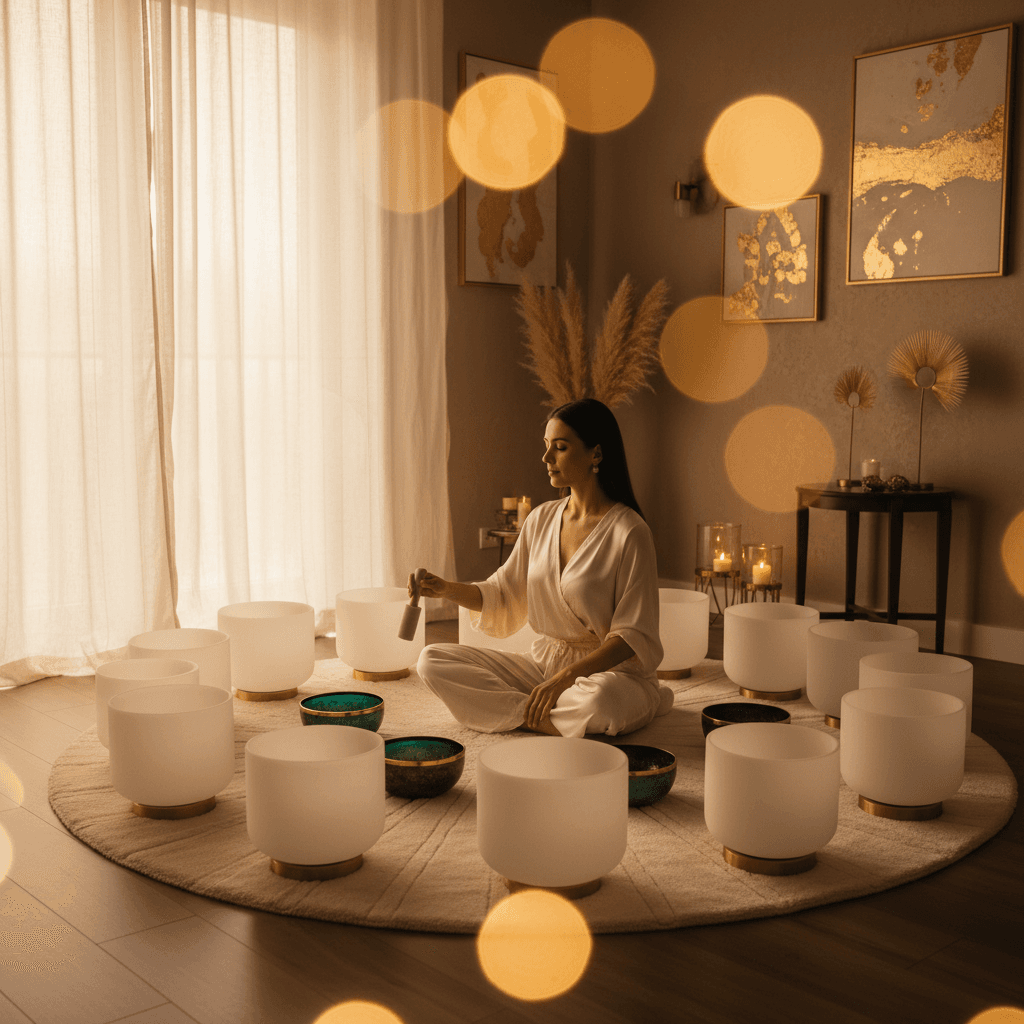
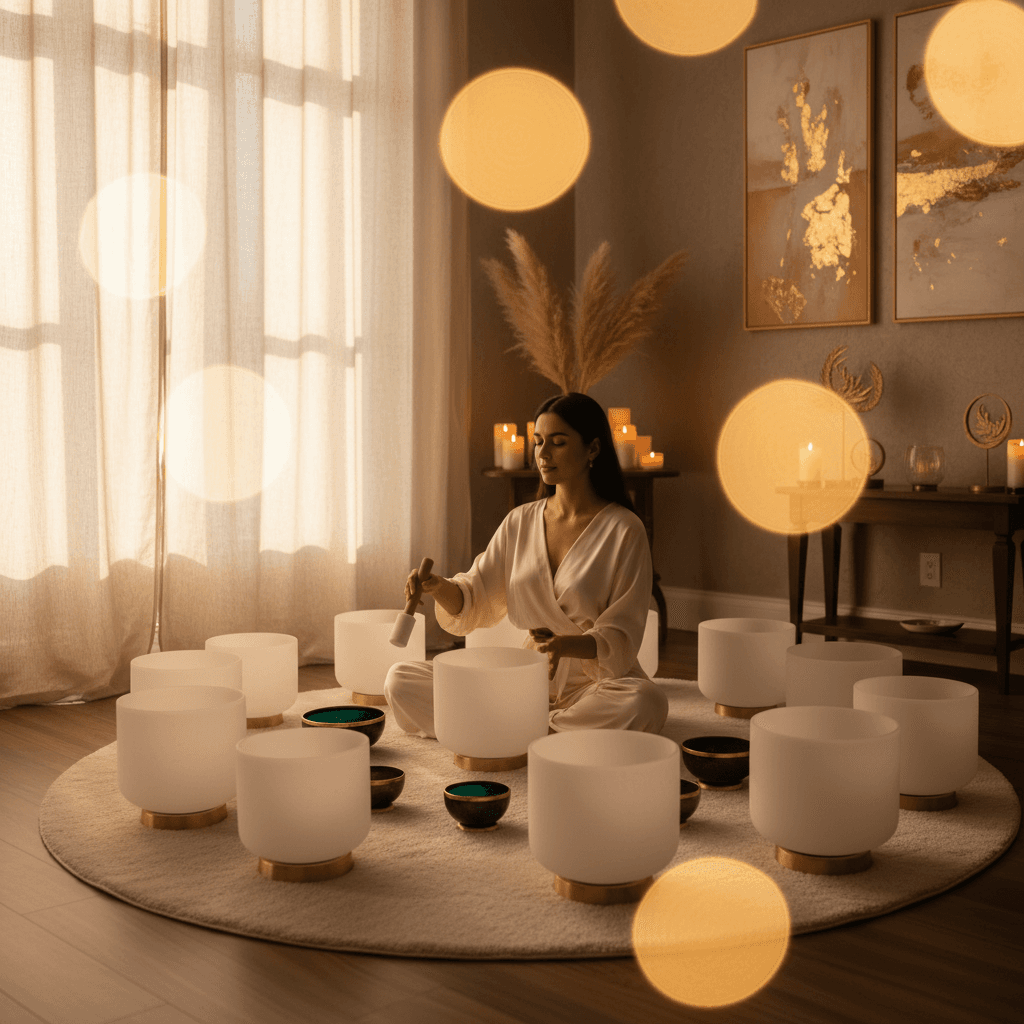
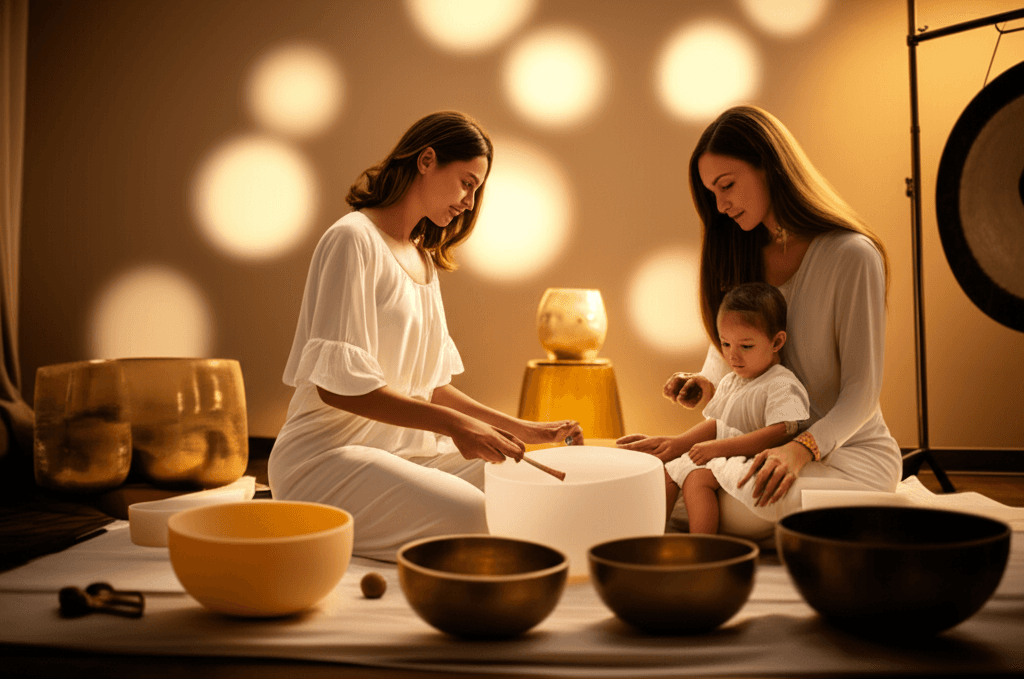
Clients experience a gentle, full-body immersion in carefully curated soundscapes. The deep, resonant tones of Himalayan singing bowls and gongs are not just heard but also felt as vibrations throughout the body. These tactile sensations are particularly powerful; they may help to release stored tension in the muscles and fascia, areas where the physical manifestations of grief often reside. The vibrations act as a subtle massage, promoting cellular relaxation and a sense of grounding.
The auditory aspect of the experience helps to quiet the often-overthinking mind, which can be relentless in its rumination during grief. As the brainwaves naturally shift to alpha and theta states, a deep meditative calm descends, allowing for a clearer, more compassionate perception of one's emotions. This state can reduce feelings of isolation, providing a sense of connection to something larger than oneself.
The practice helps to regulate the nervous system, moving it from a state of sympathetic overdrive (stress, anxiety) to parasympathetic activation (rest, digest, heal). This physiological shift creates a secure internal environment where emotions can surface and be processed without overwhelming the individual. It's a space where tears, memories, and even moments of unexpected peace are all welcome. Through this gentle, non-verbal process, sound wellness offers a powerful, complementary approach to support individuals in navigating their grief and fostering a path toward healing and posttraumatic growth.
The Soul Art Approach
Larissa Steinbach, the visionary founder of Soul Art, approaches grief support with an exquisite blend of scientific understanding and profound empathy. Her methodology is specifically designed to address the nuanced complexities of disenfranchised grief, particularly for those mourning a friend or chosen family member. The Soul Art approach is distinguished by its bespoke nature, tailoring each sound wellness experience to the individual's unique emotional landscape.
Larissa's expertise lies in curating specific sound frequencies and compositions that resonate deeply with the needs of the grieving heart and mind. She meticulously selects instruments known for their profound vibrational qualities, including authentic Himalayan singing bowls, powerful gongs, precision-tuned tuning forks, and ethereal crystal bowls. Each instrument is chosen for its capacity to evoke particular brainwave states and facilitate nervous system regulation.
What makes the Soul Art method truly unique is the creation of a deeply respectful and non-judgmental container for healing. Larissa understands that for disenfranchised grief, the very act of acknowledging and holding space for the pain is immensely therapeutic. Sessions are guided with gentle precision, allowing clients to feel safe enough to release pent-up emotions and connect with their inner resilience.
Through a harmonious blend of carefully applied sound and compassionate presence, Soul Art offers more than just relaxation; it provides a sanctuary. Here, the profound, often unspoken, sorrow of losing a chosen family member or beloved friend is met with understanding, validation, and a holistic pathway to integrate the loss and move towards a renewed sense of well-being. It is a quiet luxury experience designed for profound inner transformation.
Your Next Steps
Navigating the grief of losing a close friend or chosen family member can feel incredibly lonely, especially when societal recognition is lacking. Remember, your grief is valid and deserving of compassionate attention. Taking proactive steps for your well-being can make a significant difference.
Here are a few actionable steps you can implement today:
- Validate Your Grief: Acknowledge the depth of your relationship and the profound impact of your loss. Give yourself permission to feel all your emotions without judgment.
- Seek Supportive Communities: Connect with others who understand. This might include online bereavement forums, support groups specifically for chosen family grief, or simply reaching out to friends who share your understanding of the deceased.
- Practice Self-Compassion: Be kind to yourself. Grief is exhausting, so prioritize rest, nourishing foods, and gentle movement. Avoid self-blame or feeling pressured to "get over it."
- Explore Complementary Wellness Practices: Consider activities that support nervous system regulation, such as mindfulness, gentle yoga, or spending time in nature. These can help manage the physiological symptoms of grief.
- Experience Sound Wellness: Discover how the gentle yet powerful frequencies of sound can offer a unique path to release tension, calm the mind, and provide a sense of peace. Soul Art offers a supportive environment to explore this profound practice.
Ready to find solace and strength through the power of sound? Take a step towards holistic healing and book a session with Larissa Steinbach at Soul Art Dubai.
In Summary
The death of a close friend or chosen family member creates a profound void, often compounded by the challenges of disenfranchised grief. Society’s tendency to overlook these deep bonds can lead to feelings of invalidation and isolation, hindering the natural healing process. Scientific research underscores the significant psychological and physical impact of such losses, emphasizing the critical need for supportive interventions.
Sound wellness, as offered by Larissa Steinbach at Soul Art, provides a compassionate and scientifically-informed pathway for healing. Through intentional frequencies and vibrations, it helps regulate the nervous system, release stored tension, and create a safe space for emotional processing. This complementary practice offers validation and support for your unique grief journey, fostering resilience and encouraging posttraumatic growth. Discover a sanctuary for your heart at Soul Art.
Bookings Coming Soon
Soul Art is still in preparation. Session details and booking will be published here after launch.
Coming Soon
Wellness Disclaimer: This article is for educational and informational purposes only. It does not constitute medical advice, diagnosis, or treatment. Soul Art Dubai provides non-medical wellness experiences focused on relaxation, stress management, and general wellbeing. Sound wellness is a complementary practice and should not replace professional medical care.