Finding Peace: Forgiveness, End of Life & Sound Release at Soul Art

Key Insights
Explore how sound wellness supports emotional release and forgiveness at life's end, enhancing peace for individuals and families at Soul Art Dubai.
When we consider the end of life, our thoughts often turn to physical comfort and practical arrangements. Yet, an equally profound and often overlooked dimension emerges: the profound human need for forgiveness. This isn't merely a spiritual or philosophical concept; it's a critical component of emotional and psychological well-being, particularly as life transitions. Releasing old grievances, whether towards oneself or others, can pave the way for a deeper sense of peace and acceptance.
Imagine finding a pathway to lighten this emotional burden, not through arduous confrontation, but through a gentle, yet powerful, sensory experience. At Soul Art in Dubai, under the guidance of founder Larissa Steinbach, we explore how sound wellness may offer a unique and scientifically resonant approach to facilitating this deeply personal process. This article delves into the science behind forgiveness and the transformative potential of sound, particularly in the delicate context of end-of-life transitions, for both individuals and their loved ones. Prepare to discover how intention and vibration can unlock profound emotional release.
The Profound Neuroscience of Forgiveness and Sound
The human experience of forgiveness is far more than just a mental decision; it's a complex interplay of emotional, cognitive, and physiological processes that deeply impact our overall well-being. Emerging research underscores its vital role, especially during significant life transitions. When combined with the therapeutic potential of sound, a powerful synergy for release and peace may emerge.
Forgiveness: A Path to Mental and Physical Well-being
Scientific inquiry into forgiveness has highlighted its widespread benefits beyond merely its recipients. Studies reveal significant connections between forgiveness and improved physical, mental, and spiritual health for the one offering forgiveness. This deep emotional work can play a key role in the health of individuals, families, and even communities.
A pivotal study published in the Journal of Palliative Medicine by Exline, Prince-Paul, Root, Peereboom, and Worthington Jr. (2012) specifically examined forgiveness issues among family members of hospice patients. This research, affiliated with Case Western Reserve University, indicated that forgiveness is not solely a patient's concern but a significant aspect of emotional processing for their loved ones. Addressing these forgiveness issues may be crucial for reducing depressive symptoms and improving communication during the end-of-life phase.
The act of forgiving, or seeking forgiveness, has been associated with a reduction in anxiety, anger, and grief. Robert Enright's rigorous research, for example, has shown that structured interventions aimed at fostering forgiveness can lead to significant reductions in these challenging emotions. The brain regions associated with forgiveness often lie deep within the limbic system, the emotional centers of the brain, rather than solely in the cortex associated with reasoned judgments, as suggested by British researchers Peter Woodruff and Tom Farrow. This highlights the profound, instinctual nature of this emotional process.
"Forgiveness is not just an act; it's a process of profound internal release, often touching the deepest emotional centers of our being. It allows the heart to open, even in the face of life's greatest transitions."
The Physiological Resonance of Sound
Sound, in its various forms, offers a powerful, non-invasive avenue to access these deep emotional centers. Sound healing techniques are known for their ability to balance emotions, support the release of negative energy, and foster acceptance. For individuals nearing the end of life, or those supporting them, sound wellness practices may facilitate relaxation, reduce pain levels, promote better sleep, and decrease anxiety.
Multiple studies support the physiological impact of sound and music therapy. Research published in the Journal of Palliative Medicine (Harmony & Healing, J Palliat Med) indicates that music therapy can significantly decrease anxiety in terminally ill patients, improving their overall mood and even reducing pain levels. Other findings suggest that music may lower heart rates and blood pressure, activating the body's natural relaxation responses.
The biological effects of music therapy involve modulating physiological parameters like heart rate, blood pressure, and stress hormone levels. This occurs through the activation of the parasympathetic nervous system, often via the vagus nerve, which helps shift the body from a "fight or flight" state to one of rest and digest. Specific frequencies and rhythms in sound can also induce brainwave entrainment, guiding brain activity towards states associated with deep relaxation, such as alpha and theta waves. Madsen et al. (2019) discuss how music synchronizes brainwaves across listeners, with strong effects of repetition and familiarity. This means sound can literally help synchronize a person's internal state with a desired calmer frequency.
Furthermore, sound has the remarkable ability to tap into a patient’s emotional landscape, evoking memories and fostering a sense of connection. For those grappling with complex emotions related to forgiveness, this gentle emotional activation can be a profound aid. It allows for processing feelings without the pressure of verbal articulation, providing solace and promoting a feeling of being understood and cared for, even in silence. The sound vibrations resonate through the body, reaching the limbic system, which, as previously noted, is deeply involved in emotional processing and forgiveness. This creates a direct, non-verbal pathway for release and emotional integration.
How It Works in Practice
Bringing the science of forgiveness and sound into a practical setting involves creating a sanctuary where deep emotional work can unfold gently. At Soul Art, we understand that this is not about forcing an outcome, but about creating an environment conducive to self-discovery and release. It is a complementary approach that respects the individual's pace and journey.
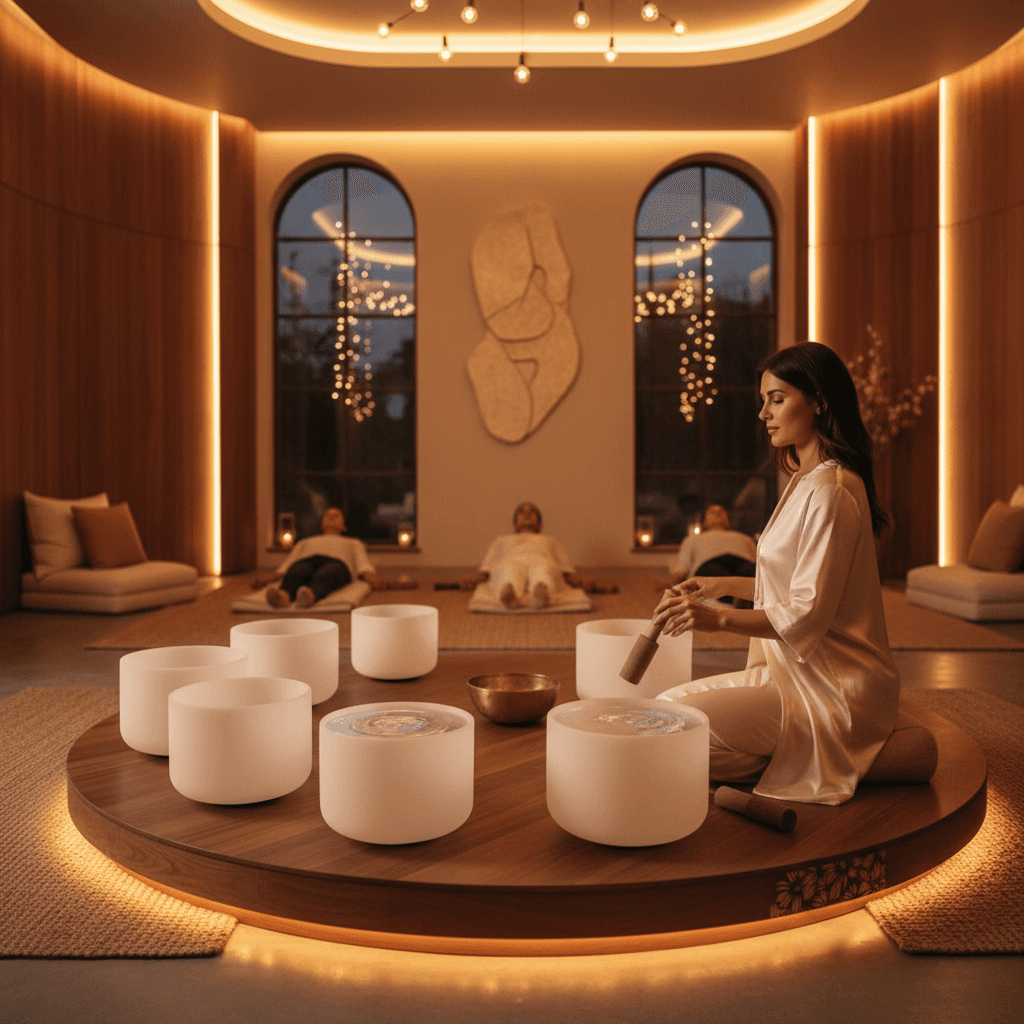
During a sound wellness session focused on emotional release, clients lie comfortably, often surrounded by resonant instruments. The experience begins with a gentle invitation to set an intention, perhaps around a feeling they wish to release, or a sense of peace they wish to cultivate. This mindful preparation helps to focus the mind and open the body to the incoming vibrations. There is no pressure to "do" anything specific; the primary instruction is simply to receive.
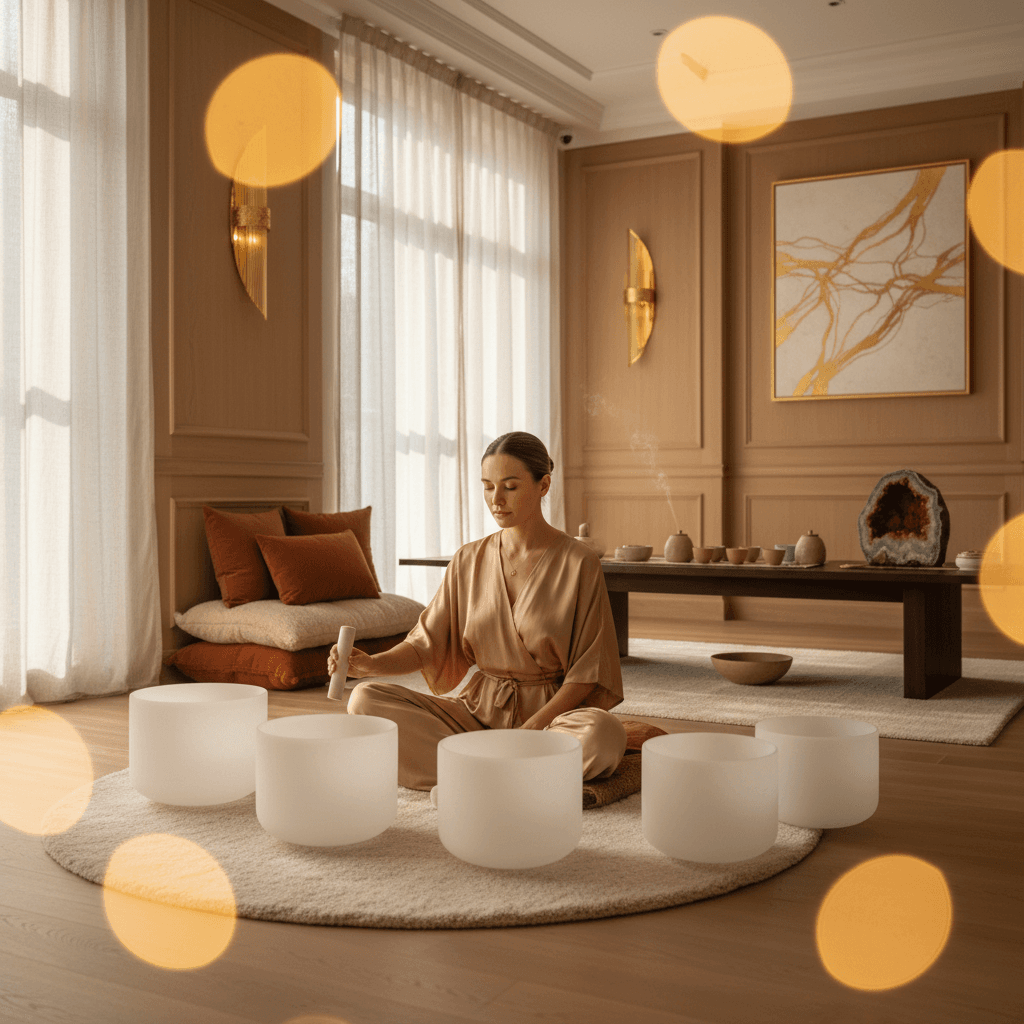
As the session progresses, Larissa Steinbach skillfully employs a variety of instruments, each carefully chosen for its unique vibrational qualities. You might hear the deep, grounding hum of gongs, the shimmering overtones of crystal singing bowls, the delicate tinkling of chimes, or the resonant tones of tuning forks. These sounds aren't just heard with the ears; they are felt as subtle vibrations throughout the entire body, creating a profound somatic experience. The vibrations travel through the tissues, bones, and fluids, potentially helping to release tension and energetic blockages.
Many people report a sensation of weight lifting, a softening around areas of emotional holding, or a profound sense of calm washing over them. The brain naturally shifts into a more relaxed state, which can be conducive to processing difficult emotions without feeling overwhelmed. This deeply relaxed state may allow for buried feelings related to past hurts or unresolved conflicts to surface gently, not for re-traumatization, but for acknowledgment and compassionate release. This non-verbal processing is particularly beneficial for those who find it challenging to articulate their feelings verbally.
The beauty of this practice lies in its non-judgmental nature. There's no right or wrong way to experience the sounds. Some may shed tears, others may fall into a deep meditative sleep, and still others may experience vivid insights. The body and mind are encouraged to simply let go, fostering a sense of surrender and acceptance. This holistic wellness experience may support emotional equilibrium, making space for forgiveness – whether of self or others – to naturally arise from a place of inner peace rather than external pressure.
The Soul Art Approach
At Soul Art, Larissa Steinbach has meticulously crafted an approach to sound wellness that is both deeply scientific and profoundly intuitive, especially when addressing sensitive themes like forgiveness at the end of life or during significant life transitions. The Soul Art method is rooted in the understanding that our bodies and minds are interconnected, and that resonant frequencies can serve as powerful conduits for emotional processing and healing.
Larissa's philosophy centers on creating a personalized and sacred space where individuals feel safe to explore their inner landscape. She draws upon years of experience and a deep reverence for the transformative power of sound. The environment at Soul Art in Dubai embodies quiet luxury, where every detail, from the soft lighting to the ambient temperature, is curated to enhance relaxation and introspection.
What makes the Soul Art method unique is its nuanced application of sound for specific emotional intentions. Larissa employs a diverse array of instruments, including large planetary gongs, precision-tuned crystal singing bowls, Himalayan singing bowls, therapeutic tuning forks, and various chimes. Each instrument is chosen for its distinct vibrational signature and how it interacts with the human energy field. For instance, the deep resonance of gongs may facilitate profound release and deep relaxation, while the clear, pure tones of crystal bowls might encourage mental clarity and emotional openness.
When working with themes of forgiveness, Larissa Steinbach focuses on instruments and sequences that may support the heart chakra and the limbic system – the emotional centers of the brain. The gentle yet powerful vibrations are intended to bypass the analytical mind, allowing access to deeper, often unconscious, emotional blockages. This can be particularly effective for unresolved issues that have been held in the body for years. The goal is not to erase memories, but to shift the emotional charge associated with them, fostering a sense of peace and acceptance.
Larissa’s sessions often integrate mindful breathing techniques and gentle guidance, encouraging clients to consciously release what no longer serves them. This intentional approach, combined with the profound relaxation induced by the sound frequencies, creates a potent environment for emotional processing. It’s a holistic wellness practice designed to promote harmony within the self, offering a complementary path to finding resolution and solace during some of life's most challenging moments.
Your Next Steps
Embracing the journey of forgiveness and emotional release is a profound act of self-care, especially as we navigate life's inevitable transitions. While sound wellness is a powerful complementary approach, integrating it with other mindful practices can amplify its benefits. Here are some actionable steps you can take to cultivate greater peace and emotional freedom in your life:
- Practice Mindful Reflection: Dedicate a few minutes each day to quiet contemplation. Consider what emotional burdens you might be carrying, without judgment. Journaling can be a helpful tool to explore these feelings.
- Explore Forgiveness Resources: Read books or articles on the science and practice of forgiveness. Understanding its mechanisms can empower you to approach it with greater intention. The "Greater Good" science center at Berkeley offers excellent insights.
- Engage in Gentle Movement: Practices like gentle yoga, tai chi, or simply walking in nature can help release physical tension often associated with emotional stress. This prepares your body to be more receptive to deeper relaxation.
- Prioritize Emotional Wellness: Recognize that emotional health is as vital as physical health. Make time for activities that bring you joy and peace, fostering a supportive environment for inner work.
- Experience Sound Wellness: Consider exploring a sound bath or private sound session. Allow yourself to experience the profound relaxation and potential for emotional release that resonant frequencies may offer. It's a gentle yet powerful way to support your well-being.
Bookings Coming Soon
Soul Art is still in preparation. Session details and booking will be published here after launch.
Coming Soon
In Summary
The journey towards peace at life's end, or during any significant transition, is profoundly shaped by our ability to find forgiveness – both for others and for ourselves. Scientific research underscores the immense mental, emotional, and even physical benefits of this deeply human process, highlighting its impact on reducing anxiety, anger, and grief. Sound wellness, with its capacity to access the limbic system and induce deep states of relaxation, offers a powerful, complementary approach to facilitate this emotional release.
At Soul Art in Dubai, Larissa Steinbach expertly guides individuals through personalized sound experiences designed to gently unlock emotional blockages and foster a profound sense of inner harmony. By combining scientific understanding with ancient wisdom, Soul Art provides a serene sanctuary where the resonant frequencies of gongs, bowls, and chimes may support individuals in cultivating acceptance and finding solace. Discover a unique path to emotional freedom and embrace the transformative power of sound for release and profound peace.
Related Articles
The Role of Sound in Cultural Death Practices
Death Doulas & Sound: Enhancing Peace in End-of-Life Journeys

Sound's Gentle Embrace: Supporting Late Alzheimer's with Sonic Wellness