Family at Bedside: The Comforting Power of Sound for Loved Ones

Key Insights
Discover how familiar voices and curated soundscapes from Soul Art, guided by Larissa Steinbach, offer profound comfort and support for loved ones in critical care, promoting healing and connection.
Compelling Introduction
Imagine a space where the sterile hum of medical equipment fades, replaced by the gentle resonance of a familiar voice or the soothing cadence of a carefully chosen melody. In moments of vulnerability, when a loved one faces significant illness or critical care, finding ways to offer comfort and maintain connection becomes paramount. It's a challenging period, often fraught with anxiety for both the patient and their family.
What if a simple, accessible tool could bridge this gap, offering solace and potentially supporting wellbeing in profound ways? Emerging research suggests that sound, particularly familiar voices and curated music, holds a remarkable power in these sensitive environments. It’s not just about distraction; it's about harnessing the deeply ingrained human response to auditory comfort.
This article delves into the scientifically-backed benefits of incorporating sound wellness into bedside care. We will explore how these auditory interventions can offer a unique form of support, from reducing symptoms of delirium to fostering emotional calm. Join us as we uncover how Soul Art, under the visionary guidance of Larissa Steinbach, is thoughtfully applying these principles to create sanctuaries of sound for loved ones.
The Science Explained
The profound impact of sound on human physiology and psychology is increasingly being illuminated by scientific inquiry. Far from being a mere aesthetic experience, sound interacts deeply with our nervous system, influencing everything from stress responses to cognitive function. In critical care settings, where stress and disorientation are common, these interactions become particularly relevant.
The Power of Familiar Voices in Critical Care
One of the most compelling areas of research focuses on the impact of familiar voices, especially for patients in intensive care units (ICUs). ICU delirium, a state of acute confusion and disorientation, is a serious complication associated with longer hospital stays and increased mortality. Traditional interventions often involve pharmacological approaches, but non-pharmacological methods are gaining crucial attention.
A groundbreaking study led by Cindy Munro, PhD, RN, ANP-BC, detailed a rigorous intervention called Family Automated Voice Recording (FAVoR). This study demonstrated that playing recorded messages from family members hourly during the daytime significantly promoted day-night orientation. Patients who received these familiar voice recordings had a higher rate of delirium-free days compared to those receiving usual care. The findings even suggested a dose-response relationship, indicating that more frequent exposure to these recordings correlated with more delirium-free days. This low-cost, easy-to-implement strategy highlights the innate human need for connection and familiarity, even when consciousness is impaired.
Further research underscores the role of familiar voices in reducing emotional distress. A study investigating the effect of listening to voice recordings of relatives on chest pain patients found potential benefits in reducing depression. While direct pain reduction was less immediate, the long-term impact on emotional wellbeing indicates that such auditory interventions contribute to a more holistic recovery process, especially for those facing high morbidity and mortality risks like acute myocardial infarction (AMI). The continuity of connection, even through recorded sound, may offer a subtle but powerful anchor for patients.
Music as a Therapeutic Companion
Beyond familiar voices, carefully chosen music has long been recognized for its therapeutic potential. In inpatient settings, where anxiety and pain can be pervasive, music offers a non-invasive avenue for comfort. Research referenced by PMC - NIH highlights that music can significantly aid in pain management, anxiety reduction, and overall emotional well-being. The key, however, lies in patient preference, as the music should resonate personally with the individual to maximize its benefits.
Clinicians are increasingly using simple tools like smartphones to stream preferred music, witnessing remarkable transformations. Intractable pain may improve dramatically with upbeat tunes, anxiety can dissolve with soothing melodies, and a broken spirit may reanimate with empowering rhythms. This ease of access empowers both patients and families to integrate music into daily care routines, making it a flexible and personalized intervention. The impact extends beyond the patient, offering a sense of shared experience and comfort for caregivers as well.
A systematic review comparing the effects of music and non-music sound interventions in critical care found that both slow-tempo music and non-music sounds (such as nature sounds) can:
- Decrease pain perception.
- Improve sleep quality.
- Help regulate cortisol levels, the body's primary stress hormone.
- Reduce the need for sedatives and analgesics.
- Lessen stress and anxiety, promoting a state of relaxation.
While both categories offer substantial benefits, music interventions often show more robust evidence for influencing stress biomarkers, vital signs, and hemodynamic measures, suggesting a broad physiological impact.
Broader Benefits of Sound Therapy
The broader field of sound therapy, which includes not just music and voices but also specific frequencies and vibrations, is also demonstrating promising potential. Sound therapy leverages both auditory perception and the body's reception of sound waves through the skin. Preliminary studies, though often small, indicate a range of potential health benefits, including:
- Enhanced Mood: Sound baths and specific soundscapes can induce deep relaxation, which may reduce stress and anxiety. Engaging the brain in focused listening can quiet racing thoughts, potentially lowering heart rate and blood pressure.
- Pain Relief: Vibroacoustic therapy, which involves applying vibrations to the body, has shown promise in reducing moderate-to-severe pain, suggesting it could be a valuable complementary approach to pain management.
- Other Potential Benefits: Researchers are exploring sound therapy's role in supporting lung and respiratory conditions, addressing sleep issues like insomnia, and managing symptoms of tinnitus.
It is important to note that while research on sound therapy is growing, experts concur that more data is needed to establish definitive, widespread health claims. However, the existing evidence strongly suggests that sound interventions are a valuable complementary approach to holistic wellness, offering significant benefits for stress management and relaxation. This area of study continues to expand, seeking to identify the most effective sound frequencies, optimal duration of therapy, and who might benefit most.
How It Works in Practice
Translating scientific insights into practical application requires a thoughtful and empathetic approach, especially in sensitive environments like a hospital room or a home care setting. The goal is to create an auditory environment that supports the patient's wellbeing, fosters a sense of peace, and strengthens the connection with loved ones. It’s about more than just playing background noise; it's about crafting an intentional sound experience.
When a loved one is at the bedside, the experience of sound becomes a profound conduit for comfort. Imagine a patient, perhaps drifting in and out of consciousness, who hears the unmistakable tone of their child's voice recounting a cherished memory, or their spouse whispering words of encouragement. This isn't just a sound; it’s an anchor to their identity, their relationships, and the life they know outside the clinical walls. The familiarity itself can be deeply grounding, offering a sense of safety and continuity.
One practical application involves creating personalized voice recordings. Family members can record short, simple messages – recounting positive memories, sharing hopes, or simply expressing love. These recordings can be played at regular intervals, particularly during daytime hours, to help establish a sense of routine and day-night orientation, which is crucial in preventing delirium. The ease of using a smartphone to record and play these messages makes it an incredibly accessible intervention for families and caregivers alike.
Beyond familiar voices, carefully selected music can transform the atmosphere. This might involve compiling playlists of the patient's favorite calming music, gentle instrumental pieces, or even nature sounds like ocean waves or soft rain. The key is to choose sounds that are personally meaningful and soothing to the individual, avoiding anything that might be startling or overstimulating. The volume should be kept low, creating an intimate soundscape that respects the patient's often heightened sensitivity.
The experience for clients is often one of profound relief and connection. For the patient, it may manifest as reduced agitation, more peaceful sleep, or moments of clarity and recognition. For the family, the act of curating and delivering these sound experiences provides a tangible way to participate in their loved one's care, offering a sense of purpose and reducing feelings of helplessness. It’s a gentle yet powerful reminder of the enduring bond that connects them, creating a shared space of solace even amidst challenging circumstances. The presence of these familiar sounds can evoke comforting memories, stimulate positive emotions, and provide a much-needed sense of presence, even when physical touch or lengthy conversations are not possible.
The Soul Art Approach
At Soul Art, Dubai's premier sound wellness studio, Larissa Steinbach understands that true wellbeing encompasses a deep connection to self and others, especially during life's most challenging transitions. The Soul Art approach to "Family at Bedside: Sound for Loved Ones" is rooted in this philosophy, blending scientific understanding with a profound sense of empathy and personalized care. Larissa Steinbach and her team recognize that each individual's journey is unique, requiring a bespoke auditory experience designed to nurture the spirit and soothe the nervous system.
"In moments of profound vulnerability, sound transcends language, becoming a universal balm for the soul. At Soul Art, we believe in crafting auditory sanctuaries that gently guide both patient and family towards peace and connection."
What makes the Soul Art method truly unique is its holistic and highly personalized nature. Rather than a one-size-fits-all solution, Larissa Steinbach consults closely with families and caregivers to understand the patient's preferences, memories, and current state. This careful assessment informs the creation of a tailored soundscape that is both meaningful and therapeutically effective. The process is designed to be deeply respectful of the delicate environment surrounding a loved one in care.
Soul Art integrates a variety of gentle sound elements, always with the patient's comfort and relaxation as the primary focus. This might include:
- Curated Familiar Voice Recordings: Guiding families on how to create poignant, calming recordings of their voices, focusing on positive affirmations, shared memories, or simple expressions of love. These are then artfully arranged to be played in a non-intrusive, supportive manner.
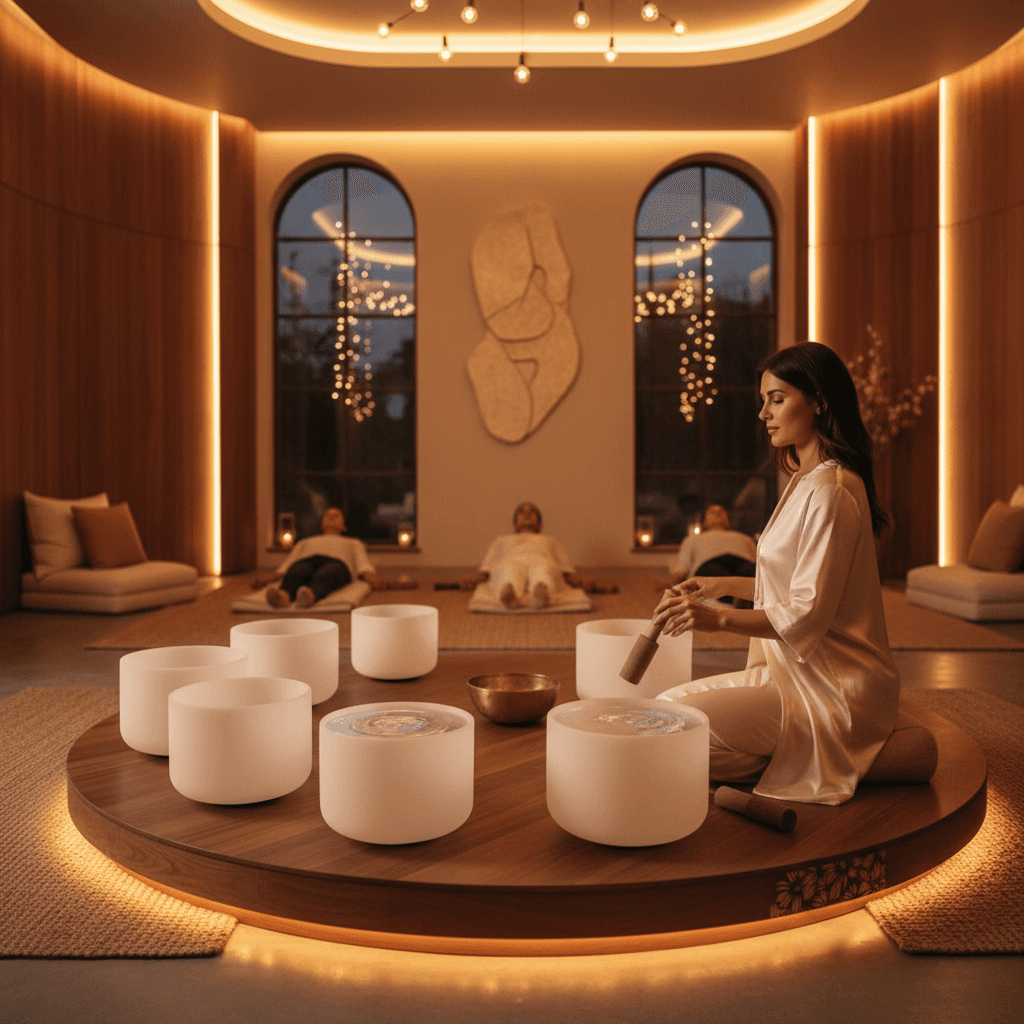
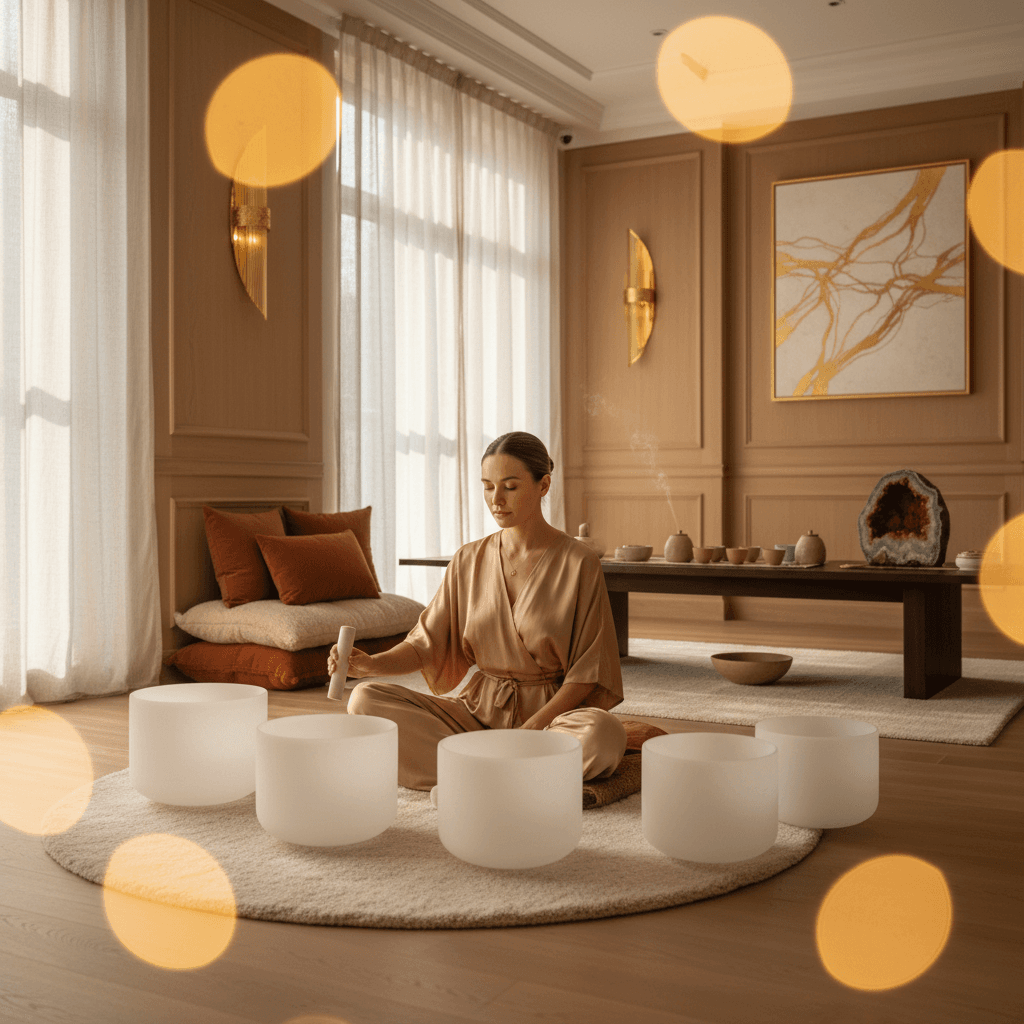
- Harmonic Soundscapes: Utilizing gentle, low-frequency instruments such as crystal singing bowls, Tibetan bowls, or carefully selected chimes, played with exquisite subtlety to generate a pervasive sense of peace. These vibrations, often felt more than heard, can encourage deep relaxation and help regulate the body's natural rhythms.
- Soothing Ambient Melodies & Nature Sounds: Incorporating serene instrumental music, soft binaural beats designed for relaxation (always ensuring no frequencies less than 20 Hz, to comply with safety guidelines), or recordings of natural environments like calm ocean waves or gentle rain. These are chosen for their ability to reduce mental chatter and create an atmosphere of tranquility.
- Vibroacoustic Elements: Where appropriate and safe, very subtle vibroacoustic tools might be introduced to provide gentle, non-invasive sensory input, potentially aiding in pain relief and deeper relaxation, always under the guidance of healthcare professionals.
Larissa Steinbach's expertise ensures that every sound intervention is delivered with utmost sensitivity, carefully considering volume, duration, and the patient's individual response. The goal at Soul Art is not to "treat" a medical condition, but to create a complementary layer of comfort and emotional support that enhances overall wellbeing, reduces stress, and strengthens the vital bond between family members during challenging times. It’s a testament to the power of intentional sound to foster peace and connection when they are needed most.
Your Next Steps
Embracing the power of sound for a loved one at the bedside is a beautiful act of care that can be seamlessly integrated into existing routines. Even small, mindful steps can make a significant difference in fostering comfort and connection. Here are some actionable suggestions you can implement today:
- Create a Voice Recording: Encourage family members to record short, loving messages, anecdotes, or gentle affirmations. Keep them brief and positive. You can compile these into a simple playlist on a smartphone or a portable speaker, ready to be played during quiet times.
- Curate a Personalized Music Playlist: Talk to your loved one (if possible) or consult with family about their favorite calming music. Think of genres that evoke peace or positive memories. Gentle instrumental pieces, classical music, or nature sounds can also be wonderful choices. Ensure the music is preferred by the patient, as individual preference greatly enhances effectiveness.
- Establish a Soothing Sound Environment: Beyond specific recordings, consider the overall auditory environment. Aim to reduce harsh or sudden noises in the room. If possible, use gentle fans, air purifiers, or subtle white noise to mask jarring sounds, creating a more consistent and tranquil backdrop.
- Mindful Volume Control: Always play sounds at a low, respectful volume. The goal is to create a subtle, comforting presence, not to overpower or distract. Observe your loved one's reactions carefully and adjust as needed, prioritizing their comfort and peace.
- Explore Professional Guidance: If you seek a deeper, more tailored approach, consider consulting with wellness experts like Larissa Steinbach at Soul Art. Our specialized knowledge in sound wellness can help you design a bespoke auditory plan, offering a truly unique and supportive experience for your loved one and family.
In Summary
The journey through critical illness or end-of-life care is profoundly challenging, yet within these delicate moments, the power of sound offers a remarkable pathway to solace and connection. As explored through compelling research, from the delirium-reducing effects of familiar voices to the anxiety-alleviating properties of music and therapeutic soundscapes, the auditory realm holds untapped potential for healing and comfort. These non-pharmacological interventions provide a gentle yet powerful means to support psychological and physiological wellbeing, fostering a vital sense of presence for both patients and their families.
Soul Art, led by the compassionate vision of Larissa Steinbach, stands at the forefront of this innovative approach. By meticulously crafting personalized sound experiences, Soul Art empowers families to offer a unique form of love and support, transforming sterile environments into havens of peace. Discover how the harmonious integration of familiar sounds and expert sound wellness practices can restore balance, reduce distress, and deepen the bonds with those you cherish most.
Bookings Coming Soon
Soul Art is still in preparation. Session details and booking will be published here after launch.
Coming Soon
Wellness Disclaimer: This article is for educational and informational purposes only. It does not constitute medical advice, diagnosis, or treatment. Soul Art Dubai provides non-medical wellness experiences focused on relaxation, stress management, and general wellbeing. Sound wellness is a complementary practice and should not replace professional medical care.
Related Articles
The Role of Sound in Cultural Death Practices
Death Doulas & Sound: Enhancing Peace in End-of-Life Journeys

Sound's Gentle Embrace: Supporting Late Alzheimer's with Sonic Wellness