Divorce Grief: Healing the Body & Mind with Sound Wellness
Key Insights
Explore how divorce grief profoundly impacts the body and mind, and discover how sound wellness at Soul Art offers a path to holistic healing and nervous system regulation.
Divorce Grief: Healing the Body & Mind with Sound Wellness
What if we told you that the grief experienced after a divorce can feel as profound, and manifest as physically, as the grief following the death of a loved one? This can be a surprising and often unacknowledged truth for many navigating the end of a long-term relationship. It's a reality that underscores the deep, embodied impact of relationship loss.
At Soul Art, Dubai’s premier sound wellness studio founded by Larissa Steinbach, we understand that relationship dissolution triggers a complex symphony of emotional and physiological responses. This article will delve into the scientific underpinnings of divorce grief, often referred to as "relationship death," and explore how the intentional application of sound wellness practices may offer a unique and compassionate pathway to healing and nervous system regulation.
Understanding this profound connection between relationship loss and physical well-being is the first step towards finding effective strategies for care. We aim to shed light on why your body reacts the way it does, and how embracing holistic wellness can support your journey back to equilibrium.
The Embodied Grief of Relationship Loss
When a marriage or significant relationship ends, the experience extends far beyond emotional heartbreak. It’s a seismic event that reverberates throughout the entire being, affecting physical health, mental clarity, and spiritual grounding. This type of loss, especially after decades together, can feel just as devastating as bereavement.
Societal norms often provide clear rituals and support for those grieving a death, but divorce grief often remains disenfranchised, leaving individuals feeling isolated and their pain unacknowledged. Recognizing the profound, holistic nature of this grief is crucial for truly beginning the healing process.
Neuroscience of Divorce Grief: A Biological Reality
Grief researcher Dr. Mary-Frances O’Connor, author of The Grieving Brain, offers profound insights into why divorce feels like a death in the body. She explains that grief is fundamentally the brain’s attempt to reconcile an impossible reality—the absence of someone our nervous system is wired to expect. Even if the person is still alive, the profound emotional and practical bond has been severed, and the brain and body react as though something vital has been lost.
This neurological response triggers a cascade of physiological changes. Hormones like cortisol, often associated with stress, surge through the system, leading to chronic stress responses. The immune system can become dysregulated, making individuals more susceptible to illness. Furthermore, the brain’s reward and attachment systems light up in patterns that eerily mirror the experience of bereavement, emphasizing the biological depth of this loss. This scientific understanding clarifies why divorce grief isn't just "in your head" but a deeply physical experience impacting every cell.
Beyond the Bereavement Model: Recognizing Unacknowledged Loss
For too long, grief has been primarily associated with death, leaving other profound losses, like divorce, largely unacknowledged in their full scope. This societal oversight can intensify the suffering of those experiencing relationship death, as their grief is often unattended to, invalidated, or even undermined by others. This "disenfranchised grief" creates a confusing and upsetting dual process of loss and the struggle for recognition.
The loss associated with a significant relationship ending is often multilayered. It's not just the termination of a partnership; it's the death of a shared identity, the collapse of a family system, and the shattering of a future you believed was certain. Your nervous system doesn’t differentiate between losing a person to death and losing the entire life you built together. Both demand the same kind of compassion and meticulous care for true restoration. Studies, such as those by Papa, Lancaster, and Kahler (2014), have examined non-bereavement losses like job loss and divorce, finding grief processes comparable to those after death loss, particularly when the loss is central to one's identity.
The profound physiological impact of divorce is further underscored by research on its association with health outcomes. A meta-analysis by Sbarra and colleagues (2011), encompassing over 6.5 million people, indicated that divorced adults had, on average, a 23% greater risk of early death compared to married adults. While confounding factors like personality variables or pre-existing health issues play a role, the sheer magnitude of this correlation highlights the intense stress and physiological toll that sustained divorce grief can exert on the body. This neurobiology of grief is why symptoms like a racing heart, loss of appetite, disrupted sleep, and profound disorientation are not signs of weakness but rather indicators of the body's natural, though distressing, response to profound loss.
The Power of Ritual and Care
Considering the intensity of divorce grief, perhaps it is time we took a cue from the animal kingdom, as Dr. O'Connor suggests through her observations of gorillas. When a loved one is lost, gorillas engage in prolonged physical grooming and proximity, a form of active care that helps the grieving individual regulate their nervous system and find equilibrium. This embodied approach to care is a powerful metaphor for how we might approach human divorce grief.
When someone's marriage ends, they need to be "groomed" in their grief—cared for, tended to, and actively supported while their body and heart find a new sense of balance. This might involve creating new rituals of care that acknowledge the depth of the loss and provide the necessary physical and emotional comfort. These rituals can help normalize the grief experience and create a safe space for processing the complex emotions that arise, moving from a period of life-altering loss to one of relative stability.
How It Works in Practice: Sound as a Pathway to Equilibrium
Understanding the deep biological roots of divorce grief illuminates why traditional coping mechanisms alone may not always be sufficient. When the nervous system is dysregulated, and the body itself is in distress, a different kind of intervention is often needed—one that can bypass the analytical mind and directly address the physiological impact of grief. This is where the profound potential of sound wellness practices comes into play.
Sound, at its core, is vibration, and everything in the universe, including every organ, bone, cell, and liquid in the human body, functions through sound vibration. Each part of us possesses its own resonant frequency, and together, these form a composite frequency, much like the instruments of an orchestra. When one part of the body is "out of tune" due to stress, trauma, or grief, it affects the entire system. Sound wellness aims to gently guide the body back into a state of harmonious resonance.
Through various techniques, sound wellness offers a unique avenue for releasing stored tension and emotional blockages. The low-frequency sounds and vibrations used in practices like vibroacoustic therapy, or experienced during a sound bath, can gently massage the body down to the tissue, organ, and even cellular levels. This deeply penetrating vibration can help to soothe the nervous system, reduce the surge of stress hormones like cortisol, and encourage the body to shift from a "fight or flight" response to a more relaxed, "rest and digest" state.
Many people report that sound experiences allow them to drop out of their overthinking mind and into their body, where trauma and grief often reside. This physical embodiment of experience is crucial for processing the deep-seated emotional disturbances that accompany relationship death. The gentle, consistent frequencies provide a safe container for emotions to surface and be released, without the need for conscious intellectual processing in the initial stages. It's a non-invasive, profoundly nurturing approach that allows the body's innate healing intelligence to activate.
The sensory details of a sound wellness session are crucial to its efficacy. Clients often describe feeling profound relaxation, a sense of inner peace, and a release of tension they didn't even realize they were holding. The resonant tones create an immersive environment that encourages a meditative state, promoting mental clarity and emotional recalibration. It's a gentle yet powerful method for supporting the body and mind as they navigate the challenging landscape of divorce grief, helping to restore balance and foster a sense of wholeness once again.
The Soul Art Approach: Curated Sound for Relationship Renewal
At Soul Art, Larissa Steinbach and her team are dedicated to providing a sanctuary where individuals can process profound life transitions, including divorce grief, through the transformative power of sound. Our approach is rooted in both ancient wisdom and modern scientific understanding, tailored to meet the unique needs of each client. We believe that true healing begins when we compassionately acknowledge the body's experience of grief.
Larissa Steinbach's philosophy at Soul Art is centered on creating deeply restorative and personalized sound journeys. We recognize that divorce grief is a deeply personal odyssey, and our sessions are meticulously designed to support individuals in finding their unique path back to equilibrium. We leverage a diverse array of instruments, each chosen for its specific resonant qualities and therapeutic potential.
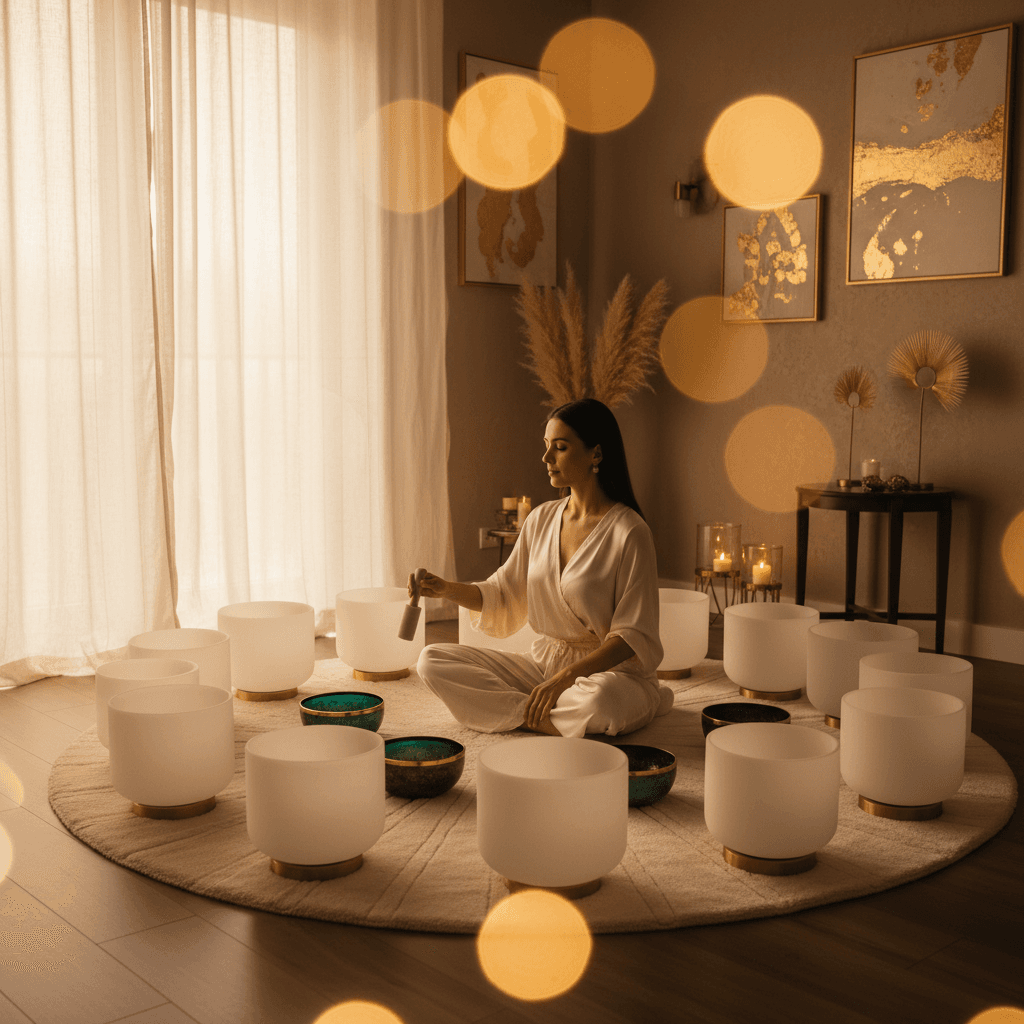
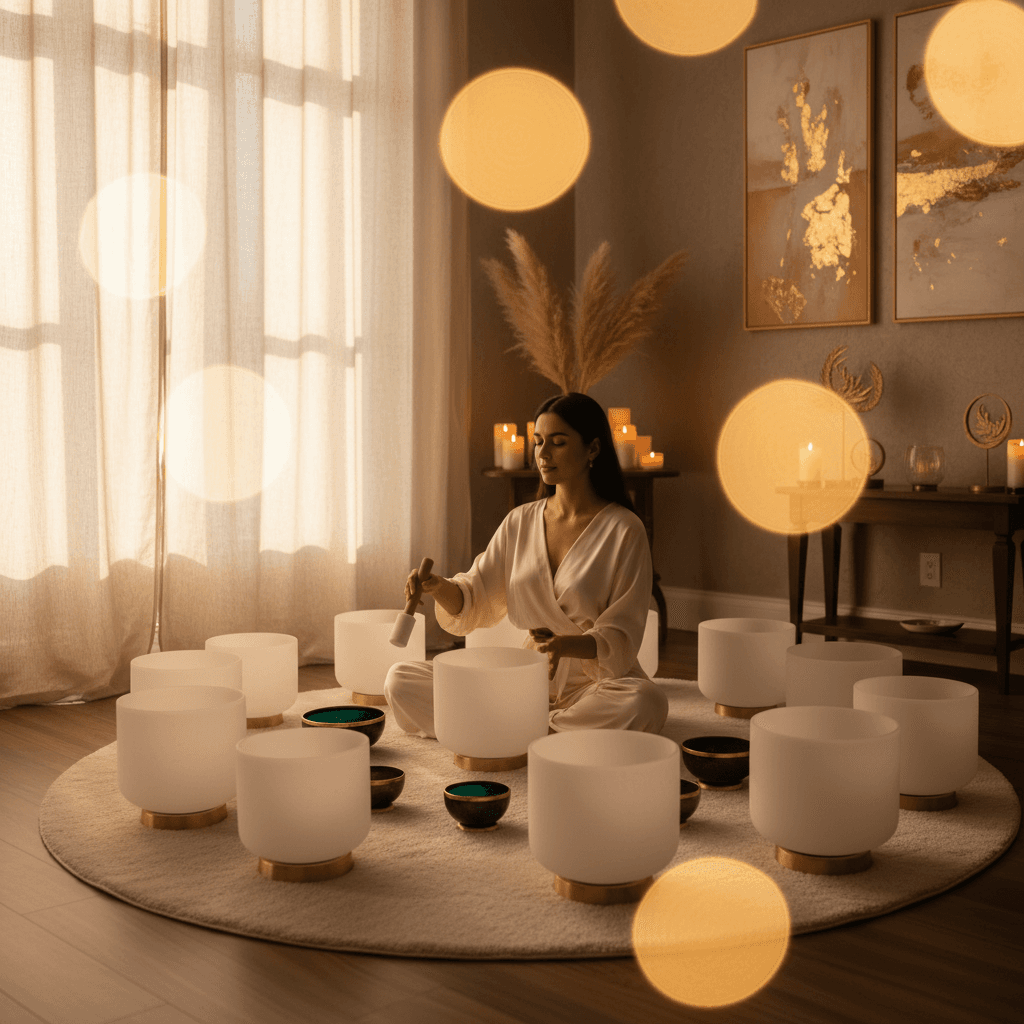
Our curated sound experiences often incorporate the rich, immersive tones of Himalayan singing bowls, known for their deep vibrational qualities that can help calm the nervous system and induce a meditative state. Gongs are utilized for their powerful, enveloping frequencies that may facilitate deep emotional release and energetic cleansing. Additionally, precision-tuned tuning forks are applied to specific energy points on or around the body, targeting areas of tension and promoting cellular relaxation.
"Divorce grief is an invitation to listen deeply to the body's wisdom. At Soul Art, we create the space for that profound listening, using sound as a gentle guide back to your inner harmony."
What makes the Soul Art method unique is its holistic integration of these instruments with mindful guidance and a serene, "quiet luxury" environment. We focus on creating a supportive space where individuals feel safe to explore their grief without judgment. The goal is not to suppress emotions but to gently facilitate their processing, allowing the body and mind to find regulation naturally. Through focused intention and expert facilitation, Soul Art aims to help clients re-establish a sense of self-worth and inner stability, which can often feel fractured after a relationship ends. This complementary approach supports the journey of self-discovery and fosters resilience, vital for moving forward into a new chapter.
Your Next Steps: Embracing Care After Relationship Loss
Navigating divorce grief is undeniably challenging, but you don't have to face it alone, nor do you have to suppress the very real physical and emotional pain it brings. Recognizing the neurobiology of grief is the first step toward self-compassion and seeking the right kind of support. Embracing proactive self-care can make a significant difference in how you move through this complex transition.
Here are a few actionable steps you can take today to support your well-being:
- Acknowledge Your Grief: Allow yourself to feel the full spectrum of emotions without judgment. Understand that your body's reactions are normal responses to a significant loss.
- Prioritize Nervous System Regulation: Engage in practices that help calm your fight-or-flight response. This could include deep breathing exercises, gentle movement, or spending time in nature.
- Build a Support System: Connect with trusted friends, family, or a professional who can offer empathetic listening and understanding. Sharing your narrative may help lessen pain and increase meaning-making.
- Establish New Rituals of Care: Consciously create new routines or practices that nurture your mind, body, and spirit. This can help create new anchors as your life shifts.
- Explore Complementary Wellness Practices: Consider holistic approaches like sound wellness, which can directly address the physiological impact of grief and support deep relaxation.
If you are seeking a profound way to restore your nervous system and embark on a journey of holistic healing, Soul Art offers expertly guided sound wellness sessions designed to support individuals through relationship transitions. Our serene environment and personalized approach provide a unique opportunity for deep care.
Bookings Coming Soon
Soul Art is still in preparation. Session details and booking will be published here after launch.
Coming Soon
In Summary
Divorce grief is a profound, embodied experience, mirroring the physiological and emotional impact of bereavement due to its deep connection to our brain's attachment and reward systems. It’s not merely an emotional setback but a significant life event that affects physical health, identity, and future perceptions. Acknowledging this "relationship death" is crucial for compassionate self-care and healing.
Sound wellness offers a powerful, complementary approach to support individuals through this complex journey. By using specific frequencies and vibrations, practices like those at Soul Art can help regulate the nervous system, release stored trauma, and guide the body back to a state of equilibrium and inner harmony. Under Larissa Steinbach's guidance, Soul Art provides a serene space for this vital self-care, fostering resilience and supporting a gentle transition towards renewed well-being.
Wellness Disclaimer: This article is for educational and informational purposes only. It does not constitute medical advice, diagnosis, or treatment. Soul Art Dubai provides non-medical wellness experiences focused on relaxation, stress management, and general wellbeing. Sound wellness is a complementary practice and should not replace professional medical care.