Disenfranchised Grief: Sound for Unrecognized Loss | Soul Art Dubai

Key Insights
Explore disenfranchised grief, its unseen impact, and how sound wellness at Soul Art Dubai, led by Larissa Steinbach, offers a unique path to healing unrecognized loss.
Have you ever experienced a profound loss that felt invisible to the world, a heartbreak that society didn't acknowledge or validate? This silent suffering has a name: disenfranchised grief. It's a heavy burden, often carried in isolation, when the natural human need to mourn is denied or minimized by external expectations.
At Soul Art Dubai, we understand the unique complexities of unrecognized loss. We believe that true wellness encompasses not just physical health, but also emotional and spiritual equilibrium, especially when navigating the intricate landscape of grief. This article delves into the profound impact of disenfranchised grief and explores how the resonant power of sound wellness may offer a gentle yet powerful pathway to recognition, processing, and healing. You'll discover the science behind this often-overlooked phenomenon and learn how a holistic approach, guided by Larissa Steinbach, can support your journey towards inner peace.
The Unseen Burden: Understanding Disenfranchised Grief
Grief is a universal human experience, yet not all losses are met with the same understanding or support. Disenfranchised grief, a concept formally introduced by Kenneth Doka in 1989, refers to a loss that is not or cannot be openly acknowledged, publicly mourned, or socially supported (Doka, 1989). It occurs when society's grieving norms define what losses and relationships are legitimately grieved, leaving those outside these guidelines feeling isolated and invalidated.
The result is grief that remains unnoticed and underestimated, leading individuals to perceive that their "right to grieve" has been neglected (Doka, 2002). This can be incredibly damaging to emotional health, forcing people to cope with profound sorrow in environments that do not acknowledge or validate their experience. The lack of social support can amplify feelings of guilt, shame, and loneliness, exacerbating the already painful process of loss.
Doka's Groundbreaking Framework
Kenneth Doka's work highlighted that societal guidelines often dictate whose grief is acceptable and whose is not. When a loss falls outside these parameters, the bereaved are often left without the customary rituals, empathy, and comfort that are so vital for healing. This can happen for various reasons, including the nature of the relationship, the type of loss, or the characteristics of the grieved individual.
For example, the loss of a pet, while deeply felt, is often not afforded the same societal recognition as the loss of a human family member. Similarly, the end of a non-marital partnership, a secret love, or a chosen family bond may not receive the same validation, leaving the griever to suffer in silence. These unacknowledged losses prevent healthy grieving, potentially leading to prolonged distress and mental health challenges.
The Shadow of Ambiguous Loss
Closely intertwined with disenfranchised grief is Ambiguous Loss Theory, developed by psychotherapist Pauline Boss (1999, 2010). This theory describes a loss shrouded in uncertainty, which can be traumatic, confusing, and incomprehensible. Unlike clear-cut losses, ambiguous loss lacks closure, leaving individuals in a perpetual state of limbo.
Boss’s decades of research with families affected by war, natural disasters, chronic illnesses, and disabilities illuminate the profound impact of not knowing whether a loved one is truly gone or still present in some form. Mehta & Kapadia (2008) and Knight & Gitterman (2019) emphasize that wherever an ambiguous loss exists, it is highly likely to be disenfranchised because the uncertainty prevents recognition and invalidates the ensuing grief. This ongoing uncertainty prevents the brain from fully processing the loss, leading to a state of chronic stress and emotional dysregulation.
Who Experiences Disenfranchised Grief?
The spectrum of disenfranchised grief is wide and encompasses many individuals and situations:
- Ambiguous Losses: The disappearance of a loved one, a missing person, or the gradual decline of someone with dementia (Boss, 1999, 2010). Here, the person is physically present but psychologically absent, or vice-versa.
- Relationships Not Socially Recognized: The loss of an extramarital affair partner, a former spouse after remarriage, a close friend, or a beloved pet. Society's hierarchies of relationships often dictate the level of permissible grief.
- Losses of the Very Young or Very Old: Doka (2002) notes the flawed perception that the very young and the very old do not understand or respond to the death of significant people. This belief can cause their grief to be dismissed or minimized.
- Individuals with Developmental Disabilities or Mental Illness: There's a persistent, mistaken belief that these individuals are incapable of experiencing or understanding loss and grief (Doka, 2002; McRitchie et al., 2014; Young & Garrard, 2016). This further disenfranchises them from much-needed support.
- Specific Circumstances of Death: Losses due to suicide, overdose, or stigmatized illnesses often come with layers of shame and judgment, making open mourning difficult. Losses occurring during crises, such as pandemics, can also lead to disenfranchised grief due to lack of social support, stigma, or practical limitations on mourning rituals.
- Infertility and Reproductive Loss: Women battling infertility often feel isolated as their social circle may be unable to understand or support them in their grief (McBain & Reeves, 2019). The loss of potential children, or the dreams associated with parenthood, is a profound grief that is frequently unrecognized.
The consistent theme across these experiences is a profound feeling of isolation and invalidation. When grief is disenfranchised, individuals are denied the empathy and validation necessary for healthy processing, leading to significant mental health challenges (Ferland & Caron, 2013; Fieldsend & Smith, 2020; Hazen, 2003; James & Singh, 2018; Lang et al., 2011; McBain & Reeves, 2019; Mulvihill & Walsh, 2014; Sawicka, 2017).
The Physiological Impact of Unprocessed Grief
When grief is disenfranchised, the body's natural stress response can become chronically activated. The brain, unable to fully process the loss, keeps the nervous system in a state of heightened arousal, known as sympathetic dominance. This leads to a cascade of physiological effects:
- Increased Cortisol and Adrenaline: These stress hormones can lead to inflammation, weakened immune function, and disrupted sleep patterns.
- Nervous System Dysregulation: The inability to move between sympathetic ("fight or flight") and parasympathetic ("rest and digest") states can manifest as anxiety, fatigue, and difficulty concentrating.
- Physical Symptoms: Many people report headaches, digestive issues, muscle tension, and a general sense of malaise when carrying unacknowledged grief.
- Mental Health Implications: The sustained stress of disenfranchised grief has been associated with an increased risk of depression, anxiety disorders, and complicated grief. Studies highlight the serious mental health issues linked to this form of unrecognized loss (Ferland & Caron, 2013; Fieldsend & Smith, 2020).
These impacts underscore the critical need for safe, validating spaces where individuals can process their unrecognized losses without judgment, allowing their nervous systems to find a path back to balance.
The Soothing Frequencies: Sound Wellness as a Sanctuary
Sound wellness offers a unique, non-verbal approach to processing grief, particularly for losses that are difficult to articulate or acknowledge. It provides a sanctuary where the body and mind can find release, often bypassing the cognitive barriers that traditional talk therapy might encounter when dealing with deep, unexpressed pain. The gentle yet powerful vibrations and frequencies create an environment conducive to deep relaxation and emotional unfolding.
Creating a Validating Space
One of the most profound benefits of sound wellness for disenfranchised grief is the creation of a non-judgmental and validating space. Unlike verbal sharing, where individuals might fear being misunderstood or dismissed, sound sessions invite a purely experiential journey. There is no need to explain or justify the loss, no expectation to "get over it." The focus is simply on being present with one's feelings, whatever they may be.
This silent validation allows the griever to feel seen and heard on a fundamental level, fostering a sense of psychological safety often absent in their daily lives. It offers a crucial respite from the pressure to perform normalcy or suppress emotions that are deemed inappropriate by societal standards.
The Mechanics of Sonic Relaxation
The science behind sound wellness lies in its ability to influence our brainwave states and physiological responses. Specific frequencies, rhythms, and tones generated by instruments like gongs, crystal singing bowls, and tuning forks can guide the brain from beta (alert, awake) into alpha (relaxed, calm) and even theta (deep relaxation, meditative) states.
- Brainwave Entrainment: This process, known as brainwave entrainment, encourages synchronization between external sound frequencies and internal brainwave patterns. Shifting into alpha and theta states can reduce cortisol levels, promote the release of feel-good hormones like oxytocin, and activate the parasympathetic nervous system. This helps to counteract the chronic stress response associated with unprocessed grief.
- Vagal Nerve Stimulation: The vagus nerve plays a crucial role in regulating the body's internal organs and is central to the parasympathetic nervous system. Sound vibrations, particularly those experienced through direct contact or deep immersion, may stimulate the vagus nerve. This can lead to a reduction in heart rate, blood pressure, and overall tension, promoting a profound sense of calm and safety.
- Cellular Resonance: The body is approximately 70% water, making it an excellent conductor of sound. The vibrations from sound instruments can penetrate tissues at a cellular level, potentially releasing energetic blockages and promoting a sense of flow and integration. Many people report feeling these vibrations deeply within their bodies, a unique sensory experience that can be deeply grounding.
By gently guiding the body and mind into these restorative states, sound wellness may support the natural capacity for healing, creating a fertile ground for emotional processing and release.
Releasing Emotional Blockages
Disenfranchised grief often manifests as emotional blockages, where feelings are suppressed or trapped due to lack of expression. Sound wellness offers a non-linear path to releasing these emotions. The immersive sonic environment can act as a catalyst, allowing long-held emotions to surface gently and safely.
The vibrational frequencies can help to loosen tension stored in the body, which is often a physical manifestation of emotional stress. This can facilitate a release of grief, sadness, anger, or confusion without the need for cognitive analysis or verbalization. It allows emotions to move through the system, rather than remaining stuck, which is essential for healthy mourning.
"To deny grief is to deny our humanity. Sound provides a non-judgmental space where the heart can finally speak its truth, even when words fail."
This process can be deeply cathartic, offering a sense of lightness and peace that many have not experienced for a long time. It acknowledges the complexity of the grief without demanding a rational explanation, honouring the individual's unique journey.
Larissa Steinbach's Vision: The Soul Art Method
At Soul Art Dubai, founder Larissa Steinbach has meticulously crafted a unique approach to sound wellness, specifically designed to offer solace and support for complex emotional states, including disenfranchised grief. Her method integrates scientific understanding with intuitive wisdom, creating a deeply personal and transformative experience. Larissa’s profound empathy and expertise guide each session, ensuring a safe and nurturing environment for release and restoration.
A Bespoke Journey of Sonic Support
Larissa Steinbach’s Soul Art method is not a one-size-fits-all approach. She understands that each individual’s journey with grief is profoundly personal, requiring a bespoke experience. Her sessions are carefully curated, often beginning with a gentle inquiry into the client's needs, creating an intention for the session that resonates with their current emotional landscape.
Larissa utilizes a rich tapestry of sacred instruments, each chosen for its unique vibrational qualities:
- Himalayan Gongs: Known for their deep, resonant tones that can create a full-body sonic immersion, helping to shift brainwaves and release deep-seated tension.
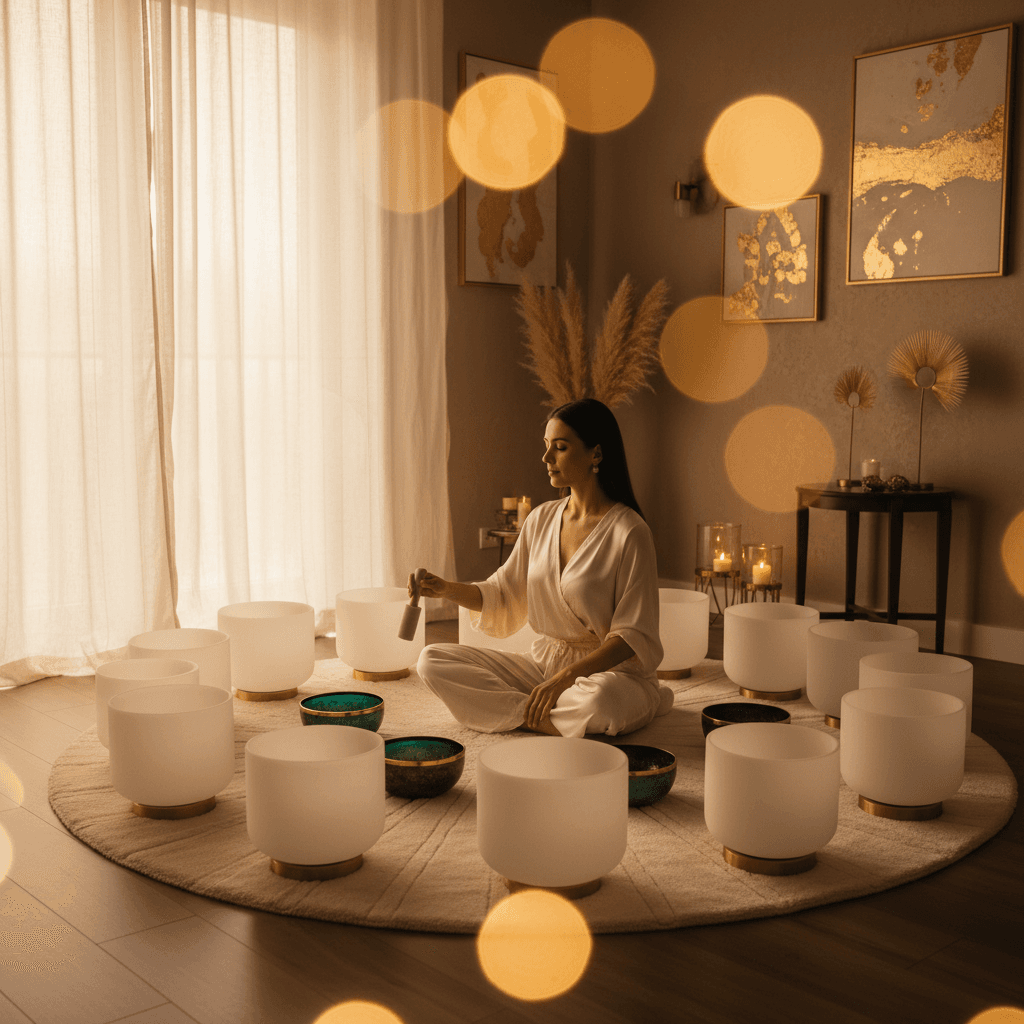
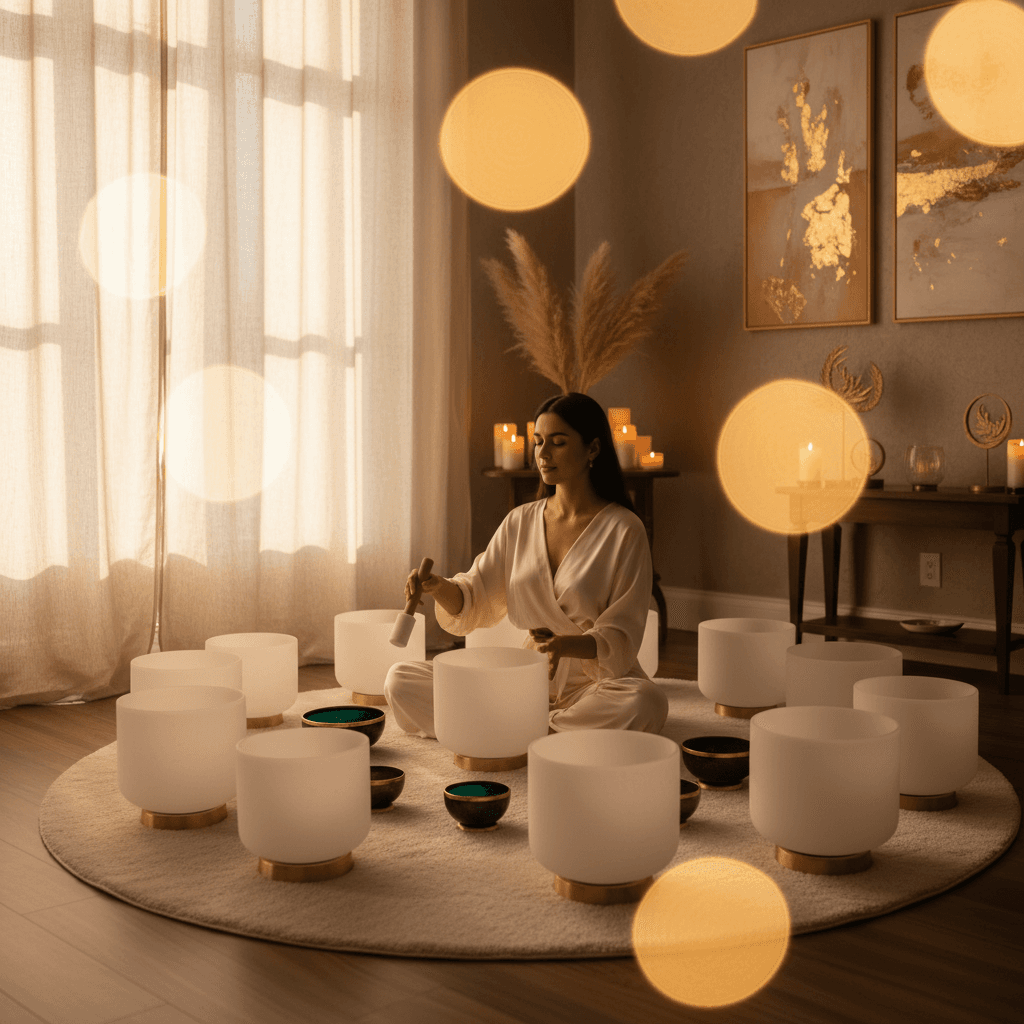
- Alchemy Crystal Singing Bowls: These bowls produce pure, ethereal tones that resonate with different energy centers in the body, promoting energetic balance and emotional clarity.
- Tuning Forks: Applied directly to the body or used around the energetic field, tuning forks deliver precise frequencies that may support nervous system regulation and physical relaxation.
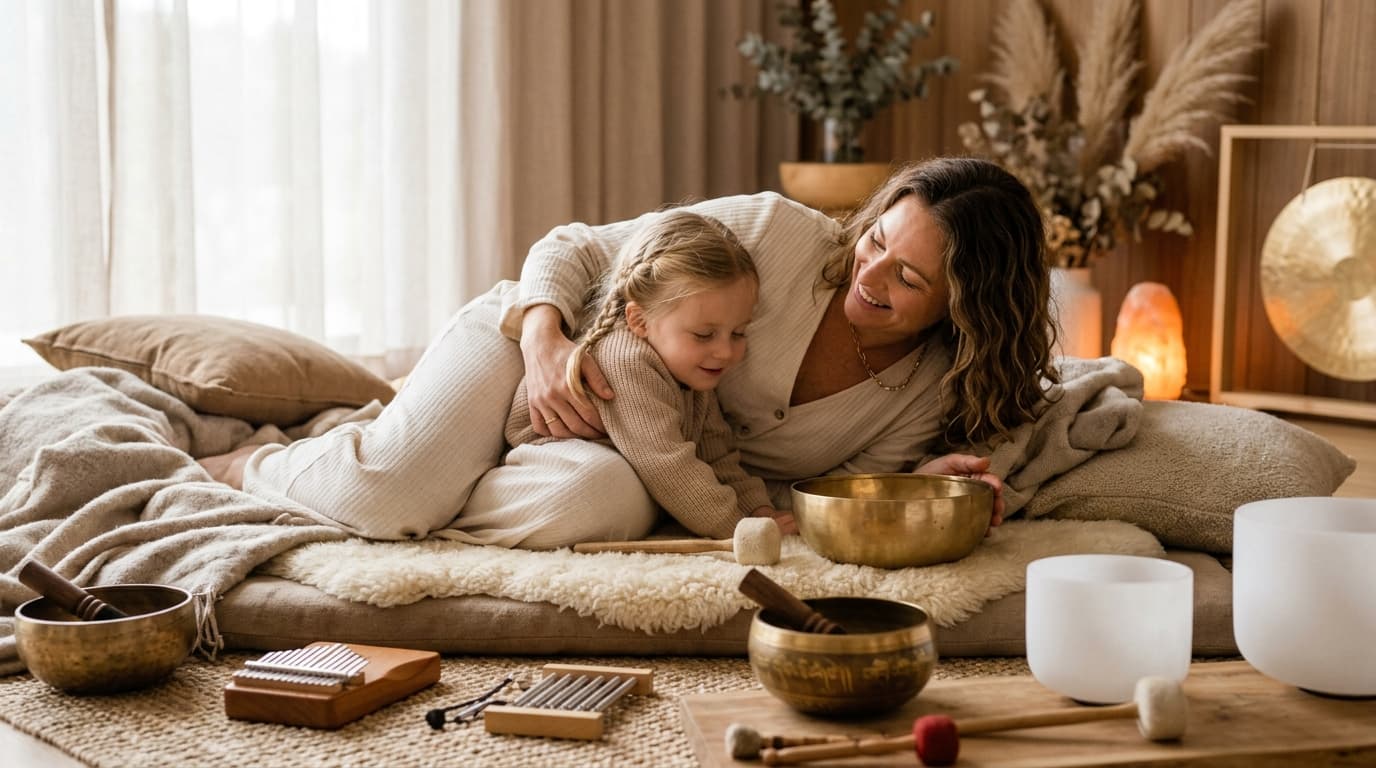
- Other Sacred Instruments: Depending on the individual’s needs, other instruments like chimes, rain sticks, and ocean drums are also incorporated to create a diverse and harmonizing soundscape.
These instruments are played with intention and sensitivity, allowing the body to deeply relax and the mind to quiet, creating an opening for gentle emotional processing.
Cultivating Inner Resonance
The Soul Art method, under Larissa Steinbach’s guidance, is deeply focused on helping clients cultivate inner resonance. It's about finding harmony within oneself, even amidst the dissonance of grief. The therapeutic vibrations encourage a return to a state of natural balance, where the body's innate healing capacities are gently activated.
Larissa's approach fosters an environment where self-compassion can flourish. She believes that unrecognized grief often stems from a lack of self-validation, and her sessions aim to re-establish this vital connection. By immersing clients in a field of pure sound, Soul Art facilitates a journey inward, allowing individuals to reconnect with their inner wisdom and resilience. The calming and aesthetically beautiful environment of Soul Art itself is designed to contribute to this sense of peace and safety, making it a true oasis in the heart of Dubai.
Embracing Your Journey: Practical Steps for Unrecognized Grief
Navigating disenfranchised grief is a courageous journey, and finding supportive practices is essential for your well-being. While sound wellness at Soul Art offers a profound complementary approach, there are also practical steps you can integrate into your daily life to acknowledge and process your unrecognized loss. These actions may support your emotional health and provide a sense of agency in your healing process.
Here are some actionable steps you can consider:
- Acknowledge Your Feelings: The first and most crucial step is to validate your own grief. Understand that your feelings are legitimate, regardless of societal recognition. Allow yourself the space to feel sadness, anger, confusion, or whatever emotions arise without judgment.
- Seek Supportive Communities: Look for online or in-person support groups specifically for unique or unacknowledged losses. Sharing your story with others who understand can alleviate feelings of isolation and provide invaluable validation.
- Engage in Expressive Arts: Beyond sound, practices like journaling, painting, poetry, or music can provide non-verbal outlets for expressing complex emotions. These creative avenues offer a safe space to externalize what feels unutterable.
- Create Your Own Rituals: Since formal rituals may be absent for disenfranchised losses, create your own meaningful ceremonies to honor your loss. This could involve lighting a candle, visiting a special place, planting a tree, or writing a letter to the one you lost.
- Prioritize Self-Care: Engage in practices that nourish your body and mind. This includes gentle movement, mindful breathing, spending time in nature, and, of course, exploring the deep relaxation offered by sound wellness sessions.
- Consider Professional Guidance: If your grief feels overwhelming or persistent, seeking guidance from a grief counselor or therapist specializing in ambiguous or disenfranchised loss can be incredibly beneficial.
Remember, your grief is real, and your healing journey is valid. Taking intentional steps to acknowledge and process your unrecognized loss is an act of profound self-compassion. If you're ready to experience a unique pathway to emotional release and nervous system restoration, we invite you to explore the transformative power of sound wellness at Soul Art.
A Path to Healing
Disenfranchised grief is a silent epidemic, leaving countless individuals to navigate profound loss in isolation. Kenneth Doka and Pauline Boss's theories illuminate the complex nature of unrecognized and ambiguous losses, highlighting their significant impact on mental and emotional well-being. It is a testament to the human spirit's resilience that individuals find ways to cope, even when society fails to offer validation.
Sound wellness, as offered by Soul Art and guided by Larissa Steinbach, provides a powerful complementary approach. By gently re-regulating the nervous system and creating a non-judgmental space for emotional release, it offers a sanctuary for those whose grief remains unheard. Embracing the profound vibrations of sound may unlock deep healing, allowing you to move through unrecognized loss with grace and renewed inner peace. We invite you to experience this unique journey of restoration at Soul Art Dubai.
Bookings Coming Soon
Soul Art is still in preparation. Session details and booking will be published here after launch.
Coming Soon
Wellness Disclaimer: This article is for educational and informational purposes only. It does not constitute medical advice, diagnosis, or treatment. Soul Art Dubai provides non-medical wellness experiences focused on relaxation, stress management, and general wellbeing. Sound wellness is a complementary practice and should not replace professional medical care.