Sound Support: Navigating Depression in Terminal Illness
Key Insights
Explore how sound wellness offers gentle, complementary support for managing depression, anxiety, and enhancing quality of life during terminal illness. Discover Soul Art's holistic approach.
A Resonant Path to Peace: Sound Support for Depression in Terminal Illness
Imagine navigating the profound challenges of a terminal illness, not only grappling with physical discomfort but also wrestling with a deep sense of despair. This is the reality for far too many, with studies revealing a staggering prevalence of depression among individuals facing end-of-life journeys. A Japanese study from the Journal of Clinical Oncology reported that a significant 25% of terminal cancer patients experience major depression, a figure that some research suggests could be as high as 77% across various terminal conditions.
This isn't merely a matter of sadness; it's a treatable condition that profoundly impacts quality of life, often leading to feelings of hopelessness and even a desire to hasten death. Recognizing and addressing depression is a crucial, yet frequently overlooked, aspect of holistic palliative care. At Soul Art Dubai, under the compassionate guidance of founder Larissa Steinbach, we believe in offering gentle, non-invasive pathways to emotional and spiritual comfort.
This article delves into the intricate connection between terminal illness and depression, illuminating how the therapeutic power of sound wellness may provide a unique and deeply supportive complementary approach. We will explore the scientific underpinnings of sound's impact on the human body and mind, uncover what a session truly entails, and detail Soul Art's distinctive method for fostering peace and presence during these sensitive times. Our aim is to shed light on how sound support can help restore a sense of calm, reduce distress, and enhance the precious moments of life, even in its final chapters.
The Science Explained: Unpacking Depression and the Power of Sound
The journey through a terminal illness is undeniably arduous, impacting every facet of a person's being. The relentless stress, physical pain, and the profound psychological burden can trigger new episodes of depression or exacerbate pre-existing conditions. This can manifest as persistent sadness, loss of interest in activities, changes in appetite or sleep, and an overarching sense of hopelessness.
Such feelings can understandably lead to a diminished quality of life, increased hospitalizations, and even a greater burden on caregivers. Crucially, research has shown that terminally ill patients experiencing major depression do respond to various forms of support, resulting in an improved quality of life and a reduction in the desire to hasten death. This underscores the ethical imperative to identify and address depression within holistic palliative care.
The Interplay of Mind, Body, and Illness
Depression in the context of terminal illness is a complex interplay of physiological and psychological factors. As a disease advances, increased pain, discomfort, and bodily changes can erode a person's sense of control and autonomy. This can intensify feelings of helplessness, a significant risk factor for depression.
Certain medications can also contribute to depressive symptoms, further complicating diagnosis. Subtle signs of depression, such as pain that does not respond to treatment as expected, can easily be mistaken as purely physical manifestations of the illness. This highlights the importance of a comprehensive and compassionate approach to care, recognizing the profound emotional landscape alongside the physical.
Sound's Impact on the Autonomic Nervous System
The human body's autonomic nervous system governs involuntary physiological processes, including heart rate, breathing, and digestion. It operates through two branches: the sympathetic nervous system (our "fight or flight" response) and the parasympathetic nervous system (our "rest and digest" response). In times of chronic stress, such as during a terminal illness, the sympathetic nervous system can become overactive, leading to sustained physiological tension.
Sound wellness practices leverage specific frequencies and vibrations to gently encourage a shift towards parasympathetic dominance. This allows the body to downregulate its stress response, promoting deep relaxation and a sense of inner calm. The gentle, rhythmic nature of sound has been observed to synchronize brainwave patterns, moving from a heightened beta state (alertness) towards alpha (relaxed awareness) or even theta (deep relaxation, meditation).
The Hormonal Connection: Cortisol and Oxytocin
Scientific inquiry provides insights into how certain complementary practices can influence our body's chemistry. Studies on emotional support animals, for example, have shown a statistically significant decrease in participants’ depression, anxiety, and loneliness. Researchers also observed a consistent pattern of higher amounts of the bonding hormone oxytocin and lower amounts of the stress hormone cortisol after participants engaged in focused interactions with their animals.
While sound wellness is distinct from animal interaction, this research illustrates the profound impact of experiences that foster comfort and connection on our hormonal balance. Sound, through its ability to induce deep relaxation and a sense of safety, may also support a similar shift, potentially reducing cortisol levels and fostering a sense of peace. The resonance and vibration can create an environment conducive to releasing tension and promoting emotional well-being.
Empirical Evidence from Music Therapy
Music therapy, a recognized form of sound-based intervention, offers valuable insights into the potential benefits of sound for terminally ill patients. An empirical study by Curtis (34) evaluated the effects of calm, preferred instrumental music on pain relief and relaxation in individuals with a terminal illness. Participants who listened to music reported improved relaxation compared to control groups.
Another significant pilot study by Whittall (35) investigated the effects of music therapy on anxiety among terminally ill patients with advanced malignant disease. Using non-invasive biofeedback equipment, researchers observed a decrease in mean heart rate scores from 85.8 to 77.1 beats per minute and respiratory rates from 19.5 to 15.4 breaths per minute following music therapy sessions. These sessions often incorporated guided imagery, deep breathing, and muscle relaxation exercises, highlighting a multi-modal approach to comfort. Such findings underscore the potential of sound-based practices to create measurable physiological shifts towards a more relaxed state, offering gentle support for emotional and physical comfort.
How It Works in Practice: The Experience of Sound Support
Stepping into a sound wellness session is often described as entering a sanctuary for the senses. It’s a departure from the clinical environment, a space where the focus shifts entirely to comfort, relaxation, and gentle restoration. For someone navigating terminal illness, this can be an invaluable respite, offering a profound sense of peace amidst challenging circumstances.
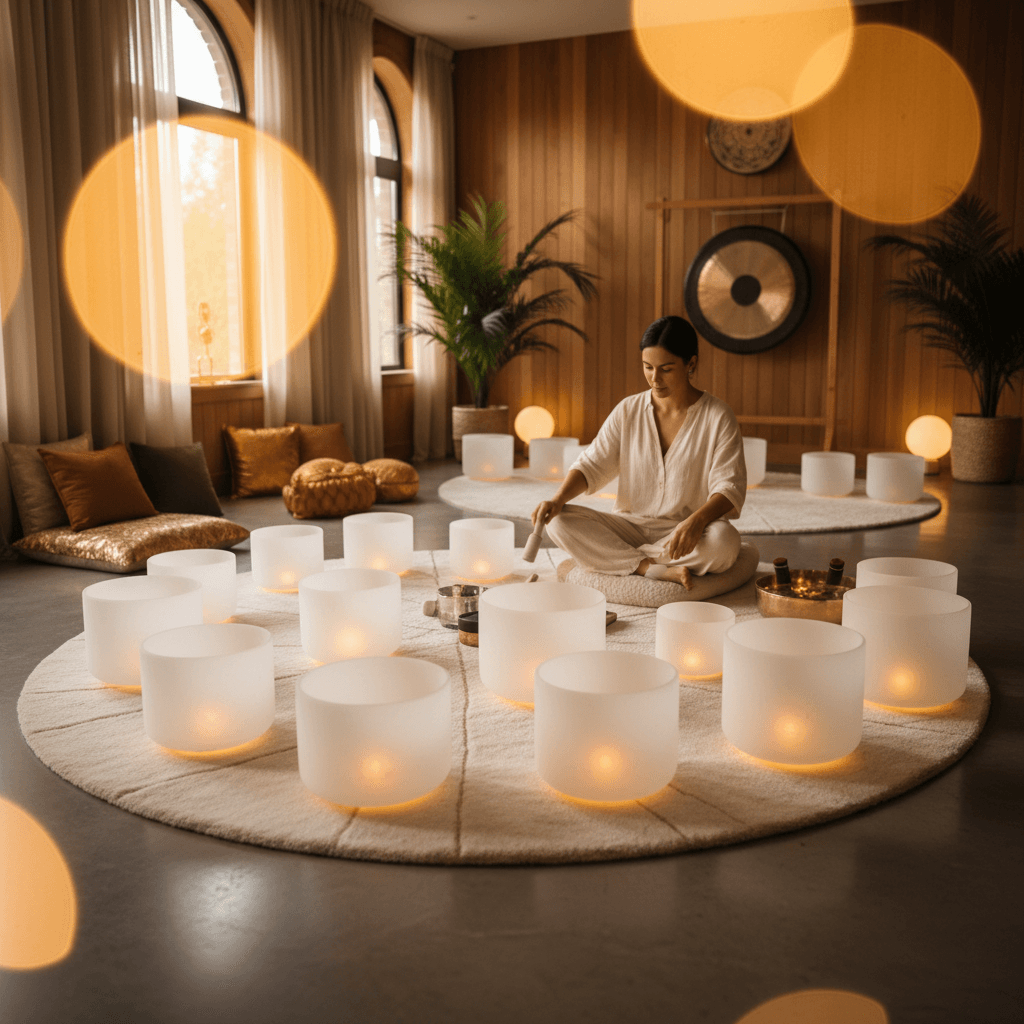
The experience typically begins with the individual reclining comfortably, perhaps on a plush mat or in a gentle recliner, wrapped in a warm blanket. Larissa Steinbach, or one of her skilled practitioners, will then begin to play a curated selection of instruments chosen for their specific frequencies and vibrational qualities. These may include crystal singing bowls, Himalayan singing bowls, gongs, chimes, and other resonant tools.
As the sounds unfold, they fill the space with rich, undulating waves of vibration. These aren't just sounds heard by the ears; they are felt throughout the entire body, a gentle massage at a cellular level. Many people report a sensation of their physical tension melting away, a release they might not have realized they were holding. The body’s subtle energy fields are gently harmonized, promoting a feeling of holistic alignment.
"In the delicate dance between sound and silence, we find a profound stillness that allows the spirit to breathe, offering solace when words fall short."
The deep resonance of the gongs can create a sensation of being enveloped, fostering a sense of safety and surrender. The high-frequency chimes often evoke feelings of lightness and clarity, offering a gentle uplift. This immersive sonic environment can help to quiet the mental chatter, reducing rumination and anxiety, and allowing the mind to rest. It provides a non-verbal avenue for emotional processing, where feelings can simply be felt without the need for analysis or judgment.
Clients often emerge from these sessions feeling deeply relaxed, centered, and with a renewed sense of calm. For those experiencing pain, the focused attention on the vibrations can serve as a gentle distraction, shifting perception away from discomfort. The experience cultivates a profound connection to the present moment, allowing individuals to simply be, free from the burdens of past regrets or future anxieties. It is a time for quiet introspection, where the soul is invited to find its own rhythm of peace.
The Soul Art Approach: Larissa Steinbach's Unique Method
At Soul Art Dubai, Larissa Steinbach has cultivated a distinctive approach to sound wellness, one that marries scientific understanding with profound empathy and intuitive guidance. Her method is meticulously designed to provide a haven of "quiet luxury" – a sophisticated, serene, and deeply restorative experience that honors the unique needs of each individual, particularly those in sensitive life stages. This approach is not about clinical intervention, but about creating an environment where the body and mind can naturally ease into a state of deep relaxation and self-regulation.
Larissa's expertise lies in her ability to craft bespoke sound journeys, recognizing that each person's experience with terminal illness, and indeed with sound, is unique. She carefully selects and orchestrates a symphony of instruments, including a diverse collection of crystal singing bowls tuned to specific frequencies, powerful gongs that offer full-body immersion, and delicate chimes that bring ethereal lightness. Each instrument is chosen for its capacity to interact with the body's energy centers and nervous system, gently encouraging a state of balance.
What makes the Soul Art method unique is its holistic embrace of the individual. Larissa emphasizes creating a sacred space that feels safe, nurturing, and entirely focused on the client's comfort. This involves thoughtful attention to the ambient environment, ensuring warmth, gentle lighting, and a feeling of complete privacy. The intention behind each session is paramount – to provide a gentle anchor in the present, to soothe discomfort, and to facilitate a profound sense of inner peace.
Larissa Steinbach's approach extends beyond simply playing instruments; it involves a deep attunement to the client's energy, allowing the sound frequencies to gently guide them towards a state of harmonious resonance. She often incorporates mindful breathing and gentle visualization cues, inviting clients to surrender to the vibrations and allow them to wash over any emotional or physical tension. This tailored, empathetic guidance ensures that each session is not just a listening experience, but a deeply felt, transformative journey of relaxation and inner solace. The Soul Art method offers a compassionate embrace, supporting individuals in finding grace and serenity even in the face of profound life transitions.
Your Next Steps: Embracing Complementary Support
Navigating terminal illness is an intensely personal journey, and finding ways to enhance comfort and emotional well-being is paramount. While sound wellness is a complementary practice and not a replacement for medical treatment, it offers a gentle yet powerful avenue for support. Integrating such practices into your life, or the life of a loved one, can profoundly improve the quality of daily living by fostering calm and reducing distress.
Here are some practical next steps to explore compassionate support:
- Communicate Openly: Discuss all aspects of care, including emotional and spiritual well-being, with healthcare providers. Inquire about how complementary practices might fit into an existing palliative care plan. Open dialogue ensures a holistic approach to comfort.
- Explore Gentle Self-Care: Engage in simple, soothing activities that bring a sense of peace. This might include gentle stretches, mindful breathing exercises, or spending quiet moments in nature. Small acts of self-care can make a significant difference.
- Connect with Support Networks: Lean on friends, family, or support groups. Sharing feelings and experiences can alleviate feelings of isolation and foster a sense of belonging. The power of human connection is a vital source of comfort.
- Consider a Sound Wellness Session: Experience firsthand the calming effects of sound. A session at Soul Art Dubai, guided by Larissa Steinbach, offers a serene environment specifically designed for deep relaxation and emotional solace. It's a gentle invitation to release tension and find a profound sense of peace.
- Seek Qualified Practitioners: When exploring any complementary wellness practice, ensure the practitioner is experienced, compassionate, and understands the sensitive nature of your circumstances. Trust and comfort are essential for a beneficial experience.
Embracing these steps can open doors to greater peace and comfort during a challenging time. A Soul Art session provides a unique opportunity to immerse yourself in healing vibrations, offering a sanctuary where tranquility can flourish. It is a thoughtful gift of calm, supporting the spirit in its gentle journey.
In Summary: A Harmonic Path to Comfort
Depression in terminal illness is a widespread and deeply impactful challenge, affecting a significant portion of individuals navigating their end-of-life journey. It is a condition that warrants compassionate attention and can be effectively supported through various means, including complementary wellness practices. While medical interventions are crucial, holistic approaches that address emotional and spiritual comfort are equally vital for enhancing the overall quality of life.
Sound wellness, through its ability to gently influence the nervous system, reduce stress hormones, and foster deep relaxation, offers a profound and non-invasive avenue for support. It provides a unique space for individuals to find solace, reduce anxiety, and experience moments of profound peace amidst their circumstances. Larissa Steinbach's Soul Art in Dubai provides a unique, "quiet luxury" experience, crafting bespoke sound journeys that nurture the body, quiet the mind, and uplift the spirit. By integrating practices like sound support, we can illuminate a path towards greater comfort, dignity, and a deeper sense of well-being, transforming challenging moments into opportunities for gentle transcendence. We invite you to explore the soothing power of sound and experience the profound benefits it may offer.
Bookings Coming Soon
Soul Art is still in preparation. Session details and booking will be published here after launch.
Coming Soon
Wellness Disclaimer: This article is for educational and informational purposes only. It does not constitute medical advice, diagnosis, or treatment. Soul Art Dubai provides non-medical wellness experiences focused on relaxation, stress management, and general wellbeing. Sound wellness is a complementary practice and should not replace professional medical care.
Related Articles
The Role of Sound in Cultural Death Practices
Death Doulas & Sound: Enhancing Peace in End-of-Life Journeys

Sound's Gentle Embrace: Supporting Late Alzheimer's with Sonic Wellness