Sound's Reach: Unlocking Consciousness in Unresponsive States

Key Insights
Explore groundbreaking science revealing how sound may connect with unconscious patients. Discover how Soul Art applies these insights for profound wellness.
Imagine a loved one lies unresponsive, seemingly lost in a world beyond our reach. We speak to them, hoping against hope that our words penetrate the silence, that our presence registers. For generations, this act was fueled by instinct and love, perhaps dismissed by medical science as purely emotional. Yet, what if those heartfelt whispers, those chosen melodies, carry a power far beyond what we once understood?
Recent advancements in cognitive neuroscience are beginning to validate this instinctive truth. They reveal a startling reality: the boundary between conscious and unconscious might be far more permeable than we ever imagined. Unresponsive patients, once thought completely unaware, are now showing profound signs of brain activity and even a form of "hidden consciousness."
This evolving understanding compels us to reconsider the profound impact of sound, even in the most challenging circumstances. It highlights sound's potential not just to soothe and stimulate, but perhaps even to connect with the deepest recesses of the human mind, offering a powerful avenue for wellness and human connection, echoing the profound philosophy embraced by Larissa Steinbach and Soul Art.
The Unseen Landscape of Consciousness: Unveiling the Brain's Hidden Activity
For too long, consciousness has been viewed as a binary state: either you are aware, or you are not. This simplistic interpretation is rapidly being updated by groundbreaking research. Scientists are now uncovering empirical evidence that the unconscious brain is far more active and complex than previously believed, capable of sophisticated cognitive functions.
This paradigm shift suggests that "unconscious" individuals are not merely passive recipients of their environment. Instead, they may be cognitively active, correlating information, associating meaning, and even demonstrating goal-directed behavior. This revelation compels a more empathetic and proactive approach to care and engagement.
Beyond the Veil: Redefining Unconsciousness
The concept of consciousness as a continuum is gaining scientific literacy, with new models like the Intrinsic Consciousness Theory. This theory posits that there isn't a sharp dividing line between a conscious and an unconscious mind, but rather a spectrum of awareness. This perspective aligns with growing evidence that the unconscious is a dynamic, subjective dimension shaped by an individual's unique life experiences.
Remarkably, studies show that an unconscious brain can perform almost all the activities we mistakenly attribute solely to conscious beings. This includes the ability to reason quickly, develop complex computations, selectively focus on information, and make intricate inferences. These findings underscore the importance of treating unconscious patients with the same dignity and respect as fully aware individuals.
One compelling example is a young woman, referred to as Jane, who was diagnosed with "unresponsive wakefulness syndrome" after a severe accident. Despite her diagnosis, brain scans revealed her brain actively responded to the sound of a human voice. This suggests that even in states of profound unconsciousness, a rich internal world might persist.
The Brain's Inner Orchestra: How Sound Influences Neurological Pathways
The brain possesses intricate networks responsible for wakefulness and awareness, and neuroscientists are mapping these critical areas. One region, the ventral tegmental area (VTA), previously known for its role in reward pathways, is now understood to play a fundamental role in consciousness. Its extensive connections to brain regions vital for consciousness suggest that stimulating its dopaminergic pathways could support recovery from coma.
This research implies that auditory stimulation, which can engage these pathways, holds significant potential for influencing brain states. Furthermore, studies on sleep patterns in comatose patients have revealed fascinating insights. Brain waves indicative of normal sleep patterns, such as sleep spindles, may predict long-term recovery and hidden consciousness in unresponsive patients. This suggests a profound interplay between brain states, sensory input, and recovery pathways.
Advanced techniques like functional magnetic resonance imaging (fMRI) and electroencephalography (EEG) are crucial in detecting "hidden consciousness." Landmark studies have shown that some patients diagnosed as unaware can still follow commands using only their brain activity, a condition known as cognitive motor dissociation. This further solidifies the notion that external stimuli, including sound, can reach and engage these hidden conscious states.
The Power of Familiarity: Voices, Memories, and Emotional Resonance
The intuitive act of speaking to an unresponsive loved one now finds powerful scientific backing. Research consistently points to the unique efficacy of a familiar voice in engaging the unconscious brain. A randomized clinical trial found that comatose patients exposed to a loved one's recorded voice experienced a higher level of consciousness in a shorter time compared to a control group.
The recorded messages included personal introductions, details about what happened, the patient's name repeated multiple times, sweet memories, and expressions of hope for recovery. This personalized auditory stimulation significantly improved Glasgow Coma Scale (GCS) scores. It highlights the profound emotional and cognitive resonance that familiar voices and personal narratives hold, even when conventional responsiveness is absent.
"Be careful what you say around the patient," warns researcher Steven Laureys. "They might hear you even if they’re not responding." This powerful statement underscores the ethical imperative of considering the potential for awareness in all unresponsive patients.
The brain's ability to correlate information and associate meaning extends to these familiar auditory inputs. The unique "fingerprint" of a loved one's voice, embedded with emotional significance and past experiences, may activate deeper neural networks. This engagement can contribute to shaping the subjective dimension of the unconscious brain, making it less "passive and flat" and more responsive.
Measuring the Unseen: Advanced Techniques in Consciousness Detection
Detecting subtle signs of consciousness requires sophisticated tools beyond standard clinical observation. fMRI and EEG are at the forefront of this effort. In one international study, 241 participants with severe brain injury who appeared unresponsive were assessed with these technologies. A remarkable 25 percent were able to covertly follow instructions, like "imagine opening and closing your hand," using only their brain activity.
Another promising indicator is Mismatch Negativity (MMN), an event-related potential recorded by EEG that reflects the brain's automatic detection of changes in a repetitive auditory stimulus. While its prognostic value for full recovery can vary depending on the duration and etiology of the coma, the presence of MMN before listening to music has been associated with a higher likelihood of regaining awareness in some studies. This suggests the brain's capacity for complex auditory processing, even in profound states of unconsciousness.
These technologies are not only helping us understand consciousness but also pioneering new ways to potentially reverse coma. Researchers like Toker are using deep-learning AI to identify promising brain areas for treatment and analyzing EEG and MRI data to map how awareness re-emerges across different unconscious states. While these methods are still preclinical, they signify a future where our understanding and support for disorders of consciousness will be dramatically enhanced.
How It Works in Practice: Leveraging Sound for Deeper Wellness
The profound insights gained from studying consciousness in unresponsive states offer powerful implications for general wellness. If sound can reach and activate the brain when it's in a deeply altered state, its capacity to influence conscious minds seeking balance and well-being is undeniable. At Soul Art, we translate these scientific principles into tangible, deeply relaxing, and restorative experiences.
Our understanding that the unconscious mind is an active, subjective dimension, capable of processing information and experiencing emotion, informs our approach to sound wellness. We recognize that every individual's brain, shaped by unique life experiences, responds to sound in a deeply personal way. Our sessions are designed to resonate with this inherent subjectivity, creating a supportive environment for profound internal shifts.
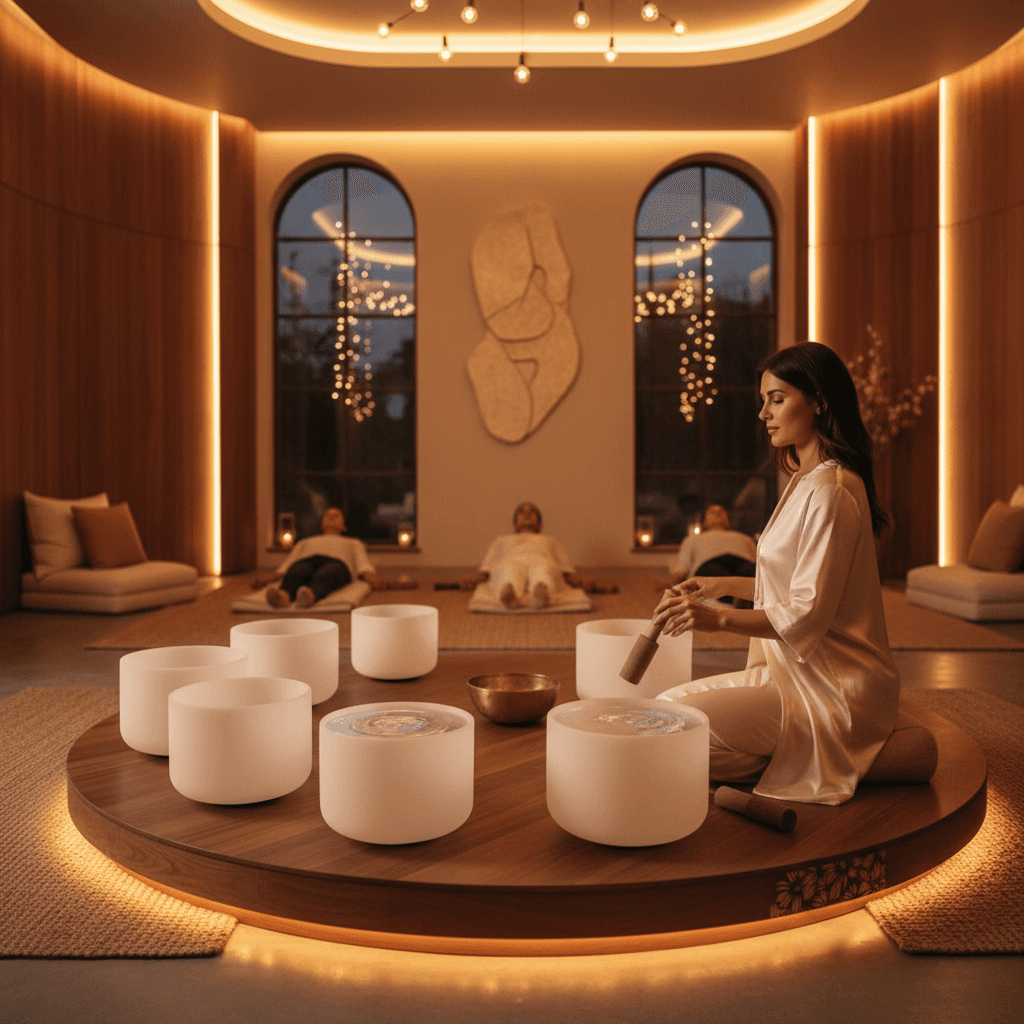
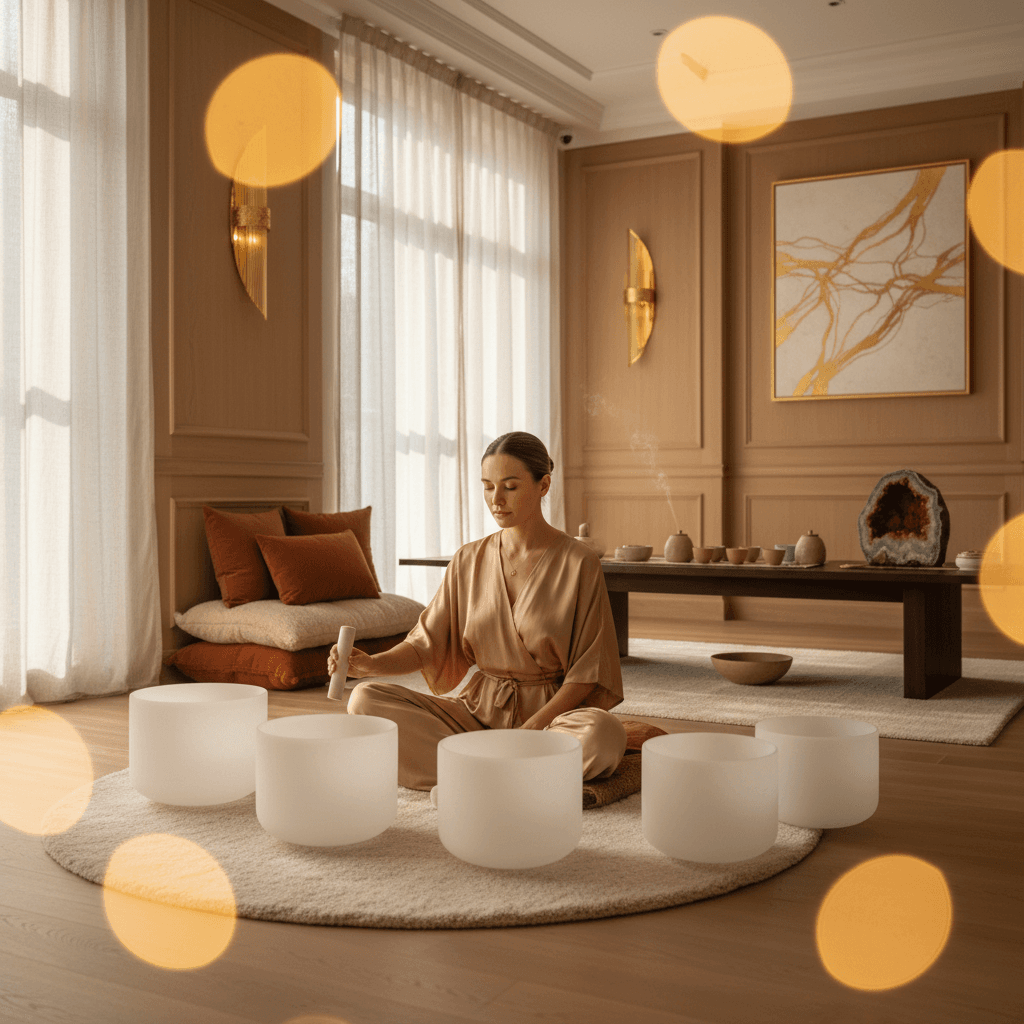
When you immerse yourself in a Soul Art sound session, you are engaging a fundamental aspect of your nervous system. The vibrations from our carefully selected instruments, such as gongs and singing bowls, are not just heard; they are felt. These harmonious frequencies may help to calm the nervous system, guiding your brain into a state of deep relaxation. This shift from an overactive "fight or flight" response to a "rest and digest" state is crucial for overall well-being.
Clients often describe a feeling of profound peace, a mental clarity they haven't experienced in years. The resonant tones are thought to increase serotonin and dopamine, the brain's natural feel-good chemicals, promoting a sense of peace and sometimes even euphoria. This isn't just a subjective report; studies on sound therapy have shown preliminary indications of reduced cortisol levels and heart rates, alongside significant improvements in mood and reduction in anxiety symptoms over time.
The power of sound extends beyond mere relaxation. The subtle vibrations and frequencies may influence how the brain perceives discomfort. Many people report that the deeply immersive nature of sound sessions can help to alleviate chronic tension and promote physical ease. This holistic effect, impacting both mind and body, is what makes sound wellness such a uniquely powerful tool for self-care and stress management.
The Soul Art Approach: Larissa Steinbach's Vision for Sound Wellness
At Soul Art, Larissa Steinbach has meticulously crafted a sound wellness experience that transcends conventional relaxation. Her approach is rooted in a deep respect for both ancient wisdom and cutting-edge neuroscience. Understanding the brain's incredible capacity to respond to auditory stimuli, even in states of profound unconsciousness, informs every aspect of Soul Art's methodology.
Larissa's philosophy centers on the idea that sound is a universal language, capable of communicating with the deepest parts of our being. She acknowledges the scientific evidence suggesting that the unconscious brain is not merely passive, but an active, subjective dimension influenced by sensory input. This understanding guides the creation of immersive soundscapes designed to gently engage and harmonize the individual's entire system.
What makes the Soul Art method unique is its intentional fusion of scientific insight with intuitive artistry. Larissa and her team recognize the brain's inherent ability to correlate information, associate meaning, and even experience emotions on an unconscious level. Therefore, the sound journeys are not random; they are carefully curated to support the brain in achieving states of deep rest, emotional release, and cognitive clarity.
Soul Art utilizes a diverse array of instruments, each selected for its unique vibrational quality and frequency. Ancient Himalayan singing bowls, resonating gongs, tuning forks, and various percussive instruments are employed to create rich, multi-layered sound tapestries. These instruments are chosen to help activate the parasympathetic nervous system, guiding clients into a restorative "rest and digest" state. The aim is to create an environment where the brain can naturally recalibrate, fostering inner peace and rejuvenation.
Moreover, the emphasis is on creating a personalized and empathetic experience. Drawing from the understanding that familiar and comforting sounds have a profound impact, even on unresponsive patients, Soul Art aims to create an atmosphere of safety and resonance. This approach supports mental health and emotional processing, offering a gentle, non-verbal pathway for individuals seeking to manage stress, reduce anxiety, and cultivate a deeper sense of well-being.
Your Next Steps: Embracing Sound for Personal Transformation
The remarkable revelations about the brain's response to sound, even in profoundly unconscious states, underscore its immense potential for enhancing our daily lives. You don't need to be in a coma to benefit from the harmonizing effects of sound. Embracing sound wellness is an accessible and powerful way to nurture your mind, body, and spirit.
Here are a few actionable steps you can take today to integrate the power of sound into your wellness routine:
- Mindful Listening: Start by simply paying closer attention to the sounds around you. Can you find harmony in nature, or a calming rhythm in ambient music? Consciously choose sounds that elevate your mood and reduce stress.
- Explore Therapeutic Sound: Seek out guided sound meditations or sound baths. These structured sessions, similar to those offered at Soul Art, are designed to envelop you in carefully chosen frequencies that may support deep relaxation and mental clarity.
- Create a Personal Soundscape: Curate playlists of instrumental music, nature sounds, or binaural beats that resonate with you. Use these during moments of stress, before sleep, or when you need to focus, to gently guide your brain into a desired state.
- Introduce Gentle Vibrations: Consider incorporating hand-held singing bowls or tuning forks into your self-care routine. The localized vibrations can be soothing and may help to release tension.
- Connect with a Specialist: For a deeper understanding and personalized guidance, consult with qualified sound wellness practitioners. They can introduce you to advanced techniques and instruments, helping you harness the full potential of sound for your unique needs.
In Summary: The Profound Echo of Sound
The journey into the science of consciousness reveals an astonishing truth: the human brain, even in its most vulnerable states, possesses an innate capacity to perceive, process, and respond to sound. The distinction between conscious and unconscious is increasingly understood as a continuum, not a sharp divide, with sound serving as a profound bridge to inner awareness. From the familiar comfort of a loved one's voice to carefully engineered frequencies, auditory stimuli may activate deep neural pathways, supporting emotional regulation and cognitive function.
These scientific insights beautifully align with the holistic principles of sound wellness, as championed by Larissa Steinbach at Soul Art. Our unique methodology harnesses the powerful, restorative effects of sound and vibration to support deep relaxation, stress reduction, and mental clarity for conscious individuals. By embracing the profound potential of sound, we invite you to explore a path to enhanced well-being and a richer connection with your inner self.
Bookings Coming Soon
Soul Art is still in preparation. Session details and booking will be published here after launch.
Coming Soon
Wellness Disclaimer: This article is for educational and informational purposes only. It does not constitute medical advice, diagnosis, or treatment. Soul Art Dubai provides non-medical wellness experiences focused on relaxation, stress management, and general wellbeing. Sound wellness is a complementary practice and should not replace professional medical care.
Related Articles
The Role of Sound in Cultural Death Practices
Death Doulas & Sound: Enhancing Peace in End-of-Life Journeys

Sound's Gentle Embrace: Supporting Late Alzheimer's with Sonic Wellness