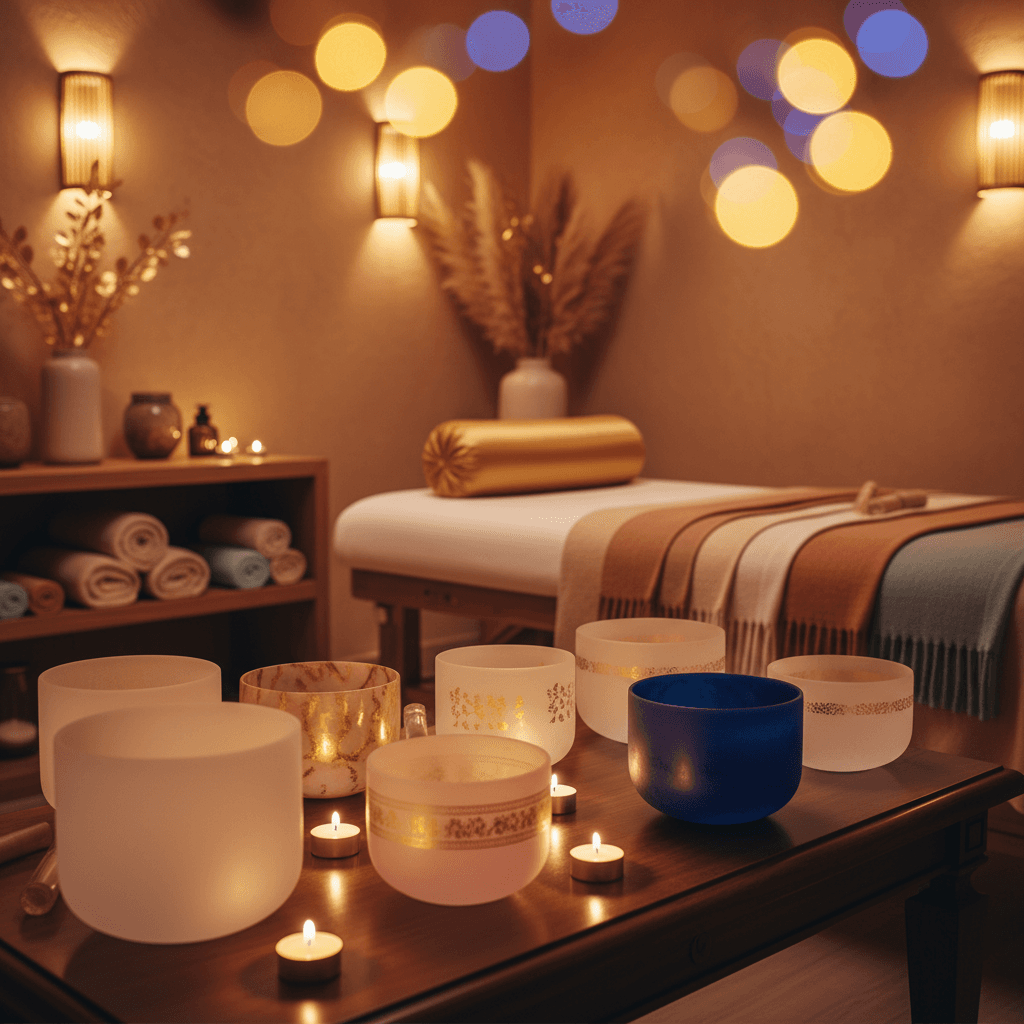
Harmonizing Healing: Sound Therapy for Chronic Pain Relief
Key Insights
Explore how sound therapy at Soul Art, founded by Larissa Steinbach, offers a complementary path to managing chronic pain and fostering deep relaxation in Dubai.
Imagine a world where the persistent hum of chronic pain begins to fade, replaced by a symphony of soothing vibrations and resonant tones. For millions worldwide, chronic pain is a relentless companion, impacting every facet of life from physical mobility to mental clarity and emotional well-being. It's a complex, often debilitating condition that demands a holistic, multi-faceted approach to management.
At Soul Art, Dubai’s premier sound wellness studio, we believe in the profound power of sound to support the body's innate healing mechanisms. Under the expert guidance of Larissa Steinbach, we explore how precisely crafted soundscapes can serve as a potent complementary practice for those seeking respite from chronic discomfort. This article delves into the science, the practice, and the unique Soul Art approach to managing chronic pain through the transformative potential of sound.
The Science Explained: How Sound Interacts with Pain Pathways
Chronic pain is not merely a physical sensation; it's a complex interplay between sensory input, emotional states, and cognitive processes within the brain and nervous system. Understanding this complexity is key to appreciating how sound therapy may offer significant support. Scientific investigation into sound's effects reveals fascinating connections to our physiological and psychological states, particularly concerning pain perception.
The Nervous System and Pain Modulation
Our autonomic nervous system plays a critical role in how we experience pain. It consists of two main branches: the sympathetic nervous system (our "fight or flight" response) and the parasympathetic nervous system (our "rest and digest" response). Chronic pain often keeps the body in a heightened state of sympathetic activation, increasing muscle tension, inflammation, and overall stress, which can exacerbate pain signals.
Sound therapy, particularly through specific frequencies and resonant vibrations, has been associated with shifting the nervous system towards parasympathetic dominance. This transition promotes deep relaxation, helping to reduce muscle tension, lower heart rate, and decrease the body’s stress response. By calming the nervous system, sound can effectively modulate the perception of pain.
Brainwave Entrainment and Pain Relief
The human brain operates on different electrical frequencies, known as brainwaves, which correspond to various states of consciousness. Beta waves are dominant during waking, alert states, while alpha waves emerge during relaxed, meditative states. Theta waves are associated with deep relaxation and REM sleep, and delta waves with dreamless sleep and deep healing.
Sound therapy utilizes specific rhythmic and tonal patterns to guide the brain into these calmer brainwave states. This process, known as brainwave entrainment, allows the mind to gently transition from the overactive beta state often associated with pain and anxiety to the more restorative alpha and theta states. In these states, the body is better able to relax, pain signals may be diminished, and natural healing processes are encouraged. Preliminary studies indicate that alpha and theta brainwave activity can enhance pain threshold and reduce discomfort.
The Vagal Nerve and Its Role in Well-being
The vagal nerve is a crucial component of the parasympathetic nervous system, extending from the brainstem to various organs. It plays a significant role in regulating heart rate, digestion, and inflammation, and it is a key player in the body's ability to relax and recover. Vagal nerve stimulation has been linked to reductions in chronic pain and inflammation.
Certain types of sound, particularly low-frequency vibrations and sustained tones, may activate the vagal nerve. This activation helps to regulate the body's inflammatory response and promote a sense of calm. The gentle resonance felt throughout the body during a sound bath is believed by many to be part of this vagal stimulation, fostering profound physiological and emotional shifts that are conducive to pain management.
Psychoacoustic Effects and Emotional Processing
Beyond direct physiological impact, sound also has powerful psychoacoustic effects, influencing our emotions, memories, and overall mood. Chronic pain is often intertwined with emotional distress, including anxiety, depression, and fear, which can amplify pain perception. Soundscapes can provide a safe and immersive environment for emotional release and regulation.
The non-linear, often ethereal qualities of instruments like gongs and singing bowls can bypass the analytical mind, allowing individuals to access deeper states of emotional processing. This can help to alleviate the psychological burden of chronic pain, reducing stress and fostering a more positive outlook. By addressing the emotional components of pain, sound therapy offers a holistic pathway to greater comfort and well-being.
How It Works in Practice: The Immersive Experience
Stepping into a sound therapy session is an invitation to a unique sensory journey. It's not merely about listening; it's about feeling the sound, allowing its vibrations to permeate your being. The practical application of sound therapy for chronic pain management focuses on creating an environment and experience that maximizes relaxation, reduces tension, and shifts perception.
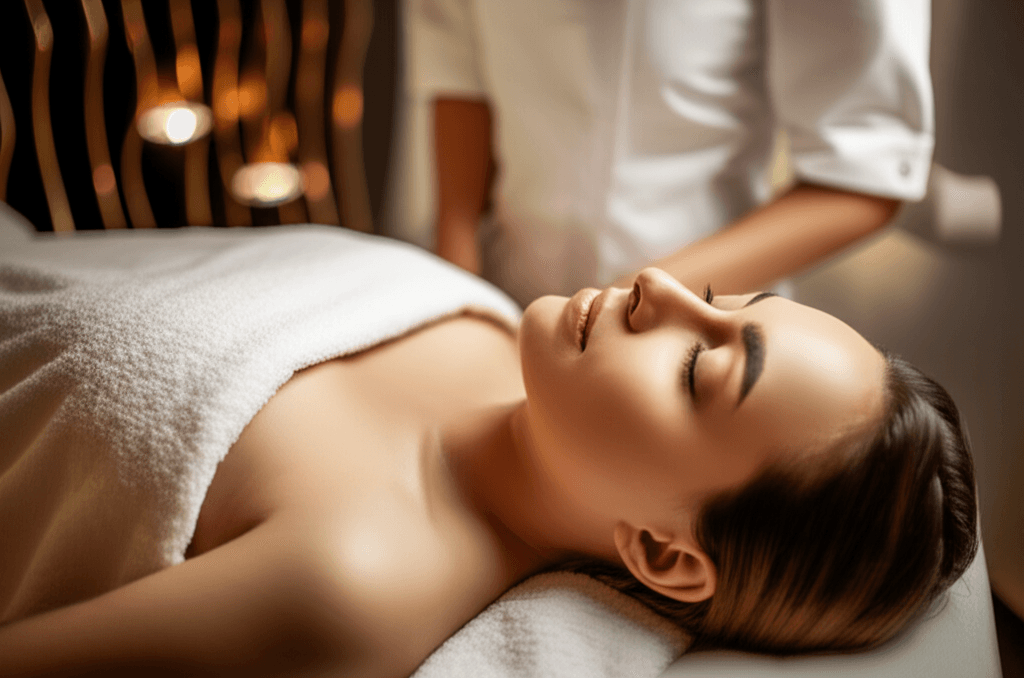
Clients typically lie down comfortably, often on a mat with blankets and pillows, ensuring their body is fully supported. The practitioner, like Larissa Steinbach at Soul Art, then begins to play a curated selection of instruments around and sometimes on the body. These instruments create a rich tapestry of sounds and vibrations designed to induce deep states of relaxation.
The instruments commonly used in sound baths include Himalayan singing bowls, crystal singing bowls, gongs, chimes, tuning forks, and various percussive elements. Each instrument possesses unique tonal qualities and vibrational patterns. Himalayan singing bowls, for instance, produce deeply resonant overtones that are felt as much as heard, creating a palpable sensation throughout the body.
Crystal singing bowls, often tuned to specific energy centers (chakras), emit pure, sustained tones that can feel incredibly soothing and expansive. Gongs generate powerful, immersive sound waves that can wash over the body, often described as a full-body vibrational massage. The low frequencies and complex harmonics of gongs are particularly effective at reaching deep tissues and inducing profoundly altered states of consciousness, which many people report helps to temporarily override or diminish pain signals.
During a session, clients report a wide range of sensations. Some describe a gentle tingling, others a profound sense of weightlessness or floating. Many feel waves of peace washing over them, and often fall into a deep, dream-like state, hovering between wakefulness and sleep. It's in these deep states of relaxation that the body’s self-repair mechanisms are believed to be most active, and the brain’s perception of pain can be recalibrated.
The beauty of sound therapy lies in its non-invasive, gentle nature. It encourages the body to release tension naturally, without force or direct manipulation. This makes it an ideal complementary practice for individuals dealing with chronic pain conditions where physical manipulation might be uncomfortable or contraindicated. The immersive experience provides a sanctuary where the mind can disengage from the pain narrative, allowing the body to simply be and find its own rhythm of restoration.
The Soul Art Approach: Larissa Steinbach's Unique Vision
At Soul Art, Larissa Steinbach has meticulously crafted a sound wellness experience that goes beyond mere relaxation, aiming for profound therapeutic benefit, especially for those navigating chronic pain. Her approach is rooted in a deep understanding of sound science, combined with an intuitive connection to the human experience of discomfort and a passion for holistic well-being. Larissa’s expertise ensures that each session is not just a sound bath, but a carefully guided journey into sonic healing.
What sets the Soul Art method apart is its integration of various sound modalities, tailored to the individual or group's needs. Larissa often begins with a mindful grounding exercise, inviting participants to set an intention for their session. This conscious beginning helps to align the mind and body, preparing them to receive the full benefits of the sound. The carefully selected instruments and sequences are then played with intention and precision, building layered soundscapes that gently envelop participants.
Larissa utilizes a diverse array of instruments, each chosen for its specific vibrational qualities and the effect it has on the human energy system. Her collection includes exquisite Tibetan singing bowls, large therapeutic gongs, delicate chimes, and precision-tuned tuning forks. The combination of these instruments creates a rich auditory and vibrational tapestry, designed to penetrate deeply and facilitate release. The resonance of the bowls can be felt through the floor and directly in the body, creating a profound sense of internal massage that many find exceptionally comforting when dealing with pain.
"At Soul Art, our intention is to create a sanctuary where the mind finds stillness and the body remembers its capacity for harmony. Sound is a universal language of healing, and we guide our clients to listen not just with their ears, but with every cell of their being." – Larissa Steinbach
The environment at Soul Art is also a crucial component of the experience. Designed for quiet luxury and ultimate comfort, the studio provides a serene, aesthetically pleasing space that immediately invites relaxation. Soft lighting, comfortable furnishings, and a peaceful atmosphere enhance the immersive nature of the sound journey, allowing individuals to fully surrender and receive the therapeutic vibrations. Larissa Steinbach’s personal touch and empathetic guidance ensure that every client feels safe, heard, and supported throughout their wellness journey.
Soul Art focuses on empowering individuals to become active participants in their own well-being. By offering a complementary path to pain management, the studio helps clients cultivate a deeper connection to their bodies, fostering self-awareness and resilience. The sessions are designed not as a one-time fix, but as a consistent practice that may support ongoing pain relief and enhanced quality of life.
Your Next Steps: Integrating Sound into Your Life
Embracing sound therapy as a complementary tool for chronic pain management can be a transformative step on your wellness journey. While professional sessions offer the most immersive experience, there are practical ways to incorporate sound into your daily routine to support your well-being. These steps can help you explore the potential benefits and cultivate a deeper relationship with therapeutic sound.
Here are a few actionable recommendations you can implement today:
- Mindful Listening Practice: Dedicate 10-15 minutes daily to listening to calming, instrumental music or nature sounds. Focus intently on the sounds, allowing your mind to rest from external distractions. This practice can help train your brain to enter more relaxed states.
- Create a Calming Sound Environment: Identify sounds that bring you peace. This could be soft chimes, a gentle fountain, or curated playlists of binaural beats or ambient music. Use these sounds to create a tranquil backdrop in your home, especially during times when your pain is most challenging.
- Explore Sound Bath Meditations Online: Many guided sound bath meditations are available on platforms like YouTube or dedicated wellness apps. While not a substitute for an in-person session, these can offer a taste of the experience and help you relax from the comfort of your home.
- Gentle Vibrational Tools: Consider exploring personal vibrational tools like a small tuning fork or a handheld singing bowl. Used gently on or around specific areas of tension (with proper guidance), these can provide localized relaxation and sensory input that may help distract from or soothe pain.
- Book an Introductory Session at Soul Art: The most impactful way to experience the benefits of sound therapy is with a qualified practitioner. A session with Larissa Steinbach at Soul Art in Dubai provides a safe, expertly guided experience that can introduce you to the profound potential of sound for chronic pain management.
In Summary: A Harmonic Path to Well-being
Chronic pain can cast a long shadow, but sound therapy offers a beacon of hope, providing a gentle yet powerful complementary path to finding relief and restoring balance. Through its influence on the nervous system, brainwave states, and emotional processing, resonant sound creates an environment where the body may relax, tension may dissipate, and the perception of pain can be softened. This holistic wellness practice empowers individuals to reconnect with their inner harmony.
Larissa Steinbach's Soul Art studio in Dubai stands as a testament to the transformative power of sound. It offers a sophisticated, empathetic space where clients can explore deep relaxation and experience the potential for significant shifts in their chronic pain journey. We invite you to explore this ancient yet scientifically supported practice. Discover how the subtle vibrations of sound can guide you towards greater comfort, peace, and an enhanced quality of life.
Bookings Coming Soon
Soul Art is still in preparation. Session details and booking will be published here after launch.
Coming Soon
Related Articles
Vibration Therapy for Plantar Fasciitis: A Holistic Path to Foot Wellness
Frozen Shoulder: Sound Support for Enhanced Mobility & Ease

Harmonizing Breath: How Sound Wellness May Support Sleep Apnea Management