Children's Grief: Sound Wellness for Young Hearts in Loss

Key Insights
Explore how sound wellness and auditory memory may support children navigating grief, fostering connection and healing at Soul Art Dubai with Larissa Steinbach.
Children Saying Goodbye: Sound for Young Grief
The profound journey of grief is a universally human experience, yet for children, it unfolds with unique complexities. When a child loses a parent or a significant loved one, their world can be irrevocably altered, often in ways that adults struggle to comprehend or address. What if there was a gentle, non-verbal pathway to support their tender hearts through this immense sadness?
At Soul Art, Dubai's premier sound wellness studio, we believe in the profound power of sound to offer comfort, facilitate emotional expression, and create a sanctuary for healing. Guided by scientific insights into child bereavement, we explore how sound wellness may provide a unique and deeply empathetic approach to supporting young individuals through their goodbyes and beyond. This article delves into the science behind auditory memory and continuing bonds, revealing why sound may be one of the most resonant tools for young hearts in grief.
The Science Explained
The landscape of childhood grief is distinct from that of adults, often expressed through changes in mood, play, or sleep rather than explicit verbalization. Understanding these nuances is crucial for providing effective support. Decades of child bereavement research offer profound insights into how children process loss and the enduring nature of memory.
The Enduring Echo: Auditory Memory in Grief
One of the most compelling findings in child bereavement research highlights the remarkable persistence of auditory memory. Studies reveal that in early childhood loss, auditory memory often outlasts visual memory, making the voice of a lost loved one the last memory to fade. This scientific insight, emphasized by research referenced in publications like the Milwaukee Journal Sentinel and The Providence Journal, underscores the profound importance of sound in the grieving process.
The human voice, with its unique timbre, intonation, and rhythm, carries an immense emotional charge. For a child, a parent's voice is intrinsically linked to safety, comfort, and identity. This deep connection means that a preserved voice becomes more than just a memory; it is a profound anchor, maintaining a vital link to the loved one. Understanding this phenomenon helps us appreciate why sound-based interventions may offer such a potent form of comfort and connection for grieving children.
Continuing Bonds: A Pathway to Adjustment
The traditional view of grief often encouraged detachment from the deceased to facilitate "moving on." However, landmark studies by Phyllis Silverman and colleagues, detailed in Continuing Bonds: New Understandings of Grief, have revolutionized our understanding of bereavement. This research found that children who maintained active internal relationships with deceased parents showed better long-term adjustment. These relationships were fostered through memory rituals, preserved objects, and an ongoing internal connection to the parent.
Crucially, the bond was not an obstacle to recovery; instead, it was the medium through which recovery occurred. For families supporting a child through parental bereavement, the clinical takeaway is clear: keeping the lost parent present, in whatever form is available and meaningful, serves the child better than encouraging them to let go. In this framework, a preserved voice is identified as one of the most psychologically coherent memorials a family can create. Sound wellness, by tapping into the power of auditory connection, may help facilitate these continuing bonds, offering a non-verbal yet deeply meaningful way to keep the memory of a loved one present.
Beyond Words: Music as Emotional Language
Children, especially young ones, often lack the vocabulary or cognitive ability to articulate the vast, overwhelming feelings that accompany grief. Traditional talk therapy, while beneficial for some, may not always be sufficient. This is where music and sound can offer a powerful alternative. Research from Gold Star Mentors and studies published in PMC highlight music's ability to facilitate emotional expression.
"Music touches children in ways that go beyond speech. A melody can mirror sadness. A rhythm can release energy that feels stuck. Music gives comfort while also allowing children to process loss at their own pace."
A sad tune can express sorrow, a quick rhythm can communicate anger or restlessness, offering children a "new voice" for their emotions. This freedom to express feelings through sound may help reduce stress and confusion, providing a safe emotional outlet without the pressure of finding the "right" words. Group songwriting activities, even for young adults, have been reported as enjoyable and conducive to healthy grieving processes. For children who struggle with verbal communication, or those with intellectual disabilities or autism spectrum disorder where verbal support can be particularly challenging, sound wellness offers a complementary pathway for expression and processing. It allows feelings to flow without the need for lengthy explanations, fostering a sense of being seen and heard.
Sound as a Foundation for Resilience
Beyond immediate emotional release, engaging with sound wellness practices may also contribute to building confidence and resilience in grieving children. By providing a safe space for expression, children can explore their complex emotions in a structured yet flexible environment. The repetitive nature of sound, akin to the therapeutic repetition often seen in children's play, may help them sort through difficult experiences until they find internal solutions. This process of gentle exploration, supported by the soothing and grounding properties of sound, may help children adapt to loss and cope with grief in ways that foster long-term emotional well-being.
How It Works in Practice
Translating these scientific insights into a practical, supportive experience for grieving children requires sensitivity, expertise, and a deep understanding of their unique developmental needs. Sound wellness offers a multi-faceted approach that connects theory to tangible comfort. It creates an immersive, non-directive environment where children can process their grief at their own pace.
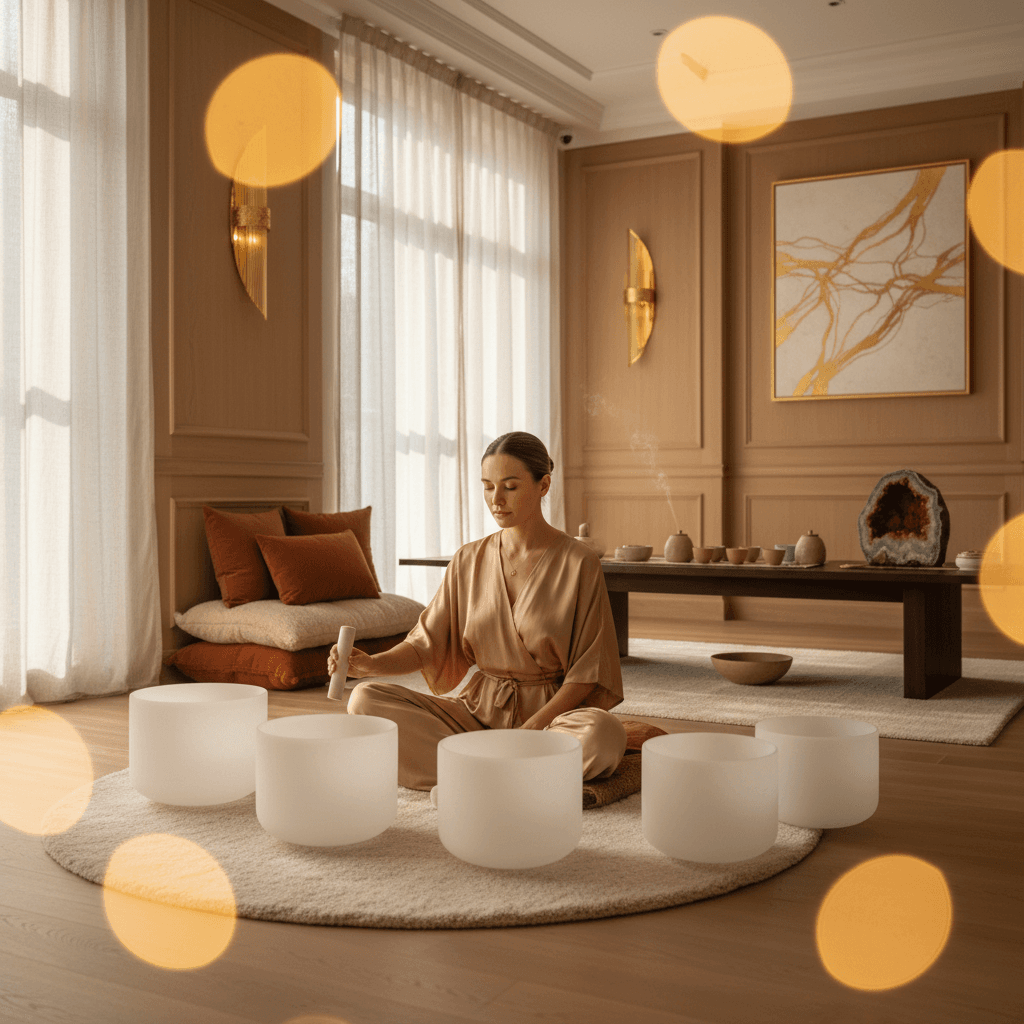
Imagine a child entering a serene space, filled with soft light and gentle textures. Instead of being asked to articulate their feelings, they are invited to simply be with the sounds around them. The resonance of a crystal bowl might wash over them, its vibrations creating a palpable sense of calm. The delicate chime of a bell could offer a moment of gentle distraction, drawing their attention to the present.
For a grieving child, sound can function much like "multi-use" toys in play therapy, as described by the Center for Loss and Bereavement. It's a medium without a fixed narrative, allowing the child to project their own thoughts and emotions onto the sonic landscape. The soothing frequencies may help to regulate their nervous system, moving them from states of anxiety or agitation into a more grounded and peaceful state. This physiological shift is crucial, as chronic stress can impede emotional processing.
During a sound wellness session, children are encouraged to simply listen, feel, and respond intuitively. They might lie down, close their eyes, or engage in gentle movement. The rich tapestry of sounds—perhaps the deep hum of a gong, the shimmering resonance of chimes, or the gentle ripple of a wave drum—creates a sonic container. Within this container, emotions that feel too big for words can begin to find an outlet. Tears might flow gently, or a sense of quiet peace might descend, all without the pressure of verbal explanation.
This process of engaging with sound may support the reduction of anxiety and feelings of isolation often experienced by grieving children. When they participate in a sound experience, especially in a guided setting, they may feel seen and heard without needing to speak. The shared experience, if in a group setting, or the focused attention in an individual session, can foster a sense of connection and comfort. Sound wellness provides a unique opportunity for remembrance and connection to the lost loved one, supporting the "continuing bonds" theory through an auditory and vibrational experience. It's a gentle, sensory-rich pathway to acknowledge, process, and integrate their grief.
The Soul Art Approach
At Soul Art, Larissa Steinbach and her team are dedicated to providing deeply empathetic and scientifically-informed sound wellness experiences. Our approach to supporting children through grief is bespoke, acknowledging that each child's journey is unique and sacred. We blend the ancient wisdom of sound healing with contemporary understanding of child psychology and bereavement, creating a sanctuary where young hearts can find solace.
Larissa Steinbach's philosophy centers on creating a safe, nurturing environment where children feel completely unpressured. Our sessions are carefully designed to be gentle, engaging, and attuned to the child's emotional and developmental stage. We utilize a curated selection of instruments known for their therapeutic qualities, including pure-tone crystal singing bowls, resonating Himalayan singing bowls, grounding gongs, delicate chimes, and expressive vocal toning. These instruments produce frequencies and vibrations that may help to calm the nervous system, reduce feelings of stress, and open pathways for emotional release.
We understand that for children, the idea of "saying goodbye" is not about forgetting, but about re-shaping their relationship with a loved one who is no longer physically present. Our sound experiences are crafted to support this continuing bond. Gentle soundscapes may evoke a sense of connection, facilitating memory recall and fostering an internal dialogue with the deceased. The non-verbal nature of sound allows children to access and express profound emotions that words often fail to capture.
Each session with Larissa Steinbach at Soul Art is more than just listening; it's an invitation to feel, to breathe, and to simply be. We encourage gentle breathwork and mindful presence, guiding children to connect with their inner landscape through the sensory richness of sound. The focus is always on creating a space for peace, emotional processing, and a renewed sense of hope, supporting their journey towards adaptive coping and resilience.
Your Next Steps
Navigating childhood grief is an immense challenge for any family, but there are proactive steps you can take to support a young heart through this difficult time. Integrating sound-based wellness practices can be a gentle yet powerful addition to their coping toolkit.
Here are some practical suggestions you can implement today:
- Create a Soothing Sound Environment: Introduce gentle, calming sounds into your child's daily routine. This could be soft nature sounds, instrumental music, or even the subtle hum of a singing bowl played softly before bedtime. These sounds may help regulate their nervous system and create a sense of security.
- Encourage Expressive Play with Sound: Provide opportunities for your child to explore sound creatively. Simple instruments like bells, chimes, or even homemade shakers allow them to express feelings through rhythm and melody without the need for words, fostering a safe outlet for complex emotions.
- Establish Sound-Based Memory Rituals: If appropriate, consider creating a ritual that incorporates sounds associated with the lost loved one. This might involve listening to their favorite calming music, or even a cherished recording of their voice. This practice may help reinforce continuing bonds and offer a comforting presence.
- Be Present and Observe: Remember that children express grief uniquely. Pay attention to changes in their play, mood, or sleep patterns. Your empathetic presence, combined with a supportive sound environment, can make a significant difference. If you observe persistent anxiety or distress, professional guidance is always recommended.
- Explore Professional Sound Wellness: Consider how a guided sound wellness session might benefit your child. A skilled practitioner like Larissa Steinbach at Soul Art can create a tailored experience, providing a neutral and supportive space for emotional processing and deep relaxation.
The journey through grief is long and winding, but no child needs to walk it alone. Supporting them with intentional, gentle practices like sound wellness can provide solace, connection, and a path toward healthy emotional integration.
In Summary
The loss of a loved one profoundly impacts a child, shaping their world in ways that often defy verbal expression. Scientific research reveals the unique endurance of auditory memory and the profound benefit of fostering continuing bonds with the deceased for long-term adjustment. For young hearts grappling with immense grief, the voice of a loved one or the comforting embrace of sound wellness may serve as an invaluable, non-verbal medium for connection and healing.
Sound provides a safe, expansive space where emotions can be felt, processed, and expressed without the pressure of words. At Soul Art, Larissa Steinbach and her team are dedicated to harnessing this power. Through bespoke sound experiences utilizing crystal bowls, gongs, and vocal toning, we offer a gentle, empathetic approach to supporting children in their grief journey. We invite you to explore how sound wellness at Soul Art may offer comfort, connection, and a renewed sense of peace for your child.
Bookings Coming Soon
Soul Art is still in preparation. Session details and booking will be published here after launch.
Coming Soon
Wellness Disclaimer: This article is for educational and informational purposes only. It does not constitute medical advice, diagnosis, or treatment. Soul Art Dubai provides non-medical wellness experiences focused on relaxation, stress management, and general wellbeing. Sound wellness is a complementary practice and should not replace professional medical care.
Related Articles

The Role of Sound in Cultural Death Practices
Death Doulas & Sound: Enhancing Peace in End-of-Life Journeys

Sound's Gentle Embrace: Supporting Late Alzheimer's with Sonic Wellness