Soundscapes for Heart Health: Supporting Cardiac Rehabilitation with Sound Wellness

Key Insights
Explore how sound wellness, offered by Soul Art Dubai and Larissa Steinbach, may complement cardiac rehabilitation by supporting stress reduction and nervous system balance for heart health.
Soundscapes for Heart Health: Supporting Cardiac Rehabilitation with Sound Wellness
Did you know that the simple act of listening to calming music or specific sound frequencies could potentially enhance the journey of cardiac rehabilitation? In a world increasingly conscious of holistic well-being, the integration of complementary practices like sound wellness is gaining significant attention, particularly for those navigating the path of heart health recovery.
Cardiac rehabilitation (CR) is a crucial, medically supervised program designed to help individuals recover from heart attacks, heart surgery, or other cardiovascular issues. It typically involves exercise training, education on heart-healthy living, and counseling to reduce stress. However, emerging research suggests that incorporating sound-based interventions may offer additional layers of support, making the rehabilitation process more comfortable and potentially more effective.
At Soul Art, Dubai’s premier sound wellness studio, founded by the visionary Larissa Steinbach, we explore the profound connection between sound, the nervous system, and overall well-being. This article delves into the scientific basis behind how sound wellness may support cardiac rehabilitation, offering insights into its practical applications and unique benefits. We will explore how sound can help regulate the body's stress response, improve mood, and potentially enhance the physiological markers associated with heart health.
The Science Explained
The human body is an intricate symphony of systems, constantly striving for balance. When it comes to heart health, the autonomic nervous system (ANS) plays a pivotal role, regulating involuntary functions like heart rate, breathing, and digestion. It comprises two main branches: the sympathetic nervous system, often associated with the "fight or flight" response, and the parasympathetic nervous system, responsible for "rest and digest." For individuals undergoing cardiac rehabilitation, fostering parasympathetic dominance is key to recovery and stress reduction.
Activating the Parasympathetic Nervous System
Research indicates that specific sound interventions, such as music therapy, may have a significant impact on the activity of the autonomic nervous system. A report concerning the effects of music on autonomic nerve activity after exercise highlighted intriguing findings. In a study comparing sedentary, music, bicycling, and bicycling plus music sessions, researchers observed that the "high frequency power," a biomarker of parasympathetic nerve activity, was significantly elevated in the music group (Bando et al., 2019). This suggests that music may increase parasympathetic activity and modify its response post-exercise.
"Consequently, music may have an efficacy of improving post-exercise parasympathetic reactivation, and may give a decrease in cardiac stress after exercise." — Bando et al., 2019
This fascinating insight underscores how targeted sound experiences may contribute to decreasing cardiac stress and supporting the heart's recovery process by encouraging the body's natural calming mechanisms.
Modulating Heart Rate and Exercise Perception
For many, adhering to an exercise regimen during cardiac rehabilitation can be challenging. This is where the power of sound becomes particularly relevant. Music, with its various components like rhythm, melody, harmony, tempo, and unique tones, can profoundly influence our perception and mood. By engaging with calming music during physical activity, some studies suggest that perceived exercise intensity can be reduced. This positive experience may then encourage individuals to continue their exercise therapy with greater comfort and a more positive outlook (Bando et al., 2019).
Furthermore, sound has been associated with directly influencing cardiac rhythm. Empirical evidence corroborates that music therapy may efficaciously modulate heart rate (PMC12362878). This is believed to occur by inducing a state of arousal within the autonomic nervous system, invigorating the sympathetic nervous system, and then modulating cardiac rhythm via the vagus nerve. The vagus nerve is a critical pathway in the parasympathetic system, often considered the body's main calming nerve. This modulation ultimately influences heart rate and can augment exercise efficiency, enhance motor functionality, and facilitate post-exercise heart rate recovery (PMC12362878).
Holistic Psychological and Physiological Benefits
Beyond direct cardiac effects, sound wellness offers broader support for individuals in cardiac rehabilitation by addressing common psychological challenges. Conditions such as anxiety, stress, and even mild depression are frequently experienced during recovery. The Ohio study on music therapy in cardiac rehabilitation patients explored its effectiveness in improving health-related outcomes. It reported pre- to post-music therapy session improvements, and findings suggested that some health-related outcomes, including systolic blood pressure, may be positively affected by participation in music therapy in addition to cardiac rehabilitation (pubmed.ncbi.nlm.nih.gov/17645384/). While follow-up data on anxiety, general health, and social functioning had limitations due to small sample sizes, the initial positive trends are promising.
Sound therapy techniques have become widespread over the past decades, primarily focusing on music, but also encompassing other types of sound stimulation. Ample evidence documents sound therapy’s integrative impact on psycho-emotional and physiological outcomes, making it a helpful complementary practice for stress-related conditions. This includes its potential to alleviate anxiety and promote overall mental well-being, which is invaluable during a vulnerable recovery period (researchprotocols.org/2024/1/e54030/). The comprehensive approach of cardiac rehabilitation itself, which combines exercise with relaxation techniques, diet, and meditation, has been shown to improve quality of life (QOL) for patients (PMC3730461). Sound wellness, as a form of relaxation and focused meditation, fits perfectly within this holistic framework.
How It Works in Practice
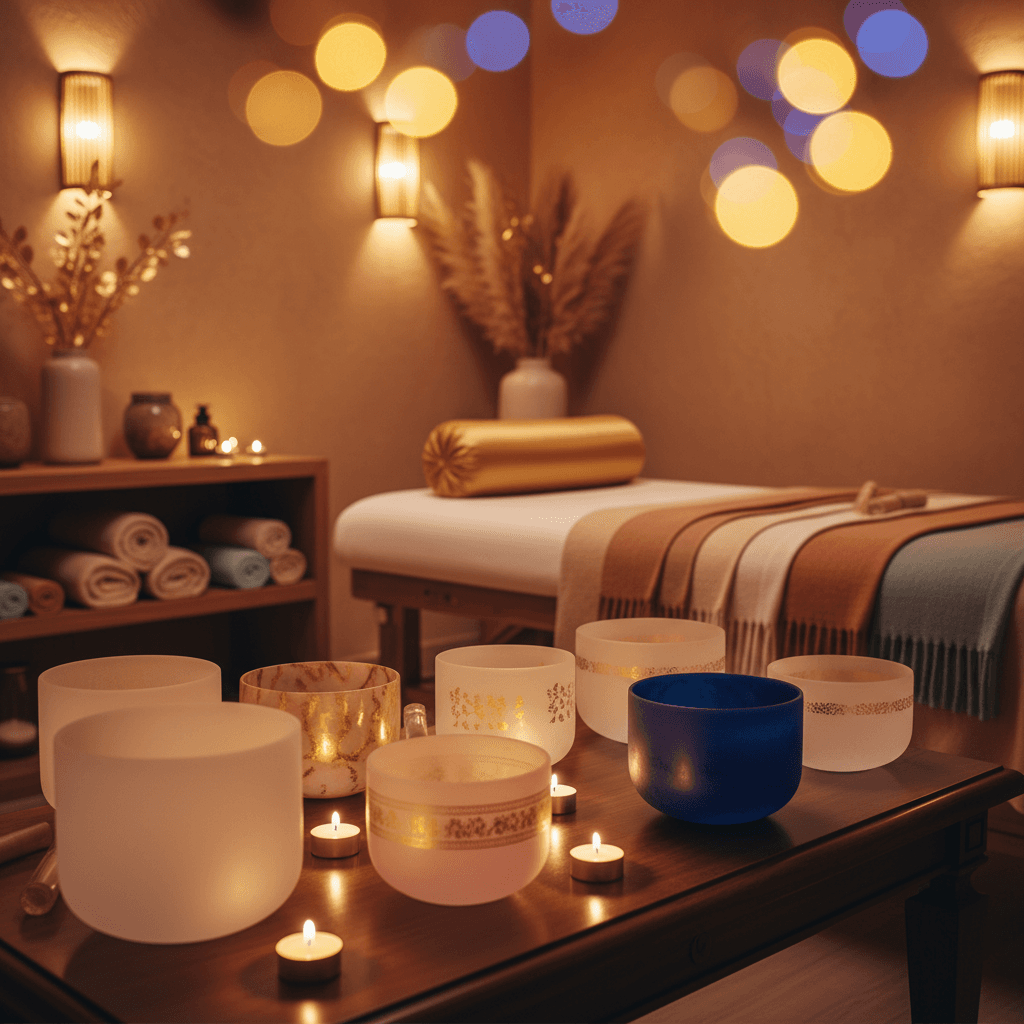
At Soul Art, a sound wellness session transcends mere listening; it is an immersive, sensory experience designed to guide the body into a profound state of relaxation and equilibrium. Clients often lie comfortably, enveloped in a cocoon of warmth and soft lighting, as the carefully curated sounds begin to wash over them. This is not passive entertainment, but rather an active engagement with frequencies and vibrations.
The instruments, such as crystal singing bowls, gongs, and chimes, produce rich, resonant tones that create a deep vibrational field. These vibrations are not only heard but also felt within the body, gently massaging cells and tissues. This physical sensation of vibration is believed to encourage the relaxation of muscles and the release of tension that often accumulates during periods of stress or recovery. As the body relaxes, the breathing naturally deepens and slows, a key indicator of parasympathetic nervous system activation.
Each sound session at Soul Art is carefully structured to create a journey of sonic exploration. Different frequencies are used to target various energetic centers or to induce specific states of mind, from gentle awakening to profound calm. The rhythmic quality of some sounds, much like a steady heartbeat, can help to synchronize brainwave patterns, moving them from states of high activity (beta waves) to more relaxed, meditative states (alpha and theta waves). This shift can lead to reduced mental chatter, heightened awareness of the present moment, and a feeling of inner peace.
Clients often report a significant reduction in perceived stress, a sense of mental clarity, and an improvement in mood following a session. The experience is deeply personal, with each individual resonating uniquely with the sound frequencies. For those in cardiac rehabilitation, this profound relaxation can be incredibly restorative, offering a sanctuary from anxiety and discomfort and supporting the body's innate capacity for balance and self-regulation. The gentle nature of sound wellness makes it an accessible and enjoyable complementary practice for nearly anyone seeking to enhance their well-being journey.
The Soul Art Approach
Founded by Larissa Steinbach, Soul Art Dubai embodies a philosophy that recognizes the profound connection between mind, body, and spirit, believing that true well-being blossoms from within. Larissa's approach to sound wellness is rooted in a deep understanding of ancient wisdom fused with contemporary scientific insights, creating experiences that are both deeply transformative and scientifically informed. She meticulously crafts each session to provide a unique journey towards inner harmony, focusing on the therapeutic potential of sound frequencies and vibrations.
What makes the Soul Art method unique is its dedication to a holistic wellness experience, not just symptom management. Larissa Steinbach and her team carefully select and play a diverse range of sacred instruments, each chosen for its specific vibrational qualities and ability to resonate with the human body. These include:
- Crystal Singing Bowls: Made from pure quartz, these bowls produce pure, sustained tones and powerful vibrations that are believed to align with the body's energetic centers. Their ethereal sounds are often used to induce deep relaxation and meditative states.
- Gongs: Reverberating with expansive and complex overtones, gongs create an immersive sound bath that can facilitate profound release and introspection. Their powerful vibrations are known for breaking through energetic blockages and promoting a sense of renewal.
- Tuning Forks: These precise instruments offer focused frequencies, often used for targeted energy work and to support specific areas of the body or mind. They are valued for their ability to bring a sense of balance and harmony.
- Chimes and Other Percussion: Used to add texture, sparkle, and gentle shifts in the soundscape, these instruments enhance the overall sensory experience, creating a rich tapestry of sound.
Larissa's expertise lies not just in playing these instruments, but in creating a coherent, therapeutic soundscape that guides participants towards a state of optimal relaxation and self-regulation. For individuals seeking complementary support during cardiac rehabilitation, Soul Art sessions are designed to cultivate a profound sense of calm, reduce physiological stress markers, and promote emotional well-being. The intention is always to support the body's natural restorative processes, fostering a positive environment for healing and recovery, all within a luxurious and serene setting that Soul Art is renowned for.
Your Next Steps
Embracing sound wellness as a complementary practice to support your cardiac rehabilitation journey is a thoughtful step towards holistic well-being. While sound wellness is not a replacement for medical care, it can be a powerful ally in managing stress and promoting relaxation. Here are some actionable steps you can consider:
- Consult Your Healthcare Provider: Always discuss any complementary wellness practices with your doctor or cardiac rehabilitation team. Ensure sound wellness is appropriate for your specific condition and recovery plan.
- Explore Reputable Sound Wellness Studios: Seek out studios like Soul Art in Dubai, which prioritize professional guidance, serene environments, and a clear understanding of wellness protocols. Look for practitioners who are experienced and knowledgeable in creating therapeutic soundscapes.
- Start Gently with Relaxation: Begin with guided meditations or gentle sound baths that focus on relaxation and stress reduction. Pay attention to how your body and mind respond to the experience, and allow yourself to simply be present with the sounds.
- Incorporate Mindful Listening at Home: Even familiar calming music can be a form of sound wellness. Choose pieces that evoke peace and listen attentively, noticing the melodies, rhythms, and your own breath. Make this a regular self-care ritual.
- Prioritize Hydration and Rest: To fully benefit from any wellness practice, ensure you are well-hydrated and getting adequate rest. These foundational elements amplify the positive effects of practices like sound bathing.
By integrating these steps, you may unlock a deeper sense of calm and support your body's natural ability to restore balance, enhancing your overall well-being as you progress through your cardiac rehabilitation journey.
In Summary
The journey of cardiac rehabilitation is a profound commitment to health, and exploring complementary wellness practices can significantly enhance this path. Sound wellness, with its scientifically suggested ability to activate the parasympathetic nervous system, modulate heart rate, reduce perceived exercise intensity, and alleviate stress, offers a powerful, non-invasive support system. It's a holistic approach that nurtures the mind and body, providing a sanctuary for relaxation and inner calm during a crucial recovery period.
At Soul Art, Larissa Steinbach's vision brings these therapeutic benefits to life, offering meticulously crafted sound experiences designed to foster equilibrium and well-being. By embracing the gentle yet profound power of sound, individuals in cardiac rehabilitation may find an invaluable tool to reduce cardiac stress, improve mood, and cultivate a deeper sense of peace. This commitment to holistic care underscores Soul Art's mission: to support your journey towards optimal health through the transformative frequencies of sound.
Bookings Coming Soon
Soul Art is still in preparation. Session details and booking will be published here after launch.
Coming Soon
Wellness Disclaimer: This article is for educational and informational purposes only. It does not constitute medical advice, diagnosis, or treatment. Soul Art Dubai provides non-medical wellness experiences focused on relaxation, stress management, and general wellbeing. Sound wellness is a complementary practice and should not replace professional medical care.
Related Articles
Vibration Therapy for Plantar Fasciitis: A Holistic Path to Foot Wellness
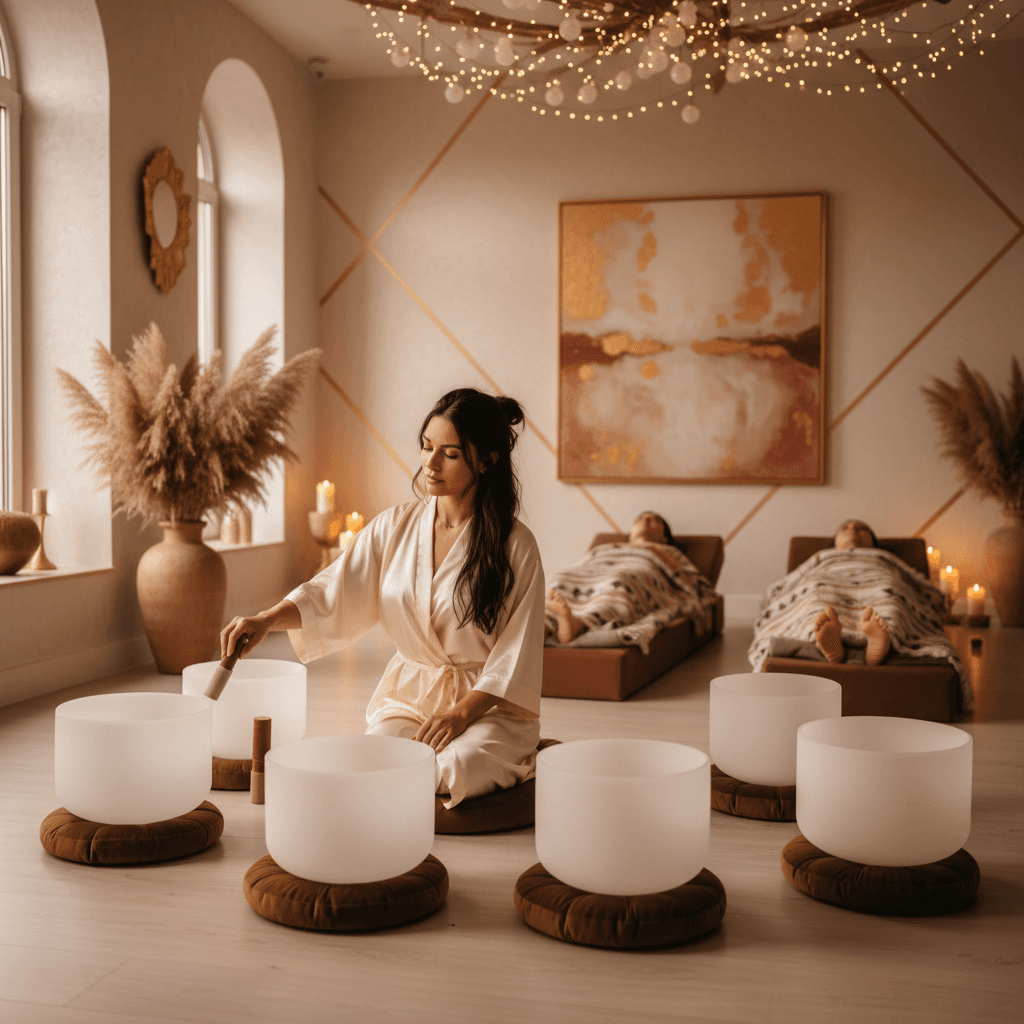
Frozen Shoulder: Sound Support for Enhanced Mobility & Ease
Harmonizing Breath: How Sound Wellness May Support Sleep Apnea Management