Breathlessness to Bliss: Sound's Role in Respiratory Ease
Key Insights
Explore how sound influences the perception of breathlessness and supports respiratory ease. Discover Soul Art's unique approach with Larissa Steinbach.
Have you ever noticed how a sudden, startling noise can make you gasp, or a gentle melody can deepen your breath? Our respiratory system, a marvel of biological engineering, is profoundly interconnected with our auditory perception and emotional state. The very act of breathing, often taken for granted, can become a source of distress when challenged by breathlessness, a sensation that impacts millions globally.
At Soul Art Dubai, founded by the visionary Larissa Steinbach, we explore the intricate dance between sound and the body's natural rhythms. This article delves into the fascinating science behind how sound influences our perception of respiratory ease, offering insights into a complementary approach to wellbeing. Discover how carefully curated soundscapes can guide you towards a calmer, more expansive breath, fostering a profound sense of peace and improving your overall quality of life. We will uncover how understanding the subjective experience of breathlessness can unlock new pathways to comfort and serenity through sound.
The Science of Sound, Perception, and Respiratory Ease
The experience of breathlessness, or dyspnea, is a complex phenomenon involving physiological, psychological, and environmental factors. While often linked to objective lung function, groundbreaking research highlights the significant role that our perception – particularly our auditory perception – plays in how we experience and report breathlessness. This subjective component is where sound wellness may offer a gentle, yet powerful, pathway to ease.
The Auditory-Perceptual Link
Our brains are constantly interpreting signals from our environment and our own bodies. When it comes to breathing, what we hear, both externally and internally, can profoundly shape our sensation of effort or ease. Studies indicate a powerful, often subconscious, connection between specific respiratory sounds and our subjective experience of breathlessness.
For instance, research published in PubMed, investigating children with asthma, revealed a striking finding: the amount of perceived wheezing correlated significantly with reported breathlessness, even more so than objective lung function. In one experiment, asthmatic children reported significantly more breathlessness when exposed to false feedback of wheezing compared to quiet respiratory sounds or no sound. This suggests that the auditory cue itself can amplify the feeling of breathlessness, independent of actual physical limitation.
Similarly, a public experiment detailed in PMC found that listening to audio recordings of breathlessness resulted in a noticeable increase in participants' self-reported breathlessness. The sounds of breathlessness caused by anxiety or exercise were more readily identified, perhaps because these are more familiar auditory experiences. This underscores the potent influence of sound on our internal state, demonstrating that sounds associated with struggle can heighten our own perceived distress. The implication is clear: if certain sounds can exacerbate the feeling of breathlessness, then carefully chosen, calming sounds may help mitigate it.
The Nervous System Connection
Breathlessness is not solely a physical sensation; it is often intertwined with anxiety and stress. When we feel breathless, our body can interpret this as a threat, activating the sympathetic nervous system – our "fight or flight" response. This can lead to increased heart rate, muscle tension, and shallow, rapid breathing, further intensifying the feeling of breathlessness and creating a vicious cycle.
Sound, however, possesses a remarkable ability to influence our autonomic nervous system. Harmonious and resonant sound frequencies can gently guide the body out of this heightened state, promoting a shift towards the parasympathetic nervous system – our "rest and digest" mode. This physiological shift is crucial for fostering respiratory ease. When the nervous system calms, muscles relax, and the body can return to a more natural, unforced breathing pattern.
"The subtle vibrations of sound can whisper to our nervous system, inviting it to release tension and embrace a deeper rhythm, transforming a struggle for breath into an experience of expansive calm."
Calming sounds may reduce the production of stress hormones like cortisol, further supporting a state conducive to relaxed breathing. By creating an auditory environment of safety and tranquility, sound wellness helps to interrupt the anxiety-breathlessness loop, allowing the individual to experience greater peace and control over their subjective sensation of breath. This complementary approach does not address underlying medical conditions, but rather supports the individual's mental and emotional resilience in the face of breathlessness.
The Power of Intentional Respiration
Beyond its direct influence on the nervous system, sound wellness can also support the practice of intentional breathing techniques. Research consistently demonstrates the benefits of specific breathing exercises, such as pursed-lip and diaphragmatic breathing, as well as yoga breathing, in improving the perception of breathlessness and enhancing health-related quality of life for individuals experiencing respiratory challenges. A systematic review published in PubMed noted that breathing techniques may improve breathlessness and consistently improve health-related quality of life in people with serious respiratory illness.
While these techniques focus on altering the respiratory pattern, the presence of a calming soundscape can significantly enhance their effectiveness. Gentle sounds can act as a focal point, drawing awareness to the breath and making it easier to maintain a slower, deeper, and more deliberate rhythm. The rhythmic patterns within sound can synchronize with and encourage more mindful inhalation and exhalation, supporting the body in finding its natural cadence. This synergy between sound and intentional breathing creates a powerful tool for self-regulation and promoting a sense of ease.
By providing a non-invasive, gentle, and engaging environment, sound wellness practices may complement these breathing techniques, making them more accessible and enjoyable. This holistic approach supports the mind-body connection, fostering a greater sense of control and empowerment over one's breathing experience.
How It Works in Practice
Imagine stepping into a sanctuary of calm, where every element is designed to soothe and restore. This is the experience offered at Soul Art, where the scientific understanding of sound's influence on breathlessness translates into a profound, practical experience. Here, sound is not just heard; it is felt, enveloping the body in a gentle wave of vibrations.
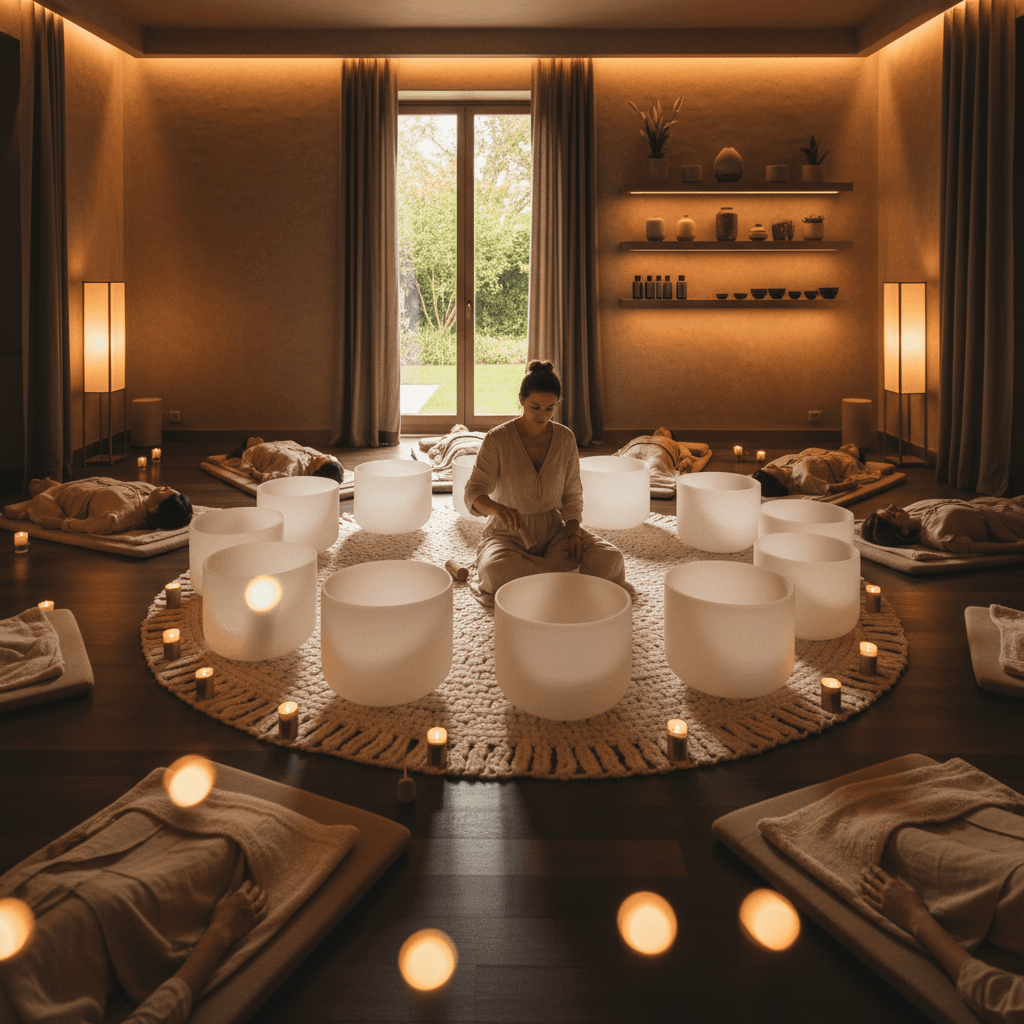
During a sound wellness session, clients recline in a comfortable position, surrounded by an ambient tapestry of specially chosen sounds. These may include the deep, resonant tones of Himalayan singing bowls, the expansive hum of gongs, the delicate chime of wind instruments, or the soft, rhythmic pulsations of nature-inspired soundscapes. The intention is to create a multi-sensory environment that encourages deep relaxation and a shift in internal focus.
As the sounds wash over them, clients often report a distinct feeling of tension melting away. The vibrations are not merely auditory; they are tactile, resonating through the body's tissues and fluids. This cellular massage may facilitate a release of physical stress stored in the diaphragm and intercostal muscles, which are crucial for unimpeded breathing. The continuous, harmonious frequencies provide a gentle anchor for the mind, diverting attention from any perceived struggle and encouraging a natural lengthening and deepening of the breath.
Many people report that the sounds help them drop into a meditative state, where the constant chatter of the mind subsides. In this tranquil space, the body's innate ability to self-regulate is enhanced. The breath naturally begins to slow, becoming fuller and more consistent. The experience moves beyond mere listening; it becomes an active participation in the co-creation of an internal state of respiratory ease and profound relaxation.
The benefits extend beyond the session itself. Clients often leave feeling lighter, calmer, and with a renewed awareness of their breath. This enhanced body awareness and reduced anxiety can empower them to approach daily life with greater serenity, positively influencing their overall wellbeing and the subjective experience of their breathing.
The Soul Art Approach
At Soul Art Dubai, Larissa Steinbach has meticulously crafted a unique sound wellness experience that harmonizes scientific understanding with intuitive artistry. Her approach is rooted in the belief that sound, when intentionally applied, can serve as a powerful catalyst for profound self-discovery and holistic healing. It is not just about playing instruments; it is about creating a vibrational tapestry tailored to foster a deep sense of peace and support respiratory ease.
Larissa's method at Soul Art distinguishes itself through several key aspects. Firstly, it integrates the principles of psychoacoustics – the study of how sound affects the human mind and body – ensuring that every soundscape is thoughtfully constructed for maximum benefit. She carefully selects instruments known for their rich overtone series and resonant qualities, such as crystal singing bowls, therapeutic gongs, and precisely tuned chimes. These instruments produce complex sound waves that are believed to interact gently with the body's energy fields, encouraging a state of balance and coherence.
Secondly, the Soul Art experience is deeply intuitive and client-focused. Larissa Steinbach understands that each individual's journey with breathlessness is unique, shaped by their personal history and current state of being. Sessions are designed to be a safe, nurturing space where clients can surrender to the sounds, allowing their bodies to release tension and their minds to find stillness. This personalized approach fosters a deeper connection to one's own breath and inner wisdom.
Specific techniques employed include harmonic resonance, where overlapping frequencies create a profound sense of unity and calm, and rhythmic entrainment, where the steady, gentle pulses of sound help to regulate brainwave activity and encourage deeper relaxation. By working with these principles, Soul Art aims to gently guide the body's natural processes towards greater equilibrium. Larissa’s expertise ensures that the sound environment facilitates a nervous system reset, promoting the deep exhalation necessary for complete respiratory relaxation. This signature blend makes Soul Art a premier destination for those seeking a sophisticated yet deeply impactful wellness experience.
Your Next Steps
Empowering yourself with tools for respiratory ease and overall wellbeing is a journey that begins with intention. Integrating sound wellness practices into your routine may offer a gentle yet powerful pathway to a calmer breath and a more peaceful state of mind. Here are some actionable steps you can take today to begin exploring this profound connection:
- Mindful Breathing Moments: Throughout your day, pause for a few minutes. Close your eyes and simply listen to your own breath. Notice its rhythm, depth, and the subtle sounds it makes. This simple act of awareness, without judgment, can foster a deeper connection to your respiratory system.
- Curate Calming Soundscapes: Explore online resources for ambient nature sounds, gentle instrumental music, or guided meditations that incorporate sound. Listen to these during moments of stress or before sleep to help calm your nervous system and support relaxed breathing.
- Practice Diaphragmatic Breathing: Lie down with one hand on your chest and the other on your abdomen. Inhale deeply, allowing your belly to rise, keeping your chest relatively still. Exhale slowly through pursed lips, feeling your belly fall. This foundational technique, as supported by research, can significantly enhance respiratory comfort.
- Limit Exposure to Distressing Sounds: Be mindful of how environmental noises impact your state. If certain sounds contribute to anxiety or a sense of urgency, seek to minimize your exposure or counteract them with soothing alternatives.
- Explore Sound Wellness: Consider booking a session at Soul Art Dubai. Experience firsthand how the expert guidance of Larissa Steinbach and the immersive power of therapeutic sound can support your journey towards greater respiratory ease and overall wellbeing.
Bookings Coming Soon
Soul Art is still in preparation. Session details and booking will be published here after launch.
Coming Soon
In Summary
The subjective experience of breathlessness is profoundly influenced by sound, with research demonstrating how auditory cues can amplify or diminish our perception of respiratory effort. At Soul Art, we harness this powerful mind-body connection to foster greater ease and wellbeing. Through carefully curated soundscapes, Larissa Steinbach guides clients into a state of deep relaxation, gently shifting the nervous system and supporting intentional breathing techniques. This complementary approach may alleviate the distress associated with breathlessness, offering a pathway to a calmer, more expansive breath and an enhanced quality of life. Discover the transformative potential of sound and embrace a new level of respiratory comfort with Soul Art.
Related Articles
The Role of Sound in Cultural Death Practices
Death Doulas & Sound: Enhancing Peace in End-of-Life Journeys

Sound's Gentle Embrace: Supporting Late Alzheimer's with Sonic Wellness