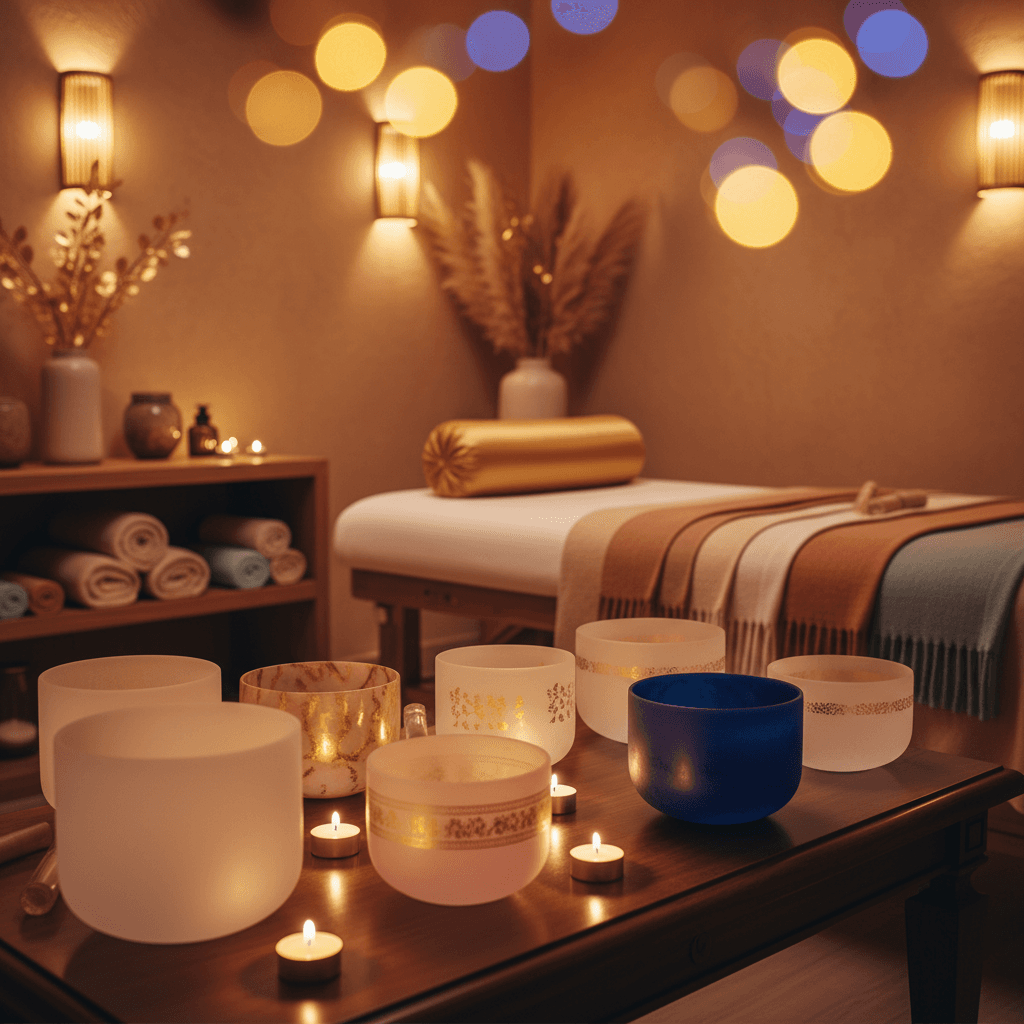
Sound Frequencies for Blood Pressure Wellness
Key Insights
Explore how targeted sound wellness practices, like those at Soul Art by Larissa Steinbach, may support healthy blood pressure regulation.
Could the gentle hum of a singing bowl or the harmonious vibrations of a gong offer more than just a moment of calm? For many, the profound relaxation induced by sound wellness extends far beyond mere mental tranquility. Emerging research suggests that incorporating specific sound experiences into one's routine may play a supportive role in an often-overlooked aspect of physical health: blood pressure regulation.
In a world where stress is a pervasive force, impacting our cardiovascular systems profoundly, exploring holistic approaches to wellbeing becomes increasingly vital. At Soul Art Dubai, founded by the visionary Larissa Steinbach, we delve into the scientifically-backed potential of sound to bring the body and mind into a state of balance. This journey into sound may help cultivate a more harmonious internal environment, which has been associated with maintaining healthy blood pressure levels.
The Science Explained: How Sound Influences Blood Pressure
The intricate dance of our physiological systems is constantly influenced by our environment, and auditory stimuli are no exception. The concept of sound influencing blood pressure is rooted in our body’s primal response mechanisms, particularly the autonomic nervous system. This system governs involuntary bodily functions, including heart rate, digestion, and crucially, blood pressure.
The Autonomic Nervous System and Stress Response
Our autonomic nervous system operates in two primary modes: the sympathetic and parasympathetic. The sympathetic nervous system, often dubbed the "fight or flight" response, prepares the body for action by increasing heart rate, constricting blood vessels, and elevating blood pressure. Conversely, the parasympathetic nervous system, or "rest and digest" mode, promotes relaxation, slows the heart, and dilates blood vessels, thereby helping to lower blood pressure.
Chronic stress can lead to an overactivation of the sympathetic nervous system, keeping our bodies in a prolonged state of heightened alert. This sustained tension contributes significantly to elevated blood pressure, making relaxation a key component in its management. Sound wellness practices aim to gently guide the body from a sympathetic-dominant state into a more parasympathetic-driven one.
Auditory Pathways and Physiological Impact
When we listen to sound, the auditory signals travel from our ears to the brain, first processed by the auditory cortex. From there, these signals reach deeper brain regions, including the limbic system, which is responsible for emotions and memory. Key structures within the limbic system, such as the amygdala and hypothalamus, play a crucial role in regulating stress responses and, subsequently, cardiovascular functions.
Exposure to soothing sounds, particularly those rich in harmonic frequencies and rhythmic patterns, may trigger a cascade of beneficial physiological responses. This can include the release of neurochemicals like serotonin, dopamine, and oxytocin, which are associated with feelings of well-being, reduced anxiety, and social bonding. These neurochemical shifts contribute to a calmer internal state, which in turn may positively influence blood pressure.
Empirical Evidence: Sound and Blood Pressure Studies
Several studies have explored the direct impact of music and sound on blood pressure. A significant systematic review and randomized controlled trials have indicated that relaxation music, when employed consistently over periods ranging from six weeks to six months, may reduce systolic blood pressure (SBP). These benefits have been observed across various demographics, including the elderly population, hospitalized pre-hypertensive pregnant women during their third trimester, and even individuals with stage 2 hypertension.
One compelling study focused on pre-hypertensive young adults, aged 18 to 25, who engaged in four weeks of music therapy. The findings revealed a statistically significant reduction in SBP, dropping from an average of 128.67 mmHg to 119.94 mmHg. This represented a substantial decrease of 8.73 mmHg with a p-value of less than 0.001, suggesting that music could be a valuable tool for supporting SBP reduction in this demographic.
While diastolic blood pressure (DBP) saw a slight reduction in this particular study, which was not statistically significant, other research provides a broader perspective. Studies by Teng et al. and Pal et al., for instance, have reported significant DBP reductions in young adults and the elderly, respectively, through relaxation music therapy. This suggests that the impact on DBP may vary depending on the specific intervention and population studied.
"The subtle yet profound interaction between intentional sound and our nervous system offers a potent pathway to inner harmony, potentially resetting our physiological responses away from chronic stress and towards a state of balanced wellbeing."
Further research highlights that the quality and intent behind the music are critical. Studies have shown that music generated algorithmically without aesthetic consideration did not affect participants' blood pressure, although it did slow their heart rates. This underscores the importance of expressive music, where intentional and aesthetic interactions between musical features are believed to drive its physiological impact.
Natural Sounds and Specific Frequencies
Beyond structured music, exposure to natural sounds also demonstrates significant benefits. Research indicates a statistically significant difference in heart rate, blood pressure, and respiratory rate between individuals exposed to natural sounds and those in a quiet environment. Mixed natural sounds, such as birdsong, cicadas, and the gentle flow of water, showed a medium effect in stress reduction, potentially contributing to lower blood pressure.
Specific sound parameters are also being investigated for their potential effects. Music tuned to 432 Hz, for example, is thought by some to align more closely with the natural resonant frequencies of the human body. Preliminary studies suggest that this tuning may effectively reduce anxiety and lower cortisol levels, both of which are factors that can indirectly influence blood pressure. Optimal music interventions are often described as instrumental, patient-selected, played at a volume around 60 dB, and having a tempo ranging between 60 and 90 beats per minute. These parameters aim to create an environment conducive to deep relaxation and physiological recalibration.
How It Works in Practice: The Sound Wellness Experience
Connecting these scientific insights to a real-world application reveals the powerful potential of sound wellness sessions. Imagine stepping into a tranquil space, carefully designed to envelop your senses in serenity. This is where the theoretical framework of sound's influence on the body transforms into a tangible experience.
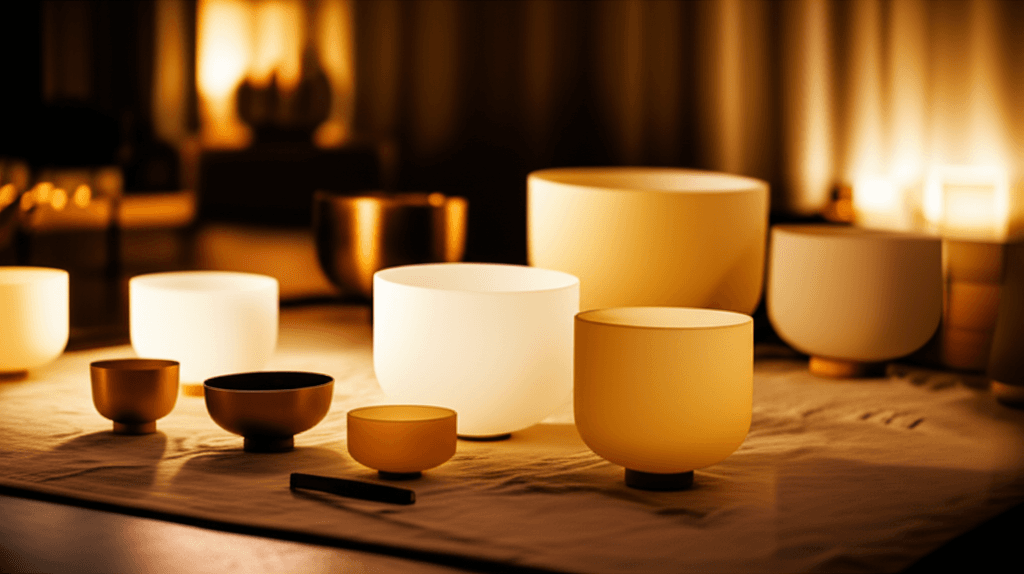
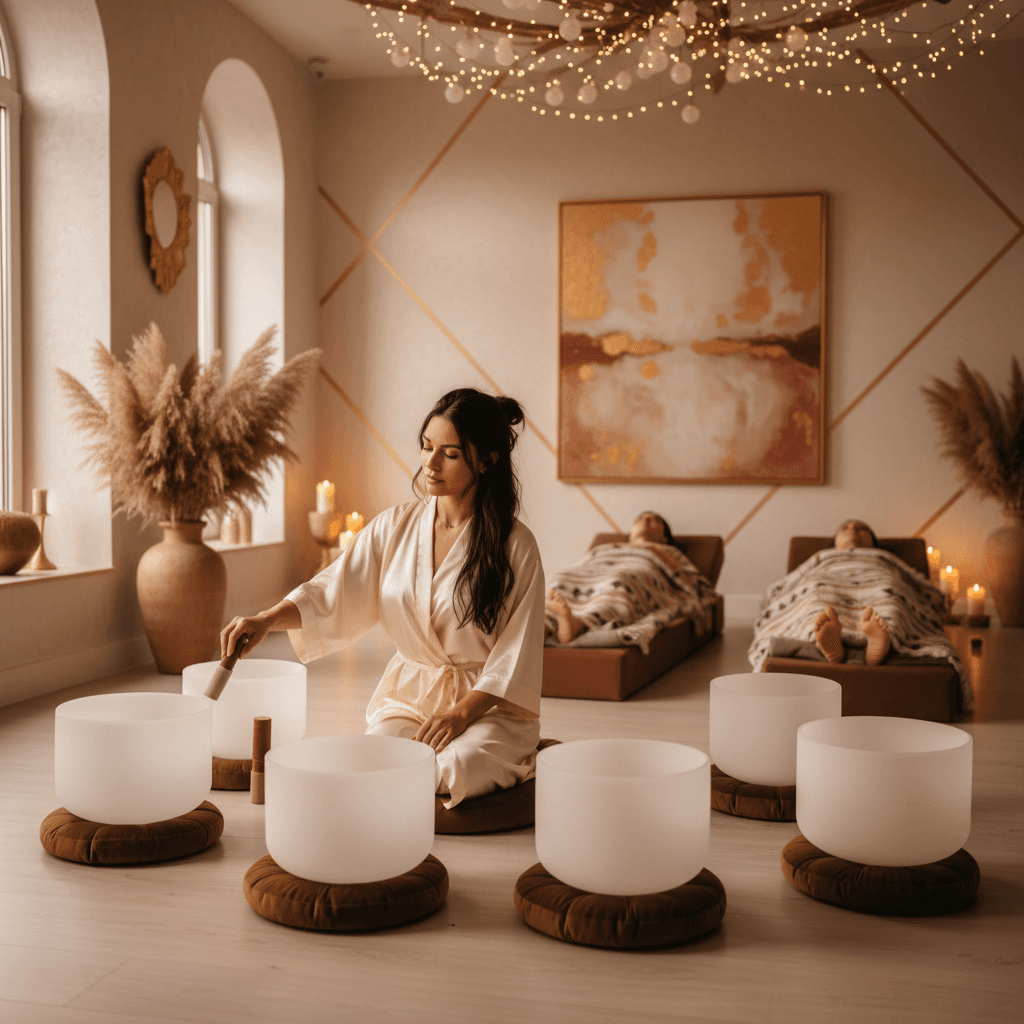
During a sound wellness session, clients typically lie comfortably, allowing their bodies to fully relax. The practitioner, often using instruments like crystal singing bowls, Himalayan bowls, gongs, and chimes, creates a rich tapestry of sounds and vibrations. These sounds are not merely listened to; they are felt, resonating deep within the body's tissues and cells.
The intentional frequencies and harmonious tones encourage the brain to shift into slower brainwave states, such as alpha (relaxed) and theta (deep relaxation, meditation). This shift helps quiet the incessant chatter of the mind, allowing the nervous system to ease out of its stress response. As the body enters this profound state of relaxation, several physiological changes may occur.
Breathing often becomes slower and deeper, a natural response to the parasympathetic nervous system taking over. This deeper breathing, combined with the relaxing auditory input, may contribute to a reduction in heart rate and a gentle dilation of blood vessels. Many people report a sense of warmth, tingling, or a feeling of release as tension melts away from their muscles. This comprehensive sensory and physiological shift is what makes sound wellness a potent complementary approach to managing stress and supporting overall cardiovascular wellbeing.
The Soul Art Approach: Larissa Steinbach's Unique Method
At Soul Art Dubai, Larissa Steinbach has meticulously crafted a unique sound wellness experience that harmonizes ancient wisdom with contemporary scientific understanding. Her approach transcends a simple listening session; it is an immersive journey designed to guide clients towards profound states of relaxation and inner balance, which may support healthy blood pressure regulation.
Larissa's method is characterized by several key elements:
- Curated Soundscapes: Each session involves carefully selected instruments and sonic compositions. This is not arbitrary music but intentionally designed soundscapes that leverage the principles of specific frequencies and harmonic resonance known to promote relaxation and nervous system recalibration.
- Precision Instruments: Soul Art utilizes a diverse array of high-quality instruments, including authentic crystal singing bowls, hand-hammered Himalayan singing bowls, powerful gongs, and delicate chimes. These instruments are chosen for their purity of tone and their ability to generate resonant vibrations that can be deeply felt throughout the body.
- Intentional Frequencies: While the specific frequencies may vary, Larissa often incorporates principles like the 432 Hz tuning, which is believed to resonate harmoniously with the human body's natural rhythms. The precise tempo and volume are also carefully managed to create an optimal environment for promoting a "rest and digest" state.
- Holistic Guidance: Beyond the sound itself, Larissa provides empathetic and professional guidance, creating a safe and nurturing space. This holistic approach ensures that clients feel supported throughout their journey, maximizing the potential for deep relaxation and physiological benefits.
The Soul Art method acknowledges that while blood pressure regulation is complex, supporting the body's natural relaxation response through sound is a powerful complementary tool. Larissa Steinbach’s dedication to a "quiet luxury" experience means every detail, from the ambient lighting to the comfort of the space, is designed to enhance the effectiveness of the sound journey, fostering a sanctuary where the body can find its natural equilibrium.
Your Next Steps: Integrating Sound for Wellness
Incorporating sound into your daily life for potential blood pressure wellness does not require an immediate overhaul of your routine. It’s about introducing mindful practices that support your nervous system and overall health. Here are a few actionable steps you can implement today:
- Mindful Listening Practice: Dedicate 10-15 minutes daily to listening to calming instrumental music, nature sounds, or guided meditations. Focus on the sensations in your body and your breath.
- Create a Serene Environment: Use sound to transform your personal space. Play soft, ambient music or natural soundscapes during moments of rest, before sleep, or during activities that require focus to help reduce background stressors.
- Explore Specific Frequencies: Consider experimenting with music or sound baths that utilize frequencies like 432 Hz, which some individuals find particularly soothing and conducive to relaxation.
- Practice Deep Breathing with Sound: Combine deep, diaphragmatic breathing exercises with calming sounds. Inhale slowly to the rhythm of gentle music and exhale completely, noticing how the sound helps anchor your focus.
- Consult Your Healthcare Provider: Remember that sound wellness is a complementary approach. If you have concerns about your blood pressure, please consult with your doctor or healthcare professional for medical advice and treatment plans.
In Summary
The intricate connection between sound, our nervous system, and blood pressure regulation is a fascinating and evolving field of wellness. Scientific evidence increasingly suggests that relaxation-inducing sounds, whether carefully curated music or the gentle hum of natural elements, may play a supportive role in reducing systolic blood pressure and promoting a state of physiological calm. This holistic approach empowers individuals to manage stress and foster a more balanced internal environment.
At Soul Art Dubai, Larissa Steinbach and her dedicated team offer meticulously crafted sound wellness experiences designed to unlock the profound benefits of intentional sound. By embracing sound as a powerful self-care practice, you may discover a gentle yet effective pathway to enhanced wellbeing and support for your cardiovascular health.
Bookings Coming Soon
Soul Art is still in preparation. Session details and booking will be published here after launch.
Coming Soon
Wellness Disclaimer: This article is for educational and informational purposes only. It does not constitute medical advice, diagnosis, or treatment. Soul Art Dubai provides non-medical wellness experiences focused on relaxation, stress management, and general wellbeing. Sound wellness is a complementary practice and should not replace professional medical care.
Related Articles
Vibration Therapy for Plantar Fasciitis: A Holistic Path to Foot Wellness
Frozen Shoulder: Sound Support for Enhanced Mobility & Ease

Harmonizing Breath: How Sound Wellness May Support Sleep Apnea Management