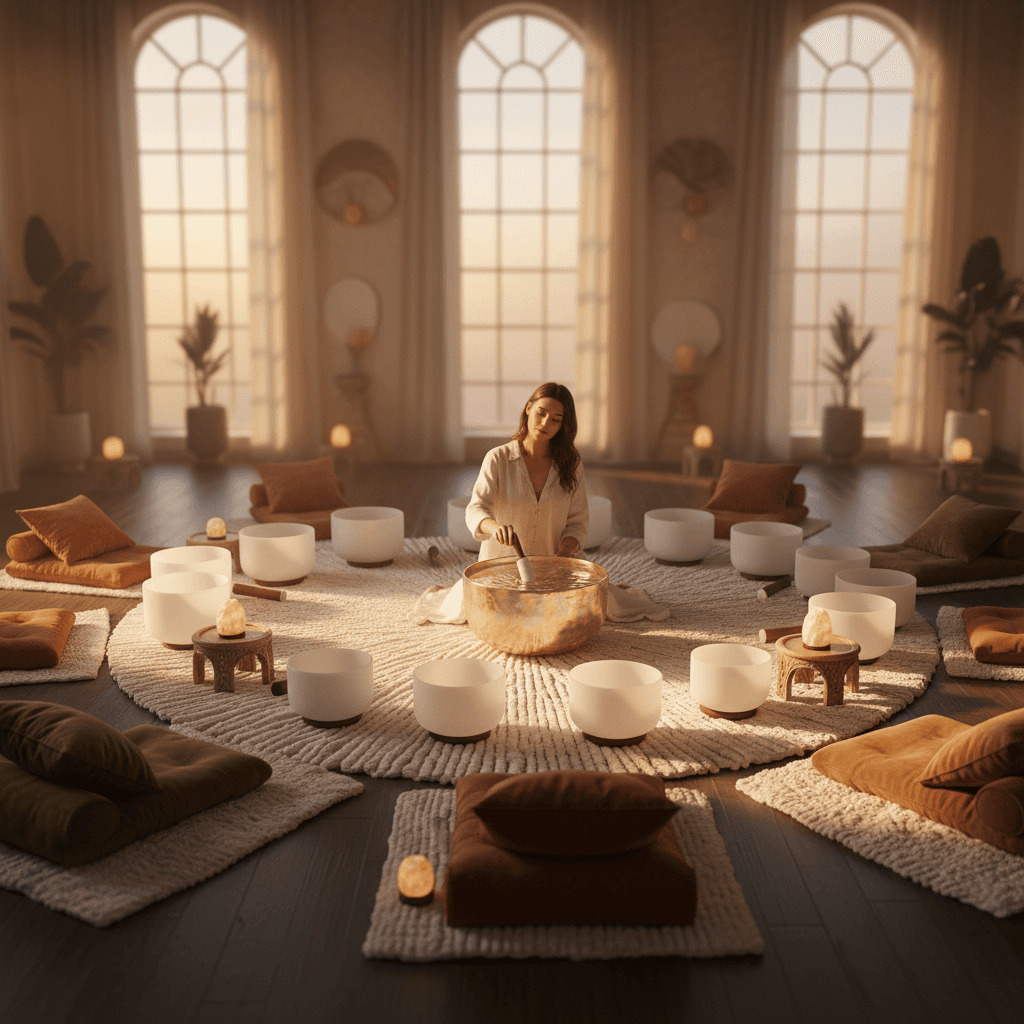
Sound's Gentle Embrace: Calming End-of-Life Anxiety with Sonic Wellness
Key Insights
Discover how scientifically-backed sound wellness techniques from Soul Art, led by Larissa Steinbach, offer profound calm and comfort for end-of-life anxiety.
A Resonant Path to Peace: Calming Anxiety at Life's End
Imagine a pervasive disquiet, a constant hum of worry that overshadows the precious moments at the very end of life. For nearly half of all home hospice patients, moderate to severe anxiety is a stark reality in their final weeks. This deeply troubling statistic underscores a profound need for compassionate, effective approaches to foster peace and dignity during life’s most delicate phase.
Anxiety at end of life is not just a personal struggle; it significantly impacts families and caregivers, casting a shadow over what should be a time of gentle transition and reflection. This article explores how the emerging field of sound wellness, grounded in robust scientific research, offers a profound and non-invasive complementary approach to soothe the anxious mind. We will delve into the mechanisms by which sound can quiet the nervous system and enhance well-being, culminating in the unique approach offered by Soul Art, led by founder Larissa Steinbach.
Prepare to understand how specific frequencies and sonic compositions can usher in a state of deep calm, supporting individuals and their loved ones through this sensitive journey. Our exploration aims to illuminate a path towards greater serenity and comfort, demonstrating the transformative power of sound in enhancing the quality of life, even at its very end. This is not about medical treatment, but about embracing a holistic wellness practice that elevates comfort and serenity.
The Science of Sound-Induced Calm
The human brain is a remarkable instrument, constantly interpreting the world through sensory input, especially sound. When we experience anxiety, our nervous system enters a state of hyperarousal, characterized by heightened vigilance and physiological stress responses. Sound, however, possesses a unique capacity to gently guide this system back to a state of equilibrium.
The growing field of music neuroscience is increasingly illuminating how specific acoustic properties can literally change your brain state. It has been observed that certain sounds can shift individuals from anxious hyperarousal to a calmer clarity, fostering a sense of peace. This profound effect is not merely anecdotal; it is deeply rooted in scientific understanding.
The Brain's Symphony: How Sound Affects Us
A comprehensive meta-analysis, examining 51 studies, revealed that music therapy produces statistically significant reductions in both psychological anxiety measures and physiological markers. Researchers observed notable decreases in feelings of nervousness and restlessness, alongside measurable reductions in heart rate, blood pressure, and cortisol levels. These findings highlight music's multifaceted anxiolytic (anxiety-reducing) effects.
The mechanisms at play are diverse, simultaneously engaging cognitive distraction, emotional regulation, and direct physiological calming. Perhaps most importantly, researchers at Stanford University have observed that listening to certain music can change brain functioning to a similar extent as medication. Crucially, these profound shifts occur without the typical side effects associated with pharmaceutical interventions, making sound a gentle yet powerful ally in wellness.
Not All Sound is Created Equal: Specific Acoustic Properties
The effectiveness of sound in reducing anxiety is not indiscriminate; specific acoustic properties are key to its impact. Modern music neuroscience emphasizes that the right kind of sound can profoundly influence our brain state, moving us away from agitated states towards serene tranquility. This specificity is where patented technologies and carefully composed soundscapes shine.
Platforms like Brain.fm, for example, have spent years developing patented technology that embeds neural-targeting features into music that remains beautiful and enjoyable. This innovative approach results in audio that aims to work faster and more reliably than generic relaxation playlists, often yielding results within five to fifteen minutes of listening. Such targeted sound aims to gently steer the brain towards desired states of focus or relaxation.
Further evidence for specific sonic efficacy comes from a scientific collaboration that resulted in "Weightless" by Marconi Union. This track has been dubbed the "world’s most relaxing song," reducing stress and anxiety levels by an impressive 65 percent in participants. Listeners experienced slower heart rate, lower blood pressure, and reduced breathing rates, demonstrating a profound physiological impact.
The composition of "Weightless" employs a technique known as "entrainment," which aligns the listener's brainwaves with the song's frequencies. This alignment, combined with a slow tempo, encourages the heart rate to synchronize with the music, further facilitating a state of calm. A tapestry of low frequencies, slow tempo, and soft, soothing sounds—like pianos, guitars, chimes, and chants—creates a melody that is both ethereal and grounding. Researchers believe the careful use of these concepts activates the brain’s reward system, potentially releasing dopamine and inducing a sense of well-being.
High-Resolution Natural Sound and Palliative Care
Beyond structured music, the inherent calming properties of natural sounds, particularly those enhanced with inaudible high-frequency components (HNIH), show significant promise in palliative care. A single-arm study investigated the effects of HNIH on healing, symptoms, and sleep satisfaction in terminally ill cancer patients. The results were compelling, suggesting significant benefits.
The study found that anxiety was significantly improved by a mean score of -1.2 (with a 95% confidence interval of -1.99 to -0.34 and a p-value of 0.008, effect size = 0.52) at both intermediate and later assessments. Moreover, tiredness and shortness of breath also saw significant improvements, and patients reported increased satisfaction with sleep. Well-being scores also improved, indicating a holistic positive impact.
This research underscores that carefully curated sound environments, especially those incorporating the subtleties of natural high-resolution audio, may enhance healing and alleviate distressing symptoms in individuals facing terminal illness. The evidence suggests that such interventions could contribute substantially to the quality of life and comfort for patients in palliative care.
From Research to Resonance: Applying Sound for End-of-Life Comfort
The profound insights from scientific research translate directly into practical applications for enhancing comfort and reducing distress, especially for those at the end of life. Managing psychological symptoms like anxiety is a cornerstone of quality end-of-life care, and sound offers a gentle yet powerful tool.
Addressing a Critical Need: Anxiety at End of Life
The prevalence of anxiety at the end of life is a significant concern for healthcare providers and families alike. Research indicates that approximately 68% of palliative care patients experience moderate to severe anxiety, with some studies from 2004 discovering that 70% of terminally ill patients experienced either moderate (49%) or severe (21%) anxiety. These figures underscore the urgent need for effective, compassionate interventions.
Patients often grapple with fears stemming from a loss of control, anticipated physical discomfort, and the manner in which they will die. This psychological burden extends beyond the individual, as patient mental health symptoms are significantly associated with caregiver burden ratings. When a patient suffers, the whole family suffers as well, highlighting the critical importance of addressing psychological needs to support both the patient and their loved ones.
The Power of Music Therapy in Hospice
Music therapy has increasingly been recognized for its potential to enhance patient well-being during profoundly challenging life phases. Empirical studies have consistently demonstrated its efficacy. For instance, a pilot study by Whittall documented significant physiological calming effects: mean heart rate scores decreased from 85.8 beats per minute before music therapy to 77.1 beats per minute following the session, and respiratory rates decreased from 19.5 to 15.4 breaths per minute. These sessions often incorporated guided imagery, deep breathing, and muscle relaxation exercises alongside the music.
Another study by Curtis evaluated the effects of music on pain relief and relaxation, comparing no intervention, background hospital sounds, and calm, preferred instrumental music. While the specifics of patient preference are key, the introduction of carefully chosen music demonstrated its potential for positive impact. Calovini's master’s thesis further reinforced these findings, showing that participation in just one music therapy session could reduce state anxiety in hospice patients, as measured by self-reporting questionnaires and physiological markers like blood pressure, pulse rate, and finger temperature.
"In the quiet moments of transition, sound offers a gentle anchor, holding space for both peace and reflection where words often fall short."
Systematic reviews and meta-analyses consistently report clinically relevant reductions in pain and anxiety, as well as enhanced quality of life in terminally ill patients receiving music therapy compared to standard care. These interventions extend beyond physical and emotional comfort, often impacting spiritual well-being among advanced cancer patients by addressing existential concerns common in terminal diagnoses. Specific personalized interventions, such as biographical music therapy, have even been shown to enhance emotional expression and provide greater clarity in patients’ life narratives.
The Deep Relaxation of Sound Baths
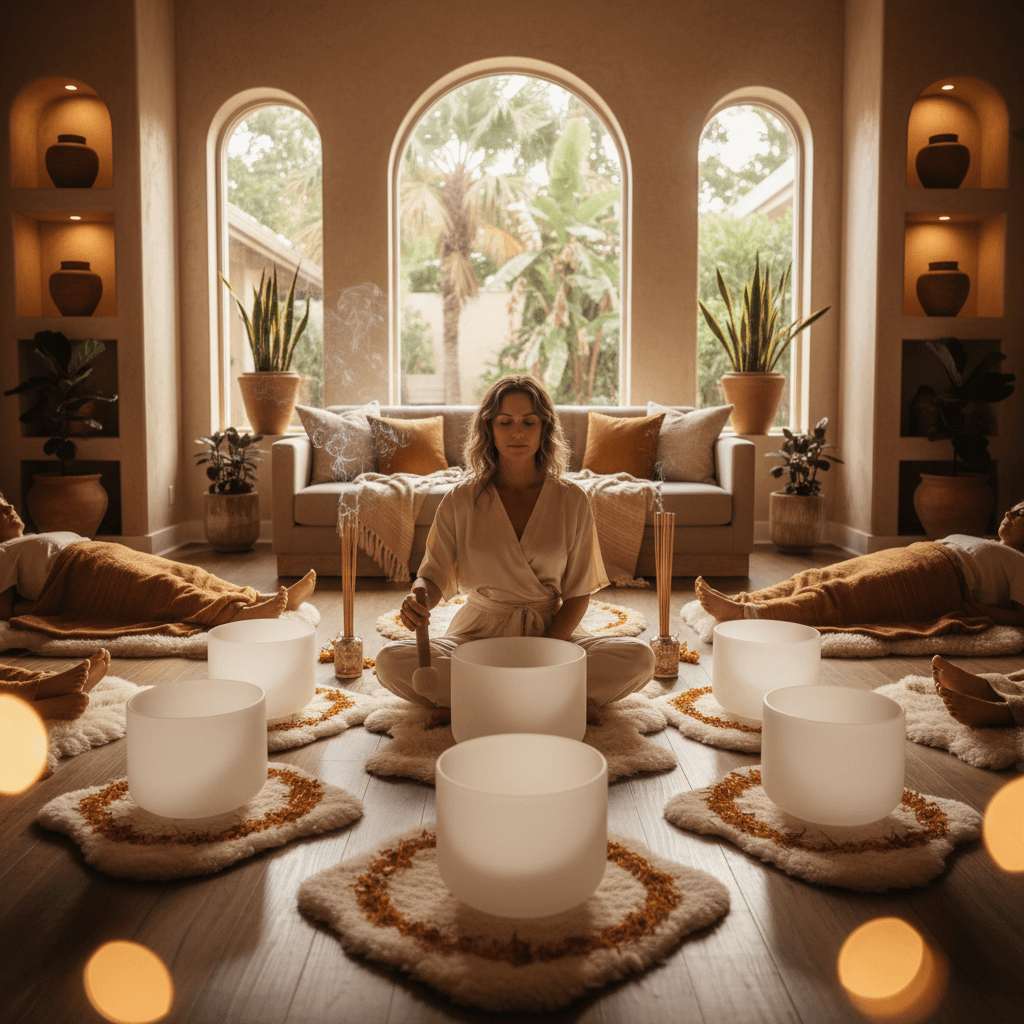
The practice of sound baths has also emerged as a powerful modality for stress reduction and deep relaxation. Research examining stress, tension, and anxiety has revealed that sound baths—especially those utilizing Tibetan singing bowls—result in a state of profound calm for participants. This ancient practice, often incorporating gongs, crystal singing bowls, and other vibrational instruments, offers a unique pathway to serenity.
Studies have found that tension is significantly reduced following a sound bath featuring these instruments. Beyond tension, other negative mood states such as depression and anger were also substantially reduced, while spiritual well-being was found to increase. Interestingly, physical pain was also reported to be lessened. Preliminary findings suggest that individuals new to sound baths may experience even greater initial tension reduction, indicating a readily accessible benefit for newcomers. While more physiological research is ongoing, sound baths offer a promising, non-invasive approach to reduce tension, stress, anxiety, and other challenging mood states.
The Soul Art Difference: Compassionate Sound Journeys
At Soul Art Dubai, founded by the visionary Larissa Steinbach, the profound science of sound is transformed into an art of compassionate care and deep relaxation. Our approach is rooted in understanding the intricate relationship between sound, the human nervous system, and overall well-being. We specialize in creating personalized sound wellness experiences designed to provide comfort, peace, and dignity, particularly in sensitive situations like end-of-life care.
Larissa Steinbach meticulously applies the principles derived from music neuroscience and sound healing research to tailor each session. She combines her deep understanding of frequencies and their effects with an intuitive, empathetic approach, ensuring that every sound journey is attuned to the individual's specific needs and sensitivities. The "quiet luxury" ethos of Soul Art ensures a sophisticated yet deeply warm and nurturing environment, a sanctuary for profound relaxation.
What makes the Soul Art method unique is its holistic integration of various therapeutic instruments and specific sonic compositions. We utilize the rich, sustained vibrations of Tibetan singing bowls, the deep resonance of gongs, and the ethereal tones of crystal singing bowls. These instruments are chosen not just for their beauty, but for their scientifically recognized capacity to induce states of deep relaxation, encourage brainwave entrainment, and reduce physiological markers of stress.
Our sessions focus on gentle, sustained vibrations and carefully selected soundscapes designed to support emotional release and comfort. By creating a serene and safe space, Soul Art aims to facilitate a sense of profound calm, helping individuals to quiet their minds and find solace. Larissa's expertise and dedication ensure that these sound journeys are more than just auditory experiences; they are deeply supportive practices that uphold dignity and promote emotional ease, offering a complementary approach to navigate life’s final chapters with greater peace.
Embracing Sound for Peace: Practical Strategies
Integrating sound into daily life for anxiety management can be a powerful self-care practice. While professional guidance, especially from experts like Larissa Steinbach at Soul Art, offers a deeply tailored experience, there are several evidence-based strategies you can begin to explore independently. These practices are designed to support your nervous system and foster a greater sense of calm.
Here are some practical, evidence-based approaches to using sound for anxiety management:
- Build a Pre-Anxiety Protocol: If you anticipate a stressful situation—such as a difficult meeting, a medical appointment, or a flight—begin listening to calming music 15-30 minutes beforehand. Research suggests that priming your nervous system in this way may help reduce peak anxiety during the stressor itself. This proactive approach can make a significant difference in your emotional experience.
- Explore Targeted Soundscapes: Not all music is created equal when it comes to relaxation. Seek out compositions specifically designed for calming the nervous system, such as "Weightless" by Marconi Union, or curated playlists that incorporate binaural beats or neural-targeting frequencies. Experiment with high-resolution natural sounds or ambient tracks without strong melodic or lyrical content, which can be less distracting.
- Seek Guided Sound Experiences: Consider exploring sound baths or guided meditations that incorporate sound. These sessions, often led by experienced practitioners like Larissa Steinbach at Soul Art, provide an immersive environment designed to induce deep relaxation. The communal aspect or guided intention can enhance the therapeutic effect, helping you release tension and find mental clarity.
- Create a Dedicated Calm Space: Designate a specific area in your home where you can consistently engage with sound for relaxation. This could be a comfortable chair with quality headphones, a quiet room with a good speaker, or a space free from interruptions. Consistency in your environment can help condition your mind to relax more readily when entering this space.
- Integrate Mindful Listening: Beyond just having sound playing, practice mindful listening. Pay attention to the textures, frequencies, and nuances of the sound. Notice how your body responds—the slowing of your breath, the release of tension in your shoulders, the quietude of your mind. This active engagement deepens the calming benefits and helps cultivate present-moment awareness.
These strategies are complementary tools for your holistic well-being journey. If you are seeking a deeply personalized and expertly guided experience in sound wellness, we invite you to explore the offerings at Soul Art.
A Symphony of Serenity: In Summary
The journey through life's final chapters often brings with it the heavy burden of anxiety, affecting not only the individual but also their cherished loved ones. However, the compelling body of scientific research now unequivocally demonstrates the profound potential of sound as a powerful, non-invasive complementary approach to soothe the anxious mind. From reducing physiological markers of stress like heart rate and cortisol, to fostering emotional regulation and cognitive distraction, specific soundscapes offer a path to serenity.
At Soul Art Dubai, Larissa Steinbach and her team are dedicated to translating this science into compassionate, personalized sound wellness experiences. Through carefully curated sound baths and vibrational journeys, using instruments like Tibetan singing bowls and gongs, we aim to provide a sanctuary of peace and comfort. We believe in enhancing dignity and well-being, offering a gentle embrace through the power of sound. Embrace the opportunity to experience profound calm and support at Soul Art, where every frequency is a step towards tranquility.
Bookings Coming Soon
Soul Art is still in preparation. Session details and booking will be published here after launch.
Coming Soon
Wellness Disclaimer: This article is for educational and informational purposes only. It does not constitute medical advice, diagnosis, or treatment. Soul Art Dubai provides non-medical wellness experiences focused on relaxation, stress management, and general wellbeing. Sound wellness is a complementary practice and should not replace professional medical care.
Related Articles
The Role of Sound in Cultural Death Practices
Death Doulas & Sound: Enhancing Peace in End-of-Life Journeys
Sound's Gentle Embrace: Supporting Late Alzheimer's with Sonic Wellness