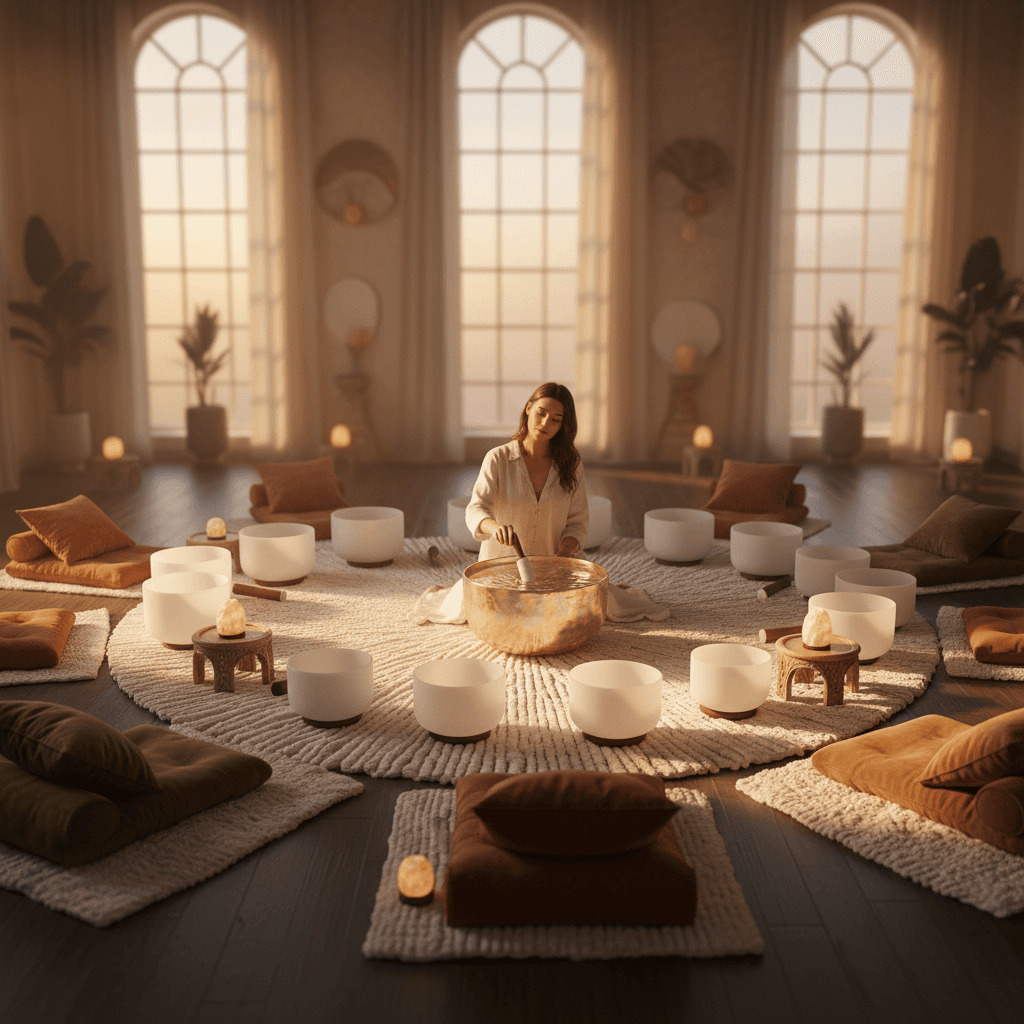
Finding Serenity: How Sound Wellness Addresses Agitation
Key Insights
Explore the science behind sound wellness and its profound ability to calm agitation, promote relaxation, and enhance overall well-being. Discover Soul Art's unique approach with Larissa Steinbach.
Unlocking Inner Calm: Sound Wellness for Restless Minds
Imagine a state where restlessness recedes, where the persistent hum of agitation is replaced by a profound sense of peace. For many, this sounds like an unattainable ideal, especially when facing constant internal or external stressors. Agitation, characterized by restlessness, anxiety, and sometimes aggressive behaviors, impacts individuals across various stages of life and health, diminishing quality of life for both those experiencing it and their caregivers.
But what if a pathway to this calm already exists, one that harnesses the very fabric of our auditory world? Emerging scientific understanding and extensive anecdotal evidence point towards sound wellness as a powerful, non-invasive approach to soothe agitated states. This article delves into how carefully curated sound experiences, like those offered at Soul Art by Larissa Steinbach, may support a return to tranquility, offering a beacon of hope for restless patients and anyone seeking deeper serenity.
Join us as we explore the neuroscience, practical applications, and the unique methodology that makes sound wellness a vital tool in holistic well-being. We’ll uncover how the subtle yet profound power of sound can transform agitated moments into opportunities for relaxation and inner peace.
The Science Behind Sonic Calm
The human experience of sound is far more complex than simple hearing; it's a multi-sensory phenomenon that deeply influences our physiology and psychology. From the gentle hum of a Tibetan bowl to the intricate melodies of personalized music, sound waves interact with our bodies and brains in profound ways, offering unique avenues for stress reduction and emotional regulation. This intricate connection forms the foundation of sound wellness practices aimed at easing agitation.
The Brain's Response to Sound
Our brains are exquisitely wired to respond to sound. When sound waves reach our ears, they are converted into electrical signals that travel to various regions of the brain, including the auditory cortex, the limbic system (which governs emotions), and the prefrontal cortex (responsible for attention and decision-making). Specific frequencies and rhythmic patterns can influence brainwave states, shifting them from beta waves (associated with alertness and stress) towards alpha waves (relaxation) and theta waves (deep relaxation and meditation).
Research highlights the neurological impact of sound, suggesting that targeted frequencies can improve cognitive function and promote healing at the cellular level. This phenomenon is often referred to as brainwave entrainment, where external rhythmic stimuli can encourage the brain to synchronize with that rhythm. For individuals experiencing agitation, this shift in brainwave activity may help to calm an overactive nervous system, reducing feelings of restlessness and unease.
Music, in particular, has been shown to influence perception, attention, and memory, even in the presence of cognitive impairments. This suggests that the brain can process and respond to musical cues in ways that might bypass other challenges, opening a unique channel for engagement and comfort.
The Impact of Vibrational Healing: Tibetan Singing Bowls
Among the diverse instruments used in sound wellness, Tibetan singing bowls hold a special place for their unique ability to produce both auditory and tactile vibrations. These bowls, when played, create a rich tapestry of overtones and undertones that resonate not just through the air, but also through the body itself. This vibrational aspect is crucial in understanding their potential for easing agitation.
Anecdotal evidence from projects like the one at The Cove in 2012 highlights the positive impact of Tibetan Bowl Sound Therapy. Focused on promoting relaxation and inner well-being, this initiative observed initial positive results, including reduced agitation, improved sleep, and less aggressive behaviors among some residents. The deep, sustained vibrations of these bowls are thought to encourage a state of sympathetic resonance within the body. This means the body's cells and tissues may begin to vibrate at a more harmonious frequency, potentially facilitating physical and mental relaxation.
This profound vibrational engagement helps to ground individuals, drawing their attention away from internal discomfort or external triggers of agitation. The gentle yet pervasive sensation of the vibrations can act as a powerful anchor, fostering a sense of safety and calm that may allow the nervous system to settle.
Personalized Music and Cognitive Engagement
The power of music to soothe the soul is deeply personal, and scientific studies affirm this individuality. Research consistently shows that personalized music interventions can be remarkably effective in reducing agitation, particularly in populations like those with dementia. The reason lies in music's unique ability to foster engagement and elicit positive emotional responses, even when other cognitive functions are impaired.
Studies referenced by NIH and Coro Health demonstrate that individualized music therapy significantly reduces agitation disruptiveness scores. Personalized, favorite-song playlists have been associated with lower antipsychotic and anti-anxiety medication use, decreased depression, and fewer agitated behaviors. This suggests that personally meaningful music can serve as a non-pharmacological tool to manage distressing behavioral and psychological symptoms. Music increases engagement, specifically in ‘one-on-one socializing’, which can be particularly beneficial for those who struggle with social interaction.
This success stems from music's capacity to access deep-seated memories and emotions, often bypassing cognitive impairments that might hinder other forms of communication or engagement. When individuals listen to music they love, it can evoke feelings of comfort, familiarity, and joy, providing a profound sense of connection and reducing feelings of isolation and frustration that often fuel agitation. While some studies have shown mixed results for generic music listening, the overwhelming evidence supports the efficacy of personalized music, emphasizing the importance of tailoring sound experiences to individual preferences.
How It Works in Practice
Translating the science of sound into tangible experiences for relief from agitation involves a thoughtful, client-centered approach. At Soul Art, we understand that creating an environment conducive to deep relaxation is paramount. This isn't just about playing sounds; it's about crafting an immersive experience that gently guides the individual towards a state of inner calm and reduced restlessness.
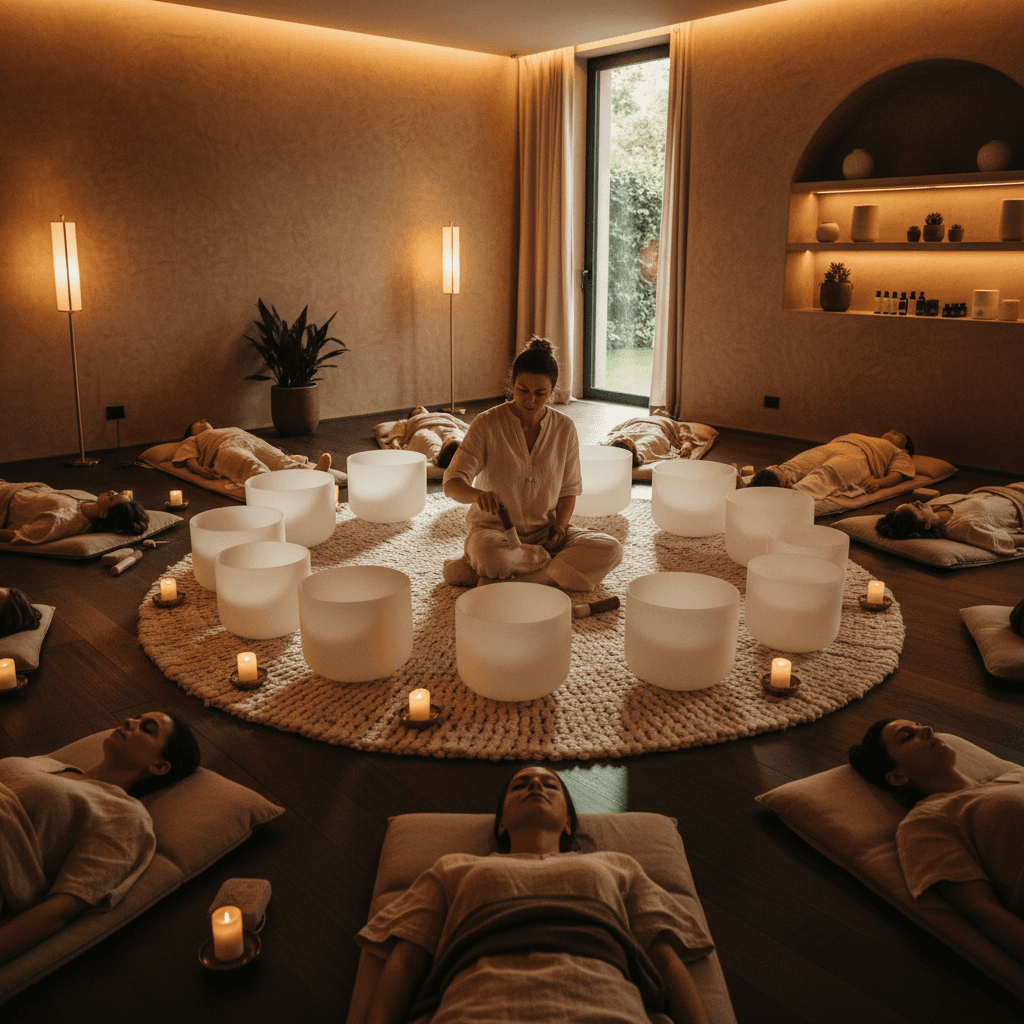
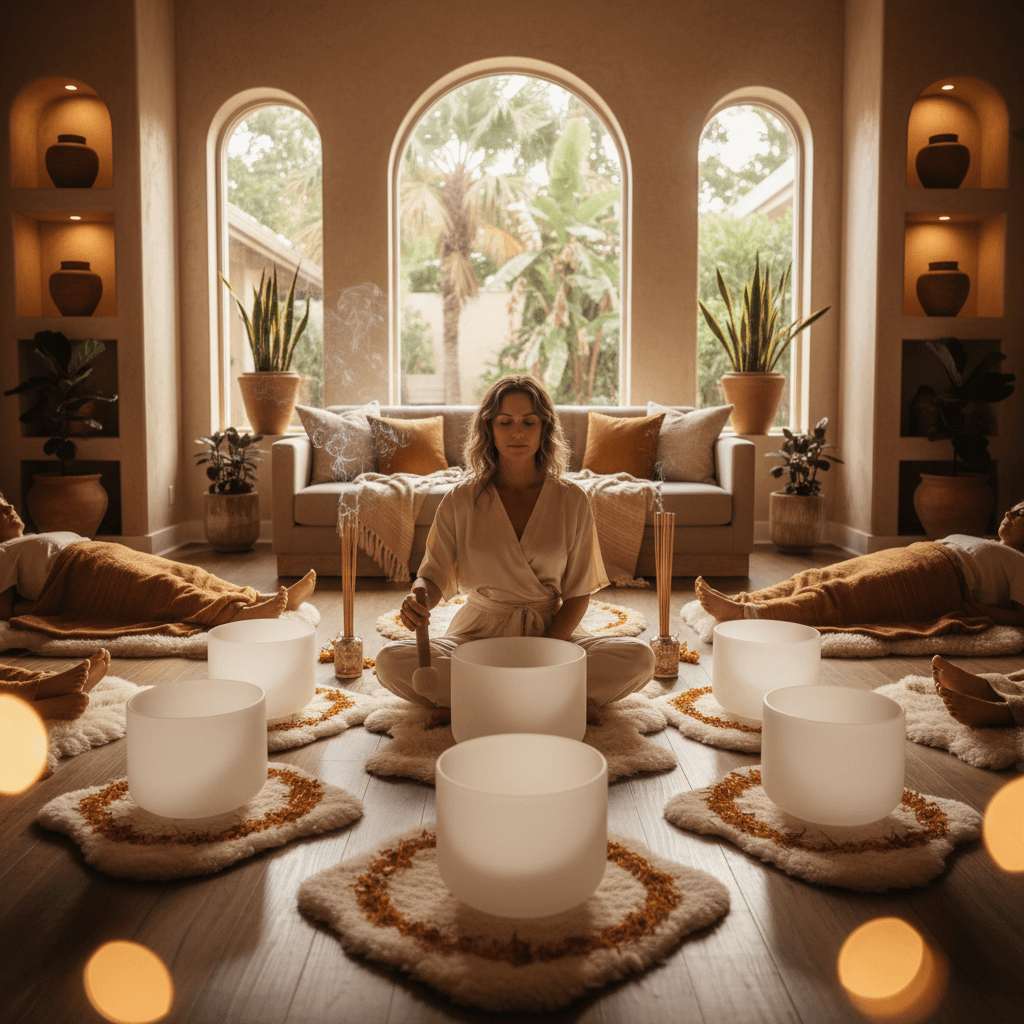
During a sound wellness session, clients are invited to relax in a comfortable setting, often lying down. The space itself is designed to be a sanctuary, free from the usual sensory overload that contributes to agitation. As the session begins, the practitioner carefully introduces therapeutic sounds using instruments such as Tibetan singing bowls, gongs, chimes, and other resonant tools. The sounds are not loud or jarring; instead, they are played with intention, creating a harmonious soundscape that washes over the individual.
The experience is deeply sensory. Clients not only hear the rich, resonant tones but often feel the subtle vibrations permeating their bodies. This tactile sensation is key to grounding, especially for those who feel disconnected or overwhelmed. For someone experiencing agitation, these physical sensations can act as a powerful anchor, drawing their attention inward and away from distressing thoughts or external stimuli. The consistent, rhythmic nature of the sounds can also help to regulate breathing and heart rate, encouraging a physiological shift towards relaxation.
Many individuals report a profound sense of peace during and after sessions. The often-chaotic internal monologue associated with agitation begins to quiet, replaced by a spacious awareness of the sounds and sensations. This allows for a temporary respite from mental looping and emotional intensity. Practical observations from studies mirror this, with participants showing signs of being calmer, less aggressive, and experiencing improved sleep. For instance, observations noted individuals becoming "less agitated, less aggressive," "sleeping better," and "not ‘calling out’ as much," indicating a clear shift in their demeanor and behavior during and after sound therapy. Some even showed increased engagement, "laughing and joking with other residents in the session," highlighting the positive social and emotional benefits.
The beauty of sound wellness lies in its gentle, non-intrusive nature. There's no expectation or pressure, only an invitation to receive the sounds and allow them to work their magic. This passive engagement can be particularly beneficial for those who find traditional therapies challenging, offering a complementary pathway to managing restlessness and fostering a more peaceful state of being.
The Soul Art Approach
At Soul Art, Larissa Steinbach’s vision is to provide a sanctuary where the ancient wisdom of sound meets contemporary well-being needs. Her approach to addressing agitation is rooted in a deep understanding of individualized human experience and the profound capacity of sound to restore balance. This method is distinctively "quiet luxury" – sophisticated in its scientific grounding yet deeply empathetic in its application.
Larissa Steinbach’s philosophy centers on creating bespoke sound journeys that cater to the unique needs of each client. She recognizes that agitation manifests differently in everyone, whether it’s chronic restlessness, stress-induced anxiety, or behavioral expressions related to specific conditions. The Soul Art method doesn’t offer a one-size-fits-all solution but rather a carefully curated experience designed to resonate with the individual’s current state.
What makes the Soul Art method unique is its thoughtful blend of traditional instruments and intuitive facilitation. Larissa often utilizes an exquisite collection of therapeutic instruments, including master-quality Tibetan singing bowls, large resonant gongs, chimes, and crystal bowls. These instruments are chosen not only for their tonal qualities but also for their profound vibrational properties. The Tibetan bowls, in particular, are central to the experience, leveraging their capacity for sympathetic resonance to create deep relaxation.
Larissa combines these instruments with a mindful presence and a deep understanding of how sound affects the nervous system. The sessions at Soul Art are meticulously designed to foster a sense of safety and calm, allowing the nervous system to gently downregulate. This careful orchestration of sound aims to guide clients into restorative brainwave states, helping to alleviate the physical and mental symptoms of agitation. The goal is to provide a holistic wellness experience that complements other self-care practices, offering a potent tool for stress management and emotional regulation.
"True well-being begins when the internal chatter quiets, allowing us to reconnect with our innate capacity for peace. Sound wellness offers a gentle hand to guide us back to that stillness."
Through Larissa Steinbach’s expert guidance, Soul Art sessions aim to reduce the disruptive patterns associated with agitation. Many people report feeling a significant shift in their state of mind – from restless to grounded, from anxious to serene. This focused application of sound wellness provides a powerful, non-invasive method to support overall well-being and cultivate a deeper, more enduring sense of inner calm.
Your Next Steps
Embracing sound wellness to manage agitation and cultivate a calmer state of being is an accessible journey. Even small, consistent steps can make a significant difference in your daily well-being. Here are some practical recommendations you can implement starting today to integrate the calming power of sound into your life:
- Curate a Calming Soundscape: Begin by being mindful of the sounds in your environment. Replace harsh noises with gentle, soothing sounds. This could involve listening to nature sounds (waves, rain, birdsong), soft instrumental music, or ambient soundscapes designed for relaxation. Several apps and streaming services offer curated playlists for sleep and meditation.
- Practice Mindful Listening: Dedicate a few minutes each day to simply listen, without judgment. Focus on the nuances of sounds around you, or choose a piece of calming music and allow yourself to be fully immersed. This practice can enhance your presence and draw your attention away from agitated thoughts.
- Establish a Pre-Sleep Ritual: If agitation disrupts your sleep, incorporate sound into your bedtime routine. Playing soft, low-frequency music or binaural beats designed for sleep may support faster relaxation and deeper rest. Ensure your bedroom is a quiet sanctuary, free from electronic distractions.
- Explore Guided Meditations with Sound: Many guided meditations incorporate therapeutic sound, using chimes, bowls, or ambient tones to deepen the experience. These can be particularly helpful for beginners, as the guided voice combined with sound helps to focus the mind and reduce mental restlessness.
- Consider a Professional Sound Wellness Session: For a deeper, more immersive experience, exploring a session with a qualified practitioner can be incredibly beneficial. At Soul Art, Larissa Steinbach offers personalized sound journeys designed to address specific needs, providing an optimal environment for profound relaxation and nervous system restoration. This complementary approach can offer significant support in managing persistent agitation and fostering overall peace.
Soul Art is still in preparation. Session details and booking will be published here after launch. Taking the step to experience sound wellness firsthand can open a new chapter in your personal well-being journey.
Bookings Coming Soon
Soul Art is still in preparation. Session details and booking will be published here after launch.
Coming Soon
In Summary
Agitation and restlessness are pervasive challenges that can significantly impact our quality of life, but sound wellness offers a compelling and gentle path towards relief. From the brain's intricate response to specific frequencies to the profound vibrational healing of Tibetan bowls and the personalized comfort of preferred music, scientific inquiry and anecdotal evidence consistently point to sound as a powerful tool for calming the nervous system.
Practices rooted in sound aim to reduce aggressive behaviors, improve sleep patterns, and foster a deeper sense of inner well-being. At Soul Art, Larissa Steinbach meticulously crafts unique sound journeys that harness these principles, providing a tranquil space for individuals to find solace and restore balance. By integrating this non-invasive, complementary approach, many people report significant shifts towards calmness and enhanced emotional regulation. Embrace the transformative power of sound to soothe your restless mind and discover profound serenity.
Related Articles
The Role of Sound in Cultural Death Practices
Death Doulas & Sound: Enhancing Peace in End-of-Life Journeys
Sound's Gentle Embrace: Supporting Late Alzheimer's with Sonic Wellness