Beyond the Screen: Sound Recovery from Zoom Fatigue

Key Insights
Combat Zoom fatigue with sound wellness. Discover the science behind virtual meeting exhaustion and how Soul Art Dubai offers deep recovery.
Have you ever ended a day of virtual meetings feeling more drained than if you’d run a marathon, despite barely moving from your chair? This pervasive exhaustion, known as Zoom fatigue, is far more than just a feeling; it’s a scientifically documented phenomenon affecting millions globally. It’s a complex interplay between human cognition and the demands of our technological environment (ec.msvu.ca).
This article will delve into the profound impact of constant virtual engagement on our brains and bodies, drawing on the latest scientific research. We will explore how sound wellness, particularly the unique approach pioneered by Larissa Steinbach at Soul Art Dubai, offers a powerful, evidence-informed pathway to recovery and renewed vitality. Understanding this challenge is the first step towards reclaiming your inner calm and enhancing your overall well-being in an increasingly digital world.
The Neurophysiology of Virtual Meeting Exhaustion
The shift to pervasive virtual meetings has unveiled a new frontier in stress: Zoom fatigue. This condition is a collection of physical and psychological responses arising from extended periods spent on videoconferencing platforms (PMC). Researchers have identified its multidimensional nature and widespread prevalence, confirming that it warrants significant attention for our well-being (Fauville et al., 2021).
Understanding Zoom Fatigue: A Multidimensional Phenomenon
Zoom fatigue is not merely a subjective feeling; new research indicates how video calls affect us physically and neurologically. Objective neurophysiological evidence, measured through electrocardiograms (ECGs) and electroencephalograms (EEGs), shows signs of cognitive overload during long video meetings (Müller-Putz, NPR). This suggests that our brains are working harder than usual, leading to measurable exhaustion.
One of the primary causes is the excessive amount of close-up eye contact, which is highly intense and unnatural in its duration and proximity (Bailenson, 2021; Stanford Report). Unlike in-person interactions where we naturally avert gaze, video calls often demand a perpetual, direct stare, contributing to an increased cognitive load. Our brains must work harder to interpret non-verbal cues and process the constant stream of visual information, leading to mental drain (PMC).
The "mirror effect" is another significant contributor to this exhaustion. It's akin to perpetually seeing yourself in a mirror, which can be psychologically stressful and increase feelings of fatigue (PMC). This self-evaluation, often subconscious, adds an extra layer of cognitive burden. Furthermore, the lack of physical mobility imposed by the camera frame limits our natural urge to move, which is known to aid creativity and communication (PMC).
The Cognitive and Physiological Toll
The constant demand to appear engaged and present in a fixed position takes a toll on our nervous system. This sustained effort can push the body into a state of chronic sympathetic nervous system activation, commonly known as the "fight or flight" response. This state prevents the natural restoration processes that occur when our parasympathetic nervous system is active.
Studies confirm that factors such as meeting length and the weekly count of virtual meetings are highly correlated with fatigue (Guggenberger et al., 2021). This suggests an "accumulation of Zoom hours may result in an additive fatigue," indicating a snowball effect on our energy levels. The psychological factors linked to videoconference fatigue (VF) are significant, with "feeling trapped" being a prominent predictor (ScienceDirect). This sensation of being confined within a digital space amplifies feelings of stress and exhaustion.
Moreover, fatigued individuals have shown increased conformity in virtual meetings, suggesting that exhaustion may subtly influence our decision-making and autonomy (Nature article). This highlights the broader implications of Zoom fatigue, extending beyond mere tiredness to potentially impacting workplace dynamics and individual agency. Addressing this multifaceted issue requires understanding both its technological and human cognitive dimensions.
Why Women Are More Affected
Interestingly, research indicates that Zoom fatigue is experienced especially by women, who report significantly higher levels of mirror anxiety and fatigue than men (Fauville et al., 2021). The constant self-scrutiny and pressure to maintain an "on-screen" persona may contribute disproportionately to their exhaustion. This gender-specific finding underscores the nuanced psychological effects of virtual interactions.
Bridging the Virtual Divide: Sound as a Restorative Force
The profound impact of Zoom fatigue calls for equally profound restorative practices that address both the cognitive overload and physiological tension. Sound wellness offers a unique and deeply effective pathway to recovery, providing a stark contrast to the demanding visual and auditory inputs of virtual meetings. It works by gently guiding the nervous system away from the hyper-aroused state of "fight or flight" and towards a state of deep relaxation and repair.
When we engage with therapeutic sound, specific frequencies and vibrations interact with our body's own energetic fields. These resonant tones can bypass the analytical mind, which is often overtaxed by virtual communication, and directly influence the brainwaves. Many people report a shift from a beta-wave dominant state (associated with active, alert thought) to alpha or theta-wave states, which are linked to relaxation, creativity, and meditative calm. This transition can significantly reduce the mental chatter and cognitive load accumulated during hours of virtual meetings.
The physical vibrations emanating from sound instruments penetrate the body, encouraging the release of stored tension in muscles and tissues. Sitting rigidly for extended periods in front of a screen leads to physical discomfort and restricted movement, exacerbating fatigue (PMC). Sound, through its gentle yet pervasive touch, helps to unwind these physical manifestations of stress. It is a sensory experience that encourages the body to soften, promoting circulation and alleviating stiffness.
Clients often describe a profound sense of peace washing over them, a feeling of "coming home" to their bodies after being mentally fragmented by the virtual world. The immersive nature of sound bathing creates a sanctuary where the senses are recalibrated and the mind is given permission to simply be. This experience directly counteracts the forced eye contact and self-monitoring inherent in video calls, allowing for a genuine, unfiltered sense of self. It provides a much-needed break from the "perpetual selfie" effect (PMC), fostering a sense of psychological safety.
"In the symphony of life, the silence after the storm of virtual demands is where true healing begins. Sound wellness creates that restorative silence, wrapping you in frequencies that speak directly to your soul."
This holistic approach to recovery addresses not just the symptoms of fatigue but also the underlying energetic imbalances. By creating an environment of deep sonic immersion, sound wellness helps to re-establish a natural rhythm within the body, fostering resilience against future digital demands. It's about moving from a state of external demands to internal harmony, a vital transition for anyone grappling with the invisible toll of Zoom fatigue.
Soul Art: A Sanctuary for Sound Recovery
At Soul Art, Dubai's premier sound wellness studio, we understand the modern challenges of digital overload and the subtle yet profound impact of Zoom fatigue on well-being. Founded by the visionary Larissa Steinbach, Soul Art offers a uniquely tailored approach to sound recovery, transforming the pervasive exhaustion of virtual life into an opportunity for deep restoration. Larissa Steinbach has meticulously crafted experiences that go beyond mere relaxation, aiming for genuine energetic rebalancing.
What makes the Soul Art method truly distinctive is its foundation in scientific understanding blended with a deep reverence for ancient wisdom. We don't just play instruments; we curate a profound sonic journey designed to address the specific stressors of virtual life. Larissa Steinbach's expertise ensures that each session is an intentional space for shedding accumulated tension and inviting inner peace. This bespoke approach recognizes that while Zoom fatigue is a collective experience, each individual's journey to recovery is unique.
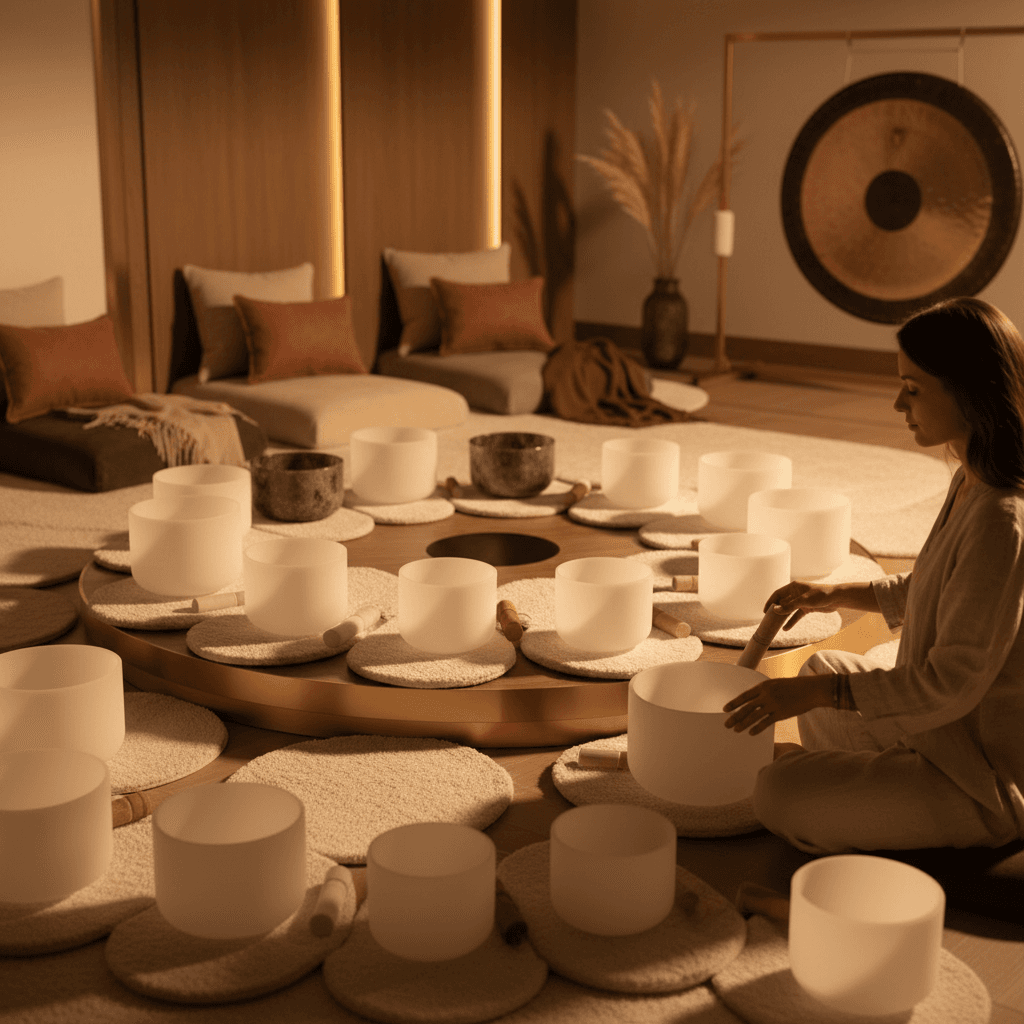
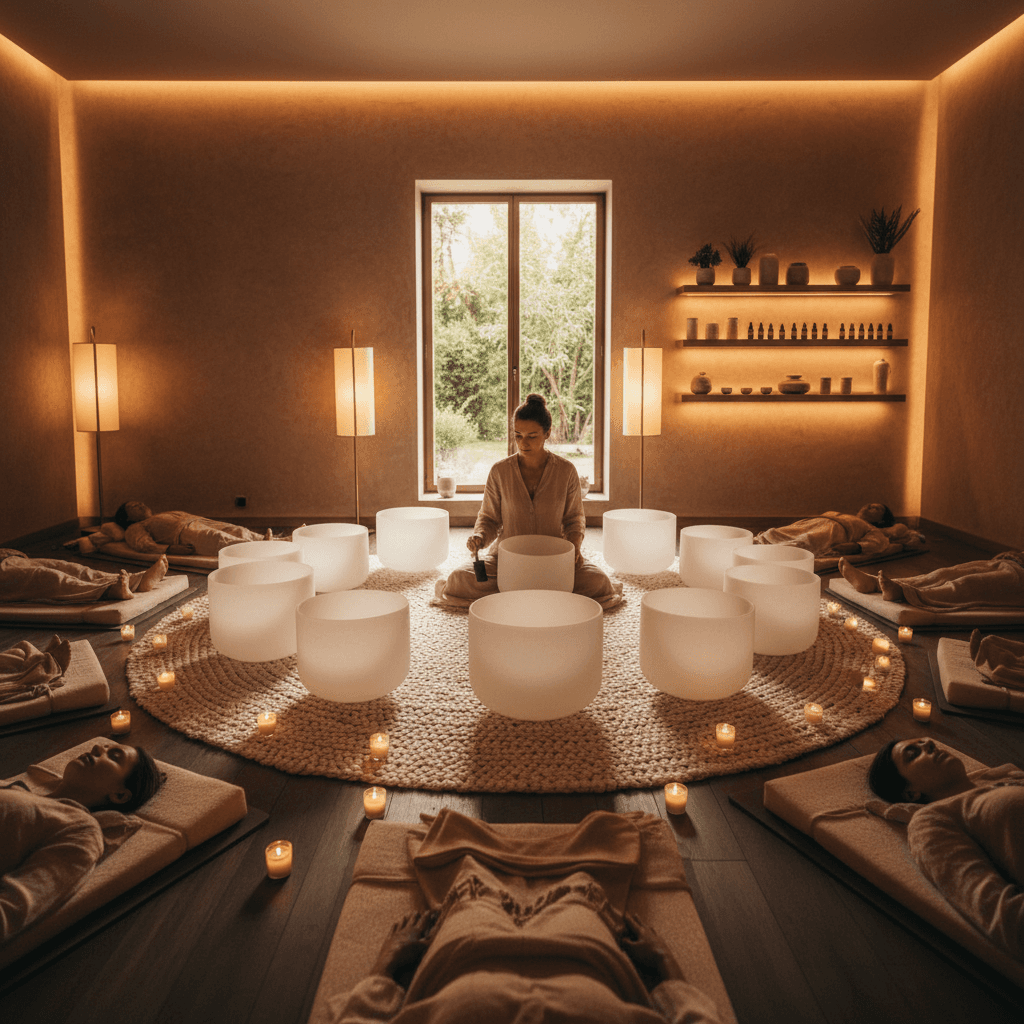
Our studio is a haven, thoughtfully designed to optimize the therapeutic power of sound. Within this tranquil environment, clients are enveloped in a tapestry of frequencies generated by a carefully selected array of instruments. Himalayan singing bowls, with their rich, sustained tones, create vibrations that resonate deeply within the body, helping to release muscular tension and calm the nervous system. Gongs, known for their powerful, immersive sounds, facilitate a profound meditative state, often leading to mental clarity and emotional release.
We also utilize delicate chimes and precise tuning forks, which deliver specific frequencies to harmonize energy centers and alleviate mental fog. These instruments are not merely tools; they are conduits for frequencies that interact with the body's natural energetic systems, promoting self-regulation and profound relaxation. The carefully orchestrated sounds at Soul Art guide the brain into restorative wave states, offering a vital respite from the overstimulation of the digital world. This gentle yet powerful intervention supports the body’s innate ability to heal and rebalance, making Soul Art an essential destination for anyone seeking respite from virtual exhaustion.
Reclaim Your Calm: Immediate Steps and Lasting Solutions
Navigating the demands of a virtual work environment without succumbing to deep exhaustion is crucial for your overall well-being. While professional sound wellness offers profound restorative benefits, there are practical steps you can integrate into your daily routine to mitigate Zoom fatigue immediately. These small adjustments can make a significant difference in managing cognitive load and preserving your energy.
Here are a few actionable tips to help you reclaim your calm:
- Implement Micro-Breaks and Video-Off Periods: Just as suggested by Bailenson (Stanford Report), consciously turn off your video during parts of a meeting, or step away for a few minutes between calls. This reduces the cognitive strain of constant self-monitoring and allows your eyes and brain to rest from intense focus.
- Optimize Your Setup for Distance: If possible, use an external camera positioned further away from your screen. This creates a more natural visual distance and can alleviate some of the intensity of close-up eye contact. An external keyboard allows for more flexible posture and movement (Stanford Report).
- Practice Mindful Movement and Breathing: Stand up, stretch, and walk around your space during breaks, even short ones. Incorporate simple breathing exercises; deep, diaphragmatic breaths can activate your parasympathetic nervous system, counteracting the stress response from continuous screen time.
- Integrate Short Sound Breaks: Listen to calming music, binaural beats, or nature sounds for a few minutes after a taxing meeting. Even a brief sonic interlude can help recalibrate your nervous system and shift your mental state away from digital overwhelm.
- Set Clear Boundaries for Meetings: Advocate for shorter meeting durations or fewer consecutive virtual calls. Studies show meeting length and frequency are highly correlated with fatigue (Guggenberger et al., 2021), so managing these can have a direct positive impact.
For a deeper and more sustained recovery, consider the transformative experience of sound wellness. Soul Art offers a sanctuary where the expertly curated frequencies guide your body and mind into profound states of relaxation, effectively reversing the effects of virtual meeting exhaustion. This holistic approach provides not just temporary relief, but a pathway to enhanced resilience and renewed vitality.
A Symphony of Serenity: Your Path Beyond Zoom Fatigue
Zoom fatigue is a pervasive, scientifically recognized challenge of our digital age, impacting our cognitive function, emotional well-being, and even physical health. It stems from a confluence of factors, including intense eye contact, the psychologically taxing "mirror effect," reduced mobility, and an elevated cognitive load that constantly demands our attention. While identifying the causes is crucial, finding effective recovery strategies is paramount for modern professionals.
Sound wellness emerges as a powerful, complementary practice to counteract these stressors. By engaging the body's natural resonance and guiding the brain into restorative states, therapeutic sound helps to release tension, reduce mental overload, and activate the body's natural healing mechanisms. It offers a profound opportunity to recalibrate and restore balance to a nervous system overwhelmed by virtual demands.
At Soul Art, Larissa Steinbach has created a haven where this ancient practice meets contemporary needs, offering bespoke sound journeys designed to gently yet effectively alleviate the deep-seated fatigue caused by endless screens. We invite you to experience the transformative power of sound, to step away from the glare of the virtual world and into a space of profound serenity and restoration.
Bookings Coming Soon
Soul Art is still in preparation. Session details and booking will be published here after launch.
Coming Soon
Wellness Disclaimer: This article is for educational and informational purposes only. It does not constitute medical advice, diagnosis, or treatment. Soul Art Dubai provides non-medical wellness experiences focused on relaxation, stress management, and general wellbeing. Sound wellness is a complementary practice and should not replace professional medical care.
Related Articles
Sound Resilience for First-Time Managers: Thrive as a New Leader

Harmonizing Global Teams: Sound Healing for Time Zone Stress
Transforming Workplace Conflict: Sound for Team Harmony