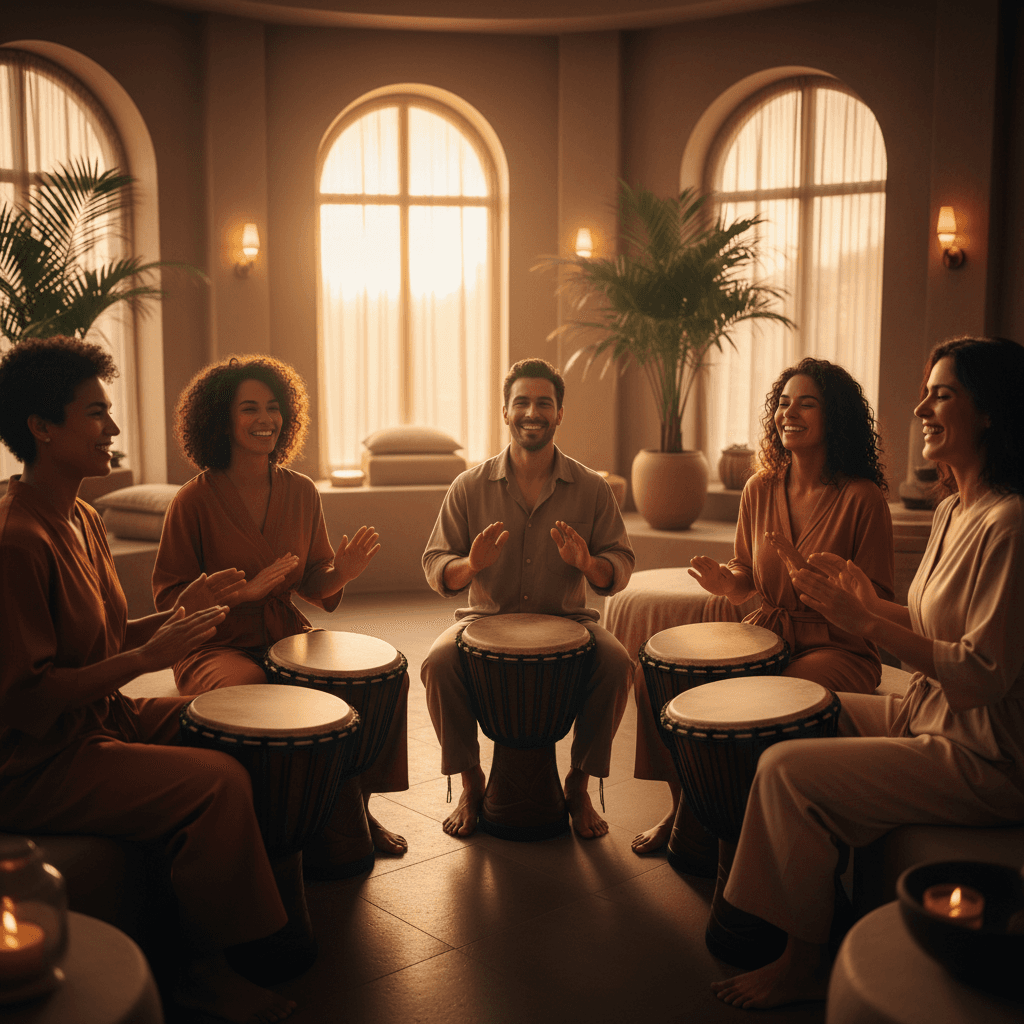
Transforming Workplace Conflict: Sound for Team Harmony
Key Insights
Explore how sound wellness, backed by science, can foster team harmony and enhance conflict resolution in the workplace, guided by Larissa Steinbach at Soul Art Dubai.
Is your team truly harmonious, or merely quiet? The uncomfortable truth, as highlighted by workplace culture experts, is that the most "peaceful" teams can often be the most disconnected ones, where disagreement is suppressed rather than constructively addressed. With a staggering 85% of employees experiencing workplace conflict to some degree, and nearly 30% dealing with it constantly, the reality is that conflict is an inherent aspect of human teams, not a sign of a broken one.
The real challenge isn't avoiding conflict, but learning to navigate it with skill, patience, and dedication. Handled poorly, conflict damages trust, creates silos, and impacts performance; handled well, it can actually strengthen a team. This article delves into how sound wellness, a powerful and scientifically-grounded approach championed by Larissa Steinbach at Soul Art Dubai, may support teams in transforming conflict into an opportunity for deeper connection and enhanced collaboration. Discover how fostering internal calm can lead to unparalleled team harmony and communication.
The Neuroscience of Conflict and Calm
Workplace conflict, whether overt or subtle, triggers a primal stress response within us. When confronted with tension, our bodies instinctively prepare for "fight or flight," activating the sympathetic nervous system. This physiological shift manifests as increased heart rate, shallow breathing, and heightened muscle tension, making rational thought and empathetic engagement incredibly difficult.
This state of heightened tension significantly impairs effective communication. Team members may experience strained interactions, passive-aggressive behaviors, or a dramatic decrease in open dialogue, withholding information and avoiding discussions altogether. In such conditions, constructive problem-solving becomes an uphill battle, as our brains are wired for survival rather than collaborative negotiation.
The Impact of Stress on Cognitive Function
When the stress response is activated, the prefrontal cortex, responsible for executive functions like logical reasoning, decision-making, and emotional regulation, becomes less active. This makes it challenging to think clearly, consider diverse perspectives, or formulate win-win solutions. Instead, individuals may become reactive, defensive, and less able to listen actively to their colleagues' concerns.
Research consistently highlights that organizations employing collaborative and integrative approaches to conflict management experience better overall performance and more harmonious workplace dynamics. However, achieving these approaches first requires individuals to be in a state of physiological and psychological calm, able to engage rather than react.
The Power of Sound Frequencies for the Nervous System
Sound wellness offers a profound pathway to shift this internal state. It leverages specific frequencies and vibrations to gently guide the brain and body into a state of deep relaxation, promoting parasympathetic nervous system activation. This process is often referred to as brainwave entrainment.
By immersing individuals in resonant soundscapes created by instruments like gongs and singing bowls, the brain's electrical activity may be influenced. For instance, slower frequencies associated with delta and theta brainwaves, typically less than 7 Hz, can encourage states of profound relaxation, meditation, and even sleep. This contrasts sharply with the beta waves (12-30 Hz) often dominant during periods of high stress and cognitive activity.
Beyond brainwave entrainment, specific sound vibrations can stimulate the vagus nerve, a crucial component of the parasympathetic nervous system. Vagal nerve stimulation is associated with reduced inflammation, improved mood, and a greater capacity for emotional regulation. By activating this nerve, sound wellness may help the body transition from a stress-induced state to one of rest, digest, and repair.
Research Supporting Sound for Emotional Regulation and Collaboration
The physiological shift induced by sound wellness has direct implications for conflict resolution. By reducing the body's stress response, there is a corresponding decrease in stress hormones like cortisol and an anecdotal increase in oxytocin, often called the "bonding hormone." This hormonal rebalancing may cultivate an internal environment conducive to empathy and connection.
In this calmer state, individuals are better equipped to engage in "communication harmony," a concept where language is used to resolve conflict and create lasting peace. When the nervous system is regulated, people are less likely to communicate negatively or defensively, paving the way for more peaceful and constructive dialogue. This is critical for adopting conflict resolution strategies that promote open communication and collaborative problem-solving, as recommended by organizational studies.
By fostering a sense of inner peace and reducing reactivity, sound wellness may support the creation of a "safe space where individuals can express their concerns and feelings without fear of judgment." This enhanced psychological safety is fundamental for building trust, which, as workplace experts remind us, is the true indicator of team harmony – not merely the absence of conflict, but "the presence of trust."
From Theory to Tranquility: Experiencing Sound Wellness
Experiencing sound wellness is a journey from mental chatter to profound stillness, offering a tangible pathway to internal calm that directly translates to improved team dynamics. Clients engaging in a sound session at Soul Art often describe it as an immersive sensory experience, where the body and mind are bathed in resonant frequencies. It’s a gentle yet powerful invitation to simply be.
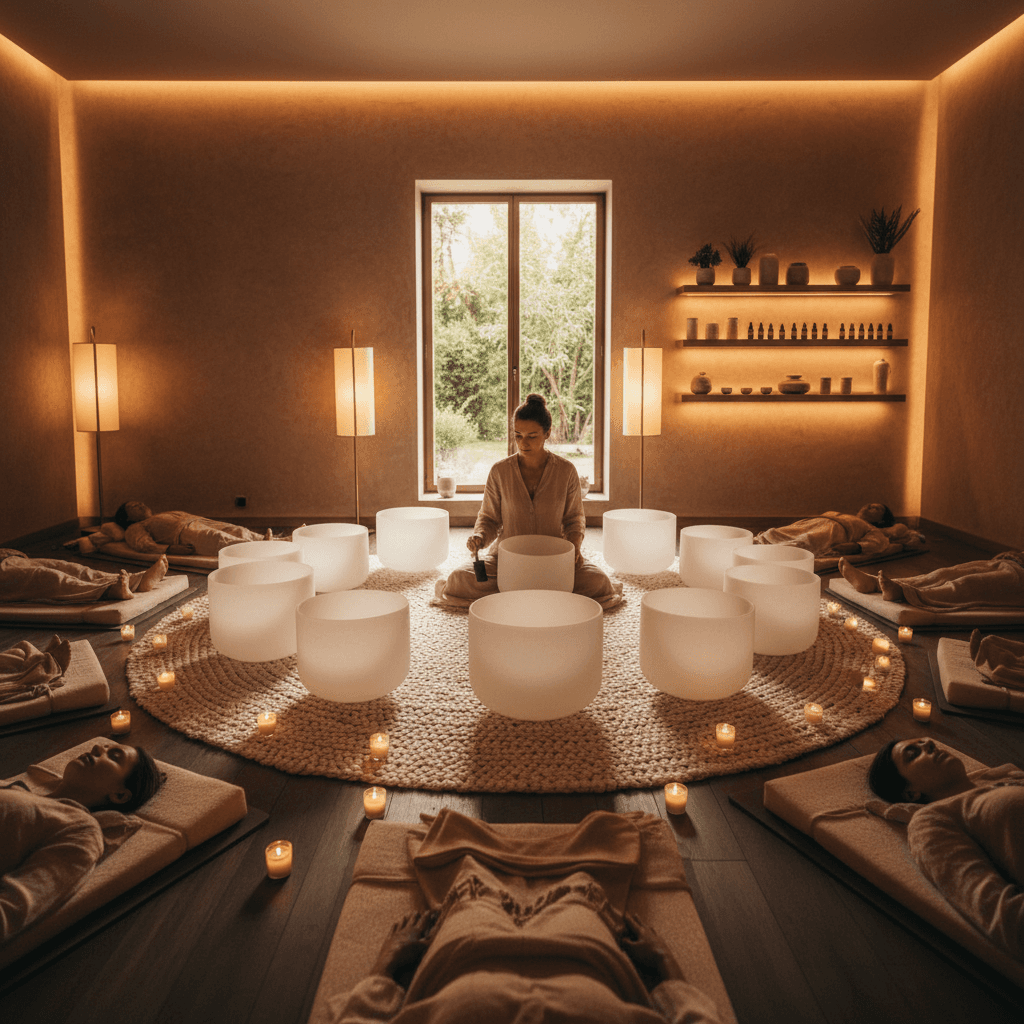
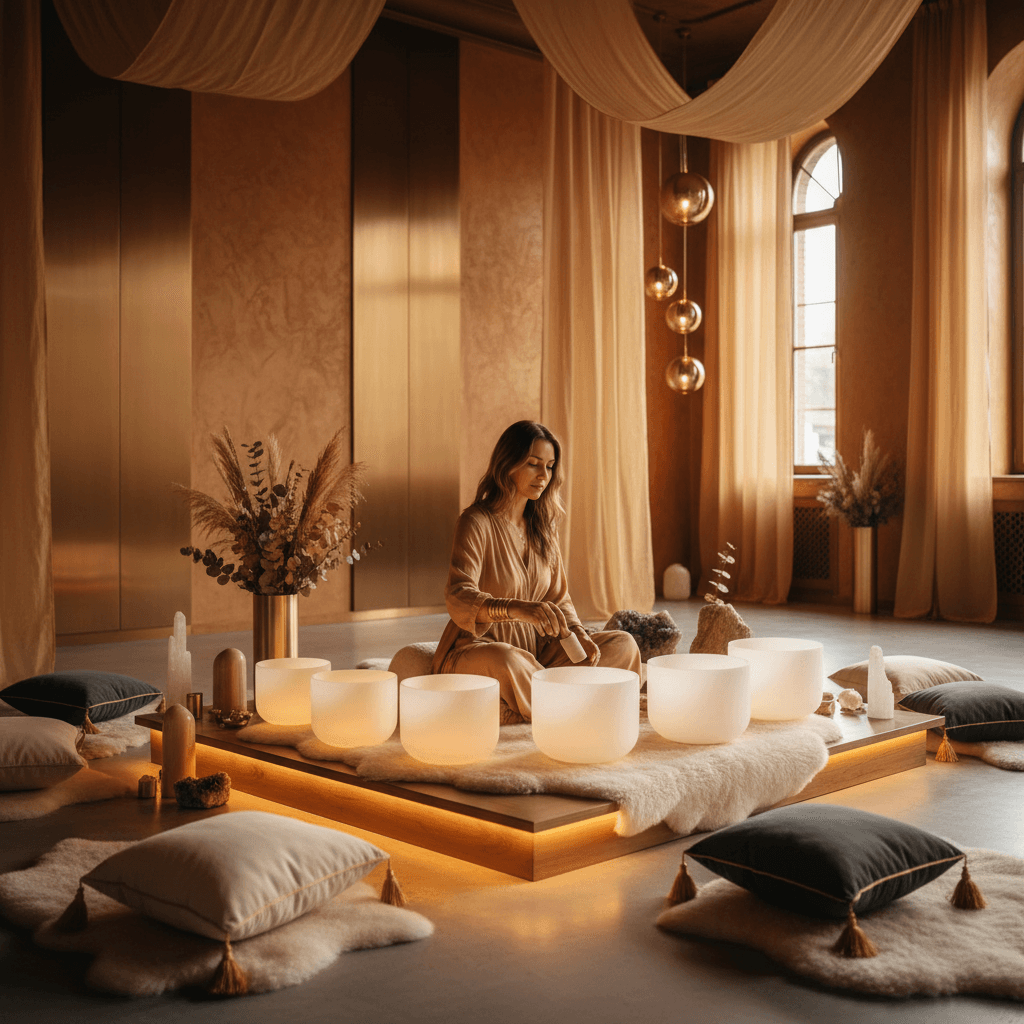
The session typically begins with participants settling into a comfortable position, often lying down, as Larissa Steinbach skillfully introduces a symphony of therapeutic sounds. The deep, sustained vibrations of Tibetan gongs permeate the air, creating a full-body experience that may help to release stored physical tension and mental anxiety. This is complemented by the pure, crystalline tones of crystal singing bowls, whose frequencies resonate with different energy centers, promoting a sense of balance and clarity.
"The subtle shift from chaos to clarity within oneself is the most profound preparation for resolving external conflicts with compassion and insight."
As the soundscape evolves, the mind, initially perhaps racing with daily concerns, gradually quiets. The focus naturally shifts to the present moment, allowing for a break from persistent rumination and emotional reactivity. This mental quietude is crucial; it fosters a state of heightened awareness without judgment, enabling individuals to gain a more objective perspective on stressors and potential conflicts.
The experience is deeply personal, yet in a group setting, it creates a powerful collective resonance. A shared journey into calm may foster an unspoken sense of unity and psychological safety among team members. This collective relaxation acts as a powerful reset button, enabling individuals to return to their interactions from a place of renewed clarity, decreased tension, and increased empathy, ready to engage in more constructive dialogue.
Larissa Steinbach's Vision for Team Harmony at Soul Art
At Soul Art, Dubai's premier sound wellness studio, Larissa Steinbach meticulously curates experiences that transcend mere relaxation, aiming for profound personal and collective transformation. Larissa's vision for team harmony is rooted in the understanding that external conflict often mirrors internal discord. By addressing the inner landscape through sound, she empowers individuals to approach external challenges with greater resilience and wisdom.
Larissa's approach at Soul Art is distinguished by its blend of ancient wisdom and contemporary scientific understanding. She integrates practices that have been refined over centuries with insights from modern neuroscience, ensuring each session is both deeply intuitive and strategically impactful. This holistic method targets the nervous system, aiming to cultivate a stable, peaceful internal environment.
Soul Art offers bespoke corporate wellness sessions specifically designed to address team dynamics and foster psychological safety. These sessions are not generic; they are tailored to the unique needs and challenges of each organization, ensuring maximum relevance and impact. Larissa leverages a diverse array of therapeutic instruments, each chosen for its specific frequency and energetic properties.
Key instruments in her repertoire include:
- Crystal Singing Bowls: Known for their pure, resonant tones that may promote deep relaxation and mental clarity.
- Tibetan Gongs: Their powerful vibrations can facilitate a release of tension and emotional blockages, creating a sense of spaciousness.
- Koshi Chimes: These gentle, melodic chimes evoke a sense of lightness and serenity, often used to uplift and inspire.
- Other Therapeutic Instruments: Including various drums, shakers, and unique percussive elements that enrich the soundscape and deepen the immersive experience.
Beyond the sound, Larissa Steinbach often weaves in guided meditation and mindful intention-setting, further anchoring participants in a state of calm and purposeful collaboration. The aim is to equip teams with not just a temporary reprieve from stress, but also tools to integrate this renewed state of calm into their daily interactions, fostering sustainable patterns of open communication and mutual respect.
Cultivating Peace: Actionable Steps for Your Team
True team harmony is an ongoing practice, not a one-time achievement. Integrating proactive strategies for conflict resolution and stress management can profoundly shift your workplace culture. Larissa Steinbach and Soul Art advocate for consistent efforts to cultivate an environment where trust and psychological safety thrive.
Here are actionable steps your team can implement today to foster greater harmony:
- Prioritize Open Communication and Active Listening: Encourage dialogue where team members feel safe to express concerns without fear of judgment. Utilize "I" statements to articulate feelings and needs calmly and specifically, such as, "I felt overwhelmed when the deadline shifted unexpectedly, which made it hard for me to prepare." This focuses on personal experience rather than accusation.
- Establish Clear Boundaries and Shared Norms: Define expectations for interactions, decision-making, and workload distribution. Simple steps like establishing meeting norms (e.g., starting/ending on time, no interruptions) and respecting off-hours can reduce misunderstandings and foster trust.
- Recognize Early Signs of Conflict and Address Them Proactively: Be vigilant for increased tension, decreased communication, or passive-aggressive behavior among team members. Addressing these subtle indicators early can prevent escalation and demonstrate a commitment to a healthy work environment.
- Integrate Regular Wellness Breaks and Mindfulness Practices: Encourage employees to take short breaks for mindfulness or deep breathing. Proactively incorporate sound wellness sessions with Soul Art to reduce collective stress, reset emotional states, and create a shared foundation of calm from which to engage.
- Seek Facilitated Sessions for Deeper Harmony: For ongoing challenges or to proactively strengthen team bonds, consider professionally facilitated sessions. Soul Art offers unique sound wellness experiences that may support teams in collectively releasing stress and enhancing receptivity for improved communication and collaboration.
Empower your team with tools for calm and connection. Taking these steps not only mitigates conflict but also builds a resilient, trusting, and genuinely harmonious workplace.
In Summary: The Path to Harmonious Collaboration
Conflict is an inherent, and often valuable, part of human interaction, especially within dynamic teams. However, its management dictates whether it becomes a destructive force or a catalyst for growth and deeper understanding. The scientific evidence clearly illustrates that a regulated nervous system, supported by practices like sound wellness, is foundational for fostering open communication, empathy, and collaborative problem-solving.
By integrating complementary approaches such as those offered by Soul Art Dubai, led by Larissa Steinbach, organizations can proactively reduce workplace stress, enhance emotional regulation, and cultivate an environment where trust flourishes. This leads to not just the resolution of disputes, but the creation of genuine team harmony, where individuals feel safe, heard, and deeply connected. Embrace the transformative power of sound to guide your team towards a more peaceful, productive, and truly harmonious future.
Bookings Coming Soon
Soul Art is still in preparation. Session details and booking will be published here after launch.
Coming Soon
Wellness Disclaimer: This article is for educational and informational purposes only. It does not constitute medical advice, diagnosis, or treatment. Soul Art Dubai provides non-medical wellness experiences focused on relaxation, stress management, and general wellbeing. Sound wellness is a complementary practice and should not replace professional medical care.
Related Articles
Sound Resilience for First-Time Managers: Thrive as a New Leader
Harmonizing Global Teams: Sound Healing for Time Zone Stress
Acoustic Alchemy: Designing Meeting Rooms for Calm & Clarity