The Resonant Word: Unlocking Creativity with Sound for Writers
Key Insights
Explore the neuroscience connecting sound and literary creativity. Discover how sound wellness can enhance focus and flow for writers at Soul Art Dubai.
The Resonant Word: Unlocking Creativity with Sound for Writers
Have you ever wondered why some writers read their work aloud, or why a certain piece of music unlocks a torrent of words? The relationship between sound, language, and the creative process is far more intricate and scientifically grounded than you might imagine. It’s a delicate dance within the brain, shaping how we perceive, process, and produce the written word.
At Soul Art, Dubai's premier sound wellness studio, we delve into the profound connections between our auditory experiences and our cognitive functions. This article will explore the fascinating neuroscience behind the literary mind, revealing how our brains process words as both abstract concepts and resonant sounds. We’ll uncover how incorporating sound wellness practices, such as those championed by Larissa Steinbach, may support enhanced focus, emotional depth, and a more fluid creative flow for writers.
Understanding these mechanisms is not just academic; it offers practical pathways to cultivate an environment that nurtures your creative spirit. For writers, whose craft demands deep immersion and a symphony of internal voices, harnessing the power of sound can be a transformative step towards greater well-being and literary flourish. It’s about creating a harmonious inner landscape where words can truly sing.
Unraveling the Neural Tapestry: How the Brain Processes Words and Sound
The act of writing, seemingly solitary and visual, is deeply intertwined with our auditory processing systems. Modern neuroscience reveals that the brain navigates language in complex ways, bridging abstract thought with sensory experiences. Understanding this intricate neural tapestry can provide profound insights for anyone seeking to enhance their creative output.
The Abstract Nature of Language: Beyond Spoken and Written Forms
Groundbreaking research, like that led by Professor Brenda Rapp at Johns Hopkins, suggests that our brains possess "abstract" representations of words and syntactic structures. These are neither purely spoken nor exclusively written, but rather a deeper, formless level of understanding. A writer, therefore, may compose largely at this abstract level, with the spoken or written forms serving as vehicles for these deeper concepts.
Intriguingly, Rapp's studies have demonstrated that the brain supports writing and speaking through distinctly separated neural pathways. This separation isn't merely about controlling the hand versus the mouth; it extends to the very core of the language system, governing how words are structured and put together. This distinction highlights the brain's specialized architecture for different modalities of language.
The Inner Voice and Imaginative Simulation
For many writers, the act of creation involves an internal monologue, a "hearing" of the words before they appear on the page. Psychologist Charles Fernyhough posits that creating fiction demands extensive imaginative simulation, heavily reliant on phonological (sound-based) and visual forms of processing. He suggests that to craft a compelling narrative, a writer must "put yourself there in the situation," inhabiting the world and characters they create.
This internal auditory experience is crucial. While some writers may achieve total immersion without consciously hearing words in their heads, Fernyhough believes that reading fiction inherently "fills the mind with voices." This perspective aligns with the long-held instincts of writers and is increasingly backed by emerging scientific understanding of brain function. It suggests that the interplay between our inner auditory landscape and our creative output is profound.
Poetry, Emotion, and Brain Activation
The power of literary language, particularly poetry, to evoke strong emotions and complex meanings is reflected in distinct brain activity. Studies using fMRI (functional Magnetic Resonance Imaging) have provided remarkable insights into this phenomenon. For instance, research has shown that the brain is hardwired for poetry, activating different regions depending on the nature of the text.
- Emotional Resonance: Highly emotive poetic passages have been associated with increased activation in areas on the right side of the brain. These regions largely overlap with those activated by music that moves listeners to feel "chills or shivers down their spines," highlighting a shared neural pathway for processing deeply affecting auditory and literary experiences.
- Literary Awareness: Passages rated as more "literary" tend to light up areas predominantly on the left side of the brain. This includes the basal ganglia, a region involved in both regulating movement and processing challenging, complex sentences. This suggests that the brain engages in non-automatic processing to uncover deeper meaning.
- "A-ha Moments" and Reward: When subjects encountered unexpected twists or profound insights—what researchers call "a-ha moments"—their brains showed strong activation in the inferior parietal lobes, an area associated with recognition and a sense of psychological reward. This indicates that engaging with complex literary text can lead to a lively activation of the mind and a rewarding cognitive experience.
These findings suggest that poetry, and by extension, evocative prose, doesn't just convey information; it orchestrates a complex symphony of brain activity that integrates emotional response, cognitive challenge, and a sense of discovery.
Creative Writing: A Symphony of Brain Regions
The process of creative writing is far from a simple, linear function; it's a testament to the brain's capacity for complex, holistic integration. An fMRI study on the neural correlates of creative writing highlights that composing a literary story is not localized to any single brain area or cerebral function. Instead, it involves a vast network of cognitive processes.
This research indicates that "brainstorming" and story planning involve more than just idea generation. They comprise extensive mental imagination that actively prepares for the subsequent writing-execution phase. This holistic approach supports the idea that creative writing integrates various cognitive processes, including the sophisticated task management handled by regions like the dorsolateral prefrontal cortex (dlPFC) and dorsal anterior cingulate cortex (dACC).
Ultimately, creative writing requires weaving together semantically divergent concepts with rich, perceptually descriptive information. This integrative process relies on brain networks that handle novel semantic associations and sensory details, much like those involved in episodic memory. The brain effectively creates an imagined reality, complete with its own sights, sounds, and feelings, before it even reaches the page.
Translating Neurobiology into Enhanced Creativity and Well-being
Understanding the intricate neural dance between sound, language, and creativity isn't just a scientific pursuit; it offers profound implications for practical application. For writers and creative thinkers, translating this neurobiological insight into tangible practices can unlock new levels of focus, inspiration, and overall well-being. This connection forms the very foundation of sound wellness.
The brain's distinct processing of speech and writing, while operating on abstract principles, consistently draws upon sensory experiences. When a writer hears words in their head or reads aloud, they are engaging both their auditory and linguistic systems, fostering a deeper, more integrated connection with their text. This act may support greater coherence between different brain regions, enriching the creative process.
Moreover, the historical relationship between writers and sound technology offers a compelling precedent. As early as the turn of the twentieth century, modernist writers like Ezra Pound, inspired by figures like Luigi Russolo, keenly observed and incorporated the "noise" of modern life—engines, crowds, early sound recordings—into their works. They used these innovations as resources for depicting the self and addressing a "crisis of representation," demonstrating an imaginative engagement with the sonic world around them. This suggests that the soundscape, internal and external, has long been a potent, albeit often unacknowledged, source of inspiration.
The emotional resonance of sound, as seen in the fMRI studies on poetry, directly influences our brain's reward pathways. When specific frequencies or musical compositions evoke a sense of calm or inspiration, they are not just pleasant; they are actively shaping our neural state. This can foster an environment conducive to deep work, reducing distractions, and enhancing our capacity for "literary awareness"—the ability to find meaning in complex texts and craft them ourselves.
Clients often report that a quiet, focused environment, or one curated with specific ambient sounds, allows them to drop into a state of "flow" more easily. This deep immersion is where imaginative simulation thrives, where the inner voices of characters become clearer, and where abstract ideas begin to coalesce into concrete language. The rhythmic qualities of certain sounds can gently guide brainwave states towards alpha or theta frequencies, which are often associated with creativity, introspection, and enhanced learning. This vibrational experience moves beyond mere background noise, becoming an active participant in the creative process.
By consciously engaging with sound, whether through mindful listening or structured sound wellness sessions, individuals can actively influence their cognitive states. This might involve reducing the cognitive load from internal chatter, soothing the nervous system to minimize stress, or stimulating specific brain regions associated with imaginative thought. The goal is to create an optimal mental climate, allowing the delicate dance between the brain's speech and writing centers to unfold with grace and power.
Soul Art: Harmonizing the Literary Mind with Sound Wellness
At Soul Art, Larissa Steinbach has meticulously crafted an approach that leverages the profound power of sound to support holistic well-being, including the nuanced needs of the literary mind. Our philosophy is rooted in the understanding that optimal creative flow emerges from a state of inner balance and heightened awareness, states that sound can uniquely facilitate.
Larissa Steinbach’s method integrates ancient wisdom with contemporary scientific understanding. She recognizes that the "silent" act of writing profoundly benefits from the vibrational properties of sound. Rather than simply providing background noise, Soul Art sessions aim to create a deeply immersive sonic environment designed to guide the brain into states optimal for focus, introspection, and imaginative thought.
What makes the Soul Art method truly unique is its personalized and intentional application of specific sound frequencies. We don't just play music; we create carefully curated soundscapes using a diverse array of instruments renowned for their pure tones and resonant qualities. These include:
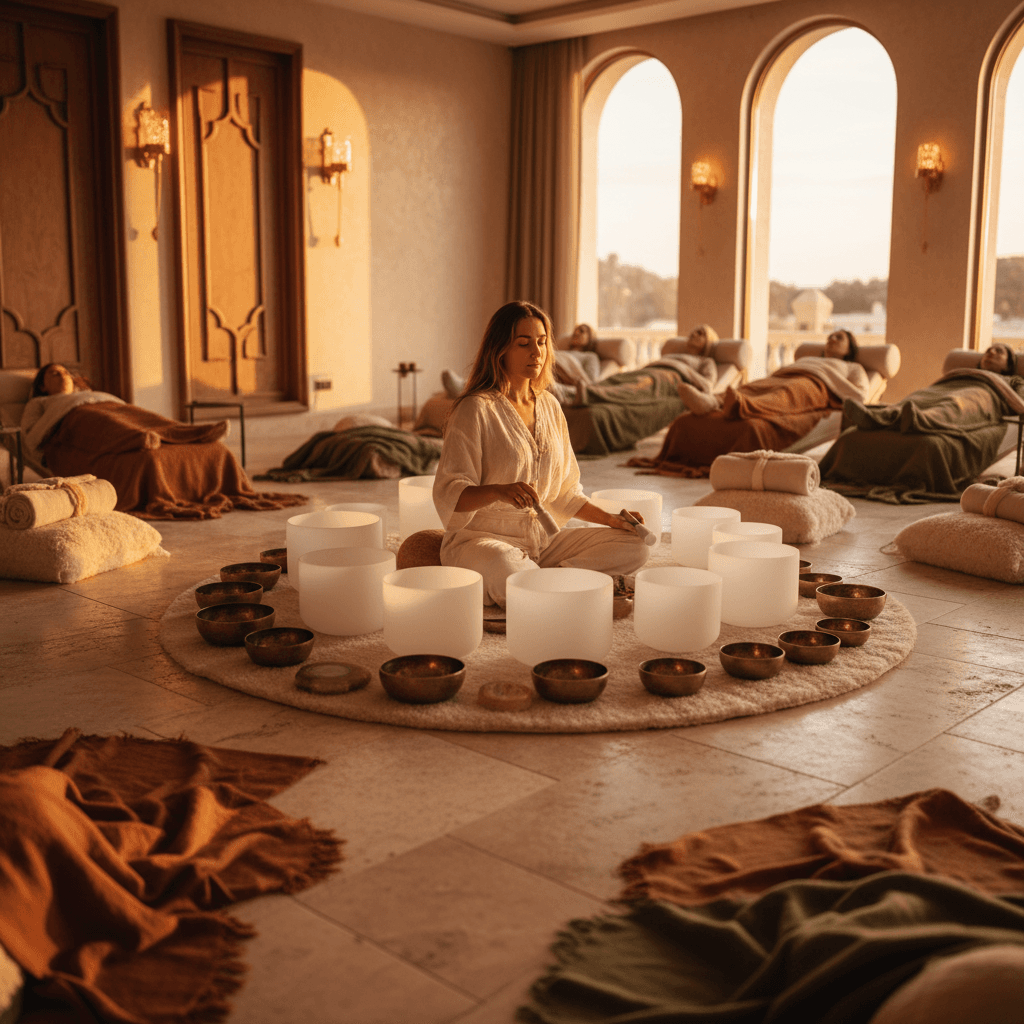
- Himalayan Singing Bowls: Their rich, sustained vibrations are known to harmonize brainwave activity, promoting deep relaxation and meditative states that are ideal for creative contemplation.
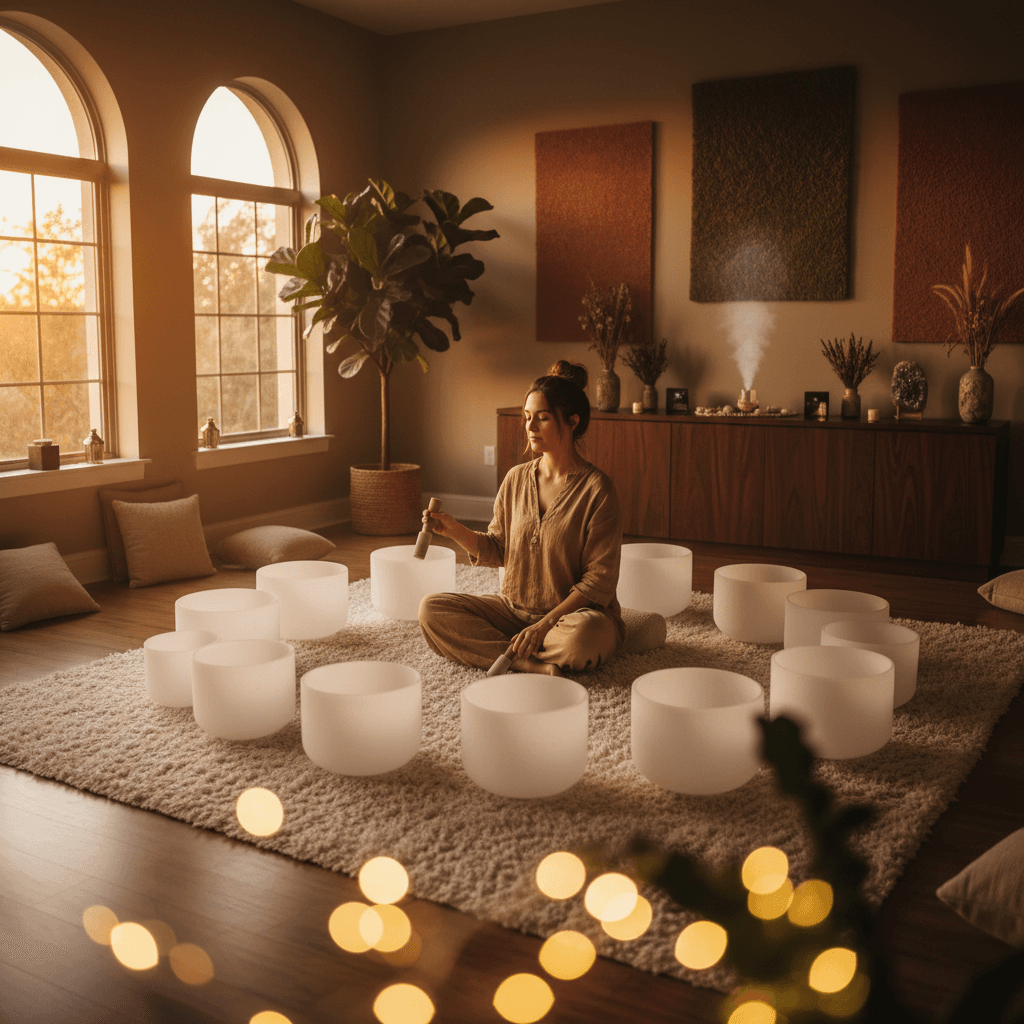
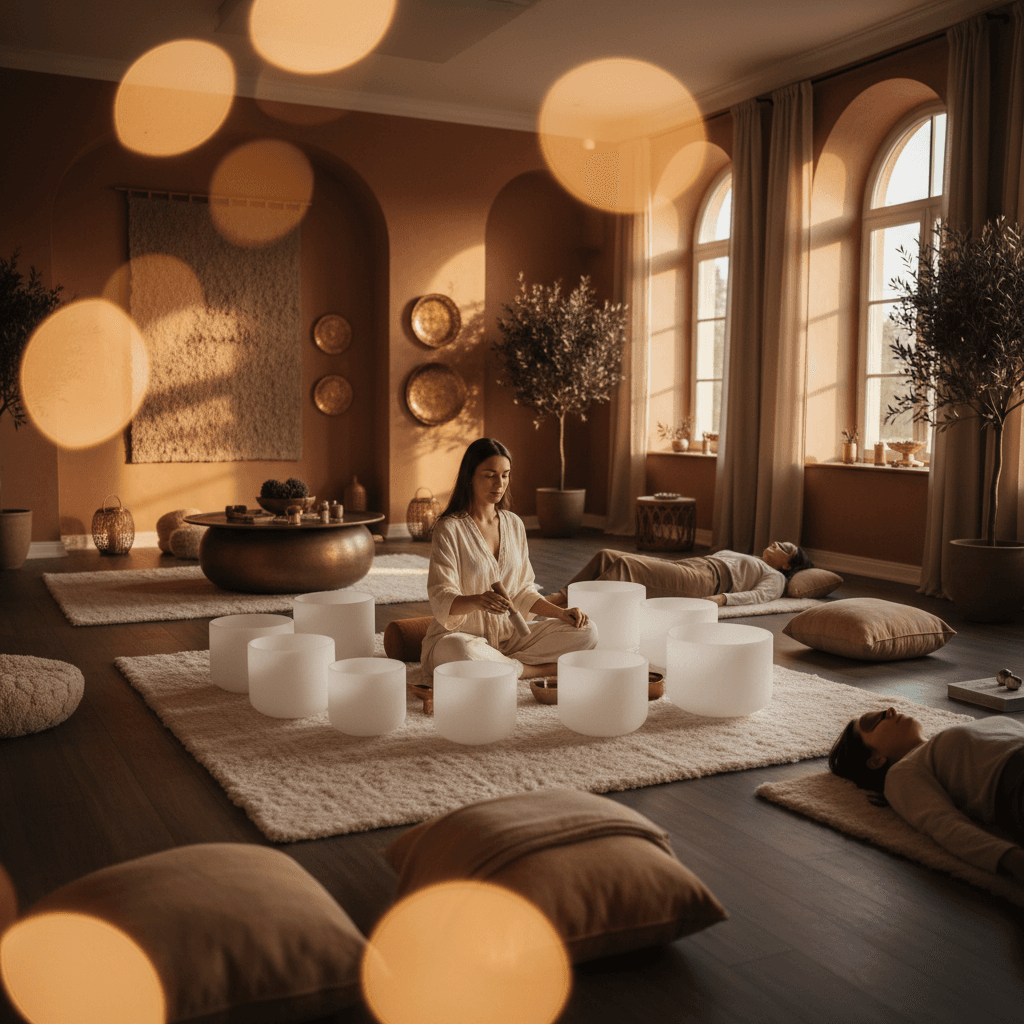
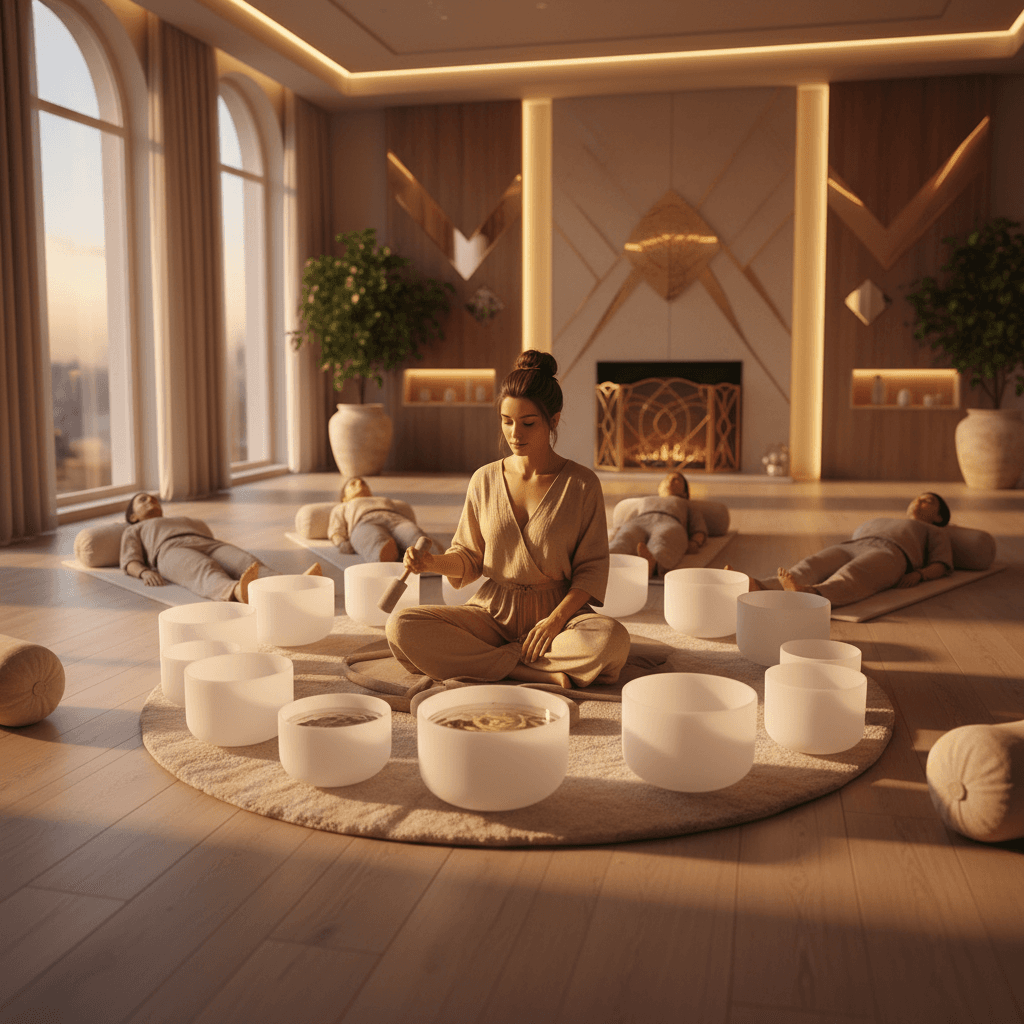
- Crystal Singing Bowls: These bowls produce pure, ethereal tones that may support mental clarity and emotional release, clearing the mental space necessary for new ideas to emerge.
- Gongs: The powerful, complex overtones of gongs can induce a state of profound calm, helping to quiet the analytical mind and foster a sense of expansive awareness crucial for breakthrough thinking.
- Chimes and Other Percussion: These instruments add intricate layers of texture, stimulating the auditory cortex and inviting a playful, explorative mindset.
Each session, whether individual or group, is guided by Larissa Steinbach or one of our expert practitioners. They intuitively assess the needs of the participants, selecting instruments and techniques that may best support their journey towards creative alignment. The experience is designed to be a "vibrational encounter," where the body and mind are immersed in therapeutic frequencies.
This immersive experience aims to:
- Reduce Cognitive Noise: By providing a focused auditory anchor, sound sessions may help to quiet the constant internal chatter that often hinders creative focus.
- Enhance Brainwave Coherence: Specific frequencies are used to encourage brainwave states (like alpha and theta) associated with deep relaxation, intuition, and innovative thinking.
- Foster Emotional Equilibrium: The calming effects of sound can alleviate stress and anxiety, creating a more stable emotional foundation from which creativity can flourish.
- Stimulate Sensory Integration: For writers, this means potentially strengthening the connection between the abstract world of words and the sensory details that bring stories to life.
Through the Soul Art approach, writers and creative individuals can discover a powerful complementary tool for their craft. It's about tuning into a deeper rhythm, both internal and external, that allows the literary mind to explore, expand, and articulate its most resonant ideas.
Cultivating Your Creative Flow: Practical Steps for Writers
Harnessing the power of sound for creative well-being is an accessible journey, not just an abstract concept. You can begin integrating sound into your daily routine to support your literary endeavors and enhance your overall sense of calm and focus. These practical steps, inspired by the principles of Soul Art, can help cultivate an environment where your ideas can flourish.
Here are a few actionable steps you can take today:
- Designate "Quiet Contemplation" Time: Schedule short periods (10-15 minutes) of complete silence before you begin writing or brainstorming. This allows your internal auditory landscape to settle, potentially making your inner creative "voice" clearer. Pay attention to ambient sounds and how they affect your concentration.
- Experiment with Background Sound: Explore different types of non-lyrical music, ambient soundscapes (nature sounds, binaural beats, lo-fi), or instrumental tracks while writing. Some research suggests that background music with high emotional valence and arousal, often associated with feelings of happiness, may support enhanced creativity and persistence during tasks. Observe what resonates with you and aids your focus without distracting.
- Practice Mindful Listening: Take a few minutes each day to simply listen to the sounds around you—the hum of the city, the rustle of leaves, the distant voices. Engage with sound as a conscious sensory experience, much like you might observe a visual scene. This practice can sharpen your auditory perception, which may enrich your descriptive writing.
- Incorporate Rhythmic Breathwork: Before writing, spend a few minutes focusing on your breath. Deep, rhythmic breathing can help regulate your nervous system and transition your brain into a more relaxed, creative state. Consider doing this in conjunction with calming instrumental music to deepen the effect.
- Explore Sound Wellness Sessions: For a more immersive and deeply restorative experience, consider booking a sound bath or sound healing session. At Soul Art, these guided sessions, led by Larissa Steinbach and her team, are specifically designed to reduce stress, enhance mental clarity, and open pathways to deeper creative insights through intentional sound immersion.
By consciously engaging with sound, you can actively shape your creative environment and support the complex neural processes that underpin your writing. These practices are not meant to be rigid rules but gentle invitations to explore how sound can become an ally in your literary journey.
Bookings Coming Soon
Soul Art is still in preparation. Session details and booking will be published here after launch.
Coming Soon
In Summary: The Resonant Path to Literary Flourish
The intricate relationship between writers and sound is a fascinating intersection of neuroscience, psychology, and artistic practice. We’ve explored how the brain processes language at both abstract and sensory levels, with distinct neural pathways for speaking and writing. The internal "voices" writers hear and the emotional impact of evocative language are deeply rooted in our auditory and cognitive systems, activating specific brain regions that promote "literary awareness" and profound psychological rewards.
Creative writing is a holistic endeavor, integrating imagination, semantic associations, and sensory details across a complex network of brain areas. Sound, whether through mindful listening, carefully chosen background music, or structured wellness practices, has the potential to profoundly influence this neural symphony. It can create an optimal inner environment, reduce stress, and guide the brain into states conducive to deep focus and inspired thought.
Larissa Steinbach's Soul Art studio offers a unique pathway to harness this power, providing expertly guided sound wellness sessions designed to harmonize the literary mind. By embracing the intentional use of sound, writers can unlock new dimensions of creativity, foster greater well-being, and allow their words to resonate with unparalleled depth. It's an invitation to align your inner soundscape with your creative aspirations.