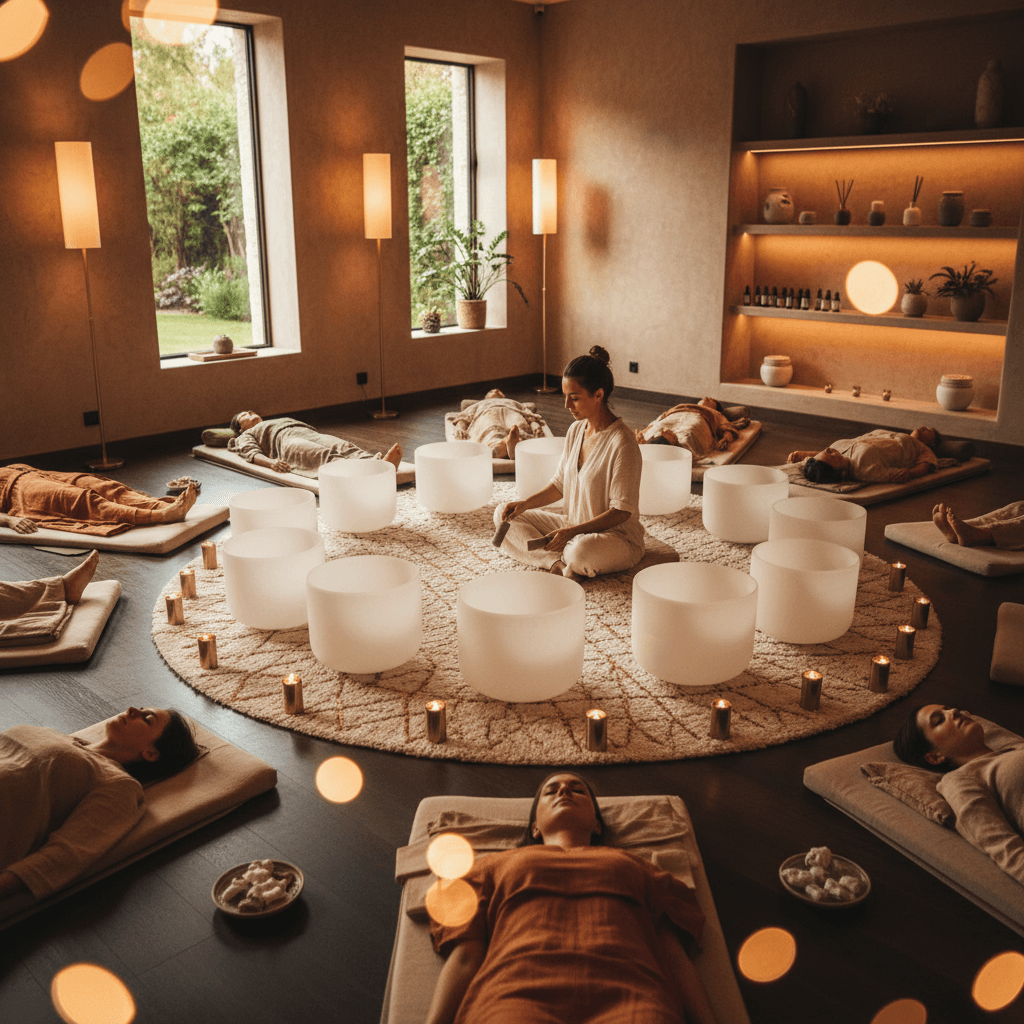
Sound for Spatial Creativity: Architects & Holistic Wellbeing
Key Insights
Explore how sound influences architectural design, boosts creativity, and enhances wellbeing. Discover Soul Art's unique approach with Larissa Steinbach.
Imagine a building not just seen, but deeply felt – a space whose very atmosphere encourages innovative thought, profound calm, and heightened connection. For too long, the visual has dominated architectural discourse, yet a growing body of scientific evidence suggests that sound is an equally, if not more, potent force in shaping our experience of the built environment. What if the secret to unlocking new dimensions of spatial creativity and human wellbeing lies not in what we see, but in what we hear and feel?
This article delves into the transformative power of sound in architectural design, exploring how thoughtfully crafted sonic environments can significantly enhance creativity, cognitive function, and overall wellness. We will journey through the fascinating science of sound perception, examine its practical applications in modern architecture, and discover how Soul Art, under the guidance of Larissa Steinbach, is pioneering a holistic approach to spatial wellbeing in Dubai. Prepare to have your understanding of space, and your potential within it, profoundly expanded.
The Science Explained
The intricate relationship between sound and our physiological and psychological states is a subject of rigorous scientific inquiry, revealing how deeply our auditory environment influences everything from mood to cognitive performance. Our brains are constantly interpreting sound, not just as isolated noises but as a fundamental component of our spatial experience and emotional landscape. This goes beyond mere acoustics; it's about the very essence of how we perceive and interact with space.
The Multisensory Impact of Sonic Environments
Scientific studies underscore the multifaceted nature of sound's role in shaping human perception, social interactions, and environmental quality. Sound is a primary sense through which we experience the world, capable of evoking emotions, establishing atmosphere, and defining spatial boundaries in ways visual elements sometimes cannot. Research has demonstrated that exposure to specific frequencies may influence neural circuits, impacting mood, cognition, and even physical health, as noted by Levitin in psychoacoustics studies. Indeed, our understanding of sound as spatial has evolved significantly; while once debated, today we readily accept that hearing allows us to discern where sounds originate and their proximity.
Poor acoustic environments, often plagued by unwanted noise, may contribute to increased stress levels, cognitive fatigue, and impaired concentration. This is particularly evident in workplaces, where constant noise can disrupt focus and reduce efficiency, potentially leading to long-term health issues like elevated blood pressure and disrupted sleep patterns. Conversely, consciously designed soundscapes may enhance comfort, promote mental clarity, and support overall wellbeing for occupants.
The Power of Natural Soundscapes (Biophilia in Action)
The concept of biophilia, our innate human connection to nature, extends profoundly into the auditory realm. Research published in Scientific Reports has demonstrated that nature-based sounds, such as flowing water, rustling leaves, or birdsong, may reduce the body’s fight-or-flight response and enhance the rest-and-digest state, promoting relaxation and recovery. This highlights how sound design in biophilic architecture can directly improve occupant wellbeing, elevating mood and increasing focus.
Furthermore, studies have shown a clear distinction in cognitive impact between different types of soundscapes. Anthrophonic soundscapes, characterized by human-generated noise, have been associated with a potential impairment of cognitive function by as much as 45%. In stark contrast, biophonic (sounds of nature) and geophonic (sounds of the earth, like wind or rain) soundscapes may enhance cognitive performance by 51% in focused tasks and improve cognitive function by 22% respectively. This preliminary research underscores the psychological benefits of integrating natural sound elements into our built environments, suggesting a healthier sonic atmosphere.
Sound, Space, and Cognitive Flow
Architectural design, by its very nature, demands exceptional creativity and spatial ability. The ability to read, interpret, and visualise spatial information is paramount, yet the role of sound in this process is often underestimated. Emerging technologies like virtual reality (VR), augmented reality (AR), and interactive media are now offering new opportunities for creating immersive and interactive spatial experiences, blurring the boundaries between physical and virtual environments through sound. By embracing digital tools, architects can push the boundaries of creativity, designing spaces that respond dynamically to user needs and preferences.
The exploration of sound in architectural design holds great promise for fostering creativity and enriching the human experience. It transcends merely acoustic performance, inviting consideration of the environmental impact and the potential to create spaces that are both aesthetically pleasing and ecologically responsible. This interdisciplinary collaboration, bridging theory and practice, science and art, tradition and innovation, may unlock new possibilities for creativity and coexistence in the built environment.
How It Works in Practice
Translating the science of sound into tangible architectural experiences involves a sophisticated understanding of how auditory elements interact with physical space and human psychology. It’s about moving beyond noise reduction to active soundscaping – intentionally shaping sonic environments to evoke specific feelings, enhance particular activities, and support overall wellbeing. Architects are increasingly recognizing sound as a foundational design material, as important as light or texture.
When clients experience spaces designed with sound in mind, the transformation can be profound. Imagine stepping into a bustling urban office building, only to find the communal areas filled with the subtle, calming ambience of a forest or the gentle murmur of flowing water. This is not incidental; it is the result of deliberate sound design, where effective sound systems and acoustics filter harmful noise pollution while introducing soothing nature-based soundscapes. These spaces may alleviate the stress associated with urban life, fostering a sense of calm and promoting sustained focus, ultimately enhancing productivity.
In healthcare facilities, the integration of calming, nature-based acoustics, such as the soft sound of rain, may support patient recovery and reduce anxiety. Educational institutions might use specific soundscapes to enhance concentration and reduce classroom distractions, creating environments more conducive to learning. Renzo Piano's "Ark" for Prometeo, for instance, famously used moving sound sources to create a profound sense of space through auditory perception, effectively treating architecture as a musical instrument. This approach underscores the potential for architectural projects to be designed, built, and even performed in ways that allow audiences to perceive space more extensively through sound.
The experience is deeply sensory. You might feel a lightness in a space where unwanted low-frequency hums have been meticulously eliminated, or a heightened sense of tranquility as targeted biophonic sounds gently wash over you. Architects are uniquely positioned to shape environments that not only meet aesthetic and functional goals but also actively support human health. By prioritizing acoustic wellbeing from concept to material selection, they can create spaces that are truly holistic in their impact, contributing to long-term comfort, productivity, and social harmony.
As Oliveros suggests, "> Acoustic space is where sound and space converge, creating a dynamic relationship between what is heard, how it is heard, and the environment in which it is heard." This perspective highlights that we truly hear through architecture, making it a powerful medium that can shape social interactions and direct human behavior towards greater wellbeing.
The Soul Art Approach
At Soul Art Dubai, Larissa Steinbach brings this profound understanding of sound and space to life, offering a unique methodology that transcends conventional acoustic design. Larissa's approach is rooted in the belief that intentionally crafted sound environments can serve as powerful catalysts for wellbeing, creativity, and inner harmony. She views sound not merely as an audible phenomenon, but as a vibrational medium that interacts with our bodies and minds at a fundamental level.
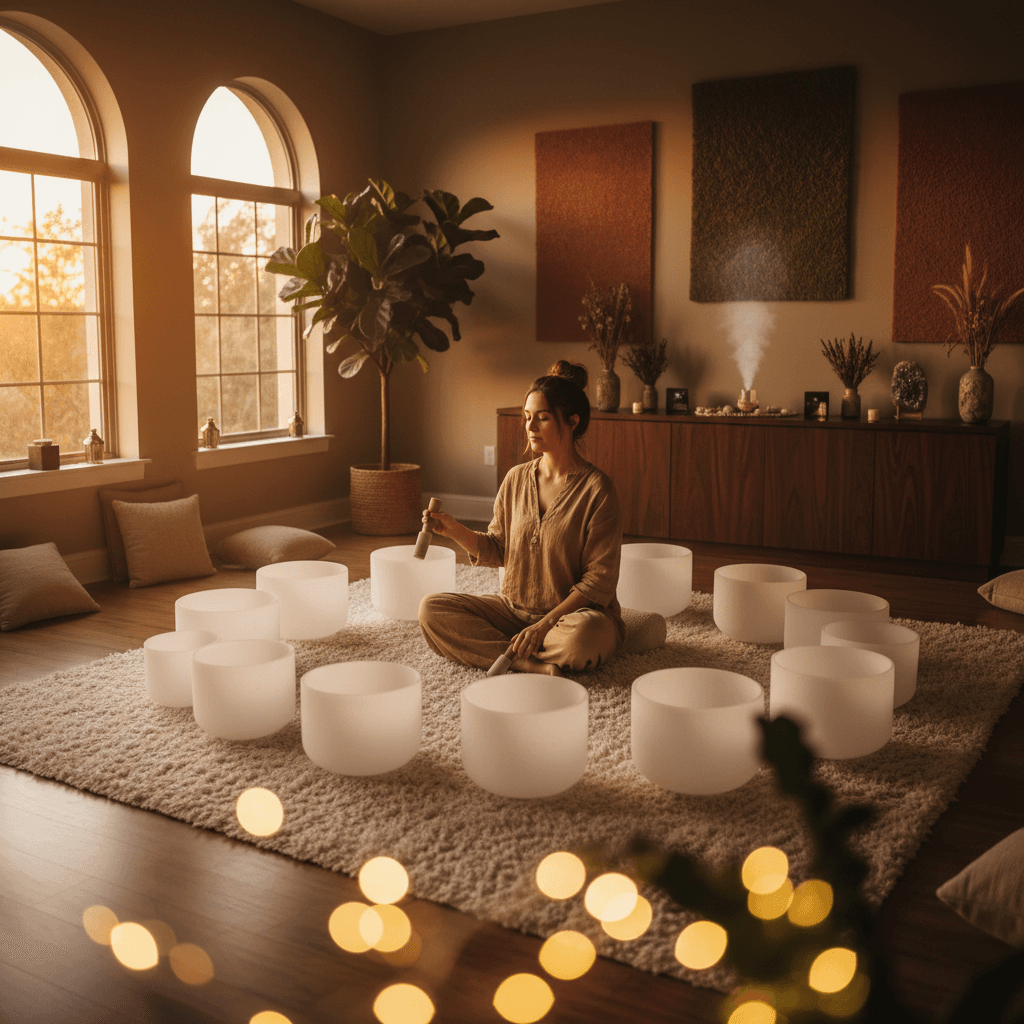
The Soul Art method integrates scientific principles of psychoacoustics and neuroaesthetics with ancient wisdom traditions that recognize the healing potential of sound. Larissa Steinbach designs sonic experiences that aim to balance the nervous system, reduce stress, and promote states of deep relaxation and expansive creativity. This is achieved through carefully curated soundscapes and live sound journeys that feature a range of instruments, including Himalayan singing bowls, crystal bowls, gongs, chimes, and other therapeutic instruments. Each session is a bespoke composition, responsive to the specific needs and intentions of the space and its occupants.
What makes the Soul Art method unique is its focus on creating "resonant, harmonious spaces" – environments where specific frequencies may stimulate different neural circuits, fostering a sense of calm, clarity, and heightened awareness. Larissa's work with architects and designers involves consulting on how to integrate these principles into new and existing structures, transforming them from mere physical enclosures into vibrant, restorative sanctuaries. This might include recommendations for passive measures, such as incorporating biophonic environments, or active measures involving bespoke sound systems that deliver tailored acoustic experiences.
Larissa Steinbach’s vision for Soul Art extends beyond the individual session; it aims to influence the very fabric of our built environment, fostering a culture where acoustic comfort and sonic wellbeing are considered essential pillars of sustainable, human-centered design. It's about empowering individuals and professionals, particularly architects, to unlock new possibilities for innovation, expression, and engagement within their creations.
Your Next Steps
Embracing the power of sound for spatial creativity and personal wellbeing is an accessible journey. Even without a full architectural redesign, you can begin to cultivate more harmonious sonic environments in your life and work today.
- Mindful Listening: Take a "soundwalk" in your own environment. What sounds dominate? Which uplift you, and which create tension? Becoming aware is the first step.
- Integrate Biophonic Elements: Introduce natural soundscapes into your workspace or home through high-quality recordings of rain, forest ambience, or ocean waves. Many people report this enhances focus and reduces stress.
- Prioritize Acoustic Comfort: Identify sources of unwanted noise and explore solutions. This could be as simple as adding soft furnishings, using sound-absorbing panels, or strategically placing indoor plants to absorb sound.
- Explore Sonic Wellness Practices: Engage in self-care practices like listening to therapeutic frequencies or guided sound meditations. These complementary approaches may support nervous system regulation and promote deep relaxation.
- Consult a Sound Wellness Expert: For architects and designers, consider integrating a sound wellness consultant early in your design process. Larissa Steinbach and Soul Art offer expertise in creating spaces that resonate with the essence of human existence.
Soul Art is still in preparation. Session details and booking will be published here after launch.
Bookings Coming Soon
Soul Art is still in preparation. Session details and booking will be published here after launch.
Coming Soon
In Summary
The impact of sound on architectural design and human experience is undeniably profound. Scientific research consistently highlights how thoughtful soundscaping can enhance creativity, cognitive function, and overall wellbeing, transforming spaces into environments that genuinely resonate with our inner selves. From the calming effects of biophonic soundscapes to the precise manipulation of acoustic properties, architects have an unprecedented opportunity to design holistically. Soul Art, founded by Larissa Steinbach, stands at the forefront of this movement, offering expert guidance and unique sound wellness experiences that bridge the gap between science and art. By embracing the power of sound, we can unlock new dimensions of spatial creativity and cultivate environments that truly nourish the human spirit.
Wellness Disclaimer: This article is for educational and informational purposes only. It does not constitute medical advice, diagnosis, or treatment. Soul Art Dubai provides non-medical wellness experiences focused on relaxation, stress management, and general wellbeing. Sound wellness is a complementary practice and should not replace professional medical care.
Related Articles
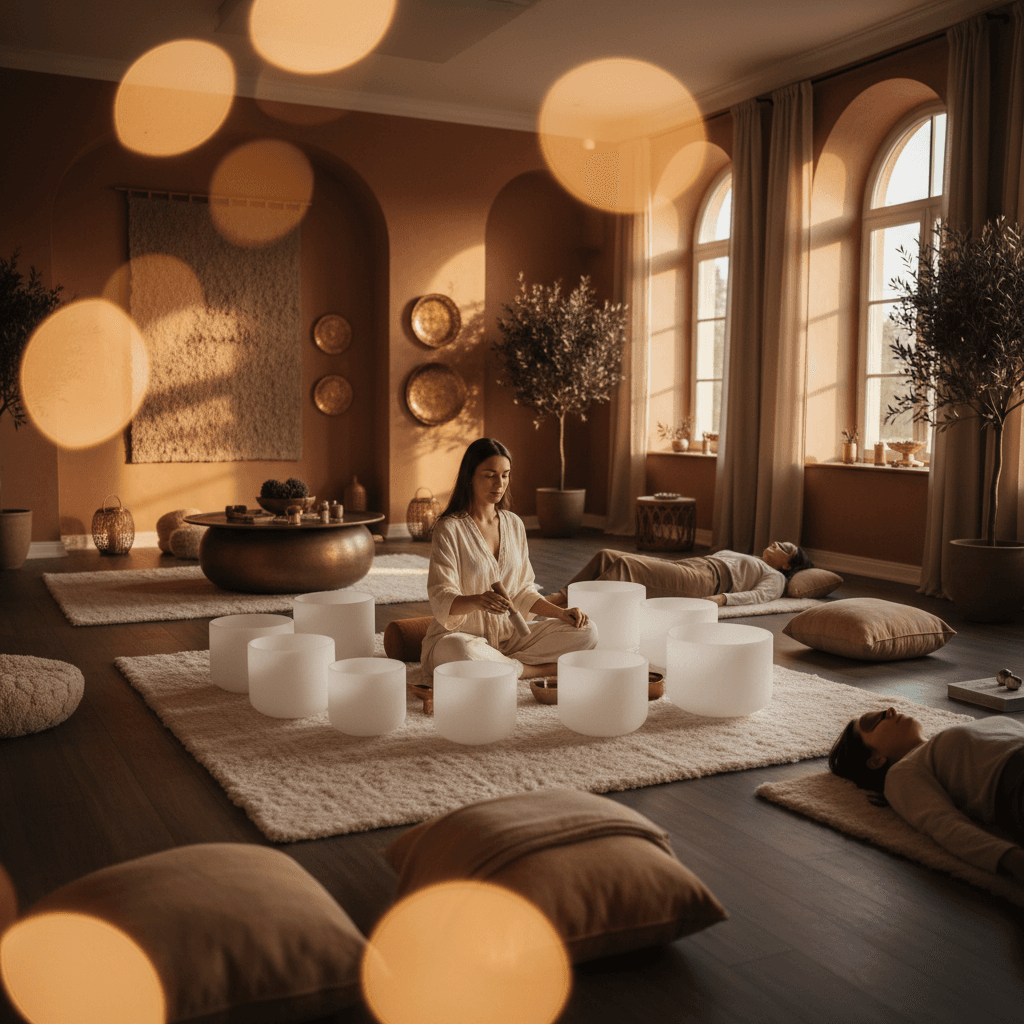
Sabbatical Sound: Unlock Creative Rest & Return with Soul Art
The Sound of Thought: UX Design, Sound, and User Well-being

Mastering Dramatic Impact: Sound for Screenwriters