Sound Boundaries for Overachievers: Reclaiming Well-being

Key Insights
Discover how sound wellness and mindful practices can help overachievers set healthy boundaries and recover from workaholism.
Workaholic Recovery: Sound Boundaries for Overachievers
In our hyper-connected world, where the lines between work and personal life blur, many high-achievers find themselves caught in an endless cycle of productivity. Is it possible that the very drive that fuels success can also lead to burnout, dissatisfaction, and a profound struggle to disconnect? A 2024 study involving psychology students in Germany highlighted that while workaholics might initially fare better under specific conditions, the long-term impact on overall life satisfaction and health can be severe.
This article delves into the intricate relationship between workaholism, mental well-being, and the scientifically-backed strategies for recovery. We will explore how establishing "sound boundaries" – both literal and metaphorical – through mindful practices, including the transformative power of sound wellness, can guide overachievers towards a more balanced and fulfilling existence. Join us as we uncover how to reclaim your time, energy, and inner peace, moving from an "always-on" state to a state of sustainable success and genuine well-being.
The Science Explained: Unraveling the Workaholic Mindset and Path to Recovery
Workaholism is far more complex than simply working hard; it's characterized by an uncontrollable compulsion to work excessively, often coupled with a deep, internal drive that makes it difficult to disengage, even when not working. This persistent drive often stems from a perception that one’s self-worth is intrinsically tied to external achievements and constant contribution. As Miriam Njoku notes, "workaholics use work to derive their sense of worth," often comparing themselves to others and seeking external validation.
The Detrimental Toll of Overworking
The relentless pursuit of achievement can inflict significant costs on physical, emotional, and psychological health. Research consistently shows a correlation between workaholism and reduced life satisfaction, with higher scores on workaholism scales linking to less enjoyment in life (Clark, 2016). A 2004 study differentiated between "work enthusiasts" and "work addicts," finding that work addicts reported more health complaints than any other group, highlighting the vast difference between passionate engagement and compulsive addiction.
Workaholics frequently exhibit signs of burnout, a state of emotional, physical, and mental exhaustion caused by prolonged or excessive stress. This can manifest as presenteeism – going to work despite feeling sick – making errors that impact performance, and a general decline in well-being and happiness (Schaufeli et al., 2009). The brain of a workaholic can find it exceptionally difficult to "switch off," leading to persistent rumination about work tasks and a struggle to mentally detach even after hours. Studies indicate that while simple interventions like reflecting on personal goals can help many employees disengage, workaholics often benefit the least due to a deep attachment to work goals (Tu et al., forthcoming in Journal of Applied Psychology).
The Neurobiology of Stress and Recovery
Understanding the physiological impact of chronic overworking is crucial for recovery. When constantly engaged in demanding work, the body often remains in a heightened state of sympathetic nervous system activation, commonly known as the "fight or flight" response. This state releases stress hormones like cortisol and adrenaline, which, over prolonged periods, can lead to chronic inflammation, weakened immune function, and increased risk of cardiovascular issues.
Effective recovery, therefore, involves consciously activating the parasympathetic nervous system, responsible for the "rest and digest" response. This shift promotes physiological calm, reducing heart rate, blood pressure, and muscle tension, allowing the body to repair and restore itself. However, for workaholics, the brain's neural pathways become heavily wired for constant activation, making this transition challenging. They often develop irrational beliefs, such as "I must finish this task," which perpetuate the cycle of overwork, a pattern often addressed through cognitive restructuring in therapeutic approaches like Rational Emotive Behavioral Therapy (REBT; Ellis, 1957; Chen, 2006).
The Crucial Role of Daily Recovery and Mindful Disengagement
Contrary to the belief that weekends or annual vacations are sufficient for recovery, research overwhelmingly suggests that daily recovery efforts are more impactful (Derks & Bakker, 2014; Oerlemans & Bakker, 2014). Micro-breaks, lunch breaks, and engaging in relaxing activities throughout the day contribute significantly to well-being and sustained performance, reducing the need for extensive recovery later.
Activities that facilitate recovery are those that allow employees to disengage from work and recharge their cognitive and physical resources. These might include:
- Relaxing activities: Passive leisure such as lying on the couch, reading, or listening to music.
- Social activities: Connecting with friends and family.
- Low-effort activities: Hobbies that require minimal mental exertion.
The challenge for workaholics lies in their inability to mentally detach, even when physically away from work. This makes tailored recovery support essential. Embracing practices that deliberately foster disengagement and mental stillness can help rewire the brain, creating new pathways for relaxation and genuine rest. This includes creating clear personal and professional boundaries and prioritizing restful sleep and leisure activities.
"Workaholics have a deep attachment to work goals that makes it harder for them to mentally step away, limiting the intervention’s effectiveness and flagging these employees as a priority group for tailored recovery support." – Tu et al.
How It Works in Practice: Experiencing Detachment through Sound
For overachievers constantly battling the urge to remain 'on,' the concept of actively doing nothing can feel counterintuitive, even anxiety-inducing. Yet, it is precisely within this intentional pause that profound recovery can begin. Sound wellness offers a unique and highly effective pathway to achieve this vital state of detachment and deep rest.
The Embodiment of Sound and Stillness
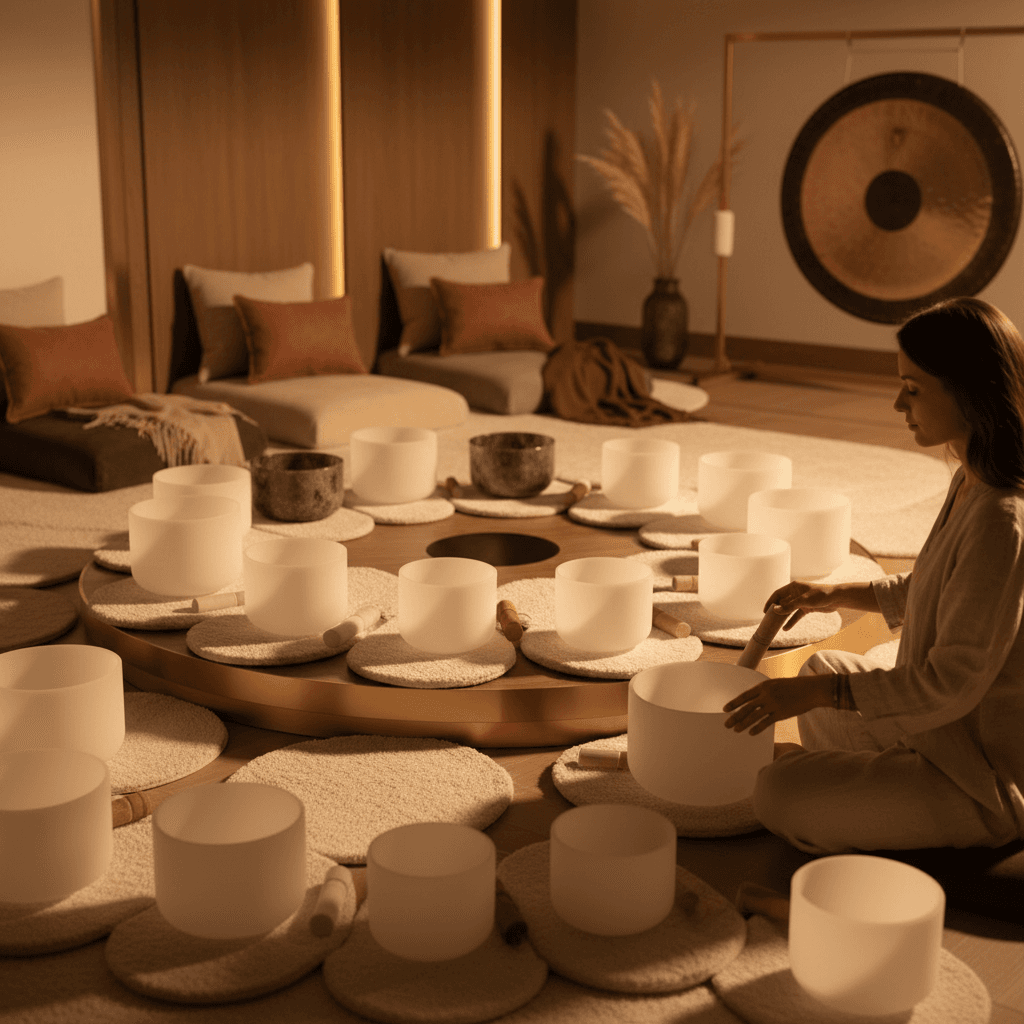
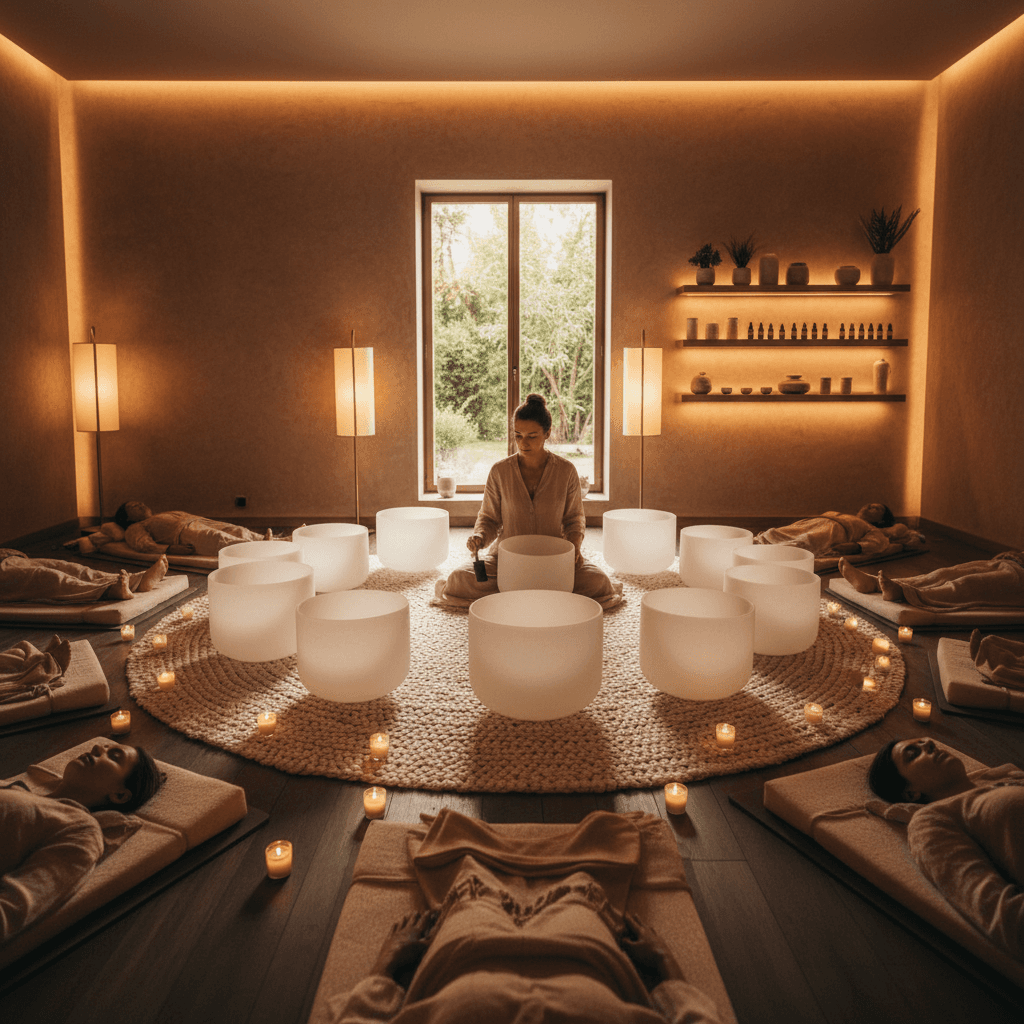
Imagine stepping into a serene space, softly lit and infused with a calming aroma. You settle onto a comfortable mat, perhaps cocooned under a blanket, and close your eyes. The journey begins not with a mental exercise, but with a visceral experience. Gentle, resonant sounds begin to fill the air – the deep hum of a gong, the shimmering sustain of crystal singing bowls, the subtle vibrations of tuning forks.
These isn't just background noise; it is a meticulously crafted soundscape designed to guide your brainwaves from an active, beta state (common during focused work) to more relaxed alpha and theta states, akin to meditation or the cusp of sleep. The external stimuli of the sound essentially "overrides" the mind's tendency to ruminate or plan, offering a focal point that is both engaging and non-demanding. Clients often describe a feeling of being gently enveloped, the vibrations passing through their body, subtly releasing tension they didn't even realize they were holding.
A Sensory Journey to Restoration
During a sound wellness session, the primary goal is to foster a state of passive reception, allowing the sound frequencies to do the work. The rich harmonics and sustained tones help quiet the inner dialogue, providing a temporary respite from the incessant demands of the achievement-oriented mind. For many workaholics, this is one of the rare instances where their minds can truly rest without guilt or the pressure to perform.
The sensory experience is profound:
- Auditory: The intricate layers of sound create a sonic tapestry that draws the listener in, yet allows the mind to wander freely without judgment.
- Tactile: The vibrations are not just heard but felt, permeating tissues and cells, promoting a deep sense of physical relaxation. This can be particularly beneficial for releasing stored stress and tension.
- Emotional: As the nervous system downshifts, clients often report a release of emotional burdens, a sense of clarity, and a profound feeling of peace. It's an opportunity to process emotions that are often suppressed during busy work periods.
This practice provides a safe, guided environment to practice letting go, a skill that is paramount for workaholic recovery. It helps cultivate a greater self-awareness, allowing individuals to recognize their patterns of stress and to consciously choose moments of rest. The experience is not about abandoning ambition, but about learning to sustain it through conscious, holistic care.
The Soul Art Approach: Larissa Steinbach's Vision for Balanced Living
At Soul Art, Dubai's premier sound wellness studio, Larissa Steinbach has cultivated a unique sanctuary specifically designed to address the modern challenges of stress, burnout, and workaholism. Her approach integrates the ancient wisdom of sound healing with a contemporary understanding of neuroscience and well-being, offering overachievers a scientifically-grounded path to recovery and sustainable success.
A Philosophy Rooted in Resonance and Restoration
Larissa Steinbach’s philosophy centers on the belief that true achievement is not just about external accomplishments, but about cultivating inner harmony and resilience. She recognizes the immense pressure faced by high-performers and has tailored Soul Art’s offerings to help them rediscover their inner compass, moving away from an externally-driven sense of worth to one that is internally grounded. Her vision is to empower individuals to set effective "sound boundaries" – not just through sound, but by instilling mindful practices that create lasting shifts in behavior and mindset.
The Unique Soul Art Method
The Soul Art method is distinctive in its holistic integration of diverse sound instruments and mindful guidance. Larissa carefully curates each session to optimize the therapeutic benefits of sound, aiming to harmonize the body’s energetic centers and calm the nervous system. This intentional blend promotes deep relaxation, mental clarity, and emotional release, making it a powerful complementary approach to traditional stress management techniques.
Key elements that make the Soul Art method unique include:
- Curated Soundscapes: Utilizing a rich array of instruments such as Himalayan singing bowls, crystal singing bowls, gongs, and tuning forks. Each instrument is chosen for its specific vibrational qualities and ability to resonate with different parts of the body and mind.
- Frequencies for Well-being: The sessions leverage specific frequencies and harmonic intervals known to induce states conducive to relaxation and healing. For example, certain frequencies can encourage brainwave states associated with deep meditative states (theta waves), which are vital for recovery and cognitive restoration.
- Guided Presence: Larissa Steinbach’s expertise extends beyond simply playing instruments; she guides participants through the experience, fostering a sense of safety, presence, and profound introspection. This gentle guidance helps even the most active minds surrender to the process.
- Conducive Environment: The studio environment itself is designed as a haven of tranquility, allowing clients to fully immerse themselves in the experience without external distractions, promoting a complete sensory reset.
Soul Art sessions are not merely passive experiences; they are active engagements with self-care that offer concrete tools for managing stress and cultivating resilience. Many people report feeling more grounded, focused, and equipped to handle daily challenges after regular sessions, contributing to an enhanced capacity for establishing healthy boundaries in their professional and personal lives. The studio offers both group sound baths and personalized private sessions, catering to individual needs and recovery journeys.
Your Next Steps: Building Sound Boundaries for Sustainable Success
Recovering from workaholism and establishing healthy boundaries is a journey, not a destination. It requires intentional practice and a commitment to self-care that redefines your relationship with work and achievement. Here are actionable steps you can implement today to begin cultivating a more balanced and fulfilling life:
- Prioritize Conscious Breaks: Integrate micro-breaks (5-10 minutes) every hour during your workday. Step away from your screen, stretch, take a few deep breaths, or engage in a brief, non-work-related activity. Research supports that even short breaks can significantly reduce stress and prevent burnout.
- Establish Clear Digital Boundaries: Designate specific "unplugged" times each day, especially in the evenings and on weekends. This might mean turning off work notifications, leaving your work phone in a different room, or avoiding work-related emails after a certain hour. This physical and mental detachment is crucial for true recovery.
- Cultivate Self-Awareness through Journaling: Take a few minutes each day to reflect on your feelings, energy levels, and triggers for overworking. A journal can help you identify irrational beliefs or thought patterns, such as "I must finish this," allowing you to challenge and reframe them over time.
- Engage in Purposeful Leisure: Actively schedule and protect time for hobbies, social activities, and passive relaxation. These activities should be non-work-related and genuinely enjoyable, helping to recharge your cognitive and emotional resources. Remember, recovery is not just about avoiding work, but actively engaging in restorative pursuits.
- Integrate Sound Wellness into Your Routine: Consider sound wellness as a powerful tool for deep relaxation and nervous system regulation. Experiences such as those offered by Larissa Steinbach at Soul Art Dubai provide a unique opportunity to achieve profound mental and physical detachment, creating the mental space for new, healthier habits to flourish.
Embracing these steps can help you move from a reactive, always-on state to a proactive, intentionally balanced way of living. Reclaim your time, energy, and inner peace, setting "sound boundaries" that support your overall well-being and allow you to thrive sustainably.
Bookings Coming Soon
Soul Art is still in preparation. Session details and booking will be published here after launch.
Coming Soon
In Summary: Reclaiming Your Rhythm
Workaholism, driven by a compulsive need to achieve, exacts a heavy toll on an overachiever's life satisfaction and health, preventing true recovery. Scientific research underscores the critical importance of daily detachment and parasympathetic nervous system activation to counteract the chronic stress of overworking. While traditional approaches like CBT offer cognitive restructuring, complementary practices such as sound wellness provide a profound, sensory pathway to quiet the mind and reset the nervous system.
Larissa Steinbach’s Soul Art studio offers a unique blend of ancient wisdom and modern understanding, guiding individuals towards establishing crucial "sound boundaries." By integrating mindful practices and the resonant power of sound, overachievers can foster genuine detachment, cultivate self-awareness, and reclaim a balanced, fulfilling life. Discover how to transform your relationship with work, enhance your well-being, and thrive with sustainable energy.
Wellness Disclaimer: This article is for educational and informational purposes only. It does not constitute medical advice, diagnosis, or treatment. Soul Art Dubai provides non-medical wellness experiences focused on relaxation, stress management, and general wellbeing. Sound wellness is a complementary practice and should not replace professional medical care.
Related Articles
Sound Resilience for First-Time Managers: Thrive as a New Leader

Harmonizing Global Teams: Sound Healing for Time Zone Stress
Transforming Workplace Conflict: Sound for Team Harmony