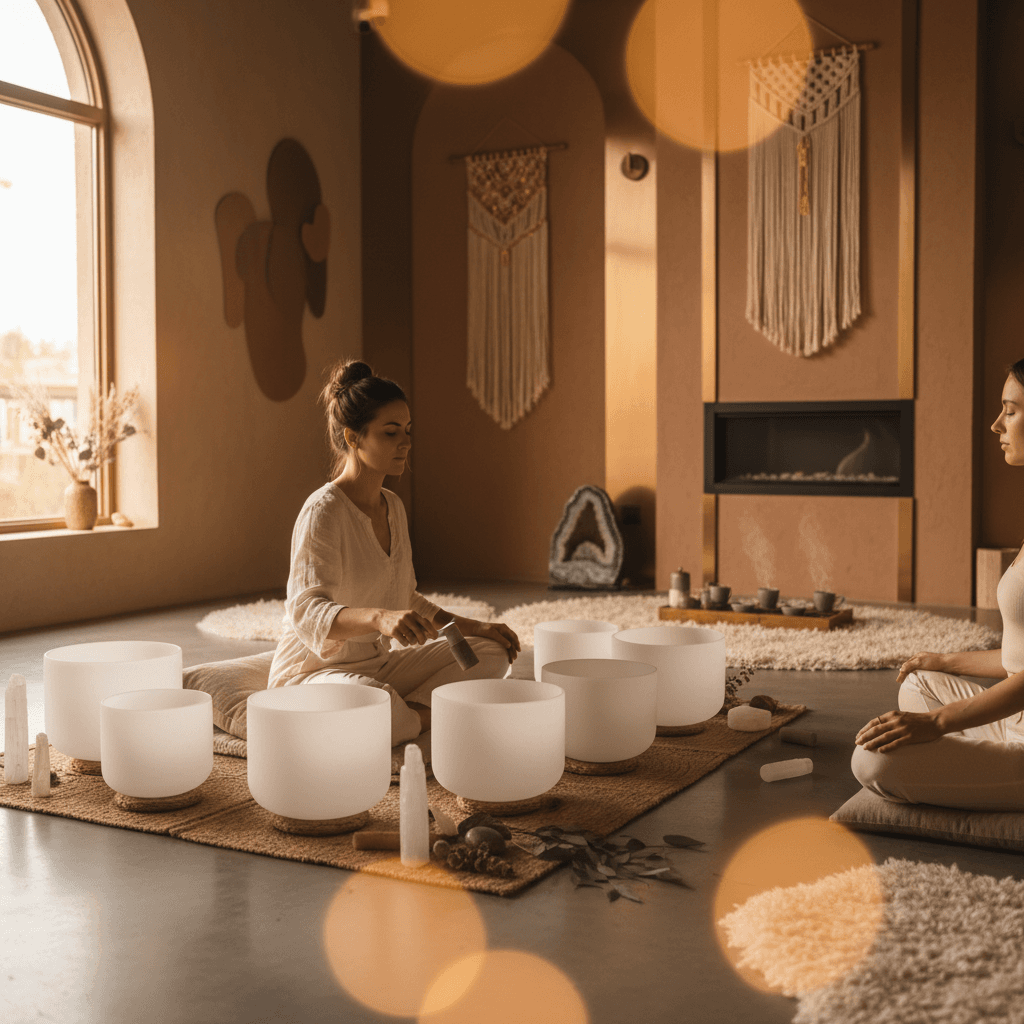
Work Stress Spillover: Harmonizing Your Transition with Sound Wellness
Key Insights
Discover how work stress truly impacts your entire life and how sound wellness, particularly Soul Art's methods, can create a vital transition, fostering calm and resilience.
The Invisible Weight: Understanding Work Stress Spillover and Your Well-being
In the bustling, high-stakes environment of modern work, the idea that we can neatly compartmentalize our stress—leaving work anxieties at the office door and home worries behind when we clock in—is a pervasive but ultimately misleading myth. Many of us try to erect these mental barriers, believing we can simply "block out" pressures from one domain as we transition to another. However, groundbreaking research, including studies using MRI machines, reveals that the mere attempt to suppress emotions consumes significant cognitive energy, leading to reduced productivity and increased cognitive fatigue (Next Evolution Performance, 2024).
This phenomenon is known as "work/life stress spillover," a bidirectional force where stresses from one area of life inevitably impact performance and well-being in another (Next Evolution Performance, 2024). It's a hidden burden that doesn't respect artificial boundaries, impacting everything from physical health and emotional stability to intellectual capacity and behavioral patterns (Stress Ed., 2024). This article delves into the science behind this pervasive issue, exploring how work stress infiltrates our entire being and, crucially, how the unique approach of sound wellness at Soul Art, guided by Larissa Steinbach, may support a profound transition, helping you reclaim balance and inner harmony.
We will uncover how your nervous system functions under cumulative stress and why traditional coping mechanisms often fall short. More importantly, we'll illuminate the powerful role of sound as a complementary practice to manage this spillover, offering a bridge to calm and resilience. Understanding these dynamics is the first step towards a more integrated, peaceful existence, even amidst the demands of a busy life.
The Science Explained: Why Your Stress Follows You
The notion that stress can be confined to a single domain of our lives is fundamentally at odds with how our nervous system operates. When stressors arise, regardless of their source, they trigger a complex physiological response involving multiple bodily systems (Stress Ed., 2024). This response, designed for short-term threats, remains active within us, traveling between locations and social setups, forming what scientists call the "spillover effect."
Defining the Spillover Effect: An Interconnected Web of Pressure
Work/life stress spillover describes how demands and pressures from work can negatively impact personal life, and vice versa. For example, demanding work hours, tight deadlines, or workplace conflicts can lead to chronic stress, manifesting as irritability at home, reduced time for family, and strain on personal relationships (Next Evolution Performance, 2024). Conversely, challenges in personal life can erode focus and productivity at work.
This is not a sign of weakness, but rather a fundamental aspect of how our nervous system processes cumulative load (Stress Ed., 2024). Our bodies do not categorize stressors into "work" or "home" compartments; they simply respond to the overall physiological and psychological burden. Trying to compartmentalize by "blocking out" stress is often an emotional coping strategy that, research suggests, is largely ineffective and can even be unhealthy long-term, burning valuable cognitive energy (Liane Davey, 2024; Next Evolution Performance, 2024).
The Body's Inescapable Stress Response: A Symphony of Disruption
When work demands exceed an individual's ability to cope, particularly in situations with limited control, the body's stress response shifts from enhancing focus to triggering harmful physical and mental health consequences (Know Your Mind Consulting, 2023). This chronic activation can lead to a cascade of disturbances across various aspects of well-being:
- Physical Disturbances: Persistent stress is associated with sleep disturbances, headaches, gastrointestinal upsets, and musculoskeletal disorders like chronic neck and shoulder tension (Frontiers, 2023; Know Your Mind Consulting, 2023). Elevated stress hormones can also contribute to cardiovascular issues, including high blood pressure (Know Your Mind Consulting, 2023).
- Emotional Disturbances: Prolonged work stress has been linked to increased risks of anxiety and depression (Frontiers, 2023; Know Your Mind Consulting, 2023). Individuals may experience mood swings and general irritability as the emotional load becomes overwhelming.
- Intellectual Disturbances: The cognitive toll of stress includes decreased concentration, impaired focus, and a significant lack of motivation (Frontiers, 2023; Know Your Mind Consulting, 2023). The mental fatigue from trying to suppress stress further exacerbates these cognitive challenges.
- Behavioral Disturbances: Unmanaged stress may lead to maladaptive behaviors such as substance abuse, increased absenteeism, poor motivation, and reduced ability to thrive at work (Frontiers, 2023; HBR, 2022). The transition into a new workplace, especially for young graduates, can be an exceptionally stressful event, and men, in particular, may face societal stigma preventing them from seeking necessary professional help (Frontiers, 2023).
"The workforce is tired. While sustainable job performance requires us to thrive at work, only 32% of employees across the globe say they’re thriving. With 43% reporting high levels of daily stress, it’s no surprise that a wealth of employees feel like they’re on the edge of burnout." - Harvard Business Review, 2022
The reality is that stress is cumulative and interconnected, infiltrating every part of our existence. Its impact doesn't pause when we switch environments; it remains within us, a continuous physiological state that demands conscious management.
The Hidden Costs of Unmanaged Stress: Ripple Effects on Organizations
Beyond individual suffering, the pervasive nature of unmanaged work stress imposes significant financial and operational costs on organizations. Research consistently points to reduced profitability, increased sick leave, and higher mental health leave requests as direct consequences of widespread work/life stress spillover (Next Evolution Performance, 2024). Furthermore, high levels of stress are a primary driver of staff turnover, as employees experiencing tension or stress are more than three times as likely to seek employment elsewhere (HBR, 2022).
This hidden "cancer," as one expert describes it, erodes an organization's most valuable asset: its people. Understanding the scientific basis of stress spillover is therefore not just a matter of personal well-being but a critical imperative for cultivating healthier, more sustainable work environments and thriving individuals. It underscores the urgent need for effective stress management strategies that acknowledge the interconnectedness of our lives.
How It Works in Practice: Bridging the Divide with Intentional Transitions
Given that compartmentalizing stress is largely ineffective, the crucial question becomes: how do we consciously manage the "spillover" and create healthier transitions between our demanding professional lives and our personal spaces? The persistent hum of work-related anxieties—the unfinished email, the looming deadline, the challenging client interaction—often follows us home, subtly influencing our interactions, sleep, and overall peace. This can manifest as an inability to fully "switch off," leading to persistent fatigue, poor focus even during leisure activities, and a general sense of being overwhelmed.
This is where the concept of an intentional "sound transition" emerges as a powerful complementary approach. Instead of merely trying to forget work, which burns cognitive energy, we can actively engage in practices that support our nervous system in shifting states. Traditional advice often suggests creating physical or temporal boundaries, like taking 15 minutes after leaving one place before arriving at another, or developing rituals like changing clothes to signify the end of the workday (Liane Davey, 2024). These methods aim to psychologically demarcate "work time" from "home time."
However, sound interventions offer a unique, immersive pathway to facilitate this internal shift. Sound bypasses the conscious, analytical mind, working directly on the autonomic nervous system. Specific frequencies and vibrations can gently guide the brain from a state of beta (alert, active) or high alpha (relaxed, yet focused) into deeper alpha (calm, meditative) and even theta brainwave states (deep relaxation, creativity). This shift is associated with a reduction in sympathetic nervous system dominance (our "fight or flight" response) and an increase in parasympathetic activity (our "rest and digest" response).
In practice, this means intentionally immersing oneself in a carefully curated sound environment. The rich, resonant vibrations begin to re-tune the body's energetic centers, helping to release stored tension, quiet mental chatter, and restore a sense of equilibrium. It's not about "blocking out" stress, but rather about creating a physiological and psychological buffer zone—a sacred space where the remnants of the workday can gently dissipate, allowing the individual to arrive more fully present and refreshed in their personal life. Many people report that engaging with specific sounds helps them to process their emotional reactions to stressors, making them more aware and in control (Liane Davey, 2024). This intentional sonic journey serves as a vital bridge, transforming the jarring transition from work to life into a harmonious and restorative experience.
The Soul Art Approach: Harmonizing Your Inner Landscape with Larissa Steinbach
At Soul Art, Dubai's premier sound wellness studio, the understanding of work stress spillover and the transformative power of sound is at the core of our philosophy. Larissa Steinbach, the visionary founder, has meticulously crafted an experience designed to address the profound need for nervous system regulation and mental clarity in today's demanding world. Her approach goes beyond mere relaxation; it is a scientifically informed and deeply intuitive process for re-tuning your entire being.
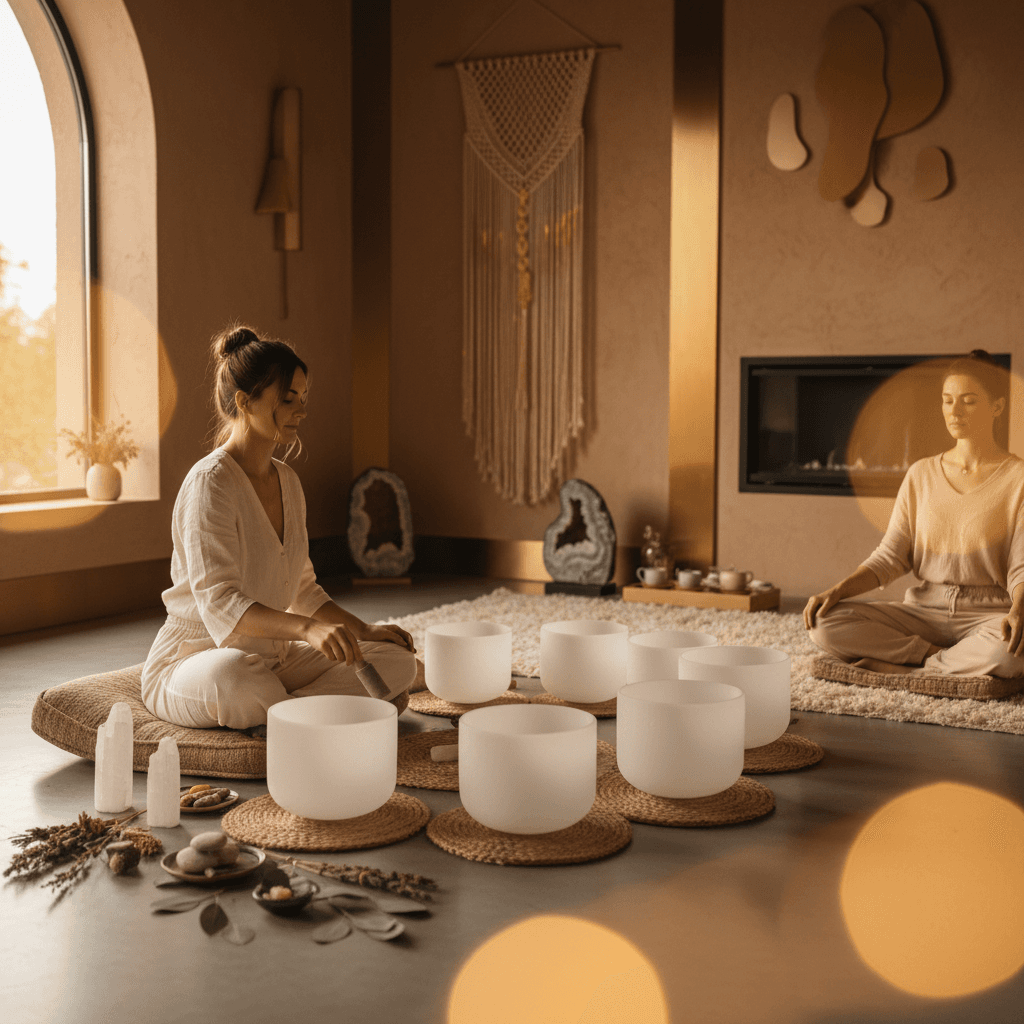
Larissa Steinbach applies these principles through a bespoke, holistic methodology that recognizes the unique energetic blueprint of each individual. The Soul Art method distinguishes itself through several key elements. Firstly, it leverages a curated collection of resonant instruments, including masterfully tuned gongs, crystal singing bowls, and chimes. These instruments are not merely played; they are intentionally activated to produce specific frequencies and overtones that resonate deeply within the body's cells and energy fields, facilitating a profound state of vibrational alignment.
What makes the Soul Art method truly unique is the combination of the carefully selected instruments with Larissa’s profound understanding of sound dynamics and human physiology. Each session is a thoughtfully constructed soundscape, designed to guide participants through a journey of progressive relaxation and inner discovery. The environment itself is part of the experience—a serene, luxurious space that complements the sonic journey, creating a true sanctuary from the external world.
During a Soul Art session, the powerful vibrations of the gongs and bowls work to gently shift brainwave states, encouraging the mind to move from active beta waves to more relaxed alpha and restorative theta states. This physiological shift is crucial for managing the spillover effect, as it helps to downregulate the sympathetic nervous system, reducing the physical manifestations of stress like muscle tension and rapid heart rate. Simultaneously, it activates the parasympathetic nervous system, promoting deeper breathing, enhanced digestion, and a profound sense of calm.
Under Larissa Steinbach’s expert guidance, clients experience more than just a sound bath; they engage in a personalized sound transition. This process may support the release of emotional blockages, facilitate deeper self-awareness, and enhance the body's innate capacity for self-regulation and healing. By providing a dedicated space and carefully crafted sonic environment, Soul Art offers a powerful complementary approach to proactively manage the relentless demands of modern life, allowing individuals to truly harmonize their inner landscape.
Your Next Steps: Cultivating Resilience Through Sound
Managing work stress spillover is an ongoing practice, not a one-time fix. Integrating intentional strategies into your daily routine can significantly enhance your resilience and overall well-being. Consider these actionable steps to create more harmonious transitions between your professional and personal life, and to leverage the power of sound for deeper relaxation and stress management:
- Implement Mindful Transitions: Create buffer time between work and home. Whether it's a short walk, a few minutes of silent reflection, or simply pausing before entering your home, these moments allow your mind to disengage from work. Liane Davey (2024) suggests creating rituals, like changing into comfortable clothes, to signal the end of the workday.
- Practice Conscious Breathing: Deep, mindful breathing techniques are powerful tools for activating the parasympathetic nervous system and slowing your heart rate (Liane Davey, 2024). Even a few minutes of slow, deliberate breaths can help regulate your stress response and shift your state from activated to calm.
- Integrate Short Sound Breaks: Leverage the accessibility of sound in your daily life. Listen to calming music, nature sounds, or even short guided meditations featuring sound elements during your commute, breaks, or while unwinding. Preliminary studies indicate diverse sounds may serve for therapeutic changes in stress management (JMIR Mental Health, 2025).
- Create a Personal "Decompression Zone": Designate a specific space or time at home as your sanctuary. This could be a quiet corner for reading, a warm bath with calming music, or a few moments dedicated to listening to resonant tones. This dedicated space reinforces psychological boundaries, signaling to your brain that it's time to transition.
- Explore Dedicated Sound Wellness Sessions: For a more profound and guided experience, consider booking a sound wellness session. Practices like those offered by Larissa Steinbach at Soul Art provide an immersive environment specifically designed to support deep nervous system regulation, helping you reset and release accumulated stress.
By actively engaging with these strategies, you empower yourself to navigate the complexities of modern life with greater ease and inner peace. These practices are not just about reducing stress; they are about cultivating a more present, engaged, and joyful existence, free from the lingering shadow of work stress spillover.
Bookings Coming Soon
Soul Art is still in preparation. Session details and booking will be published here after launch.
Coming Soon
In Summary: Reclaiming Harmony Through Sound
Work stress spillover is a scientifically validated phenomenon where professional pressures permeate personal life, impacting our physical, emotional, intellectual, and behavioral well-being. The notion of compartmentalizing stress is largely ineffective, as our nervous system responds to cumulative load, leading to chronic physiological activation and significant costs to individuals and organizations alike. Understanding this interconnectedness is vital for holistic self-care.
Sound wellness offers a powerful, complementary approach to manage this pervasive challenge. By engaging with specific frequencies and vibrations, individuals can gently guide their nervous system from states of high alert to profound relaxation, fostering a crucial transition from work-related stress to personal calm. This practice supports the release of tension, quiets mental chatter, and enhances the body's natural capacity for self-regulation.
At Soul Art, Larissa Steinbach provides a unique and luxurious sound wellness experience designed to create this vital "sound transition." Through expertly curated sessions featuring resonant instruments and a serene environment, Soul Art offers a sanctuary for nervous system regulation and inner harmony. Embrace the transformative power of sound to consciously manage work stress spillover and reclaim a balanced, more present life.
Wellness Disclaimer: This article is for educational and informational purposes only. It does not constitute medical advice, diagnosis, or treatment. Soul Art Dubai provides non-medical wellness experiences focused on relaxation, stress management, and general wellbeing. Sound wellness is a complementary practice and should not replace professional medical care.
Related Articles
Anniversary Sound: Deepening Love Through Vibrational Wellness
Sound for Recommitment: Deepening Vows with Soul Art
Attachment Styles: Sound for Security – Building Inner Resilience