Sound Wellness for Caregiver Couples: A Path to Renewal
Key Insights
Discover how sound wellness offers vital support for caregiver couples navigating chronic illness, enhancing emotional and physical resilience with Soul Art.
The enduring promise of "in sickness and in health" often tests the deepest bonds of a relationship, particularly when one partner becomes a long-term caregiver. While the dedication is profound, studies reveal an unexpected paradox: active caregiving, despite its undeniable demands, may actually help spouses cope better with the eventual loss of their partner. Yet, this doesn't diminish the immense emotional and physical toll the journey itself takes.
Imagine a space where the weight of responsibility can momentarily lift, where exhaustion gives way to deep rest, and anxiety softens into calm. This article delves into the intricate world of caregiver couples, exploring the science behind their experiences and revealing how sound wellness practices, particularly at Soul Art, may offer a transformative pathway to resilience, peace, and renewed connection. We will uncover the hidden strengths of active caregiving while addressing its inherent stresses, offering practical insights and a unique approach to holistic support.
The Unseen Burden: Understanding the Caregiver's Plight
Caregiving for a chronically ill spouse is a profound act of love, but it also presents a unique and often isolating set of challenges. It's a role that extends far beyond physical tasks, impacting every facet of the caregiver's life, from their emotional landscape to their physical health and social connections. Understanding this multifaceted burden is the first step toward finding meaningful support.
The Emotional and Physical Toll
Research consistently highlights the intense emotional and physical fatigue experienced by spouses caring for their ill partners. A qualitative study found that primary caregivers for terminally ill cancer patients often grapple with a "myriad of emotions, with negative feelings being particularly pronounced." These include profound loneliness, helplessness, and heightened vigilance, especially when confronted with a patient's fluctuating condition.
The emotional state is often more complex than simple fear or worry; it’s described as a "compounded emotion of deep, persistent panic, and fear intertwined." Caregivers' minds can be filled with deep apprehension about the imminent possibility of losing their loved one, making every subtle change in the patient's condition a source of alarm. One participant articulated this visceral experience, stating, "A few mornings ago, I suddenly noticed that my partner’s breathing had become abnormally rapid. His face was so pale that it was frightening, and his lips began to turn slightly purple. My heart tightened painfully, and I found myself gripping the bedsheets unconsciously."
Beyond these acute moments, the chronic nature of caregiving leads to sustained mental pressure, particularly as a patient's self-care ability diminishes. Many caregivers report feeling mentally exhausted, yearning for "a place to hide" even while acknowledging their inescapable commitment. This silent suffering underscores the critical need for interventions that support their emotional and mental wellbeing.
The Paradox of Active Caregiving
Intriguingly, not all aspects of caregiving are exclusively negative. A study published in the Journal of the American Medical Association (JAMA) by Richard Schulz and colleagues at the University of Pittsburgh revealed a compelling paradox: spouses who actively participate in caring for their sick partners often cope better after their partner's death than those who take a limited or no role. They also showed a lesser chance of experiencing depression, weight loss, and poor health post-loss.
Schulz suggests several reasons for this finding. Active caregiving may allow individuals to better prepare for the predictability of death, which can bring relief from demanding tasks and end the patient's suffering. It also enables the former caregiver to return to more normal activities, having been disrupted by caregiving demands. Furthermore, those who were "strained caregivers" before the death of their spouse tended to cope much better than those with less active roles.
Another study found that despite the burdensome nature, caregivers experience more positive emotions and fewer negative emotions when engaging in "active care" like feeding, bathing, or toileting. Researchers hypothesize that humans "may be hardwired so that actively attending to the concrete needs and feelings of others reduces our personal anxiety." This suggests a unique satisfaction derived from deeply nurturing a loved one, particularly for couples with a strong sense of interdependence where the "positive effects of active care were particularly strong." This sense of purpose and meaning, even amidst hardship, can augment global quality of life, fostering increased self-esteem, pride, and gratification.
The Dyadic Impact and Unseen "Shock Absorber"
Chronic illness doesn't just affect the individual; it impacts the entire family system, with the partner often serving as the primary "shock absorber." Research emphasizes the "significant impact of chronic illness on the partner and wider family," highlighting that partners' emotional responses can profoundly influence how patients appraise their illness and the coping strategies they engage in, both individually and as a couple. This dynamic interplay underscores that support for one partner inevitably benefits the other.
A study analyzing long-term household data on health shocks found that when one partner falls seriously ill, the healthy partner often dedicates significantly more time to caregiving and home chores. While the ill person cuts back on paid work, the healthy partner does not typically increase their work hours to offset income loss; in fact, their paid work hours may even decline slightly. This substantial increase in unpaid labor, often overlooked, is essential for a family's recovery and points to the financial and personal burden on caregivers.
The collective findings underscore a critical truth: while caregiving can foster resilience and even bring a sense of meaning, it simultaneously creates immense physical and emotional strain. Traditional healthcare often focuses solely on the ill patient, leaving the caregiver's wellbeing unaddressed. This gap highlights the vital importance of complementary wellness practices that support the caregiver's individual journey toward peace and resilience.
How Sound Wellness Works in Practice
Amidst the relentless demands of caregiving, finding a sanctuary for personal renewal becomes paramount. Sound wellness offers a unique, non-invasive approach to support the nervous system, helping caregivers navigate their complex emotional landscape and restore their inner balance. It acts as a counter-narrative to the constant state of vigilance, inviting deep relaxation and release.
When a caregiver experiences chronic stress, their body is often in a state of heightened sympathetic nervous system activity – the "fight or flight" response. This can lead to increased heart rate, muscle tension, shallow breathing, and elevated cortisol levels, contributing to the fatigue, anxiety, and sleeplessness frequently reported. Sound wellness practices aim to gently shift the body into a parasympathetic state, promoting "rest and digest."
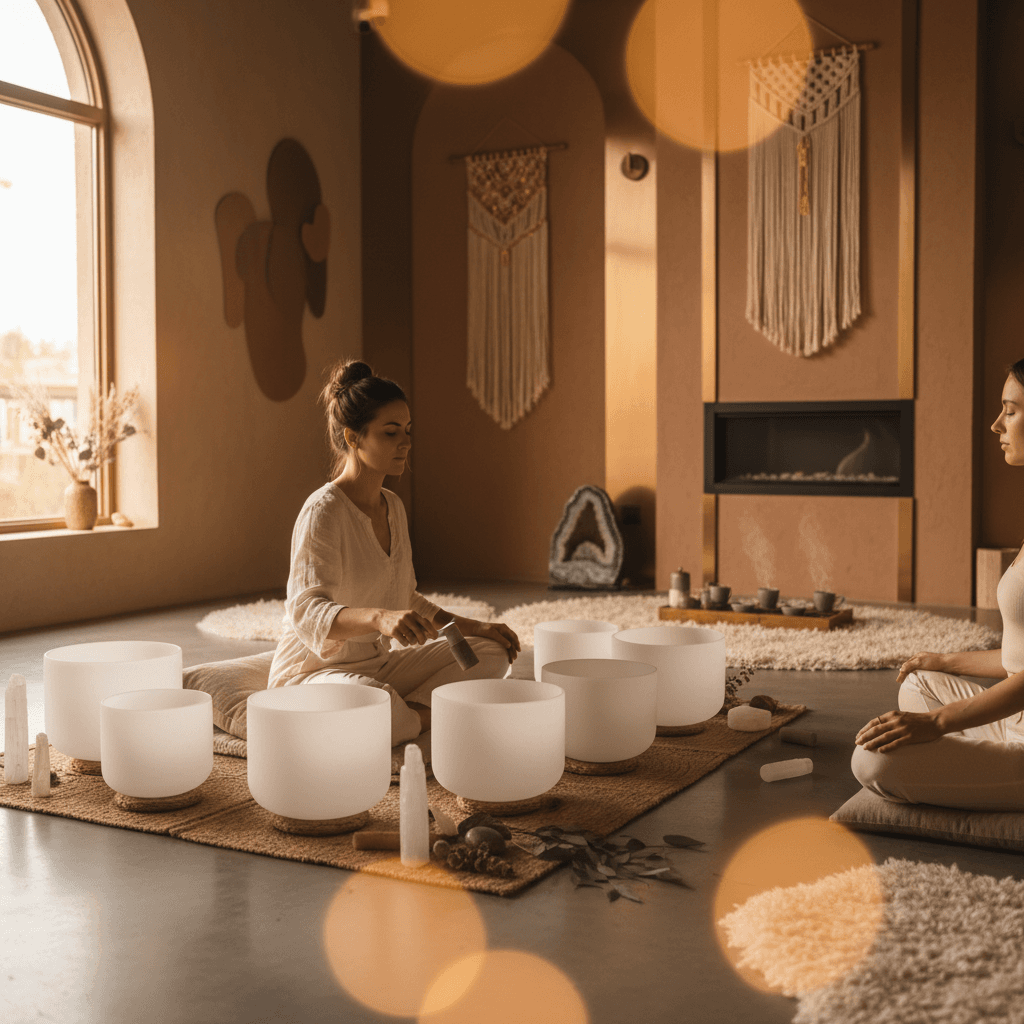
During a sound wellness session, carefully selected instruments like gongs, Himalayan singing bowls, and tuning forks create specific frequencies and vibrations. These gentle yet pervasive sounds encourage brainwave entrainment, gradually shifting brain activity from beta waves (associated with active, alert states) to alpha waves (relaxed, meditative states) and even theta waves (deep relaxation, meditation, light sleep). This process allows the mind to quieten, reducing the incessant mental chatter that often accompanies caregiver stress.
The vibrations generated by these instruments are not only heard but also felt within the body. This somatic experience can release physical tension stored in the muscles and fascia, areas where stress often manifests. Many people report a profound sense of "letting go" as the vibrations gently massage the cellular structure, fostering a feeling of spaciousness and ease. This physical release complements the mental calming, creating a holistic pathway to relaxation.
Practically, clients often describe the experience as deeply immersive and nurturing. Lying comfortably, enveloped by resonant frequencies, the external world fades, replaced by an inner landscape of calm. This respite provides an opportunity for emotional processing without judgment, allowing caregivers to acknowledge feelings of grief, helplessness, or even anger that they might suppress in their daily lives. The structured yet gentle nature of sound may support emotional regulation, helping individuals process difficult emotions in a safe and contained environment.
Moreover, preliminary studies indicate that consistent engagement with sound wellness practices may support improved sleep quality. For caregivers whose sleep is frequently interrupted by worries or direct responsibilities, achieving deeper, more restorative sleep can significantly impact their energy levels and overall resilience. The deep relaxation induced by sound has been associated with a reduction in perceived stress and an enhanced sense of wellbeing, offering a vital resource for those under immense pressure.
The Soul Art Approach
At Soul Art, founded by Larissa Steinbach, the approach to sound wellness is rooted in a deep understanding of human experience and tailored to address the nuanced needs of individuals, including caregiver couples. Recognizing that caregiving is a unique journey, Soul Art offers a sanctuary where science-backed methods meet compassionate application, creating a truly transformative experience.
Larissa Steinbach's expertise lies in curating soundscapes that facilitate profound relaxation and inner balance. The Soul Art method isn't merely about playing instruments; it's about crafting an immersive vibrational experience designed to soothe the nervous system and recalibrate the mind-body connection. This bespoke approach considers the specific stressors faced by caregivers, aiming to provide a much-needed respite from their demanding routines.
What makes the Soul Art method unique is its holistic integration of diverse instruments and intuitive facilitation. Sessions typically feature a rich tapestry of sounds, including ancient Himalayan singing bowls, majestic gongs, and precise tuning forks. Each instrument is chosen for its specific frequency and resonant qualities, working synergistically to create an enveloping field of sound that penetrates deeply, both audibly and somatically. The intention behind each session is to create a safe space for release and rejuvenation, honoring the individual's journey.
Larissa Steinbach’s philosophy centers on the idea that true wellbeing emerges from a harmonious inner state. For caregivers, who often put their own needs last, Soul Art offers a powerful reminder of self-worth and the importance of self-care. The carefully orchestrated sounds are designed to gently guide the body and mind into states of deep relaxation, potentially fostering improved emotional resilience and mental clarity. Many clients report leaving sessions feeling not only refreshed but also more grounded and centered, better equipped to manage the challenges of their daily lives.
The focus at Soul Art is always on creating a personalized experience. Whether a caregiver attends alone to recharge or seeks a moment of shared calm with their partner, Larissa ensures the session is attuned to their specific needs. This includes an emphasis on conscious breathing techniques and gentle guidance to help clients fully surrender to the sound journey. The ultimate goal is to facilitate a return to inner harmony, supporting the caregiver’s capacity to give without completely depleting themselves.
Your Next Steps
Navigating the caregiving journey requires intentional self-care, a concept often easier said than done. However, embracing practices that support your wellbeing is not a luxury; it's a necessity for both your health and your capacity to care for your loved one. Implementing small, consistent steps can make a significant difference in managing stress and fostering resilience.
Here are some practical steps you can implement today to support your own wellbeing as a caregiver:
- Prioritize Micro-Breaks: Even five minutes of intentional quiet can reset your nervous system. Step outside, listen to a favorite calming track, or simply close your eyes and focus on your breath. These brief pauses can prevent overwhelm from escalating.
- Seek Social Connection: While time is scarce, maintaining connections with friends or support groups is crucial. Share your experiences; you might find solace in knowing you’re not alone and gain practical advice. Studies suggest that social support can significantly impact a caregiver’s quality of life.
- Establish a Consistent Sleep Routine: Disruptions are common, but strive for consistency where possible. Create a calming pre-sleep ritual, such as a warm bath or a short meditation. Quality sleep is foundational for managing the physical and emotional demands of caregiving.
- Practice Mindful Movement: Gentle exercises like stretching, yoga, or a short walk can release physical tension and improve mood. Even 10-15 minutes a day can have a noticeable positive impact on both physical and mental health.
- Explore Complementary Wellness: Consider integrating practices like sound wellness into your routine. These modalities offer a dedicated space for deep relaxation and stress reduction, providing a unique form of support that complements conventional care.
Remember, caring for yourself is an integral part of caring for your partner. You cannot pour from an empty cup. By consciously integrating self-care practices, you not only fortify your own resilience but also enhance your ability to provide compassionate and sustainable care. If you're ready to explore a profound path to renewal and experience the deep calming effects of sound, consider a session at Soul Art.
Bookings Coming Soon
Soul Art is still in preparation. Session details and booking will be published here after launch.
Coming Soon
In Summary
The journey of caregiving for an ill partner is undeniably complex, marked by profound emotional and physical demands, yet it can also forge resilience and a deeper sense of purpose. While active engagement in caregiving may offer some protective effects against post-loss depression, the day-to-day strain underscores the critical need for holistic support for caregivers. They often serve as unseen "shock absorbers," silently bearing immense burdens.
Sound wellness offers a gentle yet powerful pathway to mitigate these stresses, supporting the nervous system's return to balance and fostering deep relaxation. Through carefully curated frequencies and vibrations, practices at Soul Art aim to reduce anxiety, enhance sleep, and provide a much-needed sanctuary for emotional release. Under Larissa Steinbach's expert guidance, Soul Art provides a unique, bespoke experience designed to nurture the caregiver's wellbeing, enabling them to continue their loving role with renewed strength and inner peace. Embrace this complementary approach to self-care and rediscover your inner harmony.
Wellness Disclaimer: This article is for educational and informational purposes only. It does not constitute medical advice, diagnosis, or treatment. Soul Art Dubai provides non-medical wellness experiences focused on relaxation, stress management, and general wellbeing. Sound wellness is a complementary practice and should not replace professional medical care.
Related Articles
Anniversary Sound: Deepening Love Through Vibrational Wellness
Sound for Recommitment: Deepening Vows with Soul Art
Attachment Styles: Sound for Security – Building Inner Resilience