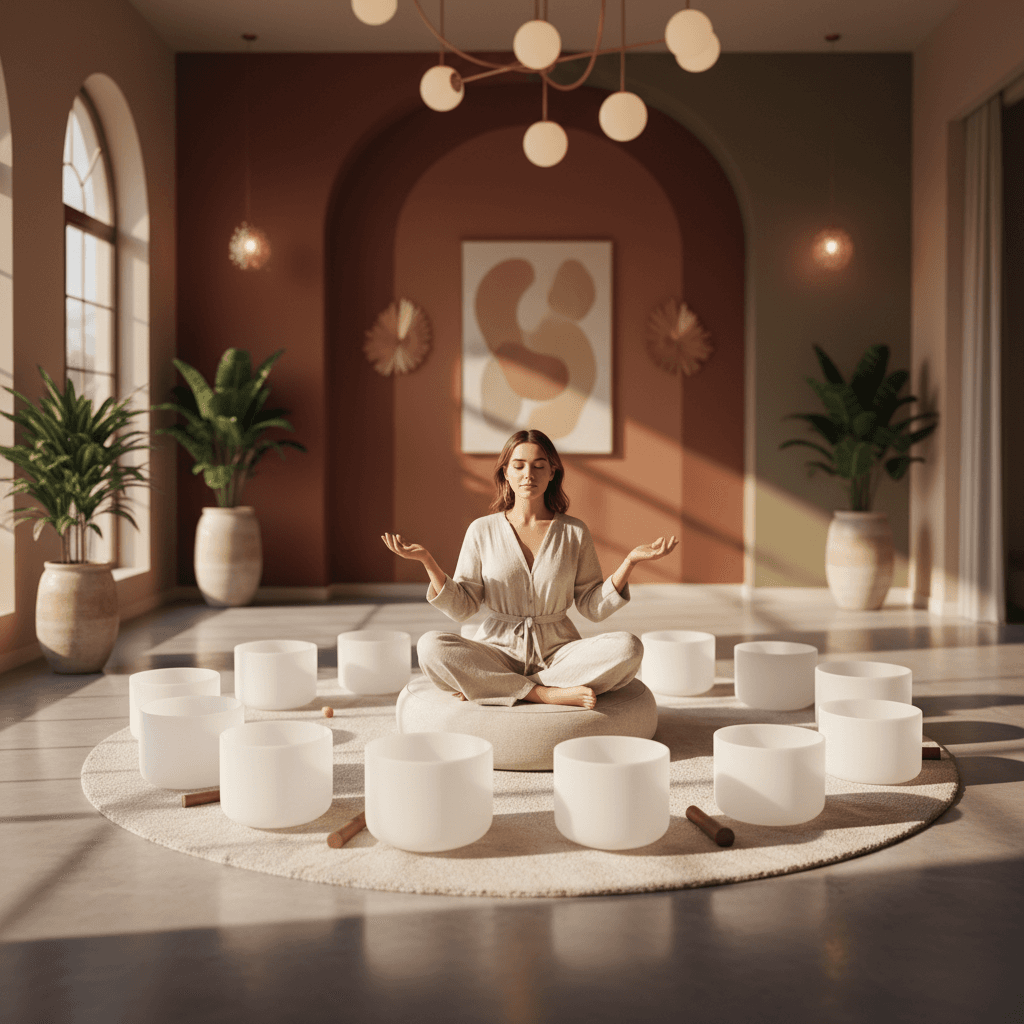
Attachment Styles: Sound for Security – Building Inner Resilience
Key Insights
Explore how sound wellness at Soul Art, founded by Larissa Steinbach, can foster secure attachment, reduce stress, and enhance relationships through scientific principles.
Did you know that the blueprint for your adult relationships, your resilience to stress, and even your overall sense of safety in the world was largely set in motion during your earliest experiences? This profound connection lies at the heart of attachment theory, a field that reveals how our early bonds shape our adult lives in significant ways. While these patterns can feel deeply ingrained, the exciting news is that they are not fixed.
At Soul Art, Dubai’s premier sound wellness studio, we explore how ancient practices, grounded in modern science, can help you navigate these complex emotional landscapes. This article delves into the science of attachment styles, the profound impact they have on our well-being, and how specialized sound wellness sessions, meticulously crafted by Larissa Steinbach, can serve as a powerful catalyst for cultivating a more secure sense of self and fostering healthier relationships. Join us as we uncover how vibrational therapy may offer a unique pathway to inner security and emotional resilience.
The Science Explained
Attachment theory, first conceptualized by psychologist John Bowlby, posits that a child’s intimacy and sense of security with their primary caregiver plays a crucial role in how secure that child will be as an adult. Over time, psychologists have refined this idea, arguing that early childhood attachment patterns often predict adult attachment styles in romantic relationships and broader interactions later in life. These styles represent internalized histories of received care, forming trait-like mental models that drive our thinking, feeling, and behavior.
Understanding Attachment Styles
Adult attachment styles are generally classified into four main categories, each with distinct patterns of relating to oneself and others. These include:
- Secure Attachment: Characterized by comfort with intimacy and independence, trust, and effective communication. Individuals with secure attachment tend to have higher self-esteem and manage emotional distress more effectively.
- Anxious Attachment: Often marked by a deep fear of abandonment, a strong need for closeness, and sometimes preoccupation with relationships. Individuals may seek constant reassurance and be highly sensitive to perceived rejection.
- Avoidant Attachment: People with this style may tend to suppress emotions and distance themselves from intimacy. They value independence highly and might struggle with vulnerability or commitment.
- Disorganized Attachment: This style is often a blend of anxious and avoidant behaviors, stemming from inconsistent or frightening early caregiving experiences. It can manifest as unpredictable behavior and deep-seated fears about relationships.
It is important to note that while these classifications provide a framework, human behavior is complex. Research also indicates significant cultural variations, such as a study in Japan finding a higher prevalence of anxious attachment compared to avoidant, but also that differences within cultures can be greater than variations across cultures. This underscores the nuanced nature of attachment development.
The Profound Impact of Insecure Attachment
Insecure attachment styles, encompassing anxious, avoidant, and disorganized categories, have been linked to a range of challenges. Studies among populations such as People Living with HIV/AIDS (PLWH), for instance, highlight a correlation between insecure attachment and higher prevalence of depressive symptoms, Post-Traumatic Stress Disorder (PTSD), and increased perceived stress. This heightened stress can compound difficulties in adjusting to life challenges, leading to increased vulnerability and even influencing risk behaviors.
Beyond specific populations, the broader implications of insecure attachment extend to general psychological distress, including anxiety and depressive symptoms in young adults, often mediated by lower self-esteem. Anxious or avoidant styles can manifest as difficulties in interpersonal relationships, leading to less fulfilling connections and challenges in communication. The good news, however, is that research in attachment theory points in a thrilling direction: just because an individual is, as an adult, experiencing attachment issues, that doesn’t mean these patterns are immutable. The possibility of developing attachment security and shifting away from insecure styles is a key area of modern psychological inquiry.
The Power of Security Priming
A central concept in this transformative potential is "security priming." Research indicates that boosting one's sense of security, whether through a person's long-term relationship history or subtle psychological interventions, makes people more generous and compassionate overall. This "nudging upwards" of attachment security makes altruistic caregiving more likely and can enrich interactions even with those you are not intimately close with.
Security priming essentially activates an individual’s internal working model of security, even if it's not their predominant style. Repeated priming studies have shown a cumulative positive effect, suggesting that consistent exposure to security-enhancing experiences can gradually re-wire neural pathways and foster a more secure foundation. This underscores the potential for targeted interventions and practices to cultivate a deeper sense of inner stability and connection.
The Brain-Body Connection: How Sound Supports Security
This is where the innovative approach of sound wellness, as practiced at Soul Art, aligns powerfully with the principles of attachment theory. Sound and vibration are not just auditory experiences; they are deeply physiological, influencing our brain chemistry, nervous system, and emotional state. Scientific studies demonstrate that sound healing can significantly impact parameters related to stress and emotional regulation, which are critical for fostering attachment security.
"The subtle vibrations and harmonic frequencies of sound wellness may offer a direct pathway to the deep physiological states associated with safety and regulation, echoing the very essence of a secure attachment bond."
Here's how sound wellness may support the development of attachment security:
- Brainwave Entrainment: Rhythmic auditory stimulation can guide brainwaves to targeted frequencies. For instance, Theta waves (4–7 Hz) are associated with emotional processing and deep meditative states, while Alpha waves (8–12 Hz) correlate with relaxation and flow states. These states are conducive to introspection, emotional release, and a sense of calm that can facilitate the processing of attachment-related emotions.
- Autonomic Nervous System Regulation: Studies using Heart Rate Variability (HRV) show that sound meditation increases parasympathetic activation, the "rest and digest" branch of our nervous system. This is achieved by stimulating the vagus nerve and promoting diaphragmatic breathing patterns, which directly reduce sympathetic overactivity (the "fight or flight" response). A regulated nervous system is foundational for feeling safe and secure.
- Hormonal Shifts: Multiple studies indicate that sound therapy can lead to beneficial hormonal changes. Cortisol, the primary stress hormone, has been observed to decrease after sound therapy sessions. Simultaneously, levels of mood-regulating hormones like serotonin and oxytocin (often called the "love hormone" for its role in bonding) may increase. These shifts contribute to a profound reduction in perceived stress and an enhanced sense of well-being.
- Pain Perception & Vibrational Analgesia: Low-frequency vibration, inherent in many sound wellness instruments, activates mechanoreceptors in the body. This can reduce pain signals through mechanisms like the gate control theory, muscle relaxation, and decreased inflammation. Alleviating physical tension and discomfort can free up mental and emotional resources, allowing individuals to focus on internal safety and regulation.
These physiological and psychological benefits create an internal environment that mirrors the characteristics of a secure attachment: safety, regulation, and a reduction in distress. By gently guiding the nervous system towards a state of calm and fostering beneficial hormonal changes, sound wellness may provide a unique complementary approach to cultivate inner security.
How It Works in Practice
Translating the scientific principles of sound and attachment into a tangible experience is at the heart of sound wellness. When you engage in a sound journey, the process isn't merely passive listening; it's a full-body, immersive experience designed to invite your nervous system into a state of deep relaxation and receptivity. The carefully selected frequencies and vibrations interact directly with your body's cells and energy centers, promoting a profound sense of inner calm.
As the resonant tones wash over you, many clients report a feeling of being deeply held and supported, much like the experience of a secure attachment bond. The deep vibrations, often from instruments like gongs and singing bowls, can gently release stored tension in the body, providing a safe outlet for emotional stress. This release is crucial for individuals with insecure attachment, who may unconsciously hold onto stress and discomfort as a protective mechanism.
The experience often begins with guiding you into a state of conscious relaxation, fostering mindfulness and self-compassion. Studies have shown that these practices can significantly reduce anxiety and increase feelings of security in relationships. Within the supportive sonic environment, the mind can quiet, allowing for a deeper connection to one's inner self and emotional landscape. This heightened self-awareness is a fundamental step in recognizing and shifting insecure attachment patterns.
Repeated engagement with sound wellness sessions can lead to cumulative positive effects, gradually strengthening the neural pathways associated with security and well-being. This consistent "security priming" helps to re-pattern the nervous system, making it easier to return to a state of calm and safety even amidst daily stressors. Over time, individuals may find themselves feeling more grounded, more emotionally regulated, and more capable of forming healthy, secure bonds with others. The immersive nature of sound provides a sanctuary where one can practice receiving care and cultivate an internal sense of reliability, much like developing trust gradually in a relationship.
The Soul Art Approach
At Soul Art, Larissa Steinbach has meticulously crafted a unique sound wellness experience designed to gently guide individuals towards a state of inner harmony and secure attachment. Her approach goes beyond merely playing instruments; it involves creating a sacred space where the science of sound meets the art of deep emotional and energetic support. Larissa recognized the profound potential of vibrational therapy to address the root causes of insecurity and stress, offering a powerful complementary pathway to well-being.
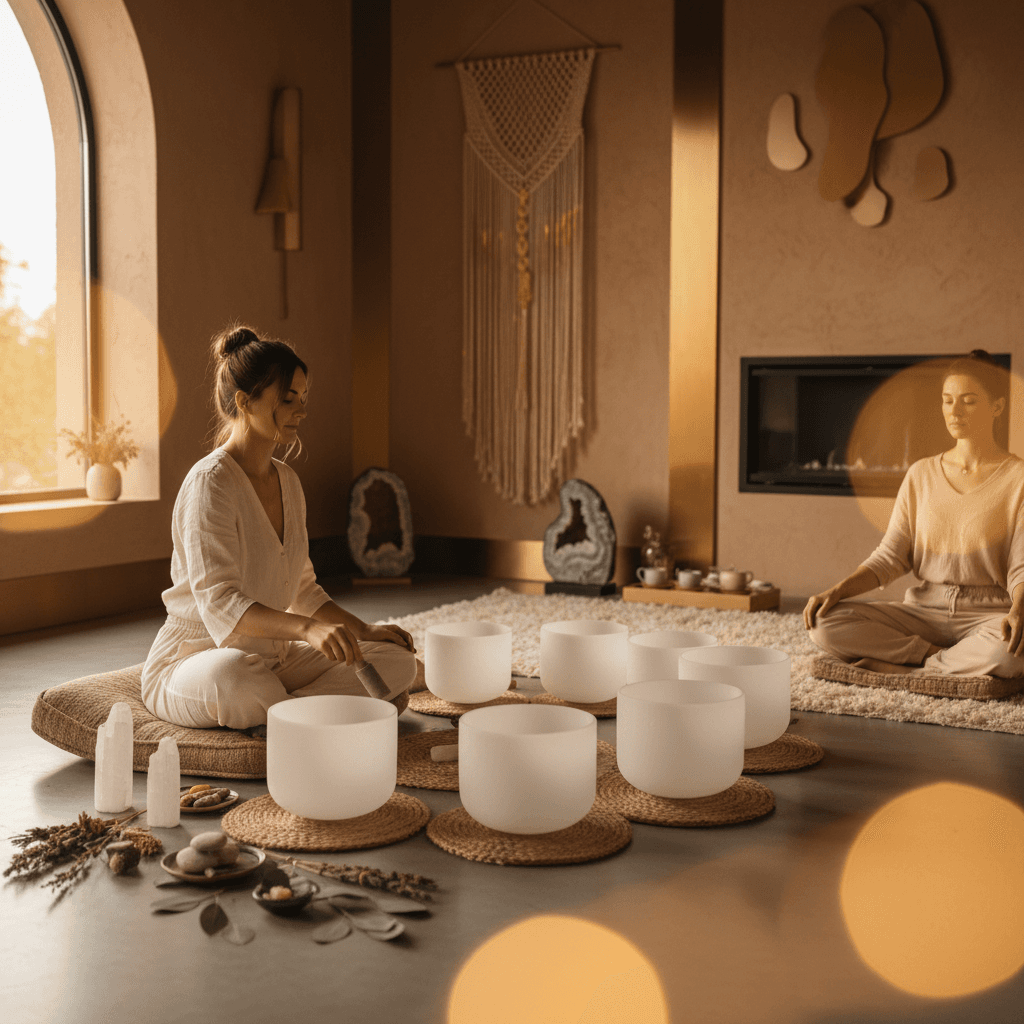
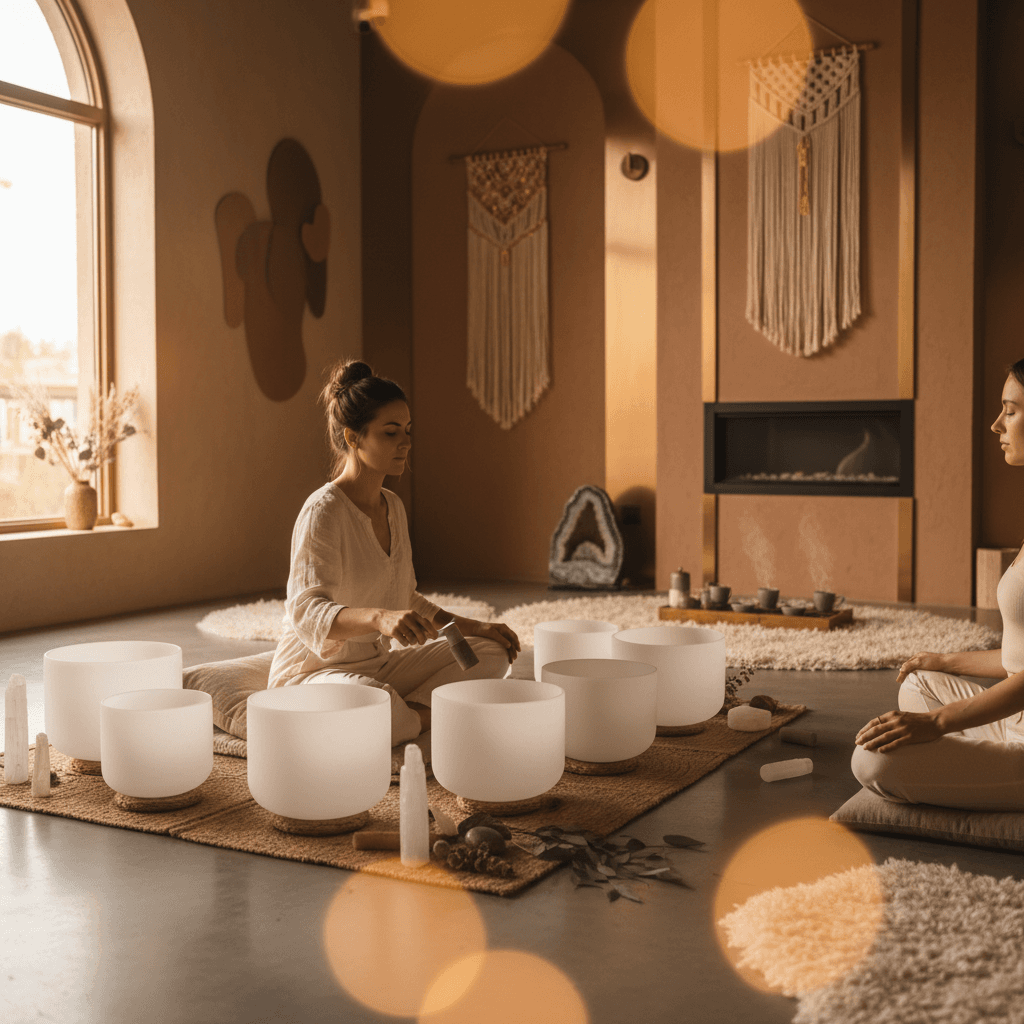
The Soul Art method integrates a range of resonant instruments, including expertly tuned Tibetan singing bowls, large symphonic gongs, crystal bowls, and chimes, each chosen for its unique frequency and healing properties. Larissa Steinbach intuitively orchestrates these sounds to create a rich, layered sonic tapestry that promotes brainwave entrainment and deep relaxation. This curated soundscape serves as a container for safety and emotional release, allowing participants to surrender to the healing frequencies.
What makes the Soul Art approach unique is its emphasis on intentionality and the creation of a deeply nurturing environment. Every session is designed to foster a sense of being unconditionally held and supported, which can be particularly transformative for individuals with insecure attachment styles. The gentle yet powerful vibrations act as a catalyst, helping to calm the nervous system, reduce cortisol levels, and encourage the release of oxytocin and serotonin. These hormonal shifts contribute directly to a feeling of safety, connection, and well-being, mirroring the neurochemical experiences of a secure bond.
Larissa's expertise lies in her ability to create a holistic experience that acknowledges the intricate interplay between our physical, emotional, and energetic bodies. Through the Soul Art method, clients are empowered to cultivate inner resilience, enhance emotional regulation, and consciously build a more secure foundation within themselves. This process supports individuals in transforming their relationship with stress, fostering self-compassion, and ultimately, moving towards a more securely attached way of being in the world.
Your Next Steps
Cultivating a more secure attachment style is a journey, not a destination, and it’s one that offers profound rewards for your well-being and relationships. Embracing practices that promote inner safety and regulation can make a significant difference. Here are a few actionable steps you can consider today:
- Reflect on Your Patterns: Take time to observe your reactions in relationships and under stress. Understanding your default attachment style is the first step toward conscious change. Many online resources and books can guide this self-exploration.
- Prioritize Mindfulness and Self-Compassion: Engage in daily practices like meditation, deep breathing, or journaling. Studies confirm that mindfulness and self-compassion can significantly reduce anxiety and increase feelings of security.
- Explore Sound Wellness: Consider experiencing a sound journey. The immersive vibrations and frequencies offer a unique way to calm the nervous system, reduce stress, and foster a deep sense of inner peace, directly supporting feelings of security.
- Build Trust Gradually: In your existing and new relationships, practice taking gradual steps to build trust. This might involve clear communication, setting healthy boundaries, and allowing for vulnerability at a comfortable pace.
- Seek Complementary Support: If you feel deeply challenged by attachment issues, professional guidance from a therapist or relationship coach can be incredibly effective. Attachment-based therapy, in conjunction with wellness practices, may promote self-awareness and emotional regulation.
Remember, the journey towards secure attachment is about fostering inner resources that empower you to navigate life with greater resilience and connection. Embracing holistic practices can significantly support this transformation.
Bookings Coming Soon
Soul Art is still in preparation. Session details and booking will be published here after launch.
Coming Soon
In Summary
Our attachment styles, deeply rooted in early experiences, profoundly influence our adult relationships and overall well-being. While insecure attachment can lead to stress and emotional distress, the exciting news from research is that these patterns are not permanent. Practices that foster a sense of inner security, like "security priming," can lead to greater compassion, generosity, and resilience.
Sound wellness, as expertly curated by Larissa Steinbach at Soul Art, offers a scientifically supported pathway to cultivating this vital inner security. By regulating the nervous system, entraining brainwaves, and balancing hormones, sound provides a unique complementary approach to enhance emotional regulation and reduce stress. We invite you to explore the transformative power of sound at Soul Art, where you can embark on a journey towards a more grounded, secure, and harmonious way of being.
Wellness Disclaimer: This article is for educational and informational purposes only. It does not constitute medical advice, diagnosis, or treatment. Soul Art Dubai provides non-medical wellness experiences focused on relaxation, stress management, and general wellbeing. Sound wellness is a complementary practice and should not replace professional medical care.
Related Articles
Anniversary Sound: Deepening Love Through Vibrational Wellness
Sound for Recommitment: Deepening Vows with Soul Art
Sound Wellness for Caregiver Couples: A Path to Renewal