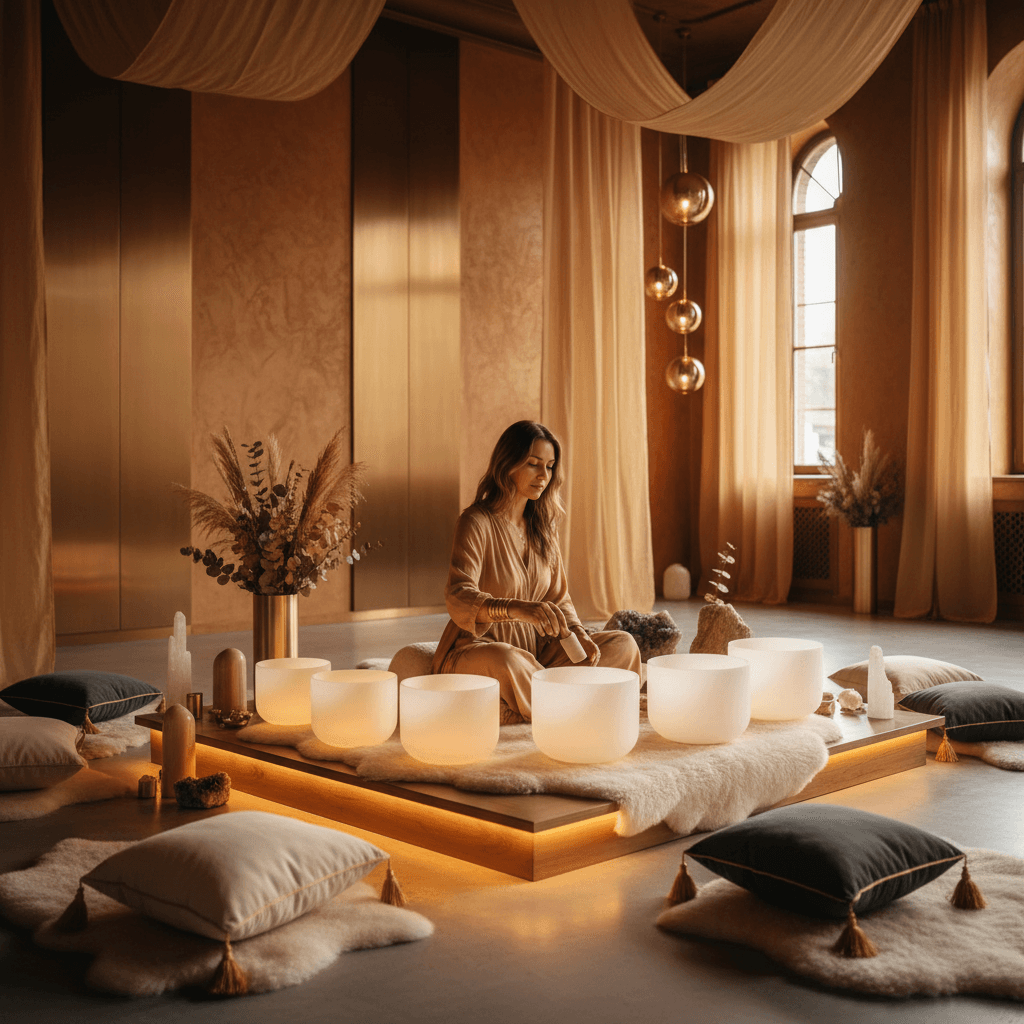
Designing Acoustic Sanctuaries: Crafting Sound Healing Spaces
Key Insights
Explore the science behind wellness room design, focusing on acoustic principles to create immersive sound healing environments at Soul Art Dubai with Larissa Steinbach.
Wellness Room Design: Crafting Sound Healing Sanctuaries
Have you ever walked into a seemingly quiet room, yet felt an underlying current of unease? Or perhaps found profound calm in an environment that wasn't entirely silent? The subtle, often imperceptible, influence of our acoustic surroundings profoundly shapes our state of mind and body. This understanding is at the heart of designing truly effective sound healing spaces.
At Soul Art, Dubai's premier sound wellness studio founded by Larissa Steinbach, we delve deep into the science of sound and its interaction with the human nervous system. We believe that a meticulously designed acoustic environment is not just an aesthetic choice, but a fundamental pillar for facilitating deep relaxation and holistic well-being. This article explores the scientific principles behind creating these transformative spaces, offering insights into how sound can be intentionally sculpted to support your journey to inner peace.
The Hidden Power of Acoustic Environments
The soundscape of a room, whether it’s a bustling office or a tranquil studio, holds immense sway over our psychological and physiological responses. It can either elevate stress or induce profound calm, often before our conscious mind even processes the input. Understanding this pre-cognitive impact is vital for effective wellness design.
Research consistently indicates that the built environment directly or indirectly affects human psychology, physiology, and overall well-being. While urban and natural green spaces have a well-established history of health studies, the focus is increasingly shifting to the individual building scale, acknowledging that indoor environments are just as crucial for our health. The meticulous design of these spaces, especially concerning acoustics, is essential for promoting recovery and restoration.
The Science Explained: Beyond Silence
Creating a sound healing space is far more nuanced than simply eliminating noise. In fact, attempting to achieve absolute silence can paradoxically hinder relaxation, leading to what researchers call "The Vigilance Problem." Our brains are wired for vigilance, constantly monitoring our surroundings for potential threats.
In near-silent conditions, every small, otherwise insignificant sound—a distant footstep, the hum of a ventilation system, even one's own breathing—becomes amplified and potentially distracting. The nervous system interprets unusual silence as a cue to pay attention, not to relax. This state of hypervigilance can actually increase stress, rather than reduce it. The pursuit of quiet can, in this context, produce the opposite of calm.
The Role of Perceived Control
A surprising factor in stress reduction is the feeling of agency, even if that control is never exercised. Studies show that the ability to influence one’s environment significantly reduces stress response. This means that the mere presence of a volume control or options for adjusting the acoustic environment can be calming, even if a guest never touches it.
This concept of perceived control empowers individuals, fostering a sense of safety and autonomy within the space. It’s not just about the expert-curated experience; it’s about acknowledging the individual's inherent need for self-direction in their healing journey. This principle guides our design choices at Soul Art, ensuring our guests feel empowered and comfortable.
Biophilic Sound Design: Nature's Resonance
Nature sounds have long been a staple in wellness contexts, but their application has evolved significantly. Early approaches involved literal recordings of rainforests or ocean waves. While these offered a degree of calm, modern biophilic sound design is more sophisticated, drawing on research like Kaplan’s Attention Restoration Theory. This theory posits that natural environments, including their soundscapes, can facilitate recovery from directed attention fatigue.
Contemporary biophilic sound design integrates natural acoustic elements that mimic the complexity and non-linearity of natural soundscapes, rather than just playing recordings. These sounds, when subtly layered, can reduce cognitive load and promote a sense of well-being. They provide a gentle acoustic masking that prevents hypervigilance without being overtly distracting. The presence of subtle, natural sounds creates an acoustic "cushion" that allows the mind to relax its guard.
Acoustic Masking and Sound Shaping
Far from being detrimental, acoustic masking—the technique of using low ambient sound levels to obscure unwanted background noise—is a sophisticated tool in wellness room design. Bradley’s work demonstrated that very low, carefully selected ambient sound can actually decrease distraction. It replaces the unnerving silence with a gentle, consistent acoustic presence that the brain doesn't interpret as a threat.
Advances in material science are critical here. Composite panels incorporating foam, mineral wool, or polymers, and microperforated surfaces are designed to absorb, dissipate, and diffuse sound. These materials allow for the precise shaping of a room’s sound profile, ensuring speech privacy where needed, isolating external noise, and creating high-fidelity soundscapes conducive to deep relaxation. Prioritizing acoustics in the earliest design phases ensures that sound becomes a strategic advantage, supporting healing rather than hindering it.
The Multi-Sensory Approach: Sensory Orchestration
A truly healing space engages more than just our ears. The "Sensory Orchestration" approach designs multi-sense environments that activate vision, hearing, touch, smell, and proprioception. This goes beyond conventional aesthetics, deliberately designing sensory elements to cause pre-defined physiological and psychological responses.
This strategy requires rigorous sensory mapping and an integrated design, considering visual complexity, acoustic conditions, tactile interaction, olfactory experiences, and kinesthesia. Successful projects, such as the Nacadia Healing Forest in Denmark, offer evidence that well-designed multi-sense spaces may cause a decrease in cortisol levels up to 23% after a short exposure. This holistic approach ensures that the entire environment works in concert to promote a profound sense of well-being.
How It Works in Practice: Sculpting Serenity
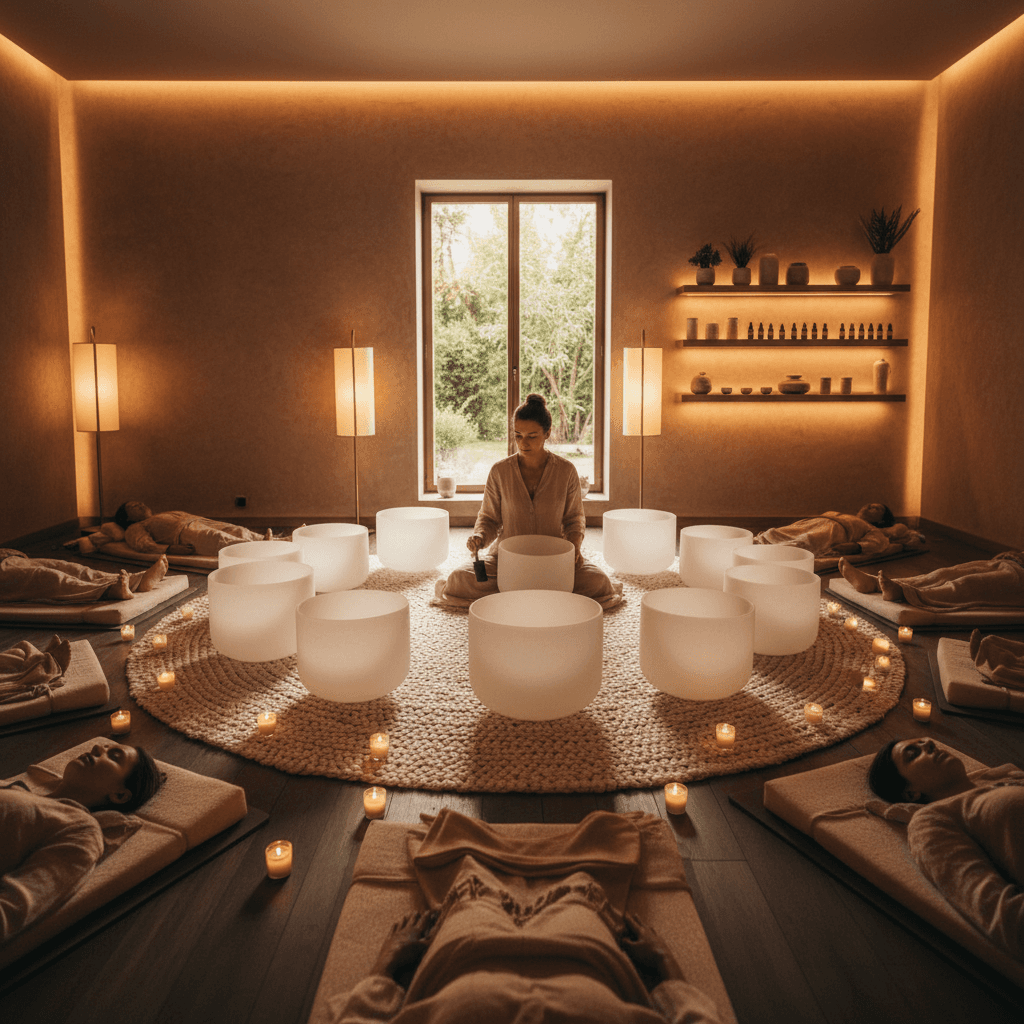
Translating scientific principles into a tangible, immersive experience requires meticulous attention to detail. At Soul Art, the design of our sound healing rooms is an intricate dance between architecture, material science, and sonic artistry. Every element is chosen to create an environment where clients can effortlessly surrender to the healing power of sound.
Clients stepping into a Soul Art studio often describe an immediate shift in their perception. The subtle ambient sounds, a deliberate blend of specially composed frequencies and gentle biophilic elements, create an initial layer of calm. This serves as an acoustic blanket, gently masking the intrusions of the outside world without creating an unsettling void of silence. The carefully chosen soft textures, warm lighting, and a gentle, natural scent further enrich this multi-sensory immersion.
Creating Restorative Microzones
Inspired by the "Restorative Microzonation" system, our spaces are configured to promote distinctive healing experiences. This system extends beyond conventional microclimate design, incorporating dimensions like separation, scope, intrigue, and alignment. It involves creating a graduated range of spaces with diverse levels of enclosure, sensory stimulation, and opportunities for social interaction or solitude.
This allows our guests to choose environments that best suit their current psychological and emotional requirements. The ability to select a space—whether a cozy, secluded nook or a more open, yet equally serene area—significantly increases an individual's sense of control and autonomy. This voluntary choice is a powerful contributor to the healing process, making the experience deeply personal and empowering.
The Embodied Experience of Sound
Beyond the ambient environment, the core of our practice involves the direct application of sound and vibration. This isn't just about listening; it's about feeling the sound within the body. Instruments like crystal singing bowls, gongs, and chimes produce frequencies that resonate on a cellular level, promoting deep relaxation and potentially aiding in stress reduction.
The tactile experience of these vibrations, sometimes amplified through specialized surfaces or even directly experienced through touch, engages the body’s proprioceptive sense. This deep engagement helps to ground the individual, drawing their awareness inward and away from external distractions. The overall experience is one of gentle immersion, where every sense is harmoniously guided towards a state of profound peace.
The Soul Art Approach: Larissa Steinbach's Vision
At Soul Art, Larissa Steinbach's vision goes beyond providing sound healing sessions; it’s about creating sanctuaries that are intrinsically designed for restoration. Her approach is rooted in a deep understanding of human physiology and psychology, seamlessly blending ancient wisdom with cutting-edge acoustical science. This creates an unparalleled environment for holistic wellness in Dubai.
Larissa recognized early on that the efficacy of sound healing is profoundly impacted by the space in which it occurs. She champions the principle that the acoustic environment shapes perception before cognition has a chance to interpret, meaning the room itself is a fundamental healing tool. Her design philosophy prioritizes subtle yet powerful environmental cues that prime the nervous system for relaxation, making the client's journey effortless and deeply impactful.
Unique Design Principles at Soul Art
One of the unique aspects of the Soul Art method is its commitment to acoustic integrity. This involves:
- Advanced Soundproofing and Isolation: Minimizing external noise intrusion to create a truly contained sonic environment.
- Controlled Reverberation: Using specialized materials to manage how sound waves bounce within the room, ensuring clarity and resonance without harshness. This prevents sound from becoming overwhelming or muddy.
- Tailored Ambient Soundscapes: Custom-designed background frequencies that subtly mask unwanted sounds and support the body’s natural rhythms. These are often inspired by biophilic principles, offering a gentle, non-intrusive auditory foundation.
- Vibrational Integration: Incorporating design elements that allow for the physical sensation of sound, enhancing the immersive and grounding qualities of the experience. This might include resonant floors or specialized cushions.
- Empowered Guest Control: Providing intuitive controls for elements like lighting and ambient sound, offering guests the calming assurance of agency, even if they choose not to adjust them.
Larissa Steinbach personally curates the instruments used at Soul Art, selecting those known for their pure tones and powerful vibrational properties. From Tibetan singing bowls hand-hammered with ancient techniques to large, resonant gongs and precision-tuned crystal instruments, each is chosen to facilitate specific energetic and physiological responses, guiding clients towards deep meditative states and profound inner quiet.
Your Next Steps: Cultivating Your Acoustic Sanctuary
Understanding the profound impact of acoustic design can empower you to create more supportive environments in your own life. While Soul Art offers a professionally curated experience, you can begin to apply some of these principles at home or in your workspace.
Here are a few actionable steps to cultivate your own acoustic sanctuary:
- Identify Noise Intrusions: Become aware of the sounds that elevate your stress. Is it traffic, noisy neighbors, or even the hum of appliances? Once identified, you can begin to address them.
- Introduce Gentle Acoustic Masking: Experiment with natural sounds at a very low volume, such as a gentle white noise app or a high-quality nature sound recording. The goal is a subtle, consistent presence, not a distracting one.
- Integrate Soft Furnishings: Fabrics, carpets, curtains, and even large plants can absorb sound and reduce harsh echoes, softening the acoustic profile of a room.
- Create a "Choice Zone": Designate a specific corner or area where you have control over elements like lighting, sound, or even a comforting blanket. This fosters that calming sense of perceived control.
- Experience Professional Sound Wellness: The most direct way to understand the power of a perfectly crafted sound healing space is to experience it yourself.
Ready to restore your nervous system and discover deep relaxation within an expertly designed acoustic haven? We invite you to experience the meticulously crafted sound healing spaces at Soul Art.
Bookings Coming Soon
Soul Art is still in preparation. Session details and booking will be published here after launch.
Coming Soon
In Summary: The Art of Intentional Sound
The design of wellness spaces, particularly for sound healing, is a sophisticated discipline that moves beyond mere aesthetics. It is a scientifically grounded approach to creating environments that actively support mental and physical well-being. From understanding the vigilance problem to harnessing the calming power of perceived control and sophisticated biophilic sound design, every element contributes to a profound sense of peace.
Larissa Steinbach and Soul Art embody this intentional design, offering spaces in Dubai where the acoustic environment is meticulously crafted to facilitate deep relaxation and stress management. By consciously shaping our soundscapes, we can unlock powerful pathways to restoration and inner harmony. We invite you to explore this transformative dimension of wellness with us.
Wellness Disclaimer: This article is for educational and informational purposes only. It does not constitute medical advice, diagnosis, or treatment. Soul Art Dubai provides non-medical wellness experiences focused on relaxation, stress management, and general wellbeing. Sound wellness is a complementary practice and should not replace professional medical care.
Related Articles
Sound Resilience for First-Time Managers: Thrive as a New Leader
Harmonizing Global Teams: Sound Healing for Time Zone Stress
Transforming Workplace Conflict: Sound for Team Harmony