Harmonizing Spaces: Volume, Distance & Consent in Sound Wellness
Key Insights
Explore how Volume, Distance, and Consent are expertly managed at Soul Art Dubai to create a deeply personal and transformative sound wellness journey.
Have you ever considered the subtle yet profound elements that shape your experience in a group setting, especially when it involves something as intimate as sound? Beyond the melodies and vibrations, factors like the volume of the sound, your distance from its source, and your unspoken consent to the experience can dramatically influence your journey into relaxation. At Soul Art, Dubai's premier sound wellness studio, we delve deep into these often-overlooked aspects to ensure every session is not just heard, but deeply felt and truly transformative.
This article will explore the scientific underpinnings of volume, distance, and consent in group sound wellness. We will uncover how these elements interact with your nervous system, shaping your comfort, receptivity, and overall well-being. Understanding these principles allows us to craft an environment where profound relaxation and self-discovery can flourish, guided by the intentional practices pioneered by Larissa Steinbach.
The Science Explained: Orchestrating Sensory Harmony
The human experience is a symphony of sensory inputs, constantly processed by our nervous system to determine our state of being. In a group sound wellness session, the interplay of sound volume, physical distance, and psychological consent forms a complex tapestry that can either invite deep relaxation or trigger subtle discomfort. Understanding this intricate relationship is fundamental to optimizing the wellness journey.
The Auditory Landscape: Volume and Perception
Sound, at its core, is a vibration transmitted through a medium, typically air, reaching our ears and transforming into electrical signals interpreted by the brain. The volume or intensity of this sound plays a critical role in how our body responds. Our auditory system, particularly the cochlea and auditory nerve, is exquisitely sensitive, capable of discerning vast ranges of decibels.
However, beyond mere perception, specific volumes and frequencies can influence our brainwave states and nervous system responses. Gentle, sustained sounds, often found in sound wellness practices, may support the activation of the parasympathetic nervous system, commonly known as the "rest and digest" system. Conversely, sudden, loud, or discordant sounds can trigger the sympathetic nervous system, initiating a "fight or flight" response, even if subconsciously. This response involves physiological changes such as increased heart rate, elevated cortisol levels, and heightened alertness, none of which are conducive to deep relaxation.
The Psychology of Space: Distance and Connection
Our physical distance from a sound source, and from other individuals in a group, carries significant psychological weight. This concept, known as proxemics in psychology, explores how humans use space to communicate and how spatial relationships affect interpersonal interactions. In a sound wellness setting, personal space is not just about physical comfort; it is intrinsically linked to psychological safety.
Maintaining an appropriate distance from sound instruments allows the vibrations to fully integrate, creating a cohesive sound field rather than a jarring, localized intensity. Too close, and the raw power of an instrument might feel overwhelming; too far, and the immersive quality can diminish. Furthermore, the spacing between participants is vital. Research into group dynamics, even in academic study groups, highlights the importance of small, well-spaced groups to foster a sense of community and support without encroaching on individual comfort. When individuals feel their personal space is respected, they are more likely to relax, feel vulnerable, and fully engage with the experience. This sense of spatial autonomy may support a deeper surrender into the sound.
The Power of Agency: Consent and Nervous System Regulation
The concept of consent in a wellness context extends far beyond a simple agreement to participate; it encompasses a continuous, dynamic negotiation of comfort and personal agency. In a clinical research setting, informed consent involves detailed explanations of procedures, potential risks, and the freedom to withdraw at any time. While a sound bath is not a medical procedure, the underlying principles of understanding and agency are equally vital for profound wellness experiences.
When individuals feel they have agency—the freedom to adjust their position, communicate a need, or even subtly disengage—their nervous system is less likely to perceive a threat. This is where dynamic consent becomes paramount. It's an ongoing, often non-verbal, agreement to the unfolding experience. If a participant feels "trapped" or unable to modify their experience if a sound becomes too intense, it can activate a subtle stress response, hindering relaxation. Conversely, knowing one has the implicit permission and ability to manage their experience, even in small ways, significantly enhances feelings of safety and control. This psychological safety is a cornerstone for engaging the vagal nerve, which plays a central role in regulating stress responses and promoting feelings of calm and connection. For instance, the freedom to choose where to lie in a room or to gently shift one's body supports a sense of autonomy that contributes to a more secure and beneficial experience.
How It Works in Practice: Crafting Immersive Experiences
Connecting these scientific principles to the tangible experience of a sound wellness session reveals the careful artistry involved in facilitating deep relaxation. At Soul Art, every element, from the initial greeting to the final chime, is meticulously considered to optimize the client's journey through sound. It's about creating an environment where the science of sound and mind harmonizes with the art of facilitation.
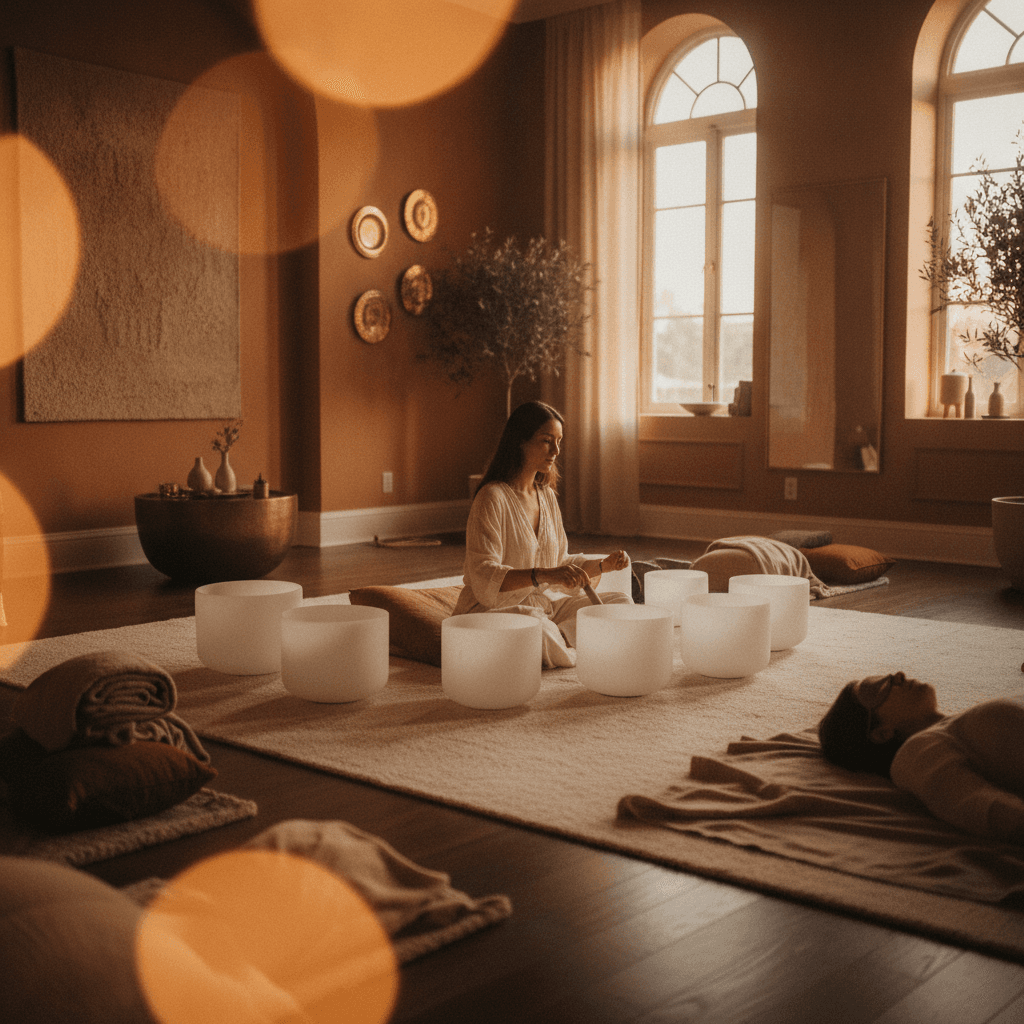
When you step into a Soul Art studio, you immediately notice the intentional design. The space is arranged to foster both individual immersion and a gentle sense of community. Participants are invited to choose their spots, often with comfortable mats and blankets, allowing for self-selection of proximity to instruments and others. This initial act of choice is a subtle yet powerful affirmation of consent, giving agency from the very beginning.
Mastering Volume Dynamics
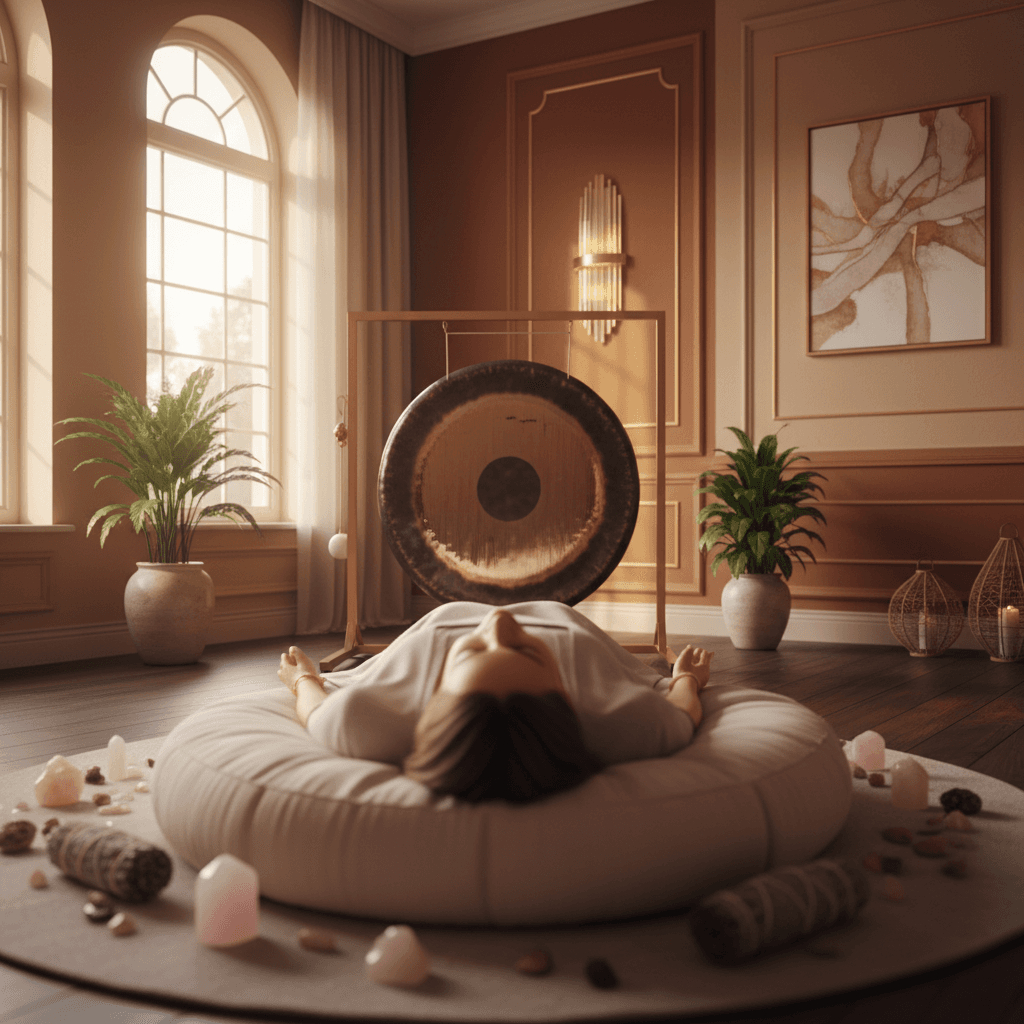
Our facilitators are highly trained in the nuanced art of sound production. They understand that a sound bath is not merely about playing instruments, but about orchestrating a sonic journey with deliberate dynamic range. The volume is carefully modulated, building and receding like ocean waves. Instruments like gongs, while capable of immense power, are played with sensitivity to their resonant frequencies and overtone complexities, never to overwhelm but always to invite.
We use diverse instruments, from the deep vibrations of Nepalese singing bowls to the ethereal tinkling of Koshi chimes. Each is played with an awareness of its unique sonic signature and how it interacts with the acoustic properties of the room. The goal is an immersive, enveloping sound field that washes over participants, allowing the body and mind to surrender, rather than feeling directly bombarded. This careful approach to volume ensures that the sound supports relaxation, gently guiding the nervous system into a state of calm without triggering sensory overload. Many people report that this controlled progression of sound allows them to release tension they didn't even realize they were holding.
Intentional Spacing: The Art of Distance
The layout of a Soul Art session is a testament to the importance of distance. We ensure ample space between participants, allowing each individual their own "bubble" of comfort. This isn't just about physical room; it's about creating psychological breathing space. You'll find that mats are arranged to allow easy movement, personal adjustment, and a feeling of uncrowded serenity.
Furthermore, the facilitators thoughtfully position themselves and the instruments. Gongs, with their powerful long-wave vibrations, might be placed at a distance that allows their sound to bloom and fully envelop the room without feeling aggressively close. Smaller, more delicate instruments, like crystal singing bowls, may be moved closer, their pure tones offering a focused, vibrational experience that can be deeply felt. This intentional management of distance allows the various frequencies to interact optimally, creating a rich tapestry of sound that nurtures the nervous system.
Cultivating Dynamic Consent
At Soul Art, consent is a continuous dialogue, both explicit and implicit. Before each session, facilitators verbally establish a safe container, explaining what to expect and reassuring participants of their freedom to adjust, move, or even quietly leave if needed. This clear upfront communication is akin to the informed consent process in research, setting expectations and empowering participants.
During the session, facilitators are attuned to non-verbal cues. If someone shifts uncomfortably or seems restless, it's an opportunity for the facilitator to subtly adjust the sound intensity or provide a moment of quiet. Participants are encouraged to listen to their own bodies, to move into a different position, or to gently communicate if a particular sensation is too much. This creates an environment of dynamic consent, where the agreement to participate is fluid and responsive to the individual's evolving needs. This constant, gentle negotiation ensures that each person feels truly safe, respected, and in control of their own experience, fostering a profound sense of trust and allowing for deeper states of relaxation to be achieved. Preliminary studies indicate that a sense of control over one's environment significantly enhances well-being outcomes.
"True wellness emerges when the individual feels not just cared for, but fundamentally empowered within their own experience. This empowerment is the essence of dynamic consent."
The Soul Art Approach: Larissa Steinbach's Vision
At Soul Art, Larissa Steinbach has meticulously designed every aspect of the sound wellness experience to embody these principles of volume, distance, and consent. Her vision extends beyond merely playing beautiful sounds; it’s about creating an intelligently curated environment that fosters genuine restoration and self-connection. This holistic approach ensures that each session is a finely tuned journey into personal well-being.
Larissa's method is deeply rooted in an understanding of the subtle yet powerful impact of sensory input on the human nervous system. She believes that for sound to truly facilitate healing and relaxation, it must be offered within a framework of safety and respect. This means a deliberate departure from approaches that prioritize loudness or novelty over nuanced, empathetic facilitation. Her studios are sanctuaries where every detail contributes to a profound sense of ease and belonging.
What makes the Soul Art method unique is its blend of ancient wisdom and contemporary understanding of neuroscience and psychology. Larissa and her team employ a diverse array of instruments, including Himalayan singing bowls, crystal alchemy bowls, planetary gongs, and various chimes and percussion. Each instrument is chosen not just for its acoustic properties but for its vibrational qualities and how it interacts within the specific studio space.
For instance, the precise striking techniques used for the gongs at Soul Art are designed to release their full spectrum of overtones and harmonics, allowing the sound to wash over participants in waves of gentle yet potent vibration, rather than a jarring impact. The placement of crystal bowls around the room is calculated to create an enveloping sound field where no single source feels overly dominant. This intentional orchestration of volume ensures a journey that is both immersive and comfortable for even the most sensitive individuals.
Larissa Steinbach also emphasizes the importance of a meticulously prepared space. The studios are designed with acoustics that enhance the clarity and resonance of the instruments, allowing for maximum impact at moderate volumes. Furthermore, the provision of ample space between participants and the careful layout of instruments demonstrate her commitment to respecting individual distance and personal energetic boundaries. This thoughtful arrangement allows participants to fully stretch out, relax, and feel secure in their own physical and energetic space.
Above all, the cornerstone of the Soul Art approach is the unwavering commitment to consent. Larissa trains her facilitators to cultivate a culture of open communication and observation. Sessions always begin with a clear invitation to self-regulate, emphasizing that participants are free to adjust, move, or request assistance at any time. This ongoing, responsive communication creates an environment where everyone feels seen, heard, and deeply respected, fostering a profound sense of psychological safety. The Soul Art method, under Larissa's guidance, is thus a testament to how meticulous attention to these fundamental principles can elevate a wellness practice from merely pleasant to truly transformative.
Your Next Steps: Embracing Mindful Sound Experiences
Integrating the understanding of volume, distance, and consent into your own wellness journey can significantly enhance your experiences, both within and outside of a formal session. By becoming more attuned to these subtle dynamics, you empower yourself to seek out environments that genuinely support your well-being. Here are some actionable steps you can implement today:
- Practice Active Listening: Pay attention to how different sound volumes affect your body and mind in daily life. Notice when sounds feel comforting versus overwhelming, and adjust your environment or distance when possible.
- Prioritize Personal Space: Whether in a group setting or a personal interaction, observe how physical proximity impacts your comfort level. Don't hesitate to gently adjust your position or communicate your needs to maintain your sense of ease.
- Cultivate Dynamic Consent: In any group wellness activity, mentally or verbally confirm your ongoing consent to the experience. Feel empowered to make small adjustments to your posture, position, or even your focus, acknowledging that your comfort is paramount.
- Communicate Your Needs: If participating in a guided sound session, feel empowered to quietly communicate with your facilitator if a sound or experience feels too intense. Many facilitators, like those at Soul Art, are trained to be responsive to subtle cues.
- Explore Different Modalities: Try different sound wellness experiences with varying group sizes and instrument types. Notice how these factors influence your level of relaxation and receptivity to the subtle energies of sound.
In Summary: The Symphony of Well-being
The profound impact of sound wellness hinges on more than just beautiful melodies; it is deeply intertwined with the thoughtful management of volume, distance, and consent. These often-underestimated elements are critical for creating an environment of psychological safety and physiological receptivity, allowing the nervous system to truly relax and repair. By respecting the intricate balance of these factors, we can unlock deeper states of relaxation, stress reduction, and self-awareness.
At Soul Art, under the discerning guidance of Larissa Steinbach, these principles are not just theoretical but are woven into the very fabric of every session. We invite you to experience this difference firsthand – a meticulously crafted journey where every vibration, every breath, and every moment is designed with your ultimate well-being in mind. Discover the transformative power of truly harmonious sound.
Bookings Coming Soon
Soul Art is still in preparation. Session details and booking will be published here after launch.
Coming Soon
Wellness Disclaimer: This article is for educational and informational purposes only. It does not constitute medical advice, diagnosis, or treatment. Soul Art Dubai provides non-medical wellness experiences focused on relaxation, stress management, and general wellbeing. Sound wellness is a complementary practice and should not replace professional medical care.
Related Articles
Empowered Choices: The Art of Clarity Without Overexplaining
Unveiling the Power: Photosensitivity & Visuals in Sound Sessions
The Subtle Art of Slow Transitions: Guiding Your Brain to Calm