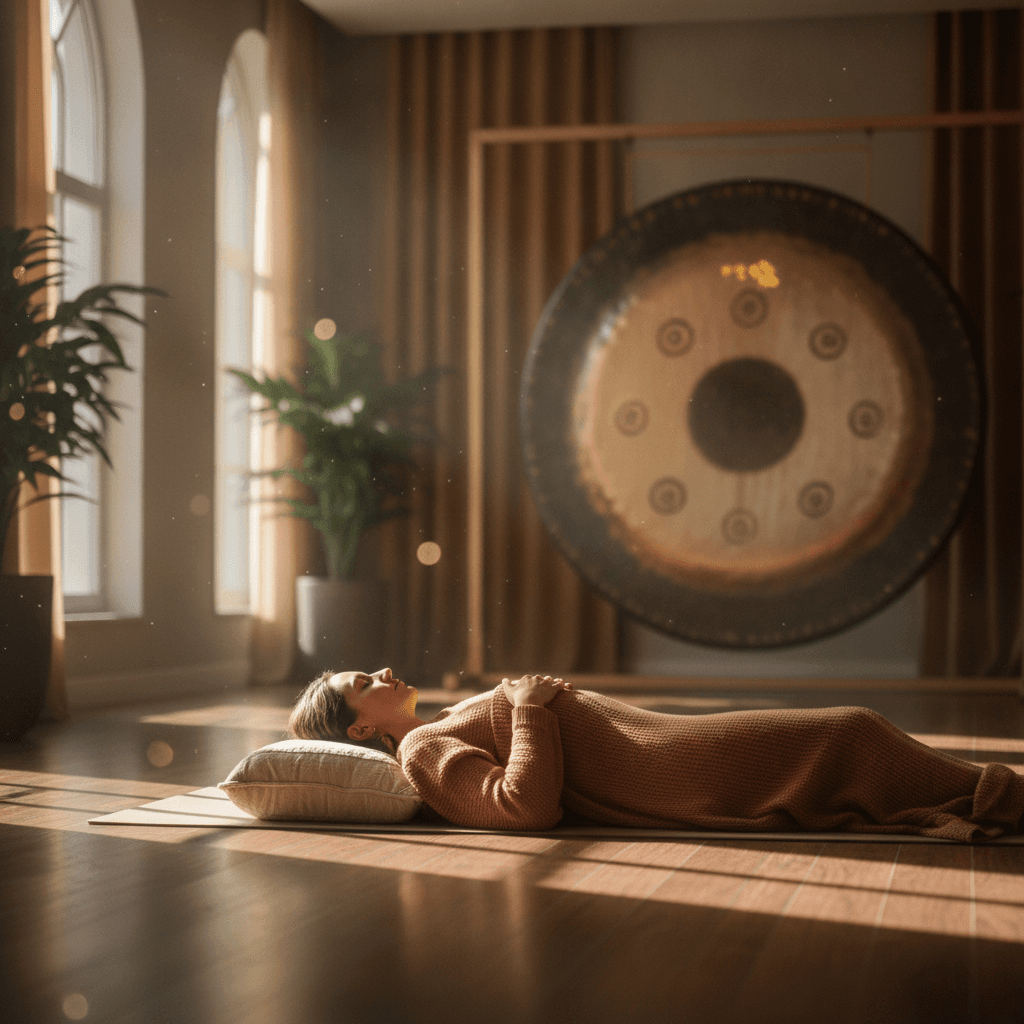
The Subtle Art of Slow Transitions: Guiding Your Brain to Calm
Key Insights
Discover how deliberate, slow transitions in sound wellness at Soul Art can synchronize your brain and foster profound well-being.
Have you ever noticed how an abrupt noise can instantly jolt you, while a gentle melody slowly washes over you? The human brain is remarkably sensitive to the pace of change, especially when it comes to sensory input. In our fast-paced world, where sudden shifts and constant stimuli are the norm, the deliberate art of slow transitions offers a profound pathway to relaxation and mental clarity.
At Soul Art, Dubai's premier sound wellness studio, we harness this fundamental principle, meticulously crafting experiences where instruments blend seamlessly, guiding your mind into states of deep peace. This article delves into the fascinating science behind why gradual changes are so beneficial, explores how this translates into practical sound wellness, and reveals how Larissa Steinbach's unique approach at Soul Art helps you unlock unparalleled tranquility. Prepare to discover how the subtle flow of sound can resynchronize your internal rhythms and elevate your well-being.
The Science Explained: Why Your Brain Craves Gradual Change
Our brains are complex networks of electrical activity, constantly generating oscillations known as brain waves. These waves reflect our current state of consciousness, ranging from rapid beta waves during alertness to slower delta waves during deep sleep. The transition between these states, and the quality of these transitions, plays a critical role in our cognitive function and overall well-being.
The Power of Slow Wave Activity (SWA)
During deep, restorative sleep (specifically NREM stage 2, transitioning to NREM stage 3, often referred to as Slow Wave Sleep or SWS), our brains exhibit prominent Slow Wave Activity (SWA). Research published in Scientific Reports highlights SWA as a synchronization process within a network of coupled neural oscillators. These slow waves, typically oscillating in the frequency range of 0.2 to 4 Hz, are crucial for memory consolidation and brain restoration.
Electroencephalogram (EEG) studies reveal that specific components, such as IMF3, 4, and 5 of EEG signals, contain these critical slow wave oscillations. The brain actively seeks to reach this synchronized SWS state during sleep, a process that can be modeled as the formation of synchronized neural clusters. The amplitude of these combined slow wave signals is a key indicator of brain synchronization and restorative processes.
Transition Frequency and Synaptic Strength
Beyond the presence of slow waves, the speed at which our brain states transition is also profoundly important. A study published in PMC on "Sleep slow waves’ negative-to-positive-phase transition" introduced the concept of transition frequency, measuring the speed of change in a slow wave's phase. This research suggests that the rate of transition from the negative to the positive phase of a slow wave mirrors synaptic strength and neuronal plasticity.
Interestingly, this study found that individuals with certain cognitive challenges, such as amnestic Mild Cognitive Impairment (aMCI), displayed a significantly slower averaged transition frequency of slow waves. They also exhibited a higher proportion of "slow-switchers" compared to control groups. This suggests that the pace of these neurological transitions is not just a passive observation but an active marker of brain health and cognitive status. While this research focuses on endogenous sleep processes, it underscores the profound impact that the rate of change has on brain function and health.
The Broader Significance of "Slowness" in Health
The scientific community is increasingly recognizing the significance of "slowness" and the rate of change across various physiological and psychological domains. For example, research into aging highlights the importance of sit-to-stand transition velocity (STSv), noting that slower STSv is associated with higher physical frailty levels. The velocity of these movements, rather than just their frequency, provides valuable insights into physical behavior.
Similarly, even socioeconomic factors have been linked to the pace of change. A study published in JAMA Network Open, referenced by ScienceDaily, indicated that upward socioeconomic status (SES) transitions were associated with a notably lower risk of dementia incidence. Conversely, downward transitions significantly increased risk. These diverse research findings, while not directly about sound, collectively build a compelling picture: the brain and body often thrive on deliberate, gradual changes, and are sensitive to abrupt shifts.
The Cumulative Nature of Scientific Evidence
It is important to understand that scientific evidence rarely emerges as a single, definitive breakthrough. As noted by The Broad Lens, "Scientific evidence rarely arrives as a single dramatic discovery. It accumulates slowly through experiments, observational studies, modeling, replication, and peer review." Individual studies contribute small pieces to a larger, evolving picture.
This cumulative process means that our understanding of how sound wellness practices, like slow transitions, impact the brain is continuously refined. We draw connections between established neurological principles—such as the importance of slow brain waves for restoration—and the observed effects of sensory experiences. The insights from studies on sleep, cognitive function, and even physical movement, provide a robust theoretical framework for appreciating the power of intentionally slow and gentle sensory transitions in supporting overall well-being.
"Science does not offer final answers. It offers progressively better ones." This enduring principle reminds us that our exploration of well-being is an ongoing journey of discovery, continually enriched by converging lines of evidence.
By understanding the brain's natural inclination towards synchronized slow waves and its sensitivity to transition frequencies, we can appreciate why deliberate, unhurried changes in sound can be so deeply restorative. These practices may support the brain in entering states conducive to relaxation, akin to the brain's natural mechanisms for rest and repair.
How It Works in Practice: The Sonic Journey
Translating the neuroscience of slow transitions into a tangible experience is an art form, one that forms the very core of Soul Art’s philosophy. Imagine entering a space designed for profound calm, where every sonic element is introduced and allowed to recede with meticulous intention. This is not about passive listening; it is about an active, yet effortless, immersion.
Guiding Your Nervous System with Sound
When instruments transition slowly in a sound wellness session, they avoid startling the nervous system. Abrupt changes, even subtle ones, can trigger the fight-or-flight response, pulling the brain out of a relaxed state. In contrast, gradual sonic shifts act as a gentle guide, slowly nudging your brainwave activity towards more meditative and restorative patterns.
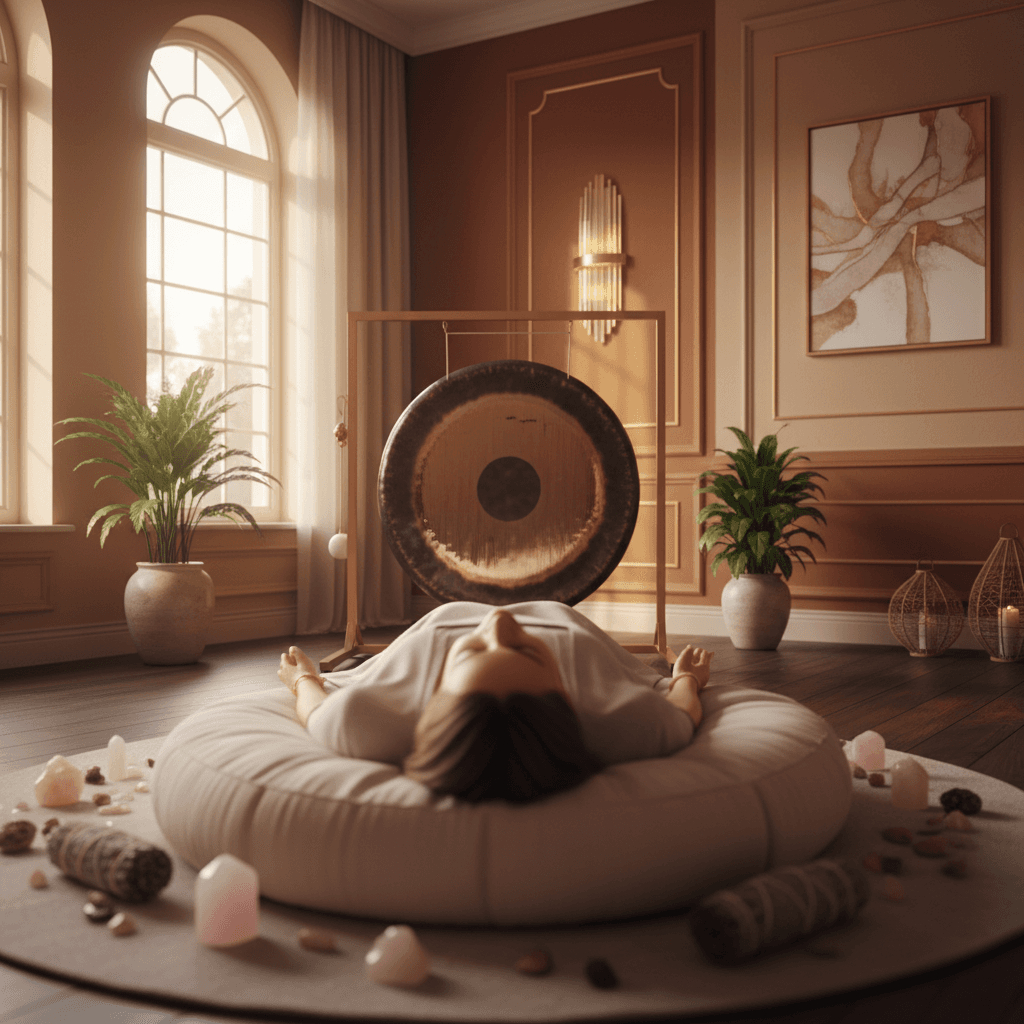
As a gong's resonance slowly builds and then gently fades into the sustained hum of a singing bowl, your brain doesn't register a shock. Instead, it perceives a continuous, evolving sonic landscape. This seamless flow allows the brain to maintain a state of coherence, mimicking the synchronized slow wave activity observed during deep relaxation and sleep. Many people report feeling as though they are drifting on a peaceful current, without interruption.
A Coherent Sonic Tapestry
The absence of sudden starts or stops creates a highly coherent sonic tapestry. Each sound doesn't exist in isolation; it becomes part of an unfolding narrative. This sustained auditory experience encourages the brain to release its grip on external distractions and internal chatter. The conscious mind, accustomed to processing rapid changes, finds itself with nothing urgent to grasp, enabling it to gradually surrender.
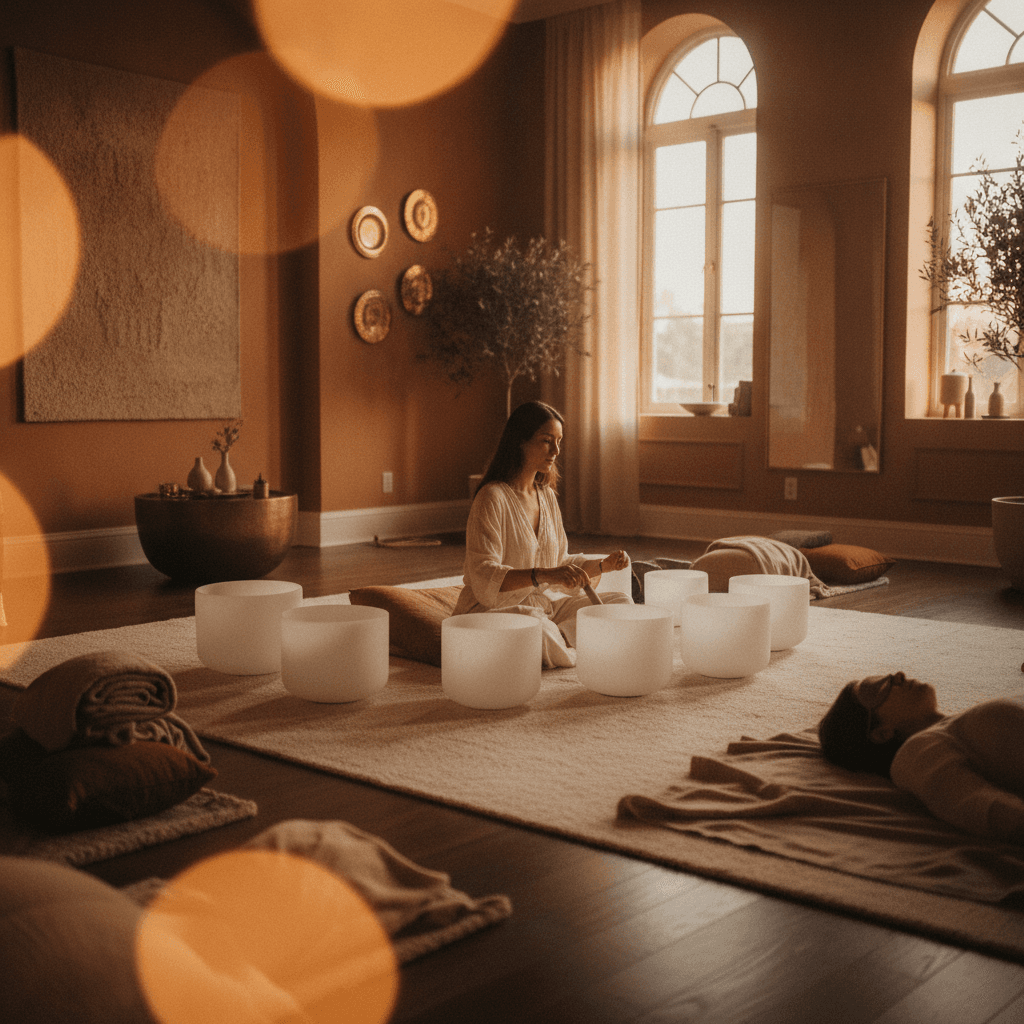
The sensory details are crucial here: the rich harmonics of a crystal bowl slowly merging with the earthy vibrations of a drum, or the soft chime fading imperceptibly into silence before a new tone emerges. These carefully orchestrated moments allow the listener to remain immersed without effort. The brain is gently invited to synchronize with the external rhythmic flow, facilitating the transition into deeper states of calm and presence.
Cultivating Internal Equilibrium
This intentional slowness helps cultivate internal equilibrium. When the external environment is predictable and harmonious, the internal landscape tends to follow suit. The deliberate pacing allows your body's physiological responses—heart rate, breath, muscle tension—to naturally slow down and regulate. It's a physiological response to a psychological cue, encouraging a state where the body can rest and repair.
Anecdotal evidence from countless sessions suggests that clients often experience a profound sense of groundedness and mental clarity. This is often attributed to the continuous, fluid nature of the sound, which prevents the mind from wandering or becoming agitated. The slow transitions between instruments become a metaphor for the desired internal state: a calm, steady progression through the complexities of thought and emotion, ultimately leading to a more centered self.
The Soul Art Approach: Larissa Steinbach's Philosophy
At Soul Art, the principle of slow transitions is not merely a technique; it is a foundational element woven into every session by Larissa Steinbach. Her philosophy is rooted in the understanding that true well-being emerges from gentle, deliberate immersion, rather than abrupt shifts. This refined approach is what distinguishes Soul Art as Dubai's premier destination for sound wellness.
Intentional Orchestration for Deep Immersion
Larissa Steinbach meticulously designs each sound journey, considering not only the unique frequencies and vibrations of individual instruments but also the precise timing and manner of their introduction and departure. Her goal is to create an uninterrupted flow, a sonic continuum that allows the participant's nervous system to fully relax and their mind to surrender without effort. This intentional orchestration transforms a collection of sounds into a cohesive, deeply immersive experience.
The Soul Art method emphasizes a seamless tapestry of sound, where one instrument’s resonance gently fades as another's emerges, or multiple sounds coalesce and dissolve as a unified entity. This careful guidance prevents any jarring sensory input, fostering a sense of safety and continuity crucial for deep relaxation. It’s about building a space where the listener feels completely held by the sound, enabling them to explore profound states of inner calm.
Mastering the Art of Resonance
Larissa’s expertise lies in her intuitive understanding of how different instruments interact and how their vibrations can be manipulated to create specific energetic shifts. She employs a curated selection of instruments, each chosen for its unique acoustic properties and ability to contribute to a harmonious, flowing soundscape.
For instance, the deep, sustained hum of Gongs is often introduced with a slow, gradual build-up, their powerful vibrations allowed to fully saturate the space before being complemented by the rich overtones of Crystal and Tibetan Singing Bowls. These bowls are played with an unhurried grace, their tones allowed to ring and decay naturally. Delicate sounds like Kosmic Chimes or Rainsticks are added with precision, creating ethereal textures that float effortlessly into the existing sound field, providing subtle shifts without disruption. Even the rhythmic pulses of a Soft Drum are introduced with a deliberate, gentle touch, aiming to ground and soothe rather than excite.
Guiding Towards Brainwave Synchronization
The essence of the Soul Art method, under Larissa Steinbach's guidance, is to leverage these slow transitions to encourage brainwave synchronization. By maintaining a consistent, yet evolving, sonic environment, the sessions aim to gently guide the brain from faster, more active beta states towards the slower, more relaxed alpha and theta states, and potentially even the deeply restorative delta waves.
This subtle energetic guidance may support the brain in entering a state akin to the synchronized slow wave activity studied in sleep research. It's a holistic wellness practice that recognizes the profound connection between external sensory input and internal physiological states. Through this unique approach, Larissa Steinbach helps clients access deeper levels of relaxation, reduce stress, and cultivate a heightened sense of inner peace and clarity, all through the elegant power of intentional, slow sound.
Your Next Steps: Embracing the Pace of Calm
Understanding the science behind slow transitions is the first step; integrating this wisdom into your daily life is where true transformation begins. You don't need a symphony orchestra to start benefiting from the power of deliberate pacing. Here are some actionable steps you can take today to invite more calm and coherence into your world:
- Mindful Listening Moments: Dedicate a few minutes each day to truly listen to a single sound as it emerges, sustains, and fades. This could be the sound of rain, the hum of your refrigerator, or a carefully chosen piece of instrumental music. Pay attention to the subtle shifts, without judgment, allowing your mind to focus solely on the auditory experience.
- Create Your Own "Slow Transition" Rituals: Before beginning a new task or transitioning between activities, take a moment to pause. Take a few slow, deep breaths. Close your eyes briefly. This simple act can re-center your mind and prepare your nervous system for the next engagement, mimicking the gentle shifts of a sound bath.
- Explore Ambient Soundscapes: Seek out music or ambient soundscapes specifically designed for relaxation. Many apps and online platforms offer tracks featuring continuous, evolving tones, nature sounds, or drone music that avoids sudden changes. Allow these sounds to wash over you as you work, meditate, or prepare for sleep.
- Journal Your Experiences: After practicing mindful listening or engaging with relaxing sounds, take a moment to journal any feelings, thoughts, or physical sensations that arose. This can help you connect the dots between your sensory experiences and your internal state, deepening your understanding of how slow transitions impact your well-being.
- Experience Professional Guidance: Consider booking a session at Soul Art. Under the expert guidance of Larissa Steinbach, you can fully immerse yourself in a meticulously crafted sound journey designed to leverage the power of slow transitions. This complementary approach offers a powerful way to reset your nervous system and cultivate profound inner peace.
Embracing the pace of calm is a powerful self-care practice that supports your overall well-being. By intentionally slowing down, you give your brain the gift of coherence and your body the opportunity to deeply relax.
In Summary: The Unseen Power of Gradual Sound
In a world that often celebrates speed, the subtle, profound power of slow transitions in sound wellness offers a vital counter-narrative. Scientific insights into brainwave synchronization, particularly Slow Wave Activity during restorative sleep, highlight the brain's preference for gradual shifts to achieve states of deep calm and restoration. The meticulous pacing of sounds, from their gentle introduction to their seamless blend and soft departure, acts as a sophisticated guide for your nervous system.
At Soul Art, Larissa Steinbach intuitively understands and expertly applies these principles. Through her unique method, utilizing instruments like gongs, singing bowls, and chimes with deliberate artistry, she creates immersive sonic journeys. These experiences may support the brain in transitioning towards more relaxed and coherent states, fostering profound relaxation and enhanced mental clarity. By embracing the elegance of slow transitions, we unlock a powerful pathway to reconnect with our inner equilibrium and nurture our holistic well-being.
Bookings Coming Soon
Soul Art is still in preparation. Session details and booking will be published here after launch.
Coming Soon
Wellness Disclaimer: This article is for educational and informational purposes only. It does not constitute medical advice, diagnosis, or treatment. Soul Art Dubai provides non-medical wellness experiences focused on relaxation, stress management, and general wellbeing. Sound wellness is a complementary practice and should not replace professional medical care.
Related Articles
Empowered Choices: The Art of Clarity Without Overexplaining
Unveiling the Power: Photosensitivity & Visuals in Sound Sessions
Harmonic Havens: Small Group Sound Baths for Neurodivergent Wellbeing