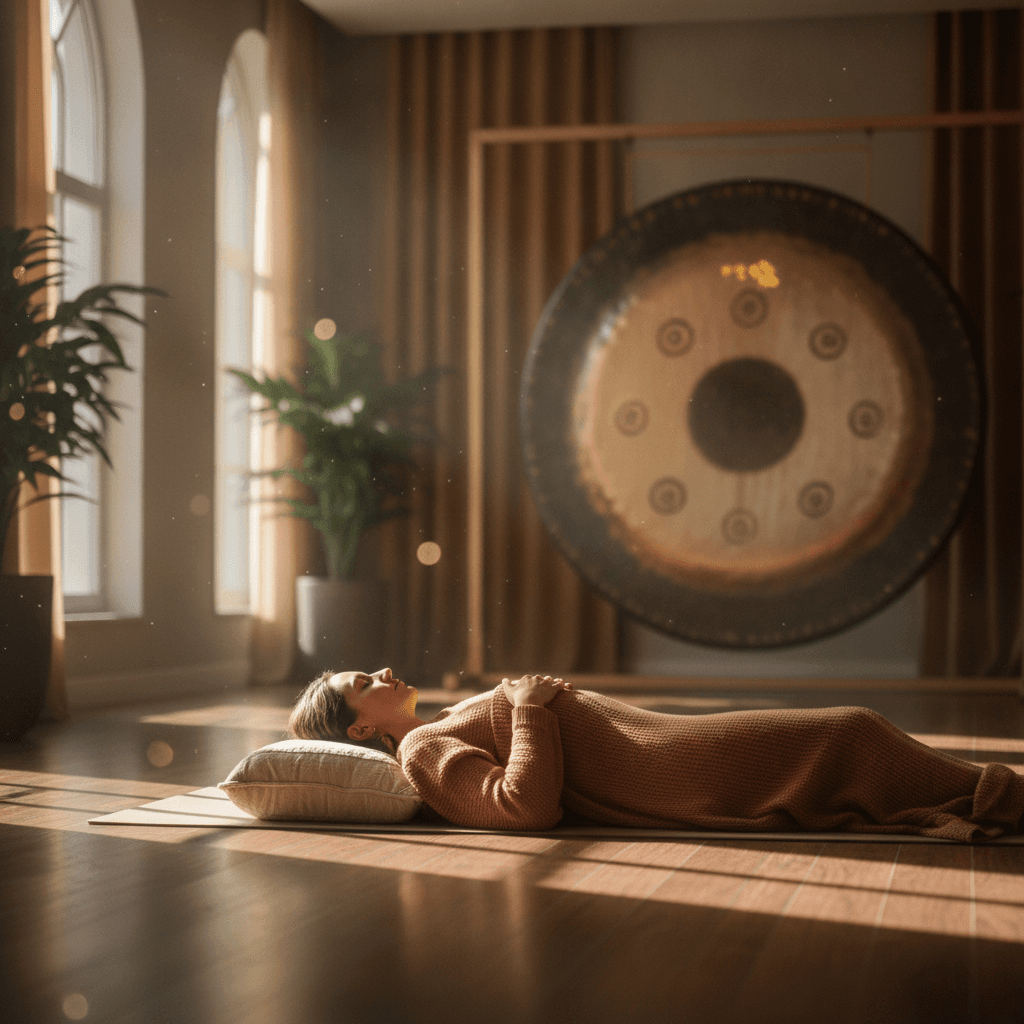
Unveiling the Power: Photosensitivity & Visuals in Sound Sessions
Key Insights
Explore the intricate science of how visual elements and photosensitivity impact your sound wellness journey at Soul Art Dubai. Enhance your sensory experience.
Have you ever noticed how a subtle sound can instantly change your perception of what you’re seeing, or how specific lighting can deepen your sense of relaxation during a meditation? This isn't mere coincidence; it's a profound interplay between our senses, a fascinating dance orchestrated by the brain. At Soul Art, Dubai's premier sound wellness studio, we delve deeply into this connection, particularly focusing on photosensitivity and the intentional use of visual elements in sound sessions.
This article will explore the cutting-edge science behind how sound and sight interact, reveal how these principles are applied in practice to create deeply immersive and accessible wellness experiences, and guide you on optimizing your own sensory journey. Understanding these dynamics can unlock new levels of relaxation and self-awareness, profoundly enhancing your overall wellbeing.
The Intricate Dance of Senses: Unpacking Multisensory Perception
Our experience of the world is rarely confined to a single sense. Instead, our brain constantly integrates information from all sensory modalities, creating a rich, unified perception of reality. This multisensory integration is particularly powerful when it comes to the relationship between auditory and visual stimuli, profoundly influencing everything from our attention to our emotional state.
Sound's Surprising Influence on Visual Sensitivity
Emerging research highlights the remarkable capacity of sound to enhance our visual processing. Studies have shown that when individuals are exposed to multisensory stimuli (combining sound and visual cues), they often exhibit significantly greater improvements in visual sensitivity compared to those trained with only visual stimuli. This suggests that auditory input can act as a powerful catalyst, sharpening our ability to perceive visual details and learn from visual information. For instance, researchers found that observers showed significant improvements in visual sensitivity with training, but subjects trained with multisensory stimuli showed significantly more improvement, demonstrating sound's facilitatory role in visual learning.
Auditory Cues and Visual Perception: A Complex Relationship
The influence of sound on visual perception is a nuanced and dynamic process. Some studies reveal that sounds can indeed facilitate visual processing, such as improving visual orientation discrimination performance or decreasing visual contrast thresholds. This means that a concurrent sound can make it easier to discern fine visual details or perceive objects that might otherwise be faint. For example, specific auditory cues have been observed to enhance sensitivity for visual target discrimination.
Conversely, other research indicates that sound can, under certain circumstances, suppress visual perception. When auditory stimuli are presented after visual targets with specific temporal intervals, they may increase the discrimination threshold in orientation differences, suggesting a temporary degradation of visual clarity. However, this suppression effect is less likely when auditory and visual stimuli are nearly synchronized, highlighting the critical role of temporal consistency in multisensory integration. The timing of auditory and visual cues is paramount for optimal brain processing.
Hearing Is Believing: Sounds Can Alter Our Visual Perception
Perhaps one of the most intriguing aspects of multisensory integration is how sounds can fundamentally alter what we think we see. Research from the Association for Psychological Science reveals that audio cues can not only help us recognize objects more quickly but can also change our actual visual perception. For example, if you see a morphing image of a bird and a plane, hearing birdsong will make you perceive the image as more bird-like, even if it's nearing the plane end of the morph.
Lead author Jamal R. Williams explained that our brain makes inferences about expected information, prioritizing visual features that are congruent with auditory cues. This means that if a sound is related to pertinent visual features, those features are processed more quickly and are even perceived as more prominent than if the sound were unrelated. This phenomenon underscores the profound ability of sound to guide and reshape our visual experience, creating a feeling of a "full and seamless perception" even with partial information.
Photosensitivity: Understanding Individual Visual Sensitivity
While multisensory integration generally enhances our perception, it's crucial to acknowledge individual differences, particularly regarding photosensitivity. Photosensitivity, or light sensitivity, is a common symptom found in various ocular and neurological disorders, making it difficult to measure and diagnose. For individuals experiencing photosensitivity, certain visual stimuli, especially bright or flickering lights, can cause discomfort, pain, or even trigger adverse physiological responses.
In wellness settings, understanding photosensitivity is paramount. It means that a "one-size-fits-all" approach to visual elements may not be suitable. A carefully curated visual environment, one that minimizes potential triggers while still leveraging the benefits of multisensory integration, becomes essential for creating an inclusive and deeply relaxing experience for everyone.
The Temporal Aspect of Audio-Visual Integration
The effectiveness of audio-visual integration is heavily dependent on the temporal relationship between the stimuli. Studies on audio-visual impact events (like a mallet hitting a drum) show that the illusion of integration is quite robust when the visual impact occurs before the sound, but not when the sound precedes the visual by a significant margin. This aligns with our learned causal associations – we expect to see an impact before we hear the sound it produces. This research underscores that subtle discrepancies in timing can disrupt the natural flow of multisensory processing, potentially reducing the desired effect of relaxation or immersion.
Affective Congruence and Attention Guidance
Beyond timing, the meaning and feeling associated with sounds and visuals also play a critical role. Research on cross-modal correspondences demonstrates that we naturally link certain sensory features; for example, high-pitched tones are often matched with small, bright lights and lighter-coloured squares. Furthermore, affective congruence – where visual and auditory stimuli share similar emotional valence (e.g., both are calming or both are uplifting) – significantly facilitates visual attention. If an image is presented with a semantically congruent sound, memory and recognition of that image are enhanced, suggesting that sound can prime our visual system for specific types of information. This points to the power of aligning the emotional qualities of sound and sight to guide attention and deepen engagement.
Synchronous Stimuli and Enhanced Saliency
When visual and auditory events are synchronized, their impact is amplified. Synchronous audio-visual events, where sounds are directly associated with visible actions or movements, have been shown to increase the saliency of visual events. For instance, the visible movement of a chime precisely with its tinkling sound grabs attention more effectively than an unrelated ambient sound. This phenomenon, where synchronous sound acts as a salient event, helps to capture and guide visual attention, contributing to a more focused and immersive sensory experience. Additionally, auditory stimuli, including certain types of noise, have been found to facilitate lower visual reaction times in humans, further highlighting the interconnectedness of our sensory systems.
"Our brain isn't just a passive receiver of sensory information; it's an active orchestrator, constantly weaving together sights and sounds to create a coherent and deeply personal reality. When we understand this orchestration, we can intentionally craft environments that optimize well-being."
How It Works in Practice
Translating complex scientific insights into a tangible wellness experience requires meticulous attention to detail and a profound understanding of human perception. At Soul Art, the application of these principles is central to our methodology, ensuring each sound session is not just heard, but deeply felt and seen.
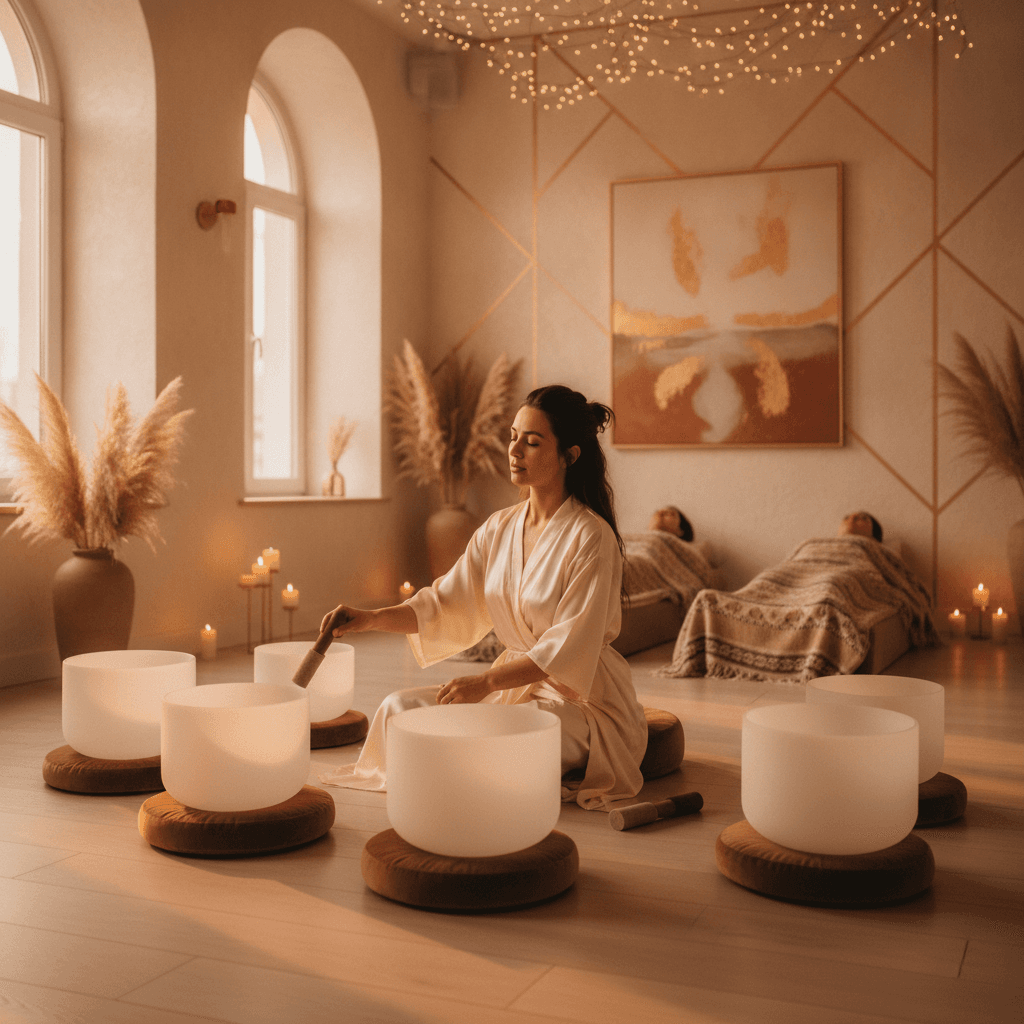
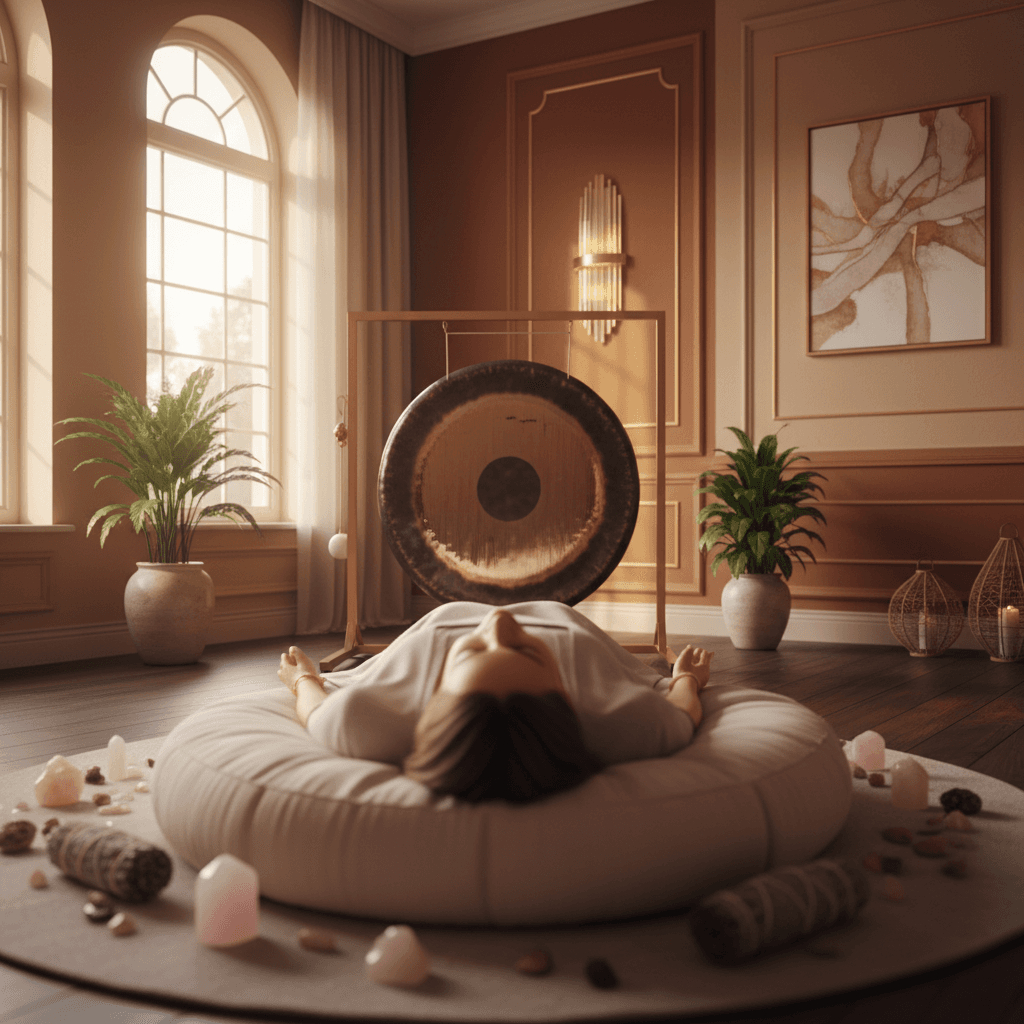
In practice, the visual environment during a sound session is as carefully considered as the auditory landscape. For many clients, the immediate goal is deep relaxation and a release from cognitive overload. This often means minimizing visual distractions to allow the mind to fully immerse itself in the sound. Our studios are designed with soft, diffused lighting that avoids harsh glares or flickering effects. This thoughtful approach directly addresses common concerns of photosensitivity, ensuring comfort and accessibility for all individuals.
We often employ gentle, atmospheric colors that are known to evoke calm, such as soothing blues, purples, or warm earth tones. These subtle visual cues work in harmony with the resonant frequencies of the sound instruments, creating a cohesive and enveloping sensory field. The visual elements are never intended to be the primary focus; instead, they serve as a supportive backdrop, guiding the eyes to a state of soft focus or encouraging gentle introspection.
The deliberate use of darkness or very low light conditions is another powerful tool. By reducing external visual input, we help clients shift their attention inward, deepening their connection to the sound vibrations and their own internal landscape. This allows for a more profound state of relaxation, where the brain can prioritize auditory processing and enter meditative states more readily. It’s an intentional choice to facilitate a journey away from external stimuli and towards an inner spaciousness.
Our clients often report a heightened sense of calm and an improved ability to "see" their thoughts and emotions with greater clarity after sessions where visual elements are carefully managed. The absence of jarring visuals allows the brain to process the intricate layers of sound without competing demands, leading to a more integrated and restorative experience. This meticulous approach ensures that the visual context enhances, rather than detracts from, the profound auditory journey.
The Soul Art Approach
Larissa Steinbach, the visionary founder of Soul Art, has meticulously designed our sound wellness experiences by integrating these scientific understandings with an intuitive appreciation for holistic well-being. Her approach at Soul Art is rooted in the belief that true relaxation and transformation emerge from a deeply integrated sensory experience, where every element is intentional and harmonized.
What makes the Soul Art method truly unique is its thoughtful calibration of the sensory environment. Larissa and her team understand that photosensitivity varies greatly among individuals, and that a truly inclusive space must cater to a spectrum of visual sensitivities. We don't just dim the lights; we choreograph the visual experience, from the subtle gradient of colors to the quality of light, ensuring it complements the deep resonance of the sound instruments.
Larissa often speaks about creating an "auditory cocoon," where the visual field supports, rather than distracts from, the sonic journey. This might involve:
- Customized Lighting Scenarios: We use advanced lighting systems that allow for precise control over intensity, hue, and saturation. Sessions may begin with slightly brighter, calming tones and gradually transition to deeper, more introspective hues or even near darkness as the sound journey progresses, respecting the brain's natural response to light changes.
- Minimalist Aesthetic: Our studio spaces feature clean lines and a minimalist aesthetic. This design philosophy reduces visual clutter, allowing the eye to rest and the mind to calm, preventing the visual system from becoming overstimulated. The instruments themselves, like the shimmering crystal singing bowls and majestic gongs, become visual anchors, their beauty enhancing the experience without demanding excessive cognitive processing.
- Emphasis on Gentle Transitions: Just as sound waves evolve smoothly, visual changes within a session are always soft and gradual. There are no sudden flashes or abrupt shifts in light, honoring the brain's preference for temporally consistent stimuli and preventing any potential visual jarring. This ensures a seamless flow, mirroring the gentle undulations of the sound bath.
At Soul Art, Larissa Steinbach’s expertise ensures that the interplay between photosensitivity and visual elements is not an afterthought, but a core component of our transformative sound wellness offerings. It's about crafting a safe, serene, and scientifically-informed space where every individual can access profound states of relaxation and inner peace.
Your Next Steps
Understanding the powerful connection between sound and sight can empower you to enhance your daily well-being and deepen your relaxation practices. Here are some actionable steps you can take today:
- Observe Your Sensory Environment: Pay closer attention to how light and sound interact in your daily life. Notice how different lighting conditions affect your mood and focus, especially when combined with background sounds.
- Experiment with Visual Minimalism: When seeking relaxation or engaging in mindfulness practices, try reducing visual clutter or dimming lights. Create a visually quiet space to allow your auditory sense to take precedence.
- Mindful Music and Light Pairing: When listening to music, consider the visual backdrop. Does the lighting or visual information enhance or detract from your auditory experience? Experiment with soft, consistent lighting to complement your chosen soundscape.
- Prioritize Visual Comfort: If you experience photosensitivity, advocate for your needs in any wellness setting. Seek environments that offer control over lighting and avoid flickering or harsh artificial lights.
- Explore Professional Sound Wellness: Experience firsthand how a professionally curated multisensory environment can transform your state of being.
Ready to restore your nervous system and discover a profound sense of calm? Soul Art offers meticulously crafted sound wellness sessions designed with an acute awareness of multisensory integration, including careful consideration of photosensitivity and visual elements. Discover how a balanced and harmonious sensory environment can lead to deeper relaxation and enhanced well-being.
In Summary
The intricate relationship between photosensitivity and visual elements in sound sessions is a powerful frontier in holistic wellness. Scientific research consistently shows that sound profoundly influences visual perception, enhancing sensitivity, guiding attention, and even altering what we perceive. Recognizing individual differences in photosensitivity is critical, necessitating carefully designed visual environments that minimize distraction and promote comfort. Larissa Steinbach's Soul Art integrates these insights, meticulously crafting spaces where intentional lighting and visual minimalism work in harmony with resonant sounds. This ensures a deeply immersive, accessible, and transformative experience, inviting you to rediscover peace through a finely tuned sensory journey.
Bookings Coming Soon
Soul Art is still in preparation. Session details and booking will be published here after launch.
Coming Soon
Wellness Disclaimer: This article is for educational and informational purposes only. It does not constitute medical advice, diagnosis, or treatment. Soul Art Dubai provides non-medical wellness experiences focused on relaxation, stress management, and general wellbeing. Sound wellness is a complementary practice and should not replace professional medical care.
Related Articles
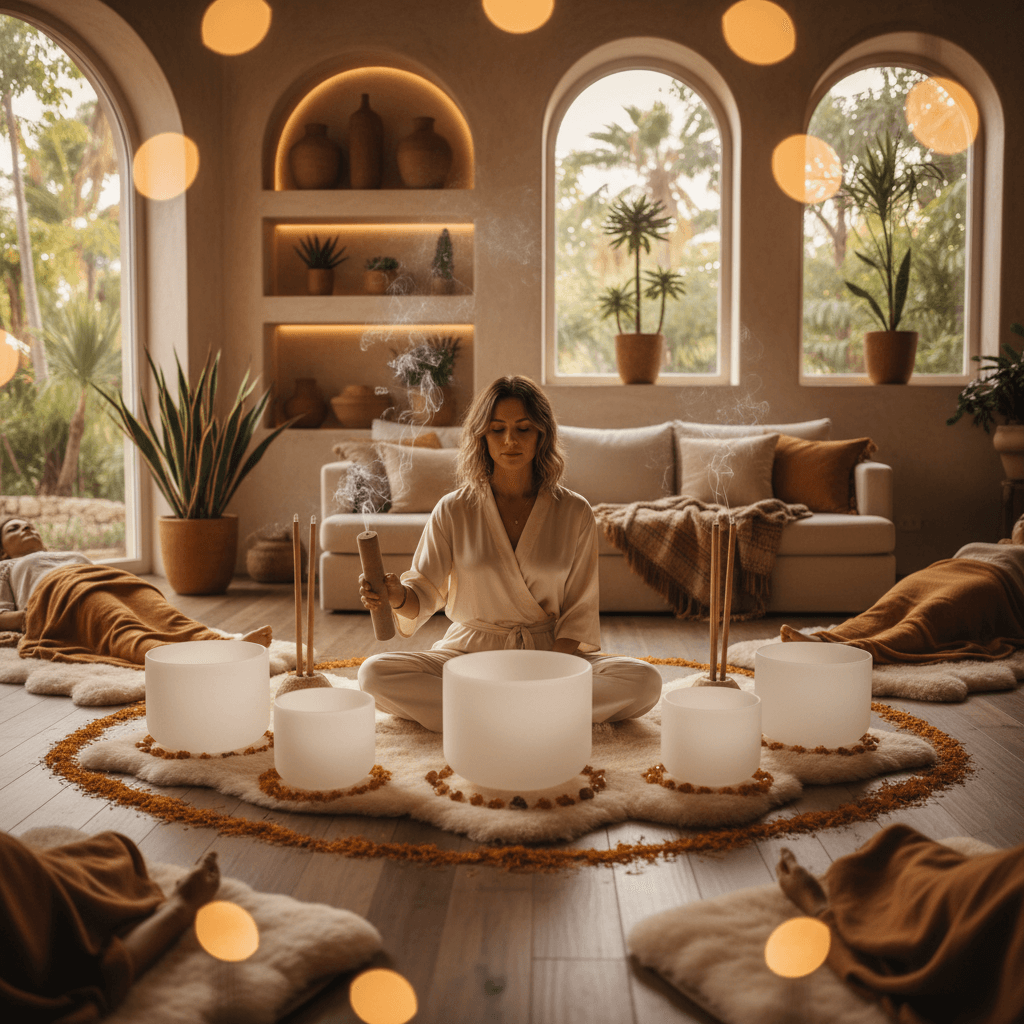
Empowered Choices: The Art of Clarity Without Overexplaining
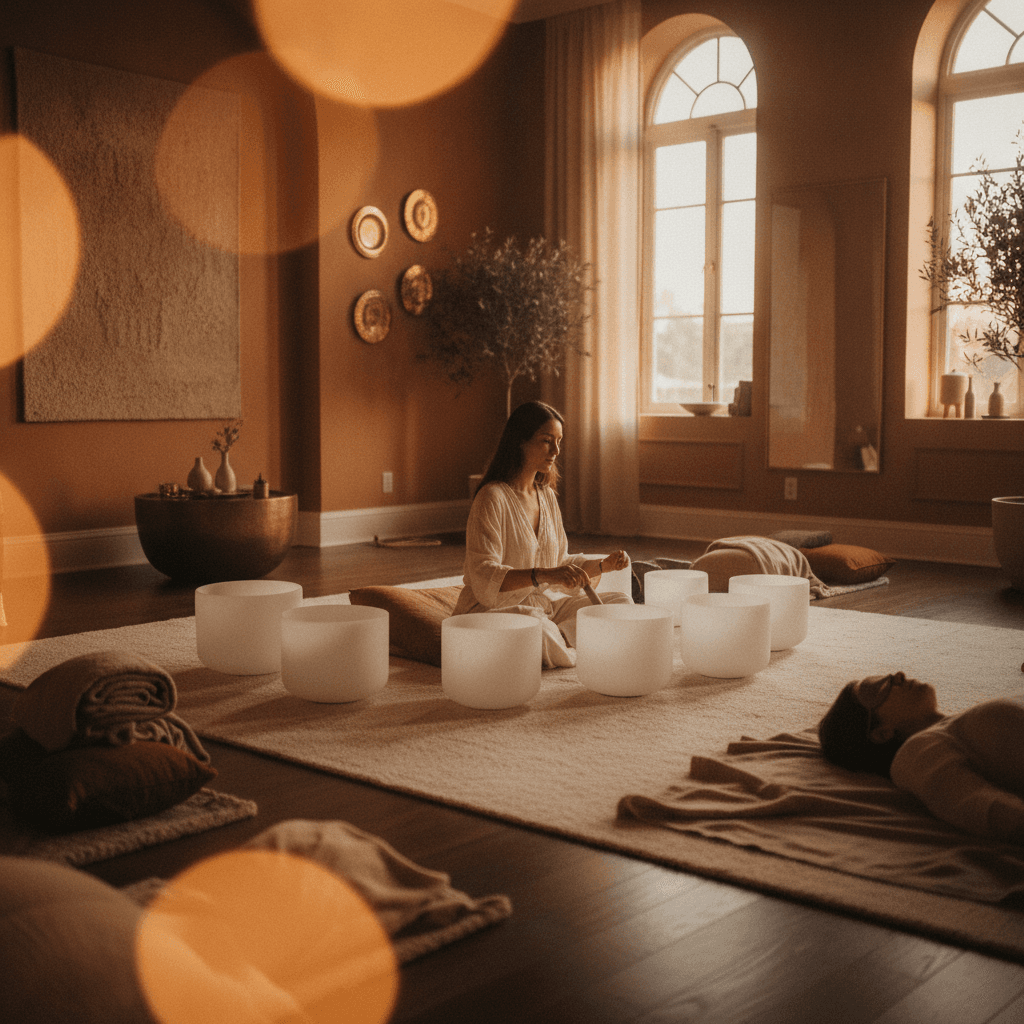
The Subtle Art of Slow Transitions: Guiding Your Brain to Calm
Harmonic Havens: Small Group Sound Baths for Neurodivergent Wellbeing