Elevate Your Art: The Power of Sound for Visual Studio Practice
Key Insights
Discover how visual artists can enhance creativity, focus, and well-being in their studio practice through sound wellness. Learn the science and practical applications with Soul Art Dubai.
Compelling Introduction
Have you ever considered that the secret to unlocking new dimensions in your visual art might lie not in what you see, but in what you hear? For centuries, artists have intuitively understood the profound connection between sound and visual perception, yet its deliberate application in studio practice remains an untapped frontier for many. Imagine a creative space where every stroke, every decision, every burst of inspiration is supported by a meticulously crafted sonic environment.
This article delves into the scientifically-backed benefits of integrating sound wellness into the demanding world of visual art. We will explore how specific auditory inputs can profoundly influence your creative process, enhance focus, and foster a deeper connection with your work. You'll learn the neuroscience behind these connections and discover practical ways to transform your studio into a sanctuary for innovation and well-being.
At Soul Art, founded by Larissa Steinbach, we believe in a holistic approach to creativity, understanding that a nourished mind and spirit are the bedrock of exceptional art. Integrating sound is not just a trend; it's a strategic enhancement for your artistic journey and overall well-being.
The Science Explained
The Neuroscience of Sonic Immersion for Creativity
The human brain is a marvel of multisensory integration, constantly weaving together information from all our senses to create a coherent reality. For visual artists, this often means focusing intensely on sight, yet neglecting the powerful influence of sound. However, research consistently shows that the auditory and visual areas of our brain are deeply interconnected, allowing for a rich tapestry of cross-modal associations.
Studies have explored the intricate relationship between sound and visual perception, revealing that correlations exist at various levels. For instance, analogies have been found between color brightness and sound volume, color saturation and the "color" or timbre of a voice, and even color volume and sound duration. While the exact mechanisms are still being explored, the fact remains that these two sensory domains are inextricably linked, offering fertile ground for artistic exploration.
The Auditory-Visual Connection: A Symphony of the Senses
The interplay between what we hear and what we see is far from a passive experience; it's an active dialogue within the brain. Evidence suggests that incorporating sound, particularly music, can significantly alter how we engage with visual art. One study highlighted that the inclusion of music actually increases viewing times of visual art, indicating a deeper, more prolonged engagement from participants.
Beyond mere viewing time, sound has the remarkable ability to evoke profound memory and emotion. Artists like Susan Philipsz, with installations such as Lowlands (2010), demonstrate how site-specific sound can deeply resonate, tapping into our subconscious and personal histories. For visual artists, this implies that thoughtfully chosen sound can serve as a potent tool to imbue their work with specific emotional depth or to access particular emotional states during creation.
Sound as an Input: Fueling the Creative Process
In the context of artistic creation, sound can be understood as a critical "input" that shapes the entire creative process. Drawing from the concept of "conceptual blending" in sound art, as proposed by researchers like Garrelfs, various elements—bodily experiences, inspirations, methods, materials, and world views—all contribute to an artist's project. For visual artists, integrating sound allows for a new layer of these inputs.
Sound can consciously or subconsciously feed the imagination, guiding the development of ideas and influencing the chosen aesthetic. It can serve as a non-verbal prompt, encouraging new connections and perspectives that might not emerge from visual stimuli alone. This intentional use of sound transforms it from mere background noise into a deliberate catalyst for artistic innovation and exploration.
Enhancing Brain Function and Emotional Resonance
The creative process, particularly in visual arts, is known to engage complex brain networks. Research on visual art production indicates enhancements in the functional connectivity of the brain, particularly within the medial prefrontal cortex (mPFC) and amygdala, regions associated with introspection and self-awareness. Sound wellness practices may support this by creating an optimal brain state conducive to deep focus and self-reflection.
Certain frequencies and harmonious soundscapes can help transition the brain into relaxed states, such as alpha or theta wave patterns, which are often linked to creativity, intuition, and meditative concentration. By facilitating these states, sound allows visual artists to tap into deeper reservoirs of inspiration and to maintain prolonged periods of creative flow. Furthermore, the practice of sound wellness can significantly support nervous system regulation, helping artists manage stress and prevent creative blocks.
The multidisciplinary work of artists like Camille Norment, who investigates cultural psychoacoustics, underscores how sound profoundly impacts our psychological and emotional landscapes. By understanding these principles, visual artists can consciously select sounds that resonate with their artistic intentions, whether to evoke a specific mood in their piece or to foster a particular emotional state within themselves as they create.
How It Works in Practice
Transforming the Studio: Practical Applications of Sound Wellness
For visual artists, the studio is more than just a workspace; it's a sanctuary for creation, a crucible where ideas take form. By thoughtfully integrating sound, this space can be transformed into an even more potent environment, conducive to deep work, emotional expression, and sustained creative output. Sound wellness offers practical strategies to achieve this, moving beyond mere background music to intentional sonic immersion.
Cultivating Focus and Flow States
One of the most significant challenges for artists is maintaining prolonged periods of focused attention, often referred to as a "flow state." Distractions, both internal and external, can easily disrupt this delicate balance. Sound, when strategically employed, can act as an acoustic shield, minimizing external noise and gently guiding the mind towards concentration. Ambient soundscapes, binaural beats, or specific musical compositions (without jarring lyrical content) may support the brain in entering and sustaining alpha and theta wave states, which are associated with deep focus and creative problem-solving.
Artists like Bill Fontana and Max Neuhaus, known for their immersive sonic environments, demonstrate how sound can redefine our perception of space and reality. Applying this principle to a private studio means intentionally crafting a sonic atmosphere that promotes immersion in the artistic task. This helps to quiet the inner critic and allows for a more direct, intuitive engagement with the creative material.
Emotional Resonance and Idea Generation
Sound is a powerful conduit for emotion and memory, capable of unlocking unexpected wellsprings of inspiration. For visual artists, this means using sound to intentionally set the emotional tone for a piece, or to explore specific themes. A particular soundscape might evoke a sense of melancholy, tranquility, or exhilaration, directly influencing the color palette, brushstrokes, or conceptual direction of the artwork. This deliberate use of auditory stimuli can help artists break through creative plateaus, offering new perspectives and encouraging "conceptual blending" where dissimilar categories of ideas are brought into relation.
Artists can also use sound to access or process personal memories and emotions, translating these inner experiences onto their canvas. By creating a multisensory environment, the studio becomes a dynamic space where the interplay of sight and sound can spark novel ideas and deepen artistic expression. The aim is to make sound an active participant in the conceptualization and execution of visual art.
Mitigating Creative Fatigue and Burnout
The intense demands of artistic practice can often lead to mental exhaustion and burnout. Sound wellness offers a proactive approach to managing stress and restoring vital energy. Short, intentional sound breaks throughout the day can provide profound moments of relaxation, allowing the nervous system to recalibrate. Sessions incorporating instruments like gongs, singing bowls, or tuning forks can induce states of deep relaxation, reducing cortisol levels and promoting a sense of calm.
Regular engagement with sound wellness practices may support improved sleep quality, reduced anxiety, and an overall enhanced sense of well-being. This, in turn, contributes to greater creative resilience and sustained artistic productivity. By prioritizing the health of their mind and body through sound, visual artists can ensure their creative well is continually replenished.
The Soul Art Approach
The Soul Art Difference: Larissa Steinbach's Vision for Visual Artists
At Soul Art, Larissa Steinbach understands that true artistic mastery stems from a profound connection between the artist’s inner world and their outward expression. Our approach to sound wellness for visual artists is meticulously designed to bridge this gap, offering not just relaxation, but a powerful catalyst for creative insight. We move beyond generic background noise, focusing instead on creating intentional, curated sonic experiences that directly support the artistic journey.
Larissa Steinbach’s philosophy centers on the bespoke nature of sound wellness. She recognizes that each artist, each project, and each moment in the creative process demands a unique auditory landscape. Our sessions are crafted with an understanding of "procedural blending," a framework that models how diverse inputs—including sound—interact to shape creative output. This allows artists to explore and express their practice with renewed focus on the primacy of the creative experience itself.
Curated Soundscapes for Artistic Deep Work
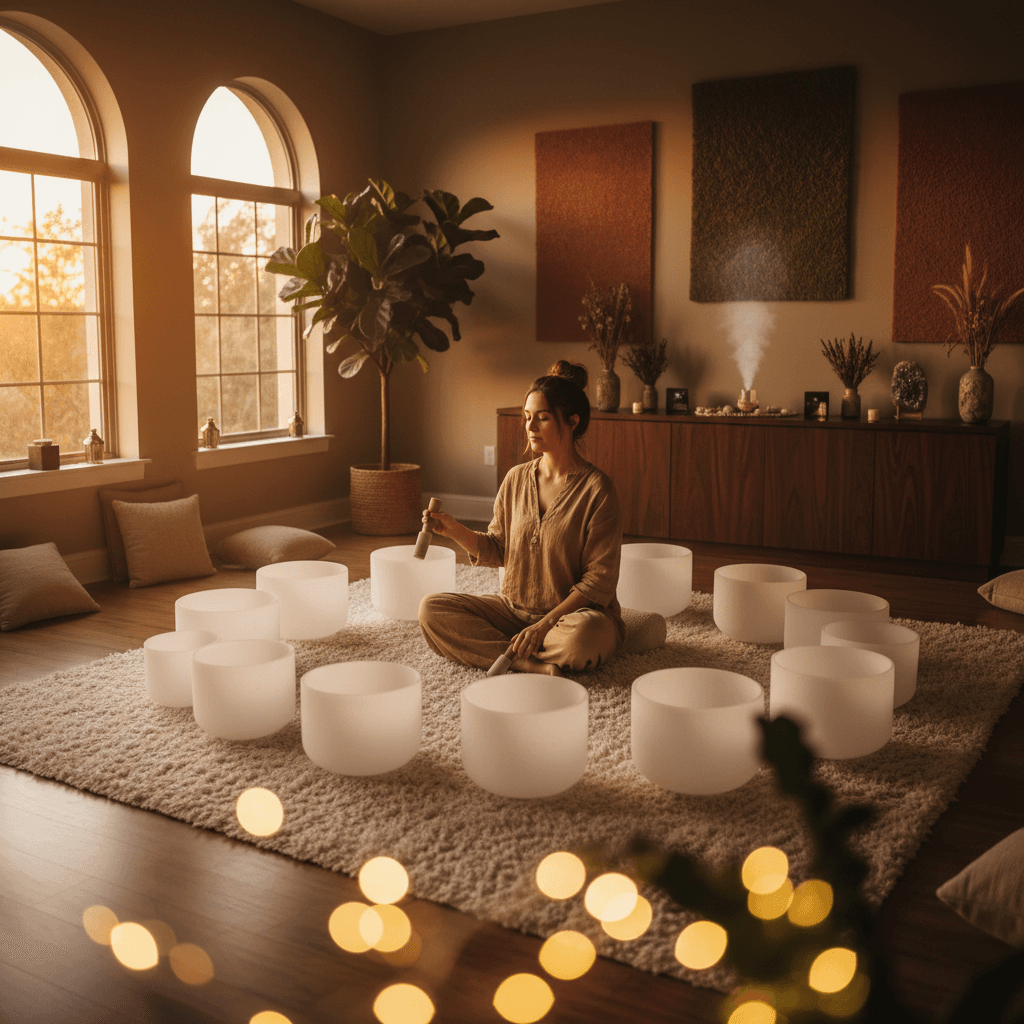
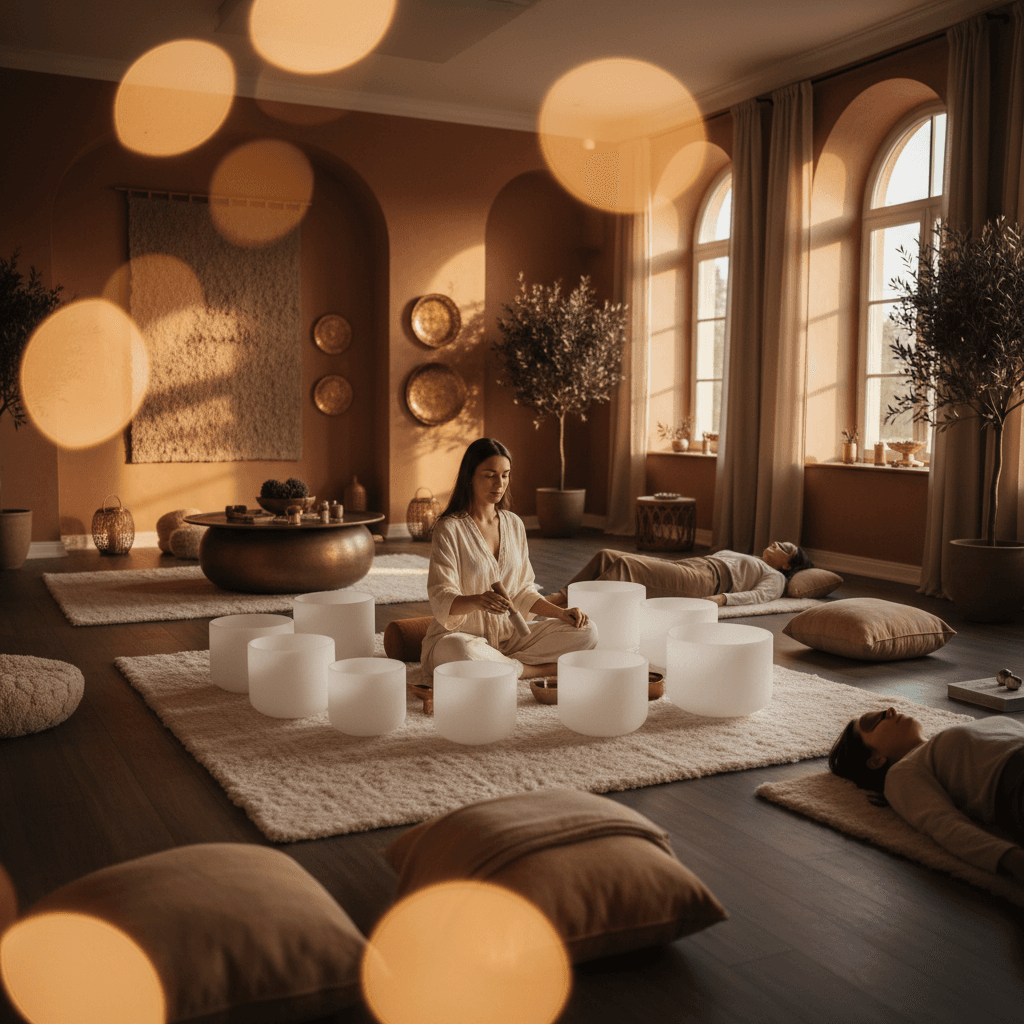
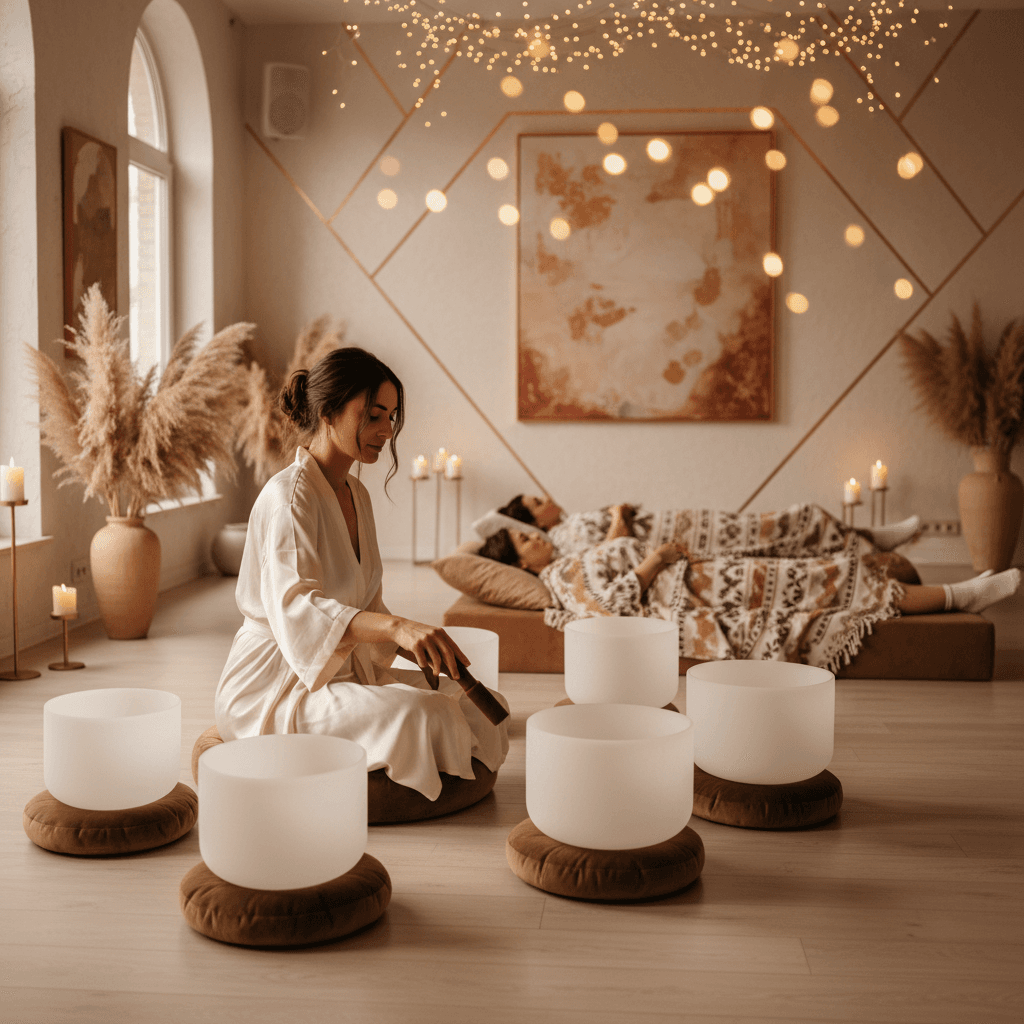
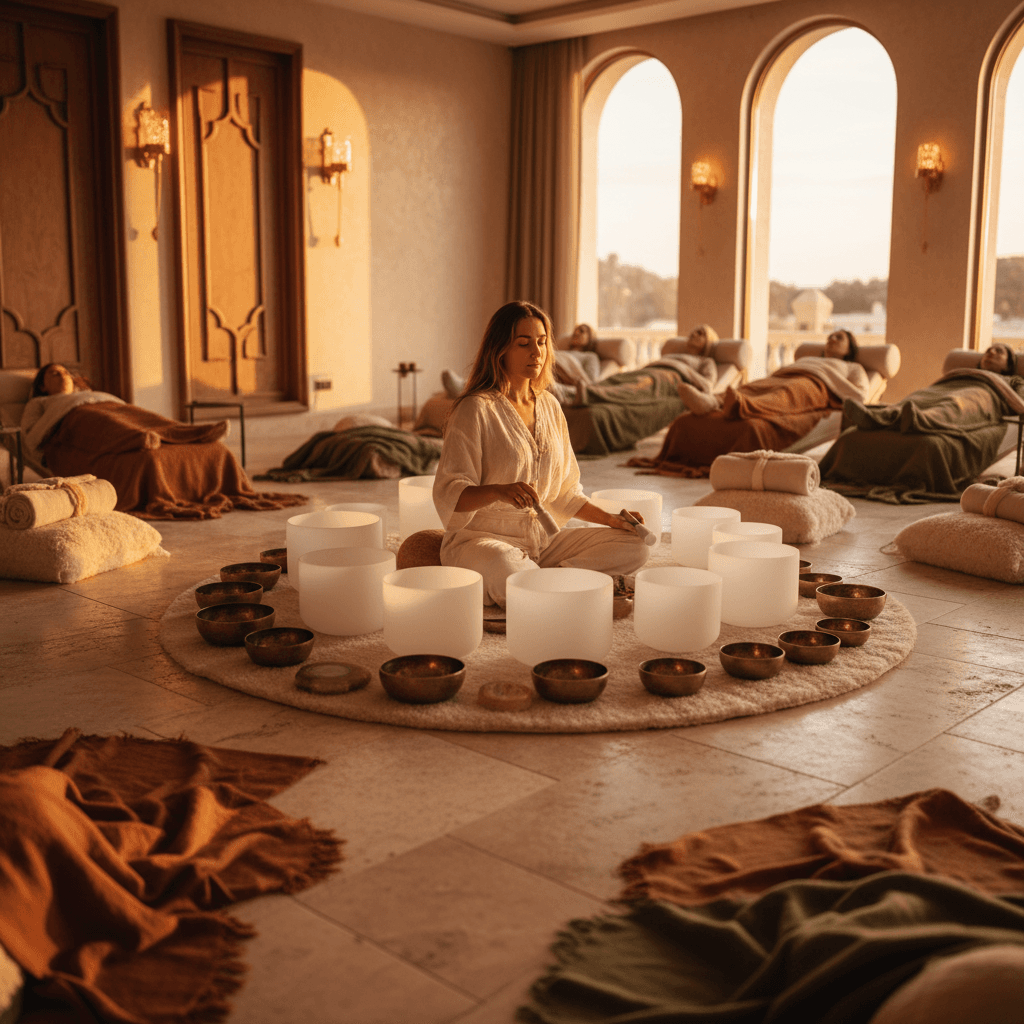
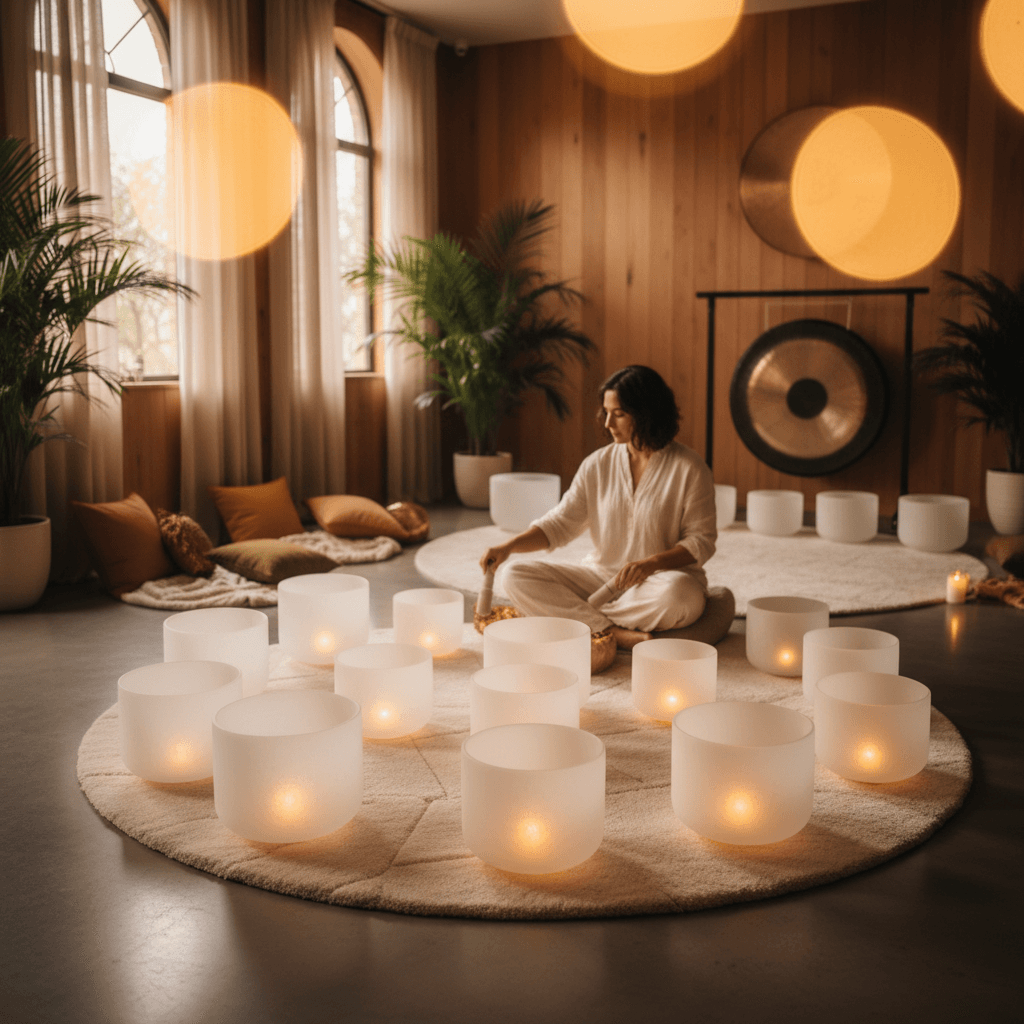
Soul Art offers personalized sound journeys that serve as a deliberate "input" for the visual artist's creative practice. We utilize a range of instruments and techniques, including resonant gongs, crystal singing bowls, therapeutic tuning forks, and carefully selected ambient soundscapes. These tools are employed to gently guide the listener into specific brainwave states—such as alpha and theta—that are highly conducive to creativity, introspection, and deep concentration. The aim is to foster a serene, yet stimulating environment where ideas can freely emerge and flourish.
Our sessions are designed to cultivate a sense of profound immersion, allowing artists to transcend daily distractions and connect deeply with their creative intuition. This intentional approach is far removed from the "scientific experiments" critics sometimes attribute to sound art exhibitions that lack engaging interpretation. Instead, we focus on delivering a rich, accessible, and deeply personal experience.
Beyond Auditory: A Multisensory Integration
Larissa Steinbach’s expertise extends to understanding "audio-visual spatiality," recognizing that sound doesn't just exist; it shapes our perception of space and form. The Soul Art method considers how different sonic textures and frequencies can subtly influence visual interpretation and creative flow. We explore how sound can act as a bridge, making subjective creative experiences more explicit and relatable, placing seemingly dissimilar categories into meaningful relation.
By working with Soul Art, visual artists gain access to a complementary approach that respects and enhances their primary medium. It’s about creating an integrated sensory experience that "dismantles the audio-visual litany" and invites sound to resonate beyond expected borders, offering a pathway to new dimensions of artistic expression and well-being. Soul Art stands as a premier destination in Dubai, dedicated to helping artists harness this transformative power.
Integrating Sound Wellness into Your Artistic Life
Embracing sound wellness in your artistic practice doesn't require a complete overhaul of your studio; it's about introducing intentional, beneficial practices. Even small shifts can yield significant creative and personal rewards. Consider these actionable steps to begin harmonizing your studio and spirit today.
Practical Advice:
- Experiment with Different Sound Types: Explore various genres beyond your usual preferences. Try ambient music, classical compositions, binaural beats (using headphones), nature sounds, or even silence for short periods. Notice how different sounds impact your mood, focus, and the direction of your visual work.
- Mindful Listening Breaks: Integrate short, dedicated sound wellness breaks into your studio routine. Even five to ten minutes of focused listening to a calming soundscape can help clear your mind, reduce mental fatigue, and reset your creative energy.
- Create a Dedicated Sound Space: Designate a small area in your studio or home where you can engage with sound without visual distractions. This could be a comfortable chair with quality headphones, allowing for deeper immersion and relaxation.
- Set Intentions with Sound: Before starting a new piece or tackling a challenging section, choose a soundscape that aligns with the desired emotion or energy for that work. Use the sound as a preparatory ritual to prime your mind and emotions.
- Explore Professional Sound Wellness: For a truly transformative experience, consider exploring guided sound wellness sessions. Expert practitioners, like those at Soul Art, can provide tailored experiences that specifically target stress reduction, enhanced creativity, and deeper states of relaxation.
Ready to deepen your artistic connection and elevate your creative output? Soul Art invites you to experience the profound benefits of sound wellness firsthand.
Bookings Coming Soon
Soul Art is still in preparation. Session details and booking will be published here after launch.
Coming Soon
In Summary: Harmonizing Your Studio and Spirit
The journey of a visual artist is one of constant discovery, and integrating sound wellness presents a powerful, scientifically-grounded pathway to new creative frontiers. As we've explored, the profound connection between auditory and visual stimuli can significantly enhance focus, fuel ideation, and mitigate the stresses inherent in artistic practice. Sound is not merely background; it is a vital input, a tool for emotional resonance, and a catalyst for profound creative flow.
By embracing sound as a complementary force, visual artists can cultivate an enriched studio environment that nurtures both their craft and their well-being. Larissa Steinbach and Soul Art are dedicated to guiding you through this transformative journey, helping you unlock deeper levels of creativity and find sustained harmony. Discover how a world where sight and sound converge can elevate your art and enrich your life.
Wellness Disclaimer: This article is for educational and informational purposes only. It does not constitute medical advice, diagnosis, or treatment. Soul Art Dubai provides non-medical wellness experiences focused on relaxation, stress management, and general wellbeing. Sound wellness is a complementary practice and should not replace professional medical care.