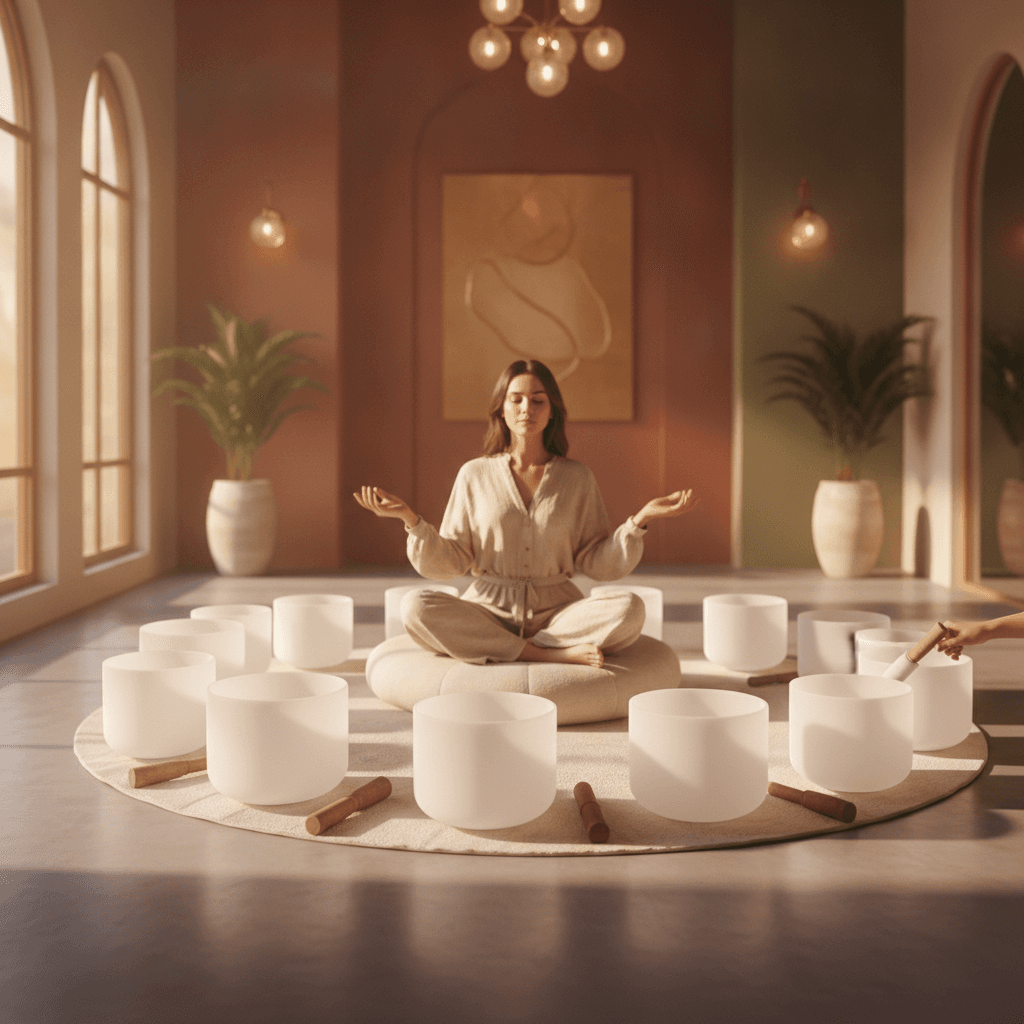
Harmonizing Balance: Vestibular Calm Through Gentle Sound Movement
Key Insights
Explore how Soul Art's unique sound wellness practices, guided by Larissa Steinbach, gently support vestibular calm, enhance balance, and reduce dizziness.
Can the subtle vibrations of sound truly influence our sense of balance, or even alleviate the disorienting swirl of dizziness? For many, the answer is a surprising yes, especially when approached with intention and gentleness. Our bodies possess an incredible internal compass, the vestibular system, which silently guides our movements and spatial awareness. Yet, in our fast-paced world, this delicate system can easily become overwhelmed, leading to discomforts that range from mild unease to debilitating vertigo.
At Soul Art, Dubai's premier sound wellness studio, we delve into the profound connection between sound, movement, and our innate ability to find equilibrium. Under the guidance of our founder, Larissa Steinbach, we explore how specific, gentle soundscapes, combined with mindful movement, may support a sense of vestibular calm. This article will unravel the science behind our balance system, illuminate how external factors like sound can impact it, and introduce you to Soul Art's unique approach to fostering inner harmony and stability. Prepare to discover a holistic path to rebalancing your world, one gentle vibration at a time.
The Intricate Dance of Balance: Understanding the Vestibular System
Our ability to stand upright, walk with confidence, and navigate complex environments is largely due to the remarkable functions of our vestibular system. This often-overlooked network of organs resides deep within our inner ears, acting as a sophisticated gyroscope for the entire body. It provides continuous feedback to the brain about our head's position, its motion, and our spatial awareness, forming the bedrock of our balance and coordination.
What is the Vestibular System?
The vestibular sense, often referred to as the "balance sense," is a critical sensory system embedded in the inner ear. It processes information regarding head movement, gravity, and acceleration, transmitting these signals to the brain. This system works in seamless concert with input from our eyes (vision) and joints (proprioception) to construct a comprehensive understanding of where our body is in space.
This foundational framework is essential for enabling all other sensory systems to work cohesively, allowing us to stabilize our head and body during motion, maintain an upright posture, and move confidently through our environment. Without a well-functioning vestibular system, even simple tasks can become challenging, impacting our confidence and independence.
When Balance Becomes a Challenge: Vestibular Dysfunction
When the vestibular system falters, the consequences can be profound, often leading to a range of distressing symptoms. Conditions like vestibular hypofunction, where the system is impaired, are quite common, affecting an estimated 35.4% of the adult population in the United States alone. Individuals grappling with vestibular disorders frequently report problems such as vertigo, persistent dizziness, visual disturbances, and a pervasive sense of imbalance.
Beyond these primary complaints, secondary issues can also arise, including nausea, vomiting, a reduced ability to focus or concentrate, and chronic fatigue. These symptoms can dramatically impact quality of life, making everyday activities feel overwhelming and creating a heightened sense of anxiety. Research consistently indicates that these challenges underscore the widespread need for supportive practices that address both the physical and emotional aspects of living with such conditions.
The Surprising Link: Sound's Impact on Balance
While the impact of visual information on balance has long been established—think of how strobe lights or swirling images can induce instability—emerging research highlights a fascinating and sometimes disruptive role for sound. A recent study published in PLOS ONE revealed that for individuals with vestibular hypofunction, specific sound environments can indeed exacerbate balance issues. This research showcased how moving visuals, when accompanied by audio like white noise or subway sounds, resulted in a greater amount of body sway.
The sway was evident through movements such as forward and backward bodily shifts, along with left-to-right head movements and upward-downward head tilts. Intriguingly, these audio conditions had no discernible effect on the balance of healthy individuals. This suggests that for those with compromised vestibular systems, the auditory landscape can become an additional challenge, making places like busy streets or train stations particularly disorienting. This finding is especially relevant for wellness interventions, as it implies a need for careful consideration of sound in supporting a balanced state.
"Sounds are not typically considered during physical therapy, making our findings particularly relevant for future interventions." — Anat Lubetzky, lead author, NYU Steinhardt.
Vestibular Rehabilitation: The Role of Gentle Movement
Vestibular Rehabilitation Therapy (VRT) is a specialized form of physical therapy that has shown significant effectiveness in improving symptoms related to many inner ear disorders. Its core objective is to strengthen the intricate connection between the body, eyes, brain, and inner ear, ultimately enhancing overall function and quality of life. VRT programs are generally customized, acknowledging that the optimal type, frequency, and intensity of exercises vary greatly from person to person.
A key principle of VRT is the intentional, controlled provocation of symptoms to help desensitize the brain. This gradual exposure allows the brain to habituate to movements that might initially cause discomfort, retraining it to recognize these sensations as less threatening. Exercises often include head and body movements, such as walking with gentle head turns, which are fundamental for integrating balance and coordination into daily activities. Patients are also encouraged to focus on mindful breathing and relaxation throughout these activities, employing grounding strategies to support the brain as it recovers and adapts.
It is important to note that while VRT is a medical therapy, many of its underlying principles — particularly the emphasis on gentle, targeted movement, nervous system regulation, and sensory integration — align with the aims of holistic wellness practices. These practices, while not a substitute for VRT, may offer complementary support for general well-being, enhancing body awareness and fostering a sense of calm. However, anyone considering specific exercises for a medical condition should always seek advice from a specialist or physiotherapist first, as some exercises may not be suitable for all conditions or individuals.
How It Works in Practice
Understanding that sound can be a disruptive factor for those with vestibular sensitivities might seem counterintuitive when considering sound wellness. However, the crucial distinction lies in the quality, intention, and gentleness of the sound and movement provided. At Soul Art, we don't aim to provoke or challenge the vestibular system in a rehabilitative sense; instead, we create an environment designed to soothe, ground, and support its natural function.
We recognize that the overwhelming visual and auditory information found in daily life can contribute to anxiety and instability for many. Our approach deliberately contrasts with these disruptive environments. Imagine stepping into a sanctuary where external chaos fades, replaced by carefully curated, harmonious sounds. These aren't the jarring noises of a subway, but rather resonant, flowing tones that encourage deep relaxation and somatic awareness.
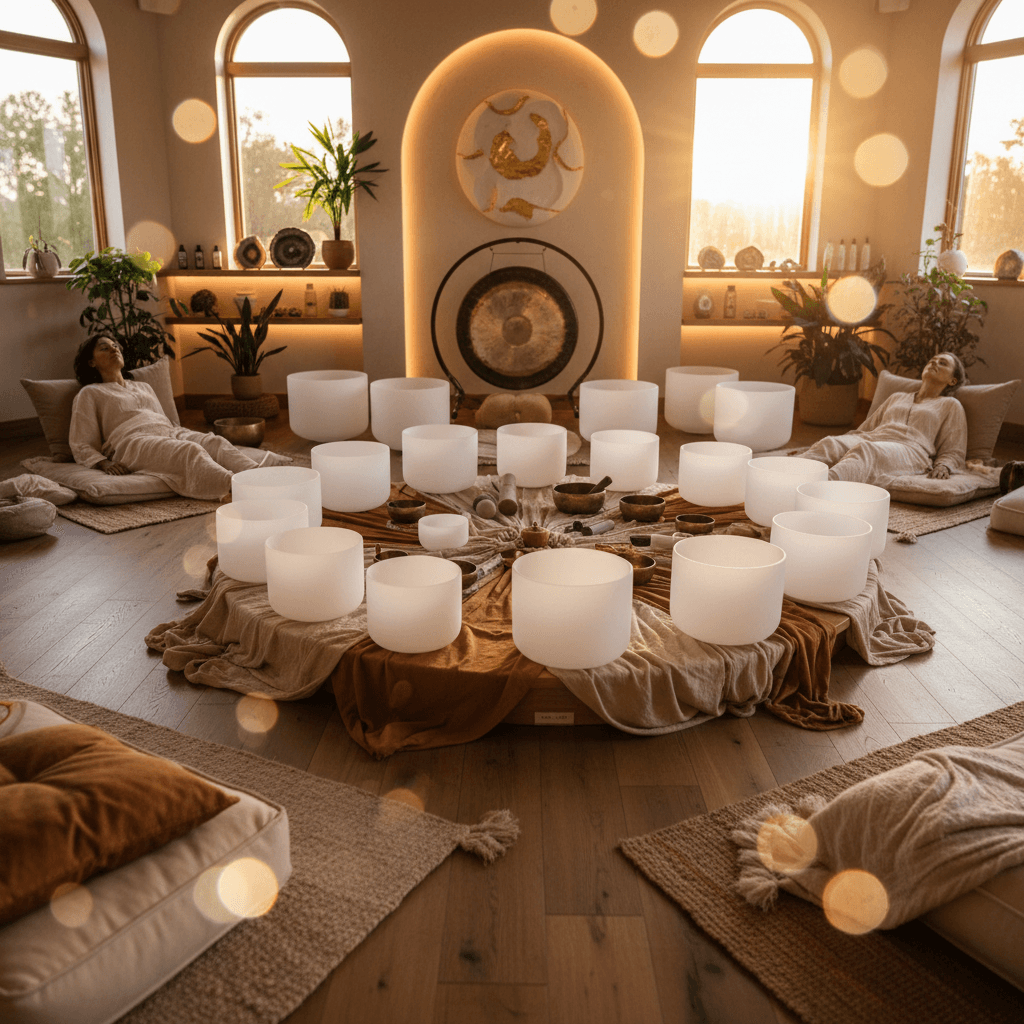
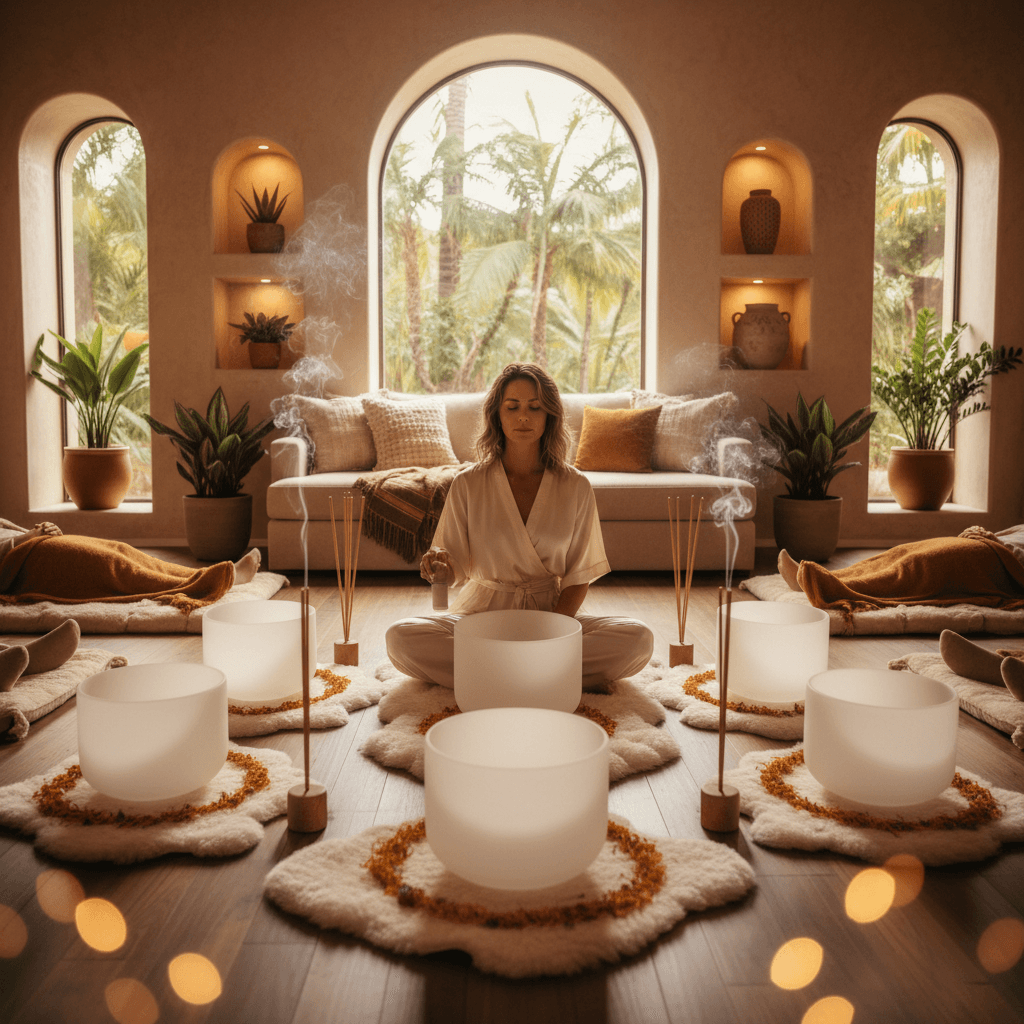
During a session, clients experience a gentle integration of sound and subtle physical movement. The sound frequencies, often generated by crystal singing bowls or gongs, are designed to calm the nervous system, potentially reducing the secondary symptoms of vestibular imbalance, such as anxiety and reduced focus. As the body enters a state of deep relaxation, the brain becomes more receptive to integrating sensory input without feeling overwhelmed.
Guided by Larissa Steinbach, our practices encourage mindful, deliberate movements that are never forced or disorienting. These might include gentle stretches, focused breathing exercises, or simply an awareness of the body's subtle shifts and re-grounding. The calming soundscape acts as an anchor, helping the brain to process proprioceptive and visual information more effectively by reducing overall sensory overload. This gentle synergy may help individuals cultivate a heightened sense of body awareness and spatial perception, fostering greater confidence and ease in their movements.
The Soul Art Approach
Larissa Steinbach's vision for Soul Art is rooted in creating a deeply nurturing and transformative space, uniquely attuned to the delicate interplay of our senses. Her approach to "Vestibular Calm and Gentle Sound Movement" is not about clinical rehabilitation, but about crafting a holistic wellness experience that complements medical care by supporting overall nervous system regulation and sensory integration. Larissa understands that a calm mind and body are better equipped to find their natural equilibrium.
What makes the Soul Art method unique is its profound emphasis on intentional gentleness. While research shows that harsh or chaotic sounds can disrupt balance, Larissa carefully selects instruments and techniques that generate frequencies known for their soothing and grounding properties. Crystal singing bowls, Himalayan singing bowls, and gongs are played with a nuanced touch, creating rich, sustained vibrations that are felt throughout the body rather than heard as an aggressive auditory stimulus.
These carefully chosen instruments and their harmonious overtones are used to guide the body into a state of profound relaxation, often referred to as a sound bath. Within this serene sonic landscape, clients are encouraged to engage in gentle, intuitive movements. These are not prescriptive exercises but rather fluid, self-directed motions that enhance body awareness, release tension, and encourage a sense of fluidity without challenging the balance system. The combination of gentle sound and mindful movement aims to quiet the "noise" of an overstimulated nervous system, allowing for a deeper connection to one's internal sense of stability and calm. This unique synergy may support an improved sense of spatial awareness and bodily confidence, making Soul Art a sanctuary for those seeking to enhance their general well-being.
Your Next Steps
Embracing a lifestyle that supports vestibular calm and gentle sensory integration can have a profound impact on your overall well-being. While sound wellness is a complementary practice, there are several practical steps you can take today to foster greater balance and serenity in your daily life.
- Cultivate Mindful Movement: Incorporate gentle, conscious movement into your routine. This could be as simple as walking with an awareness of your breath, or practicing slow, deliberate stretches. Focus on how your body feels in space, rather than rushing through tasks.
- Curate Your Sonic Environment: Become more aware of the sounds around you. When possible, opt for quieter spaces, or introduce calming sounds like nature recordings or soft, instrumental music into your home. Minimizing auditory clutter can significantly reduce sensory overload.
- Prioritize Relaxation: Stress and anxiety can exacerbate many physical symptoms, including dizziness. Dedicate time each day to practices that calm your nervous system, such as deep breathing exercises, meditation, or spending time in nature. These moments of quiet can be incredibly restorative.
- Explore Gentle Sensory Input: Pay attention to how different sensory experiences affect you. Engage in activities that provide calming and grounding input, such as warm baths, gentle massages, or focusing on a single, pleasant scent. This helps to re-pattern how your brain processes sensory information.
- Consider Complementary Wellness: If you're seeking additional support for your well-being, explore complementary practices like sound wellness. At Soul Art, we offer a unique environment where gentle sound and mindful movement are harmonized to foster deep relaxation and a profound sense of inner balance.
Ready to restore your nervous system and discover a profound sense of calm and balance? We invite you to experience the transformative power of gentle sound and movement in a truly unique setting.
In Summary
Our vestibular system is a cornerstone of balance and spatial awareness, yet it can be vulnerable to disruption, with sound playing a surprising role for some. While chaotic sounds may exacerbate imbalance, the intentional, gentle sound and movement practices at Soul Art offer a complementary path to profound calm. Larissa Steinbach's unique approach focuses on creating a harmonious environment where soothing vibrations and mindful motion may support nervous system regulation, reduce secondary symptoms like anxiety, and foster a deeper connection to one's inner stability. By embracing gentle sensory integration, we can cultivate greater well-being and rebalance our lives. We invite you to experience this journey of harmony at Soul Art.
Bookings Coming Soon
Soul Art is still in preparation. Session details and booking will be published here after launch.
Coming Soon
Wellness Disclaimer: This article is for educational and informational purposes only. It does not constitute medical advice, diagnosis, or treatment. Soul Art Dubai provides non-medical wellness experiences focused on relaxation, stress management, and general wellbeing. Sound wellness is a complementary practice and should not replace professional medical care.
Related Articles
Beyond Hearing: Sound Waves & Your Body's Inner Boundaries at Soul Art
Breath Holding & Sound: Releasing Guarded Patterns at Soul Art Dubai
Reclaim Vitality: Soft Sound Practices for Fatigue & Collapse